Study Finds Gaza Death Toll 40% Higher as Ramadan Begins Under Fragile Cease‑Fire
Updated (44 articles)
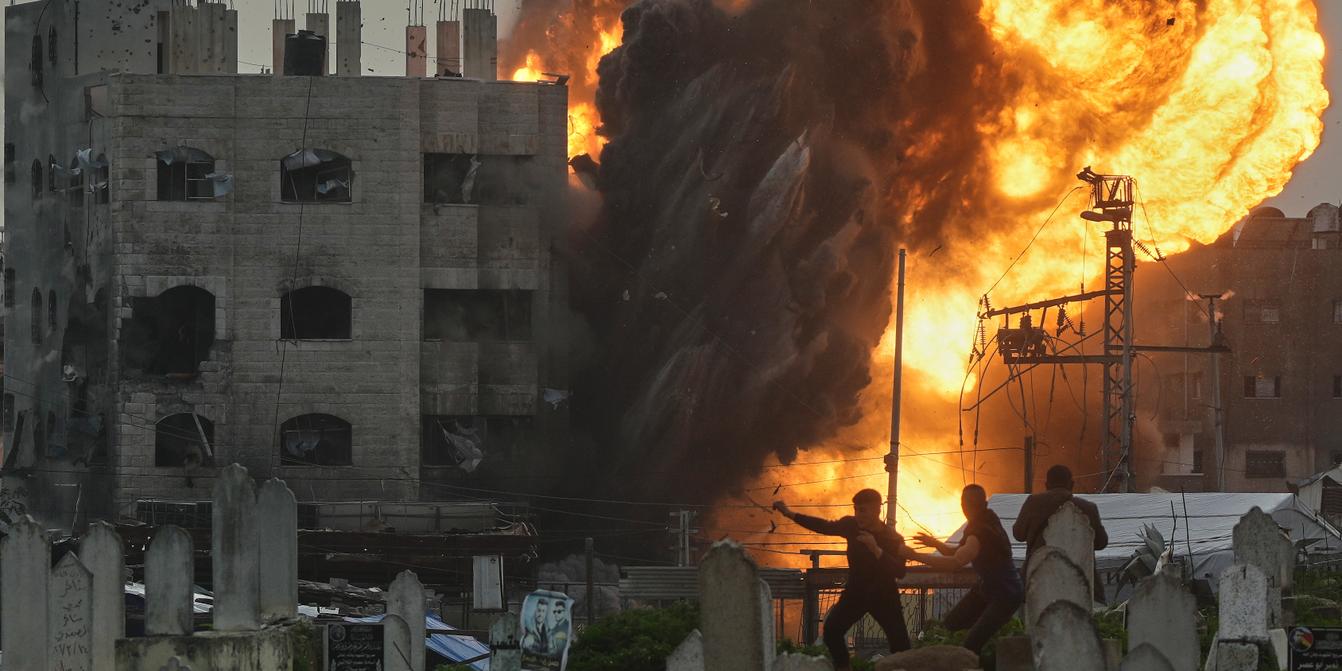
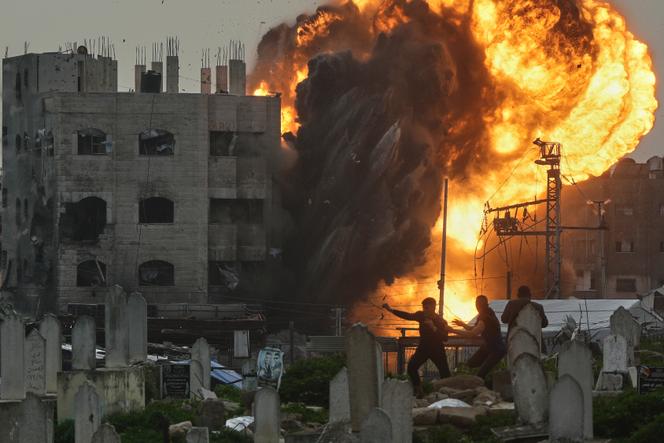
Independent Field Study Reveals Major Under‑Reporting The Lancet Global Health published a field assessment on 18 February estimating that Gaza’s health ministry recorded about 35 % fewer violent deaths than actually occurred, rising to roughly 40 % when indirect deaths from disease and malnutrition are included [1]. Researchers collected data on the ground, independent of Gaza authorities, marking the first such benchmark and echoing earlier scientific literature that questioned official figures [1].
Gaza Health Ministry Figures Remain Official Benchmark The ministry continues to report more than 72,000 Palestinian fatalities since the conflict began, a number cited by multiple outlets [2]. The new study argues the ministry omitted many casualties because chaotic conditions hampered body recovery, identification, and reporting for entire families wiped out [1]. This discrepancy highlights a persistent gap between official tallies and independent estimates.
Ramadan Observed Under Cease‑Fire That Still Allows Israeli Fire Ramadan started on 21 February while a U.S.–brokered cease‑fire, in place since 10 October, remains fragile; Israeli fire persists almost daily, killing over 600 Palestinians since the truce began, according to health officials [2]. Families displaced across Gaza, including those in tents at Muwasi, observe the holy month without normal celebrations, relying on limited humanitarian assistance [2].
Humanitarian Aid Strained by Rising Prices and Displacement Waleed al Zamli’s family of eleven lives in tents after his shop was destroyed, depending on a charity kitchen for their first iftar meal [2]. Food prices for meat and poultry have surged beyond pre‑war levels, and the loss of income leaves many items unaffordable, intensifying hardship during Ramadan [2]. The family also mourns the recent death of al Zamli’s son‑in‑law, killed shortly after his marriage.
Implications for Aid Allocation and Accountability Recognizing a higher death toll could reshape aid distribution, accountability mechanisms, and international scrutiny of the conflict’s human cost, though the study does not outline specific policy changes [1]. The findings may pressure donors and agencies to reassess resource needs and reporting standards in the ongoing humanitarian crisis.
Sources
-
1.
Le Monde: Independent Study Shows Gaza Death Toll Under‑Counted by Up to 40 %: The article reports a Lancet Global Health field study estimating the Gaza health ministry’s death count is 35 % low for violent deaths and about 40 % low when indirect deaths are included, emphasizing methodological independence and potential impact on humanitarian response.
-
2.
AP: Gaza family faces stark Ramadan amid fragile cease‑fire: The piece follows Waleed al Zamli’s displaced family during Ramadan, describing reliance on charity kitchens, daily Israeli fire despite the Oct 10 cease‑fire, a reported death toll of over 72,000 Palestinians, and soaring food prices that hinder normal celebrations.
Related Tickers
Timeline
Oct 7, 2023 – Hamas launches a coordinated assault on southern Israel, killing ~1,200 civilians and seizing more than 250 hostages, igniting the two‑year Gaza war [25].
Oct 10, 2025 – A U.S.‑brokered cease‑fire (Phase 1) takes effect, delivering a hostage‑prisoner exchange, a partial Israeli withdrawal and an aid surge, while pausing large‑scale combat [4][8].
Dec 4, 2025 – Yasser Abu Shabab, head of the Israel‑backed Popular Forces militia, is shot dead while mediating a family dispute in Rafah, raising doubts about Israel’s buffer‑zone strategy [22][23].
Dec 8, 2025 – A three‑year‑old girl, Ahed Tareq al‑Bayouk, is reportedly shot near her family’s tent in Rafah; the IDF says it is “not aware” of a strike and will review the incident [21].
Dec 11, 2025 – Storm Byron floods tent camps across Gaza, water seeping into mattresses; aid‑truck deliveries fall short of the 600‑per‑day ceiling stipulated by the cease‑fire [20].
Dec 13, 2025 – Israeli Prime Minister Netanyahu and Defense Minister Katz order the assassination of senior Hamas weapons chief Raed Saad after an explosive device wounds Israeli soldiers; the strike kills Saad and four civilians in a vehicle on the Palestinian side of the Yellow Line [17][18].
Dec 14, 2025 – Hamas confirms Raed Saad’s death, labeling the strike a “genocide” and accusing Israel of cease‑fire violations [15].
Dec 17, 2025 – Heavy rains cause building collapses and flood‑related deaths; UN agencies deliver 250 k winter‑clothing kits, 600 k blankets and 7 k tents, yet still deem needs “vast” [14].
Dec 19, 2025 – Premature newborn Saeed Abdeen dies of hypothermia at Nasser Hospital after being born under‑weight and kept in a tent‑camp [13].
Dec 20, 2025 – Three‑month‑old Shaza Abu Jarad dies of hypothermia in a Gaza City tent; the International Committee of the Red Cross warns that the cold threatens survival for vulnerable civilians [10].
Dec 22, 2025 – Over 400 000 Gaza homes are destroyed, forcing residents to choose between exposed tents and structurally unsafe collapsed buildings; UN shelter needs rise to 1.3 million [12].
Dec 24, 2025 – Netanyahu declares Hamas has breached the cease‑fire after an explosive device wounds an Israeli officer in Rafah, warning of “retaliation” and linking compliance to the October agreement’s disarmament clause [28].
Jan 1, 2026 – Seven‑year‑old Ata Mai drowns in floodwaters that inundate a Gaza City tent camp, part of a growing toll of weather‑related child deaths during the winter crisis [27].
Jan 8, 2026 – UNICEF‑run tents at the ruined Lulwa school in Gaza City begin modest classes for ~1 100 pupils, marking the first regular schooling for many children since the war began [5].
Jan 8, 2026 – Israeli air strikes kill eight people, including four children, in southern Gaza; the truce that began Oct 10 2025 remains “fragile” as both sides accuse each other of violations [4].
Jan 13, 2026 – An Israeli drone strike near the Morag corridor kills three Palestinians alleged to be approaching troops with weapons, occurring as Gaza awaits the formal announcement of a technocratic Board of Peace [11].
Jan 21, 2026 – Israeli strikes in central Gaza kill three journalists working for the Egyptian Relief Committee; Israel says the target was a Hamas‑linked drone operator [3].
Jan 22, 2026 – Families in Khan Younis scavenge garbage for fuel as winter bites; Donald Trump unveils a “Board of Peace” at Davos to oversee Gaza’s reconstruction, while the Rafah crossing is slated to reopen in both directions next week [9].
Jan 24, 2026 – Father Yusuf Zawara kneels over his dead 15‑year‑old son in Shifa Hospital’s morgue, pleading “He’s sleeping… He’ll wake up now,” after an Israeli missile kills the boy and his cousin while they gather firewood [8].
Jan 29, 2026 – A senior Israeli security source tells journalists that the military now regards the Hamas‑run health ministry’s figure of over 70 000 Gaza deaths as “largely accurate,” marking a shift from earlier skepticism [2].
Jan 30, 2026 – Israeli officials publicly cite ~70 000 Palestinian deaths, aligning with the health ministry’s count and acknowledging the scale of the humanitarian catastrophe [7].
Jan 31, 2026 – Israeli air strikes kill at least 32 Palestinians, including children, as Israel says it targeted Hamas “truce violations”; U.S. envoy Steve Witkoff announces the start of Phase 2, which will establish a technocratic Palestinian government, begin reconstruction and fully demilitarise Gaza [1].
Feb 4, 2026 – Israeli air strikes kill 23 Gazan civilians, including three children, while targeting Hamas commander Bilal Abu Assi; Israel partially reopens the Rafah crossing for patients and family reunifications, allowing 45 people to cross on Feb 3 and a bus of returnees on Feb 4 [26].
Feb 5, 2026 – Former senior Hamas official Ahmed Youssef, now living in a tent on Al‑Mawassi beach, declares the Oct 7 armed struggle a “fatal error” and says “the armed struggle has failed,” reflecting disillusionment within Hamas leadership [30].
Feb 6, 2026 – Gaza’s health ministry reports 556 Palestinian deaths since the October 2025 cease‑fire, while the Rafah crossing remains open but processes fewer than 50 people per day; Trump’s 20‑point plan is accepted, and the release of the final hostage’s body is cited as a precondition for moving to Phase 2 [6].
Feb 19, 2026 – An independent field study published in The Lancet Global Health estimates Gaza’s violent death toll is under‑counted by ~35 % (up to ~40 % when indirect deaths are included), suggesting the true mortality may exceed official figures [29].
Dive deeper (11 sub-stories)
-
Lancet Study Reveals Gaza Death Toll May Be 40% Higher Than Official Figures
(18 articles)
-
AP: Gaza family faces stark Ramadan amid fragile cease‑fire
-
Le Monde: Former Hamas Official Says Armed Struggle Failed as Gaza Lies in Ruins
-
Winter Crisis Deepens in Gaza as Families Scavenge Fuel Amid Fragile Ceasefire
(13 articles)
-
BBC: Children in Gaza return to learning in UNICEF-run tents at damaged Gaza City school after ceasefire
-
BBC: BBC reaches settlement with Israeli family over filming without consent after Oct 7 attack
-
BBC: Gaza school strike injures 11-year-old, leading to amputation and ongoing trauma
-
BBC: One-year-old Gaza girl returns to hospital after Jordan treatment amid shortages
-
Hamas Commander Raed Saad Confirmed Dead After Israeli Strike, Ceasefire Tensions Rise
(4 articles)
-
AP: Gaza amputees struggle to rebuild lives as the enclave faces shortages of prosthetic limbs
-
Yasser Abu Shabab, Leader of Israeli‑Backed Popular Forces, Killed in Rafah on Dec 4, 2025
(2 articles)
All related articles (44 articles)
-
Le Monde: Independent Study Shows Gaza Death Toll Under‑Counted by Up to 40 %
-
AP: Gaza family faces stark Ramadan amid fragile cease‑fire
-
AP: Gaza Violence Persists Months After Ceasefire Takes Effect
-
Le Monde: Former Hamas Official Says Armed Struggle Failed as Gaza Lies in Ruins
-
The Hindu: Israeli strikes kill 23 in Gaza as Rafah crossing reopens for limited travel
-
BBC: Israeli Air Strikes Kill at Least 32 in Gaza as Ceasefire Tensions Rise
-
CNN: Israeli strikes kill over 30 in Gaza, health ministry says
-
CNN: Israeli Military Acknowledges Approx. 70,000 Gaza Deaths, Aligning With Health Ministry Figures
-
BBC: Israeli Military Acknowledges Hamas‑Reported Gaza Death Toll
-
AP: Gaza father’s desperate attempt to revive son after Israeli strike
-
AP: Gaza families scour garbage for fuel as winter bites amid fragile ceasefire
-
AP: Israeli fire in Gaza kills at least 11, including journalists and two 13-year-olds on deadly day
-
BBC: Israeli strike in central Gaza kills three journalists, first responders say
-
AP: Gaza's grim winter toll as Davos hosts leaders around Trump's Board of Peace
-
AP: Winter winds and cold kill five in Gaza as shelters fail to shield displaced
-
AP: Drone strike kills 3 in Gaza as Hamas prepares to transfer governance to new committee
-
AP: Israeli strikes kill at least 13 across Gaza as Trump plans Board of Peace
-
BBC: Eight killed in Israeli air strikes in Gaza, civil defence agency says
-
BBC: Children in Gaza return to learning in UNICEF-run tents at damaged Gaza City school after ceasefire
-
BBC: BBC reaches settlement with Israeli family over filming without consent after Oct 7 attack
-
The Hindu: UN says 7-year-old Palestinian boy drowns in Gaza tent-camp floodwaters as winter crisis deepens
-
AP: UN reports Gaza flood drowning of 7-year-old as winter worsens displacement
-
BBC: Gaza school strike injures 11-year-old, leading to amputation and ongoing trauma
-
AP: Winter rain floods Gaza camps as Netanyahu heads for US meeting
-
CNN: Gaza winter weather leaves more dead as walls collapse and aid access tightens
-
AP: Gaza braces for more winter rain as ceasefire talks show slow progress
-
The Hindu: Israel says Hamas violated Gaza ceasefire after officer wounded in Rafah, vows retaliation
-
BBC: One-year-old Gaza girl returns to hospital after Jordan treatment amid shortages
-
CNN: Gazans face grim winter choice: tents or collapsed buildings
-
AP: Newborn dies of hypothermia in Gaza as tents expose infants to cold
-
BBC: Heavy rains worsen conditions for displaced Gazans, UN warns
-
AP: Hamas Confirms Death of Top Commander Raed Saad After Israeli Strike
-
AP: Israel Claims Killing of Hamas Commander Raed Saad Amid Ceasefire Tensions
-
Newsweek: Israel Ordered Assassination of Hamas Leader in Gaza Strike, Netanyahu Says
-
BBC: Israel kills senior Hamas weapons chief in Gaza vehicle strike
-
AP: Gaza amputees struggle to rebuild lives as the enclave faces shortages of prosthetic limbs
-
CNN: Gaza Storms Kill 14 Palestinians, Including 3 Children
-
AP: Winter storm exposes Gaza aid delivery gaps
-
BBC: Israel to review reports that troops killed three-year-old in Gaza
-
CNN: Leader of Israeli‑backed Gaza militia killed in Rafah
-
BBC: Anti‑Hamas Militia Leader Yasser Abu Shabab Killed in Gaza
-
AP: Israel Strikes Hamas Militant in Southern Gaza After Soldier Attack
-
BBC: Five Palestinians Killed in Israeli Air Strike on Tents Near Khan Younis
-
AP: Palestinian death toll surpasses 70,000 amid ongoing Israeli strikes
External resources (6 links)
- https://t.co/r7wAr2qewU (cited 1 times)
- https://twitter.com/hashtag/Watch?src=hash&ref_src=twsrc%5Etfw (cited 1 times)
- https://bit.ly/ap-twir (cited 1 times)
- https://www.jewishnews.co.uk/bbc-apologises-to-7-october-survivors-after-jeremy-bowen-reported-from-familys-destroyed-home-without-consent/ (cited 1 times)
- https://www.thelancet.com/journals/langlo/article/PIIS2214-109X(25)00522-4/fulltext (cited 1 times)
- https://www.timesofisrael.com/idf-believes-70000-gazans-killed-in-war-as-claimed-by-hamas/ (cited 1 times)