Hong Kong Courts Intensify National Security Crackdown, Sentencing Activist’s Father and Upholding Appeals
Updated (20 articles)
-
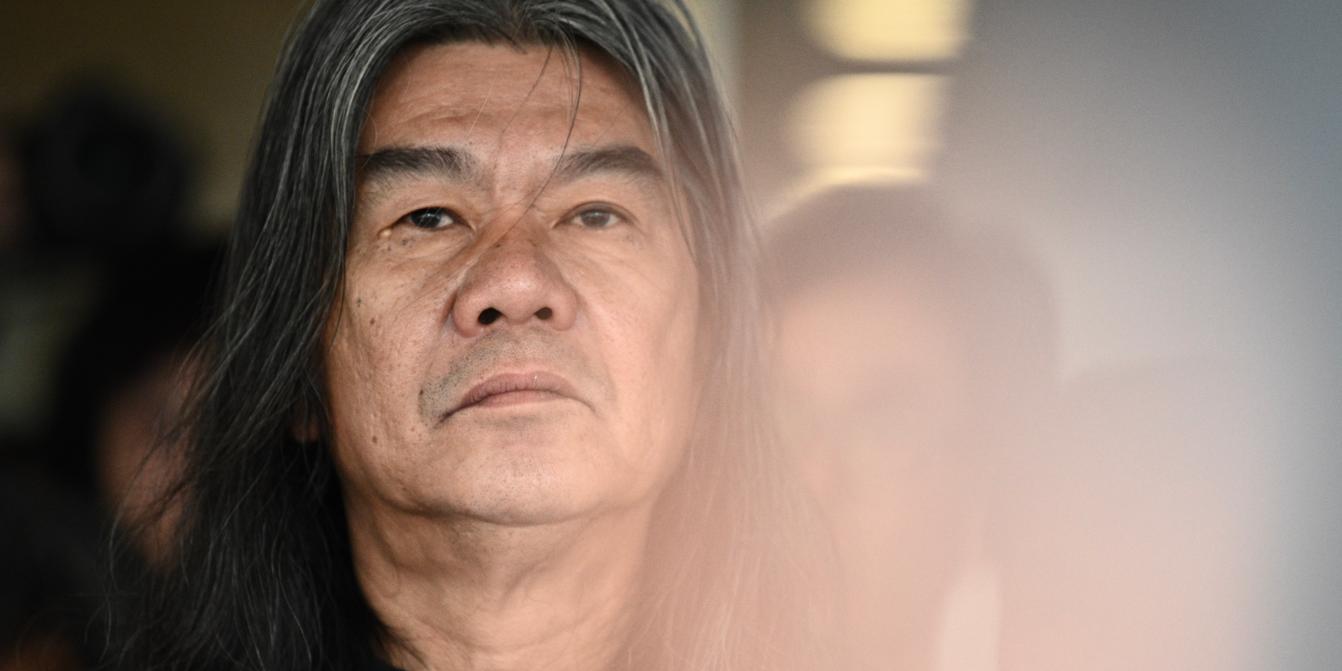
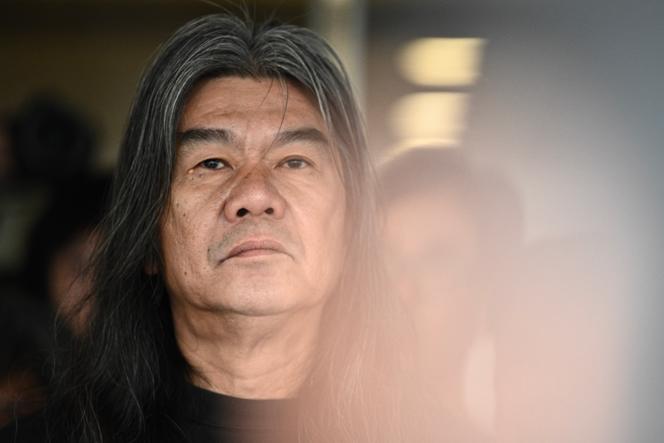 Image: Le MondeL’ex-député prodémocratie Leung Kwok-hung, également connu sous le nom de « Cheveux longs », avant d’entrer à la Haute Cour pour entendre la sentence de son appel concernant sa disqualification du conseil législatif de Hongkong, le 15 février 2019.ANTHONY WALLACE/AFP (ANTHONY WALLACE/AFP) Source Full size
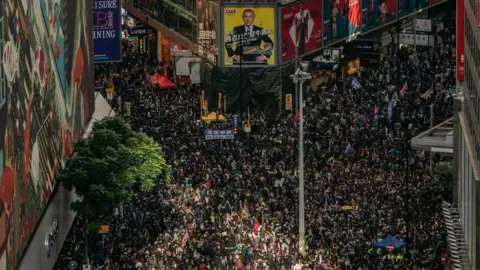
NSL Serves as Primary Mechanism for Silencing Dissent The June 2020 National Security Law bans secession, subversion, terrorism and foreign collusion, underpinning a systematic crackdown that has produced roughly 260 arrests and 76 convictions by early 2026 [1]. It has been applied to protest leaders, journalists, and even media owners, exemplified by the prosecution of Apple Daily founder Jimmy Lai and the closure of Stand News [1]. The law’s reach extends to financial dealings, as seen in the recent conviction of a family member for handling a fugitive’s insurance funds [2].
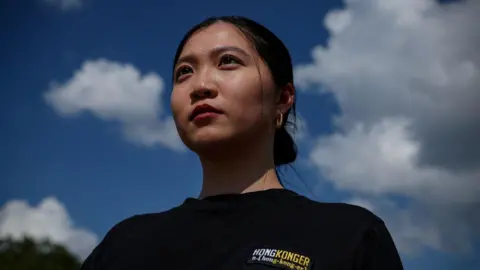
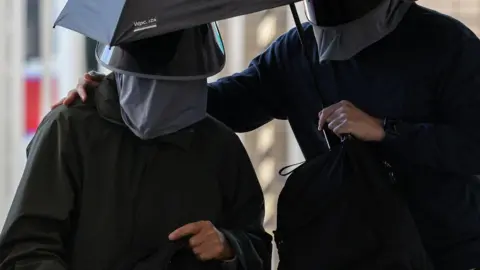
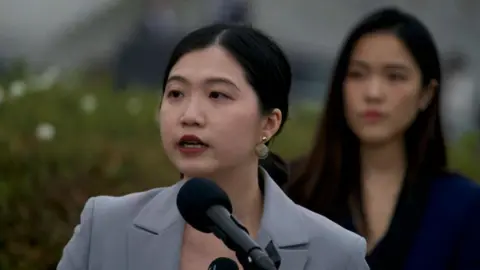
February 2026 Courts Issue New Prison Terms Under the NSL On 26 February 2026, Hong Kong’s District Court sentenced Kwok Yin‑sang, 69, to eight months for attempting to withdraw US$11,000 from an insurance policy linked to his activist daughter, marking the first conviction of a relative of an overseas wanted activist [2]. The judgment follows a guilty verdict earlier that month and reflects police’s strategy of targeting families of dissidents [2]. Authorities claim the action complies with the law and is unrelated to political considerations [2].
Appeals Court Upholds Sentences for Twelve Pro‑Democracy Figures On 23 February 2026, the Court of Appeal rejected all appeals from twelve activists convicted for “subversion” tied to the 2020 unofficial primary election, confirming their original jail terms [3]. Judge Jeremy Poon’s brief ruling emphasized no reduction in sentences, reinforcing Beijing’s tightening grip on Hong Kong’s political arena [3]. The defendants, including former lawmaker Leung Kwok‑hung and ex‑journalist Gwyneth Ho, were part of a larger 2024 group of 45 convicted for the same primary [3].
Family Targeting Expands Pressure Tactics Beyond Activists Police have questioned at least 50 relatives of 19 “absconders” since 2023, including siblings and parents of pro‑democracy figures, mirroring mainland China’s transnational repression methods [2]. The Kwok case illustrates this pattern, with a HK$1 million bounty placed on activist Anna Kwok, who now leads the Washington‑based Hong Kong Democracy Council [2]. Critics argue such actions weaponize the legal system to intimidate dissenting networks abroad [2].
International Actors Condemn Hong Kong’s Judicial Repression The United States and United Kingdom have publicly denounced the bounty on Anna Kwok and the broader family intimidation as violations of international human‑rights standards [2]. Georgetown senior fellow Eric Lai described the warrants as transnational repression, urging global scrutiny of Hong Kong’s legal practices [2]. Worldwide protests in 2024 highlighted growing opposition to Beijing’s expanding authority over the city’s political landscape [3].
Sources
-
1.
The Hindu: Hong Kong’s Political Landscape Transformed After the 2020 National Security Law – Provides a comprehensive overview of Xi’s assimilation drive, the 2020 NSL’s impact on politics, media, and judiciary, and details on arrests, convictions, and media shutdowns .
-
2.
BBC: Hong Kong Court Jails Activist’s Father, Raising Fears of Family Targeting – Reports the eight‑month sentence of Kwok Yin‑sang for handling his daughter’s insurance funds, contextualizes the case within a broader pattern of policing relatives of overseas activists, and includes international criticism .
-
3.
Le Monde: Hong Kong Court of Appeal Upholds Prison Sentences for Twelve Pro‑Democracy Activists – Covers the February 23 appeal decision confirming jail terms for twelve activists linked to the 2020 primary, lists prominent defendants, and notes global protests against the convictions .
Related Tickers
Timeline
2014 – The Umbrella Movement occupies Hong Kong streets for 79 days to protest Beijing‑approved election rules, marking a large‑scale challenge to mainland control and foreshadowing later crackdowns [16].
2015 – Five Causeway Bay Books sellers are abducted in mainland China, signaling Beijing’s willingness to silence publishers of banned titles and presaging tighter media repression in Hong Kong [16].
2019 – Massive protests erupt against a proposed extradition bill, which Beijing later brands “terrorism,” intensifying public dissent and prompting a hard‑line security response [16].
June 2020 – Beijing imposes the National Security Law (NSL) on Hong Kong, criminalising secession, subversion, terrorism and foreign collusion; the law later yields dozens of convictions and reshapes the city’s political and judicial landscape [16].
Aug 2020 – Police arrest media tycoon Jimmy Lai under the NSL, beginning a five‑year detention that becomes a focal point of international criticism of Hong Kong’s press freedom [4][6][17].
Dec 2020 – Jimmy Lai remains in custody, with authorities later claiming his health is “stable” despite family reports of severe decline [12][18].
Jun 2021 – Police raid Apple Daily, freeze its assets and force the newspaper to shut, delivering a watershed blow to independent media in Hong Kong [13].
Dec 2021 – Online outlet Stand News closes after arrests and asset freezes, further shrinking the space for critical reporting [13].
Sep 2021 – The Hong Kong Alliance disbands after its leaders face NSL prosecutions, ending three decades of annual Tiananmen vigils and marking a turning point for organized pro‑democracy activity [8].
2022 – Pro‑democracy activists Raphael Wong and Figo Chan visit Lai in Stanley Prison, noting his weight loss and deepened Catholic faith amid solitary confinement [4].
2023 – Jimmy Lai’s national‑security trial begins, setting the stage for a landmark verdict that could carry a life sentence [17].
2024 – Two Stand News editors become the first journalists since 1997 convicted of conspiracy to publish seditious articles under a colonial‑era law, illustrating continued legal pressure on the press [13].
2024 – Hong Kong’s “primary” election draws 610,000 voters; subsequent 2024 convictions of 45 participants for “subversion” trigger worldwide protests and highlight the NSL’s reach [20].
Dec 14, 2025 – The Democratic Party votes to dissolve after more than 30 years, citing the restrictive political climate created by the NSL and recent electoral changes [19].
Dec 15, 2025 – A High Court finds Jimmy Lai guilty of colluding with foreign forces and publishing seditious material, a verdict that carries a maximum life‑sentence and sparks condemnation from the UK, US and rights groups [5][15][17][18].
Dec 15, 2025 – Claire Lai tells the BBC that her father would devote himself to family and faith if freed, while detailing his severe health decline, including weight loss, diabetes and heart issues [14].
Dec 31, 2025 – Claire Lai warns she may never see her father again, describing his deteriorating condition and urging UK Prime Minister Keir Starmer to press for his release when he meets President Xi [next month] [3].
Early 2026 – Hong Kong authorities schedule Jimmy Lai’s sentencing for early 2026, indicating the case will move from conviction to potential life imprisonment [5].
Jan 12, 2026 – Hong Kong’s press‑freedom ranking plunges from 18th to 140th in the global index, reflecting the cumulative impact of the Apple Daily raid, Stand News shutdown and NSL prosecutions [13].
Jan 12, 2026 – A four‑day mitigation hearing begins for Lai and six former Apple Daily executives, with defence lawyers seeking reduced starting points while prosecutors note Lai’s health as “stable” [12].
Jan 13, 2026 – Judges hear sentencing arguments for Lai and his co‑defendants, weighing possible reductions for cooperation but noting the collusion charge can carry life imprisonment [11].
Jan 21, 2026 – The trial of former Tiananmen‑vigil organizers Chow Hang‑tung and Lee Cheuk‑yan commences under the NSL, with Albert Ho expected to plead guilty, reviving a case that stems from the Alliance’s 30‑year vigil tradition [10].
Jan 22, 2026 – Chow Hang‑tung and Lee Cheuk‑yan plead not guilty to inciting subversion, while Albert Ho formally pleads guilty as the 75‑day trial proceeds, drawing public support outside the courtroom [9][2].
Jan 23, 2026 – Chow Hang‑tung tells the court the call to “end one‑party rule” aims at democratisation, not overthrowing the Communist Party, highlighting the defence’s framing of the prosecution’s subversion charge [8].
Feb 23, 2026 – Hong Kong’s Court of Appeal upholds the jail terms of twelve pro‑democracy activists convicted for the 2020 primary election, reinforcing the NSL’s punitive reach over political dissent [20].
Feb 26, 2026 – Kwok Yin‑sang, father of overseas activist Anna Kwok, receives an eight‑month prison sentence for handling his daughter’s insurance funds, marking the first conviction of a family member of a wanted activist and illustrating Hong Kong’s expanding pressure on relatives abroad [1].
Dive deeper (7 sub-stories)
-
Hong Kong Court Upholds Prison Sentences for Twelve Pro‑Democracy Activists Amid Ongoing NSL Crackdown
(2 articles)
-
BBC: Hong Kong Court Jails Activist’s Father, Raising Fears of Family Targeting
-
Hong Kong Vigil Organizer Reframes One‑Party Rule Demand as Democratization in Court
(4 articles)
-
Hong Kong Judges Review Mitigation Arguments, Near Sentencing for Jimmy Lai and Apple Daily Executives
(10 articles)
-
AP: Hong Kong press freedom falls as Apple Daily shutters and self-censorship rises
-
The Hindu: Hong Kong's biggest pro-democracy party votes to disband after over 30 years of activism
-
BBC: Exiled Hong Kong activist targeted by sexually explicit harassment letters
All related articles (20 articles)
-
The Hindu: Hong Kong’s Political Landscape Transformed After the 2020 National Security Law
-
BBC: Hong Kong Court Jails Activist’s Father, Raising Fears of Family Targeting
-
Le Monde: Hong Kong Court of Appeal Upholds Prison Sentences for Twelve Pro‑Democracy Activists
-
AP: Hong Kong vigil organizer says demand for ending one-party rule aimed at democratization
-
AP: Hong Kong Tiananmen vigil organizers plead not guilty; one pleads guilty
-
BBC: Hong Kong Tiananmen activists go on trial under national security law
-
AP: HK trial begins for Tiananmen vigil organizers under national security law
-
AP: Hong Kong court moves closer to sentencing Jimmy Lai and co-defendants
-
AP: Hong Kong court opens sentencing mitigation hearings for Jimmy Lai and co-defendants
-
AP: Hong Kong press freedom falls as Apple Daily shutters and self-censorship rises
-
BBC: Daughter voices alarm over Lai's health as NSL case advances
-
BBC: Hong Kong media tycoon Jimmy Lai found guilty in landmark national security trial
-
AP: Jimmy Lai’s Daughter Says He’d Focus on Family and Faith if Freed
-
BBC: Hong Kong pro‑democracy tycoon Jimmy Lai convicted under national‑security law
-
AP: Jimmy Lai Convicted in Hong Kong National‑Security Trial
-
The Hindu: Jimmy Lai Convicted in Hong Kong National Security Trial
-
BBC: Jimmy Lai Convicted Under Hong Kong’s National Security Law
-
The Hindu: Hong Kong court to deliver verdicts on media mogul Jimmy Lai on December 15
-
The Hindu: Hong Kong's biggest pro-democracy party votes to disband after over 30 years of activism
-
BBC: Exiled Hong Kong activist targeted by sexually explicit harassment letters
External resources (1 links)
- https://hk.ocmfa.gov.cn/eng/fyrth/202512/t20251215_11773219.htm (cited 1 times)