Families Fill Tehran’s Behesht‑e Zahra Cemetery as Grief Over January Crackdown Deepens
Updated (13 articles)
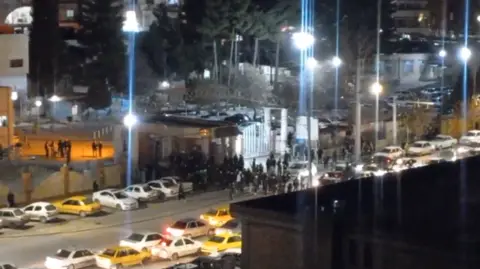
Thousands Attend Graves of Protest Victims and Security Forces On Thursday, Feb. 3, an unprecedented crowd gathered at Tehran’s Behesht‑e Zahra cemetery, visiting newly dug graves of demonstrators killed in the Jan. 8‑10 crackdown and a small section for fallen security personnel [1]. Witnesses reported families bringing sweets, tea, and flowers while avoiding cameras out of fear of further state retaliation [1]. The ceremony took place under limited CNN access granted by Iranian authorities, highlighting both official control and public mourning [1].
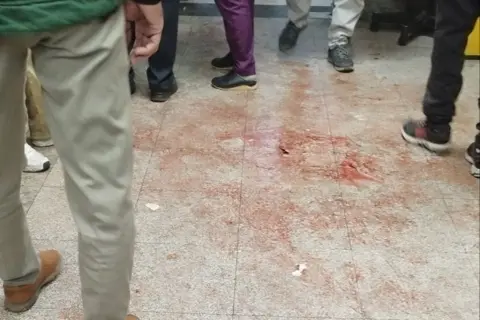
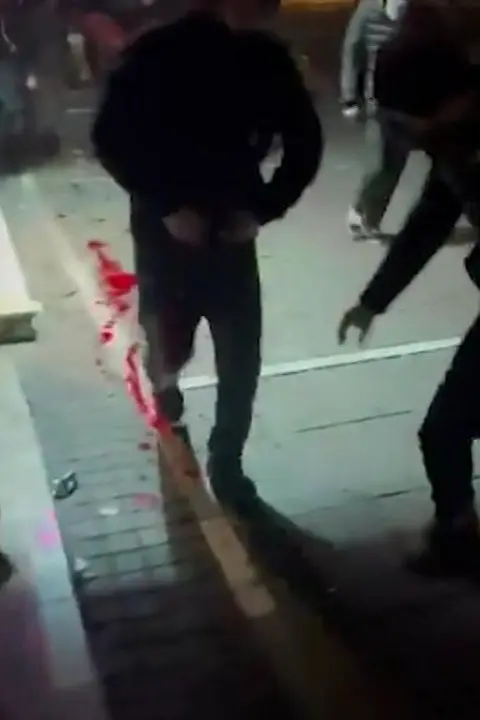
Casualty Numbers Diverge Sharply Between Government and Rights Groups The US‑based Human Rights Activists News Agency (HRANA) documented 6,301 deaths—including 5,925 protesters, 112 children, and 214 regime affiliates—plus over 11,000 serious injuries during the month‑long unrest [2]. Iran’s health ministry, however, claimed roughly 3,100 deaths, mostly security personnel or bystanders, and reported about 13,000 surgeries performed in response to the unrest [2]. This discrepancy underscores ongoing contestation over the true human cost of the crackdown.
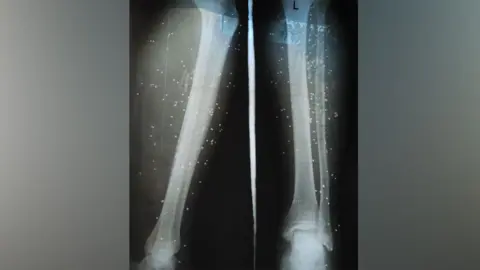
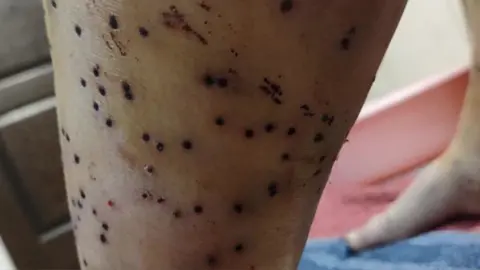
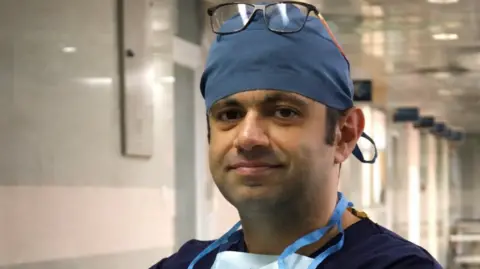
Doctors Conduct Underground Surgeries as Hospitals Face Police Scrutiny Medical volunteers have shifted to private homes after security forces began monitoring hospital records to identify protest‑related injuries [2]. Surgeon Nima worked nonstop for 96 hours after the Jan. 8 attacks, transporting patients in his car and performing amputations despite police checkpoints [2]. At least five doctors and a volunteer responder have been arrested or beaten on “moharebeh” charges, illustrating a broader campaign to intimidate the health sector [2].
Hyper‑Inflation and External Promises Intensify Public Despair Shoppers in Tehran’s Grand Bazaar reported daily price spikes of 20‑30 % and items doubling in cost, fueling the economic grievances that sparked the protests [1]. Many youths cite President Trump’s early‑January social‑media pledges of support for Iranians as a catalyst for the Jan. 8‑10 demonstrations [1]. The convergence of economic hardship, disputed casualty figures, and suppressed medical care continues to drive unrest across Iran.
Sources
-
1.
CNN: Families Gather at Tehran Cemetery Amid Ongoing Grief Over Protester Deaths: Details the massive Feb. 3 gathering at Behesht‑e Zahra, juxtaposing protester and security graves, describing mourners’ rituals, economic hardship, and limited media access .
-
2.
BBC: Iran Protesters Receive Secret Medical Care as Hospitals Become Police Targets: Highlights clandestine home treatment, surgeon Nima’s 96‑hour operation marathon, HRANA’s casualty tally versus official figures, and arrests of medical staff .
Timeline
Dec 28, 2025 – Protests erupt in Tehran’s bazaars over soaring inflation and quickly spread to more than 100 cities, marking the largest sustained challenge to the regime since the 2022 Mahsa Amini uprising[11].
Early Jan 2026 – Supreme Leader Ayatollah Ali Khamenei delivers a televised address warning “the Islamic Republic came to power through the blood of hundreds of thousands and will not back down,” rallying security forces against the demonstrators[6].
Jan 8‑9, 2026 – Exiled heir Reza Pahlavi urges nationwide demonstrations; thousands flood the streets and security forces open fire, producing the deadliest nights of the crackdown, with live‑rounds reported in Karaj for the first time[2][8].
Jan 9, 2026 – Mortuary labels record the date of death for over 100 victims, confirming that Jan 9 is the most lethal night in Tehran as gunfire and screaming echo through the city[3].
Jan 10, 2026 – Surgeon Nima loads a wounded protester into his car’s boot, shows his hospital ID to pass a checkpoint, and then works nonstop for 96 hours without sleep to treat gunshot wounds, later describing the ordeal as “I operate while my eyes burn”[1].
Jan 11, 2026 – Demonstrators report “bodies piled up on each other” inside Tehran hospitals, while HRANA tallies at least 116 protester deaths and 2,638 arrests; U.S. Secretary of State Marco Rubio states, “Washington supports the Iranian people”[11].
Jan 12, 2026 – A makeshift morgue at Kahrizak holds roughly 250 bodies, families scramble to identify loved ones, and the death toll climbs to about 490 protesters in the first 15 days, according to HRANA and CNN; AP relies on HRANA for casualty figures amid an internet blackout[9†10†13].
Jan 14, 2026 – Video footage from inside the Kahrizak Forensic Medical Centre, filmed on Jan 10, shows nearly 200 bodies and the commentator calls the scene “the apocalypse,” underscoring the scale of the massacre[5].
Jan 15, 2026 – Families in Rasht and Tehran are forced to pay 700 million to 1 billion tomans for the release of their loved ones’ bodies, with some relatives breaking into mortuaries to retrieve remains before authorities can intervene[4].
Jan 17, 2026 – Taxi driver Farzat recounts live‑fire rounds targeting civilians in Karaj on Jan 8‑9, saying “bullets hit the belly and genitals,” while his compatriot’s mother spends seven hours searching morgue bags to find her daughter’s body, later fleeing with the corpse to avoid extortion[8].
Jan 21, 2026 – Leaked photos from Kahrizak allow BBC Verify to identify 326 victims, including 18 women, many labeled “John/Jane Doe,” highlighting the enormity of the loss and the difficulty families face in confirming identities[3].
Jan 26, 2026 – Verified videos reveal mass bodies in Tehranpars hospital mortuary, rooftop snipers in Mashhad, and crowds disabling CCTV cameras, while protests continue in 71 towns despite a near‑total internet blackout, with some footage escaping via SpaceX’s Starlink service[2].
Jan 28, 2026 – Medical volunteers treat wounded protesters clandestinely in private homes as security forces monitor hospitals and arrest doctors, including surgeon Dr Alireza Golchini on “moharebeh” charges; HRANA reports 6 301 killings—including 5 925 protesters—and at least 11 000 serious injuries[1].
Feb 3, 2026 – Thousands gather at Tehran’s Behesht‑e Zahra cemetery to mourn protest victims and security personnel, bringing sweets and flowers while fearing retaliation; hyper‑inflation drives daily price spikes, and many attribute the protests to President Trump’s early‑January promises of support for Iranians opposing the regime[7].
Dive deeper (5 sub-stories)
-
CNN: Families Gather at Tehran Cemetery Amid Ongoing Grief Over Protester Deaths
-
Iran Protesters Receive Secret Home Medical Care as Hospitals Targeted by Police
(8 articles)
-
CNN: Iranian taxi driver recounts deadly Karaj crackdown as protests intensify
-
Iranian Families Scramble for Protest Victims’ Bodies Amid Overcrowded Morgues and Payment Demands
(2 articles)
-
AP: AP relies on HRANA for Iran protest death toll as internet cut complicates tally
All related articles (13 articles)
-
CNN: Families Gather at Tehran Cemetery Amid Ongoing Grief Over Protester Deaths
-
BBC: Iran protesters receive secret medical care as hospitals become police targets
-
BBC: Iran videos expose hospital mortuary bodies, rooftop snipers and CCTV sabotage
-
BBC: Leaked photos reveal hundreds killed in Iran crackdown
-
CNN: Iranian taxi driver recounts deadly Karaj crackdown as protests intensify
-
AP: Family of Iranian protester searched for her body in a pile of corpses
-
BBC: Iran protests: families report authorities demand large sums for returning bodies
-
BBC: Tehran mortuary videos reveal brutality of Iran crackdown
-
AP: AP relies on HRANA for Iran protest death toll as internet cut complicates tally
-
CNN: Morgue Overload Highlights Toll of Iran's Crackdown on Dissent
-
CNN: Student, bodybuilder and father of three among those killed in Iran protests
-
CNN: Tehran protesters describe seeing bodies in hospitals as crackdown intensifies
-
BBC: Iranian hospitals overwhelmed as protests expand with dead and injured