Supreme Court Clears California’s Voter‑Approved Map, Paving Way for Five Democratic Seats
Updated (62 articles)
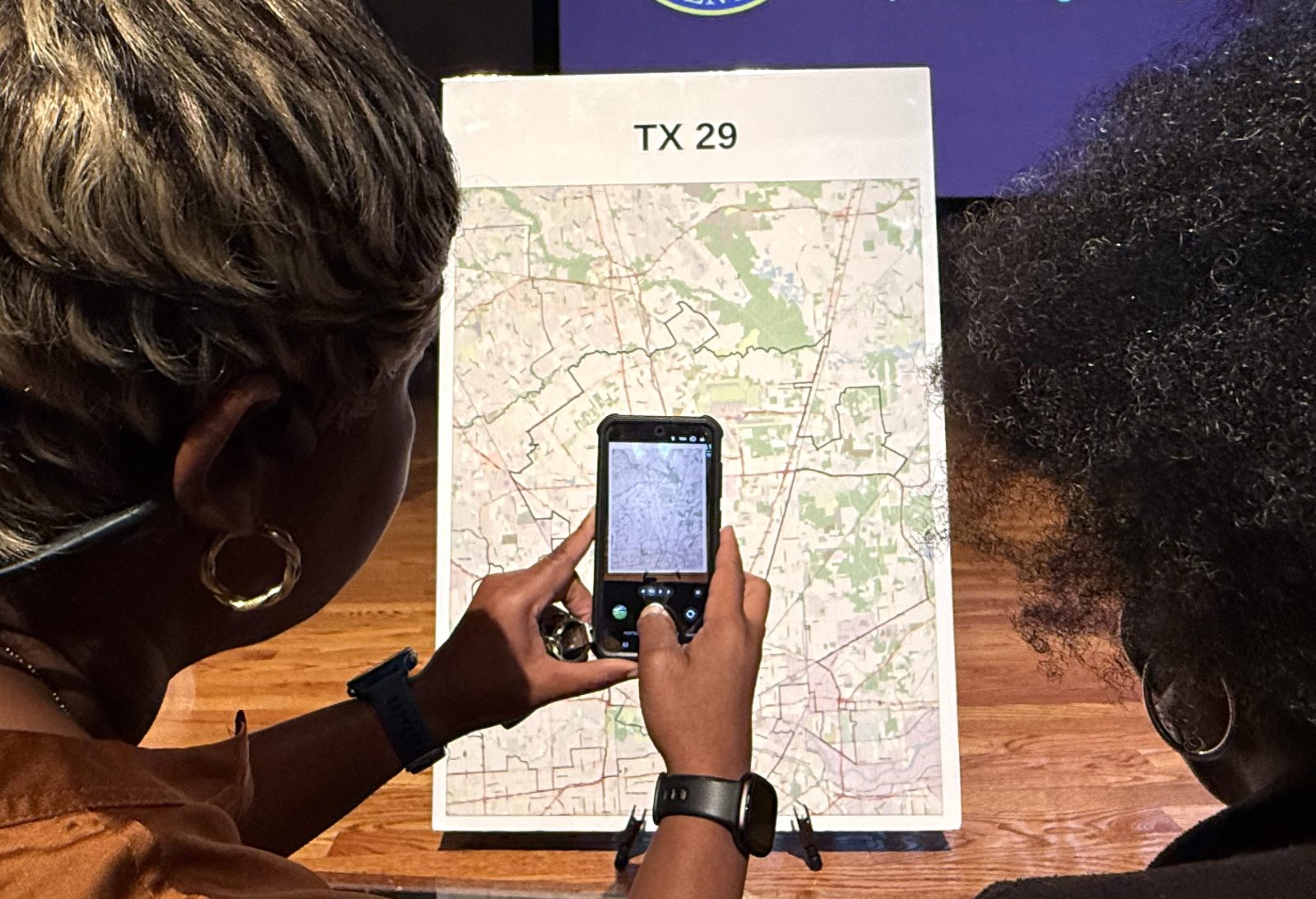


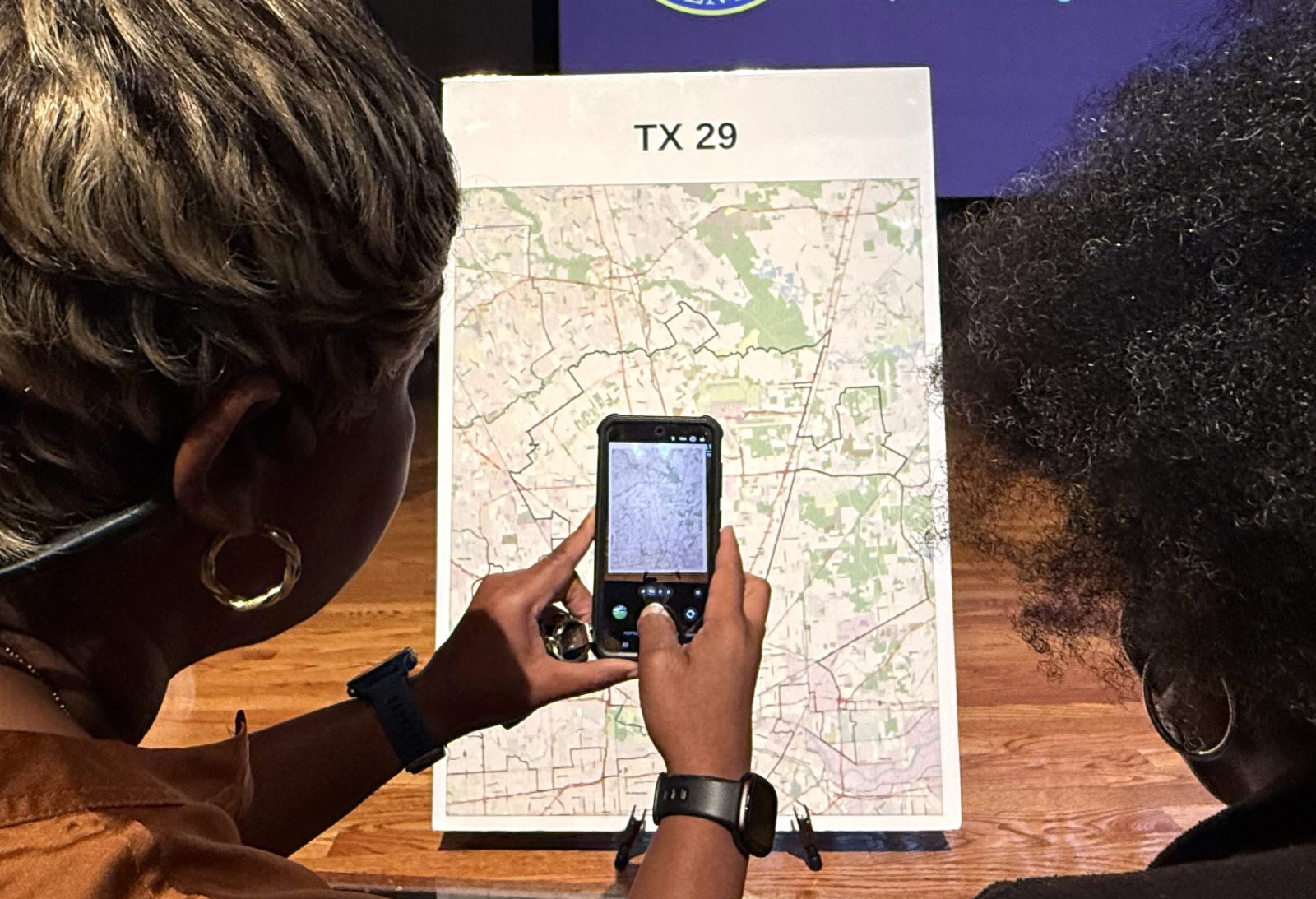
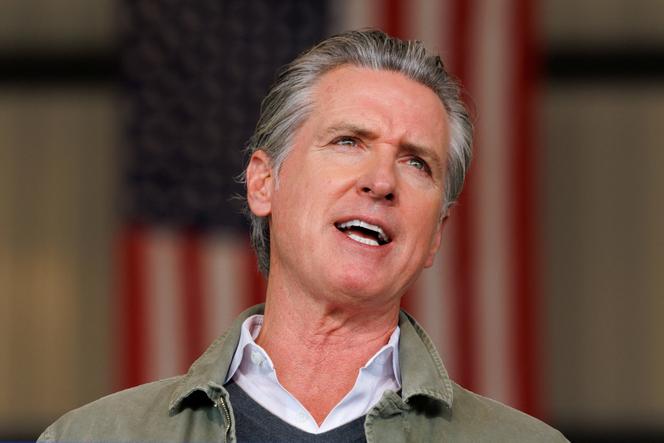
Emergency Order Removes Legal Barrier for New Districts The U.S. Supreme Court issued an unsigned emergency order on Feb 4 2026, rejecting a last‑minute challenge by California Republicans and the Trump administration and allowing the state’s newly drawn congressional map to be used in the 2026 elections [1][2][3][4][5]. The brief order contained no dissenting opinions, reflecting the Court’s typical practice for emergency motions [4]. By clearing the map, the Court removed the final legal obstacle that had stalled candidate filing for the upcoming primaries [3][4].
Voter‑Approved Proposition 50 Creates Five Democratic‑Leaning Districts California voters passed Proposition 50 on Nov 4 2025 with 64 % support, mandating new congressional districts for the 2026, 2028 and 2030 cycles [3][5]. The plan redraws boundaries to add five districts that favor Democrats, potentially turning up to five currently Republican‑held seats and shifting the state’s delegation to 43 Democrats, eight Republicans and one vacancy out of 52 [2][5]. Both the BBC and CNN note that the map’s partisan intent is evident, though lower‑court judges ruled it was not race‑based [2][5].
Political Leaders Trade Blame Over Redistricting War Governor Gavin Newsom used the Court’s decision to accuse former President Trump of “starting this redistricting war” and warned that Trump “lost” and will lose again in November [1][2][3]. Arizona Attorney General Pam Bondi labeled Newsom’s move a “brazen” power grab, while Justice Samuel Alito, in a separate filing, called the California and Texas maps “purely partisan advantage” [2][4]. These statements underscore the heightened partisan rivalry surrounding mid‑decade redistricting.
Legal Context Shows Growing Acceptance of Partisan Maps three‑judge federal panel previously upheld the California map by a 2‑1 vote, finding it legally drawn and not race‑based [3][5]. The Supreme Court’s earlier December 2025 decision to clear a similarly partisan Texas map set a precedent that appears to limit judicial scrutiny of partisan motives [6][7]. Across the country, states such as Missouri, North Carolina and Virginia are also adopting mid‑decade maps that add Republican seats, illustrating a nationwide shift toward strategic redistricting [6].
Filing Deadline Opens Under New Lines, GOP Warns of Shrinking Delegation Candidate filing for California’s 2026 congressional primaries begins on Feb 9, the Monday following the Court’s order [3][4]. Former California GOP executive director Jon Fleishman warned that the new districts will further reduce the already small Republican delegation [3]. The filing window sets the stage for a contested primary season that could determine whether the five targeted seats flip to Democrats.
Sources
-
1.
Le Monde: Supreme Court Clears California’s New Electoral Map Ahead of 2026 Midterms: reports the Feb 4 emergency order, map’s aim for five extra Democratic seats, Newsom’s accusation against Trump, and lack of GOP comment .
-
2.
BBC: Supreme Court Clears Way for California’s New Democratic‑Favored Map: highlights unsigned order, rejected Republican/Trump challenge, referendum results, Newsom’s attack, Bondi’s criticism, and comparison to Texas .
-
3.
Newsweek (1): Supreme Court Clears Way for California’s New Democratic‑Favored Congressional Map: details unsigned order, 64 % Proposition 50 support, potential flip of five seats, Newsom blaming Trump, lower‑court 2‑1 ruling, and Feb 9 filing opening .
-
4.
AP (1): Supreme Court Clears Democratic‑Favored California Map for 2026 Elections: notes unsigned order without dissent, five‑seat flip potential, Justice Alito’s partisan comment, lower‑court split, and Monday primary filing .
-
5.
CNN: Supreme Court Clears California’s New Congressional Map: emphasizes unanimous decision, targeting five GOP seats, racial motive allegation in the 13th district, 64 % voter approval, Alito’s concurrence on partisan advantage, and lower‑court partisan finding .
-
6.
AP (2): States Accelerate Mid‑Decade Redistricting Ahead of 2026 Midterms: places California’s map in a national wave of partisan redistricting, noting Texas adding five GOP seats and similar moves in Missouri, North Carolina and Virginia .
-
7.
Newsweek (2): GOP Redistricting Strategy Questioned After Texas Senate Upset: reports Democrat Taylor Rehmet’s win in Texas Senate District 9, Supreme Court allowing Texas map, and implications for GOP redistricting plans .
-
8.
CNN: Maryland Governor Wes Moore’s Redistricting Push Stalls Amid Senate Opposition: describes Moore’s effort to eliminate Rep. Andy Harris’s seat, Senate President Ferguson’s block, internal vote math, and national Democratic stakes .
-
9.
Newsweek: Utah Governor Expands Supreme Court Amid Redistricting Dispute: details Governor Spencer Cox’s expansion of Utah’s Supreme Court, upcoming appointments, and a pending redistricting appeal that could affect a congressional seat .
Videos (1)
Timeline
2025 – President Donald Trump launches a nationwide mid‑decade redistricting push, urging Republican‑controlled states to redraw congressional lines before the 2026 midterms to protect the party’s narrow House majority[21].
Aug 29, 2025 – Texas Governor Greg Abbott signs a revised congressional map projected to add five Republican seats, becoming the first major GOP‑favored mid‑decade redistricting effort[6].
Sep 28, 2025 – Missouri Governor Mike Kehoe signs a new map that could give Republicans an extra seat, prompting opponents to file a petition for a statewide referendum[6].
Oct 22, 2025 – The North Carolina General Assembly approves revised districts that could add one GOP seat; a federal panel denies a request to block the map for the 2026 elections[6].
Oct 31, 2025 – A bipartisan panel in Virginia adopts revised districts expected to boost Republican representation by two seats, with no legal challenges filed at the time[6].
Nov 4, 2025 – California voters approve Proposition 50, enacting a Democratic‑drawn congressional map designed to flip up to five House seats in the 2026 midterms[6][11].
Dec 4, 2025 – The U.S. Supreme Court grants emergency relief, allowing Texas to use its new map for the 2026 elections and overturning a lower‑court block that deemed the map “racially gerrymandered”[2][26].
Dec 5, 2025 – Both the Texas Supreme Court and the U.S. Supreme Court issue rulings that permit the GOP‑favored Texas map to remain in effect for the 2026 cycle[25][26].
Dec 8, 2025 – The candidate‑filing deadline closes, cementing the new district lines for the upcoming 2026 elections across the states that have adopted mid‑decade maps[6].
Dec 9, 2025 – Missouri opponents submit more than 300,000 signatures seeking a referendum to suspend the newly enacted congressional map[6].
Dec 11, 2025 – The Indiana Senate votes 31‑19 against the Trump‑backed map, preventing a GOP sweep of all nine congressional seats and marking a rare intra‑party break[19][20][24].
Dec 12, 2025 – Reports highlight threats against Indiana senators who opposed the map, underscoring the intensity of the redistricting battle[18][23].
Dec 14, 2025 – Senator Rand Paul warns that “unconstrained gerrymandering could heighten civil tension and potentially lead to violence,” emphasizing the national stakes of partisan map‑making[16][17].
Dec 19, 2025 – A federal judge orders special elections for the Mississippi Supreme Court after a Voting Rights Act finding that the 1987 map dilutes Black voters[14].
Dec 19, 2025 – Missouri’s new map splits the Operation Breakthrough campus along Troost Avenue, reviving historic racial boundaries and prompting criticism of Black‑voter dilution[15].
Dec 23, 2025 – Missouri voters file a lawsuit to suspend the new congressional map pending a referendum, arguing the map violates state constitutional limits[13].
Jan 12, 2026 – Analysts note that Trump’s redistricting push stalls as states like Indiana reject maps, creating uncertainty for the 2026 midterms[12].
Jan 14, 2026 – A three‑judge federal panel in Los Angeles allows California’s voter‑approved map to be used in future elections, opening the door for up to five Democratic gains[11].
Jan 27, 2026 – Virginia Circuit Judge Jack Hurley Jr. declares the Democratic‑led constitutional amendment to redraw congressional districts invalid for violating procedural deadlines, potentially blocking up to four new Democratic seats[5].
Jan 27, 2026 – Virginia Democrats announce they will appeal the ruling and are considering an April 2026 referendum to place the maps before voters[5][9].
Jan 27, 2026 – Republican leaders in Virginia cite strict rule enforcement, while Democrats label the decision a “blatant abuse of power” and accuse Republicans of “court‑shopping”[9][10].
Jan 27, 2026 – The Virginia case is framed as part of the national mid‑decade redistricting wave that began with Texas’s GOP map in 2025[5][9].
Feb 1, 2026 – Utah Governor Spencer Cox expands the state Supreme Court to seven justices, giving him a majority before a pending redistricting appeal that could make a Republican‑held seat competitive[8].
Feb 1, 2026 – Maryland Governor Wes Moore’s bid to redraw the state to eliminate Rep. Andy Harris’s lone Republican seat stalls as Senate President Bill Ferguson blocks the 8‑0 map, warning of legal risk[4].
Feb 3, 2026 – A wave of mid‑decade redistricting accelerates, with Texas, California, Missouri, North Carolina, and Virginia already implementing new congressional maps ahead of the 2026 midterms[6].
Feb 4, 2026 – The U.S. Supreme Court issues an unsigned emergency order clearing California’s new congressional map, allowing Democrats to target five additional House seats in the 2026 elections[1][30].
Feb 4, 2026 – Governor Gavin Newsom attacks former President Trump, saying “Trump lost the redistricting war and will lose again in November,” framing California’s map as retaliation for Texas[1].
Feb 5, 2026 – The Supreme Court’s clearance removes the final legal obstacle, setting the stage for a potential shift from 43 Democratic, eight Republican, and one vacant seat to a more favorable Democratic delegation in California[1][30].
Apr 2026 – Virginia Democrats plan to place revised congressional maps on an April referendum after the Jan 27 court ruling, seeking voter approval despite the legal setback[5][9].
Aug 4, 2026 – Missouri’s primary elections occur after the signature‑verification deadline for the referendum petition, determining whether the contested map will be used in the 2026 race[13].
Nov 2026 – Special elections for the Mississippi Supreme Court are scheduled following the 2025 court order, while the nationwide midterm elections will test the impact of the new maps in Texas, California, Missouri, Virginia, and other battleground states[14][30].
Nov 2026 – A regular election for Texas Senate District 9 is slated, following the Dec 2025 special‑election upset that flipped the seat to Democrat Taylor Rehmet[7].
Dive deeper (12 sub-stories)
-
Supreme Court Grants Emergency Approval to California’s Democratic‑Favored Congressional Map, Enabling Five Potential Seat Gains
(22 articles)
-
Maryland Governor’s Bid to Redraw House Map Stalls as Senate Blocks 8‑0 Plan
(3 articles)
-
Newsweek: Utah Governor Expands Supreme Court Amid Redistricting Dispute
-
Virginia Judge Declares Democratic Redistricting Amendment Invalid, Prompting Appeal
(5 articles)
-
Trump Administration Loses Two Federal Rulings in California Over Redistricting and Voter Data
(2 articles)
-
Trump’s Mid‑Decade Redistricting Drive Faces Setbacks as Indiana Rejects Plan
(18 articles)
-
DeSantis Calls April Special Session to Redraw Florida Congressional Map Ahead of Supreme Court Ruling
(3 articles)
-
CNN: Alito’s court wins dominate, but mood turns testier and public scrutiny grows
-
Missouri Voters File Lawsuit to Suspend New Congressional Map Ahead of Referendum
(3 articles)
-
AP: Judge orders special elections for Mississippi Supreme Court after Voting Rights Act ruling
-
CNN: Missouri redistricting could reopen Kansas City's Troost divide.
-
Issa Rejects Texas Relocation, Remains in San Diego After Redistricting Shake‑up
(2 articles)
All related articles (62 articles)
-
Le Monde: Supreme Court Clears California’s New Electoral Map Ahead of 2026 Midterms
-
BBC: Supreme Court Clears Way for California’s New Democratic‑Favored Map
-
Newsweek: Supreme Court Clears Way for California’s New Democratic‑Favored Congressional Map
-
AP: Supreme Court Clears Democratic‑Favored California Map for 2026 Elections
-
CNN: Supreme Court Clears California’s New Congressional Map
-
AP: States Accelerate Mid‑Decade Redistricting Ahead of 2026 Midterms
-
Newsweek: GOP Redistricting Strategy Questioned After Texas Senate Upset
-
CNN: Maryland Governor Wes Moore’s Redistricting Push Stalls Amid Senate Opposition
-
Newsweek: Utah Governor Expands Supreme Court Amid Redistricting Dispute
-
Newsweek: Virginia Judge Blocks Democratic Redistricting Amendment
-
AP: Virginia Judge Blocks Democratic Redistricting Amendment
-
CNN: Virginia Court Halts Democrats’ Mid‑Decade Redistricting Plan
-
Newsweek: Maryland Redistricting Map Could Wipe Out Republicans’ House Seat
-
CNN: Maryland redistricting commission proposes map targeting GOP Rep. Andy Harris
-
AP: Virginia Senate advances mid-decade redistricting amendment ahead of referendum
-
Newsweek: Trump administration suffers back-to-back legal losses in California over redistricting and voter data
-
CNN: Federal judges allow California to use new Democrat-friendly map ahead of 2026 election
-
AP: Federal panel allows California's voter-approved House map for 2026 midterms
-
AP: Trump's redistricting push stalls at critical juncture
-
AP: DeSantis schedules April special session to redraw Florida congressional map
-
CNN: DeSantis calls April special session to redraw Florida congressional districts
-
AP: Democrats renew worries about Trump interfering in the 2026 midterms as GOP redistricting push unfolds
-
CNN: Alito’s court wins dominate, but mood turns testier and public scrutiny grows
-
AP: Missouri voters sue to suspend new congressional map pending referendum
-
AP: Judge orders special elections for Mississippi Supreme Court after Voting Rights Act ruling
-
CNN: Missouri redistricting could reopen Kansas City's Troost divide.
-
AP: Court hearing begins on California’s new congressional map
-
Newsweek: Rand Paul warns redistricting could heighten civil tension and violence
-
AP: Gerrymandering battles intensify as states redraw maps before 2026 midterms
-
AP: Trump’s Indiana Redistricting Proposal Rejected by State Senate
-
CNN: Democrats Push Redistricting Despite Indiana Republicans Rejecting New Map
-
CNN: Trump Faces Growing Republican Pushback as Indiana Senate Rejects Redistricting, DOJ Fails to Re‑Indict James, and House Votes Against His Order
-
AP: Indiana GOP Rejects Trump‑Backed Redistricting Plan Ahead of 2026 Midterms
-
AP: Indiana Senate Rejects Trump‑Backed Redistricting Plan
-
CNN: Indiana Senate Rejects Trump‑Requested Redistricting, Signaling Party Crack
-
CNN: Indiana Senate Rejects Trump‑Led Redistricting Plan
-
Newsweek: Indiana Senate Rejects Redistricting Plan, Defying Trump
-
CNN: Indiana Senate Rejects Trump‑Backed Redistricting Plan
-
CNN: Trump‑Led Redistricting Effort Faces Legal Challenges in Indiana, Texas, California
-
Newsweek: Trump Issues New Warning to Indiana Republican Over Redistricting
-
AP: Opponents of Trump-backed redistricting in Missouri submit a petition to force a public vote
-
CNN: Opponents of Trump-backed redistricting in Missouri submit a petition to force a public vote
-
AP: Indiana Senate committee advances redistricting measure backed by Trump toward final floor vote
-
CNN: Indiana GOP voters show mixed signals on Trump-backed redistricting
-
AP: Indiana Republicans face threats amid Trump-backed redistricting push in Indiana Senate
-
CNN: Supreme Court Endorses Texas Redistricting, Bolstering California Democrats' Map Defense
-
AP: Indiana House Passes Trump‑Backed Redistricting Map, Senate Set for Decision
-
AP: California Rep. Issa Declines Texas Move, Stays in San Diego Seat
-
Newsweek: Supreme Court Upholds Texas Redistricting Map, Shifting Congressional Landscape
-
AP: Supreme Court Temporarily Allows Texas to Use GOP‑Favored Redistricting Map
-
AP: Supreme Court Allows Texas to Use 2026 Congressional Map Favoring Republicans
-
Newsweek: Texas Supreme Court Allows GOP‑Favored Redistricting Map, Threatening Several Democrats
-
BBC: Supreme Court Clears Texas Redrawn Voting Map for 2026 Midterms
-
Newsweek: Justice Kagan Warns Constitutional Violation Over Texas Redistricting Ruling
-
Newsweek: Supreme Court Allows Texas to Use New Congressional Map in 2026 Elections
-
CNN: Supreme Court permits Texas to use Trump‑backed congressional map for 2026 midterms
-
AP: Florida Begins Redistricting Talks Amid GOP Infighting
-
Newsweek: Virginia Democrats Seek Redistricting to Gain Four Congressional Seats
-
AP: Issa Contemplates Texas Move After California Redistricting
-
AP: Trump‑Driven Redistricting Spurs Nationwide Legal Battles
-
AP: Indiana Senate to Reopen on Dec. 8 as GOP Pushes New Congressional Map
-
Newsweek: Indiana Senator Mike Bohacek Receives Bomb Threats After Breaking With Trump
External resources (31 links)
- https://www.youtube.com/watch?v=4_2vgnLwRRU (cited 1 times)
- https://www.supremecourt.gov/opinions/25pdf/25a608_7khn.pdf (cited 2 times)
- https://bjs.ojp.gov/content/pub/pdf/fjs13st.pdf (cited 1 times)
- https://www.supremecourt.gov/opinions/16pdf/15-1262_db8e.pdf (cited 1 times)
- https://www.supremecourt.gov/opinions/23pdf/22-807_3e04.pdf (cited 1 times)
- https://www.supremecourt.gov/opinions/24pdf/24a1007_22p3.pdf (cited 1 times)
- https://www.supremecourt.gov/oral_arguments/argument_transcripts/2023/22-666_l6h2.pdf (cited 1 times)
- https://www.courtlistener.com/docket/71875910/216/david-tangipa-v-gavin-newsom/ (cited 1 times)
- https://www.law.cornell.edu/supct/pdf/08-205P.ZO (cited 1 times)
- https://edition.cnn.com/2025/12/11/politics/reasons-indiana-senate-republicans-said-no-trump-redistricting (cited 1 times)
- https://www.politico.com/live-updates/2025/12/11/congress/b-00686585 (cited 1 times)
- https://www.politico.com/news/2025/12/09/trump-dasha-burns-interview-europe-immigration-ukraine-00682016 (cited 1 times)
- https://www.wsj.com/opinion/samuel-alito-the-supreme-courts-plain-spoken-defender-precedent-ethics-originalism-5e3e9a7?gaa_at=eafs&gaa_n=AWEtsqeaGcSjYBRfjHKVagb8n4HDSnUdx8zaHYGhJLWUkTxUNoB3xmZG2_LDwHkTZw%3D%3D&gaa_ts=69447b4c&gaa_sig=vFgPOpnjOKkFzN79cboXRLN-N5v9VGxZ3UL8hELL9iSdOjBMP1ifJ2gd1wInPfDM8nkFyufX-3NQelWkGRGmQQ%3D%3D (cited 1 times)
- https://s3.documentcloud.org/documents/26338616/25a608-order.pdf (cited 1 times)
- https://bsky.app/profile/mikeysid.bsky.social (cited 1 times)
- https://x.com/ChuckGrassley/status/1999154682246144409 (cited 1 times)
- https://x.com/DaniellaMicaela (cited 1 times)
- https://x.com/JPenaMelnyk/status/2002093928523440443/photo/1 (cited 1 times)
- https://x.com/NicoleGriffinTV/status/1995601091581649097 (cited 1 times)
- https://x.com/SenLouiseLucas/status/1996717946903634409 (cited 1 times)
- https://x.com/SenLouiseLucas/status/1996721641204715608 (cited 1 times)
- https://x.com/SenLouiseLucas/status/1999282241588121890 (cited 1 times)
- https://x.com/agpambondi/status/1996729831355044296?s=46&t=NjhYIgHEw8Aya49uJVI5Hw (cited 1 times)
- https://x.com/allymutnick/status/1996326127196053586?s=46 (cited 1 times)
- https://x.com/heritage_action/status/1999141506473509071 (cited 1 times)
- https://x.com/thejusticedept/status/1996763717393055933 (cited 1 times)
- https://www.reportforamerica.org/ (cited 2 times)
- https://chicago.suntimes.com/politics/2025/12/09/indiana-redistricting-illinois-pritzker-congressional-map (cited 1 times)
- https://dayfortexas.com/ (cited 1 times)
- https://google.com/search?q=supreme+court+2019+rucho+cnn&rlz=1C1GCCA_en&oq=supreme+court+2019+rucho+cnn+&gs_lcrp=EgZjaHJvbWUyBggAEEUYOTIHCAEQIRigATIHCAIQIRigATIHCAMQIRigATIHCAQQIRigATIHCAUQIRigATIHCAYQIRirAtIBCDQwMDVqMGo0qAIAsAIA&sourceid=chrome&ie=UTF-8 (cited 1 times)
- https://www.aclu.org/press-releases/missouri-voters-challenge-mid-decade-redistricting-effort (cited 1 times)