COTA Extends Fare‑Free Service Through Sunday as Ohio Endures Record Snow and Arctic Cold
Updated (11 articles)
Severe Storm Dumps Up to 16 Inches, Triggers Widespread Level 1 Emergencies
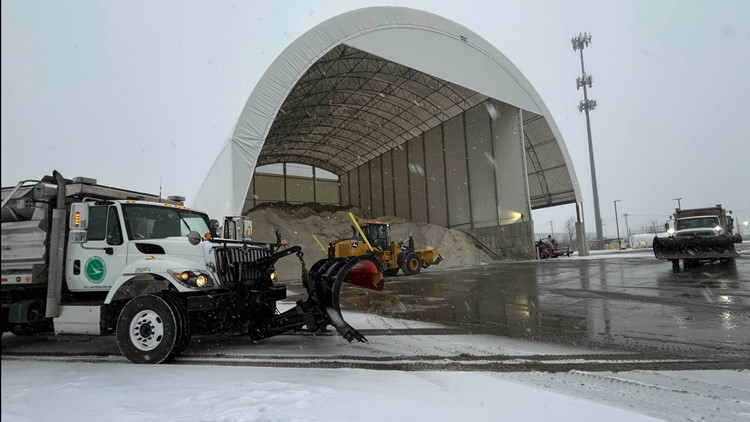
The historic winter storm delivered 10‑16 inches of snow across central Ohio, with some locations recording a maximum of 16 inches, making it the season’s largest event and the fifth‑largest on record for Columbus [1][4]. As of January 30, eleven counties—including Athens, Coshocton, and Vinton—remained under Level 1 snow emergencies, the lowest tier that still warns of hazardous, drifting snow and icy roads [2]. No counties were placed in Level 2 or Level 3 categories, indicating that travel restrictions were limited to essential trips [2]. County sheriffs coordinated with the Ohio Department of Transportation to enforce the emergencies and mobilize plow and salt operations [4].
COTA Keeps Buses Running, Waives All Fares Until Sunday
COTA resumed its regular weekday schedule early Wednesday morning at about 5 a.m. after a brief disruption, maintaining full service despite the snow [1]. The agency announced a fare‑free period covering all fixed‑route buses, the Mainstream paratransit service, and the on‑demand COTA/Plus platform, effective through Sunday [1]. This policy mirrors COTA’s standard practice of suspending fares during extreme cold advisories issued by the National Weather Service [1]. The fare waiver aims to support essential workers and residents facing subzero temperatures and wind chills as low as –20 °F [4][5].
Snow‑Buried Stops Create Safety Hazards for Riders
Deep snow accumulated around transit shelters, forcing riders onto streets and causing slips and falls, such as Susan Dickerson’s incident while alighting a bus [3]. COTA reported that crews logged 1,560 labor hours over three days, clearing roughly 200 stops multiple times, yet municipal plows repeatedly pushed snow back into cleared areas, prolonging the cleanup [3]. The agency advised riders to monitor arrivals via the Transit App, dress warmly, wear bright clothing, and avoid running toward buses [3]. Despite these precautions, safety concerns persisted throughout the emergency period [3].
State Officials Issue Arctic‑Cold Alerts and Health Advisories
Governor Mike DeWine warned Ohioans of an Arctic air mass that would keep temperatures below zero with wind chills reaching –25 °F for the week, prompting an Extreme Cold Warning [5]. The Ohio Emergency Management Agency and State Highway Patrol urged drivers to check tire pressure, battery health, and carry winter‑travel kits, while the Fire Marshal highlighted the fire risk from space heaters [5]. Health officials emphasized the danger of hypothermia, frostbite, and heart attacks, recommending limited outdoor exposure and proper clothing [5]. These statewide alerts complemented local emergency measures, reinforcing the need for safe travel and shelter during the prolonged cold snap [5].
Sources
-
1.
WBNS: COTA Provides Fare‑Free Transit Through Sunday Amid Winter Storm: details COTA’s fare‑free policy, schedule resumption, and snowfall totals up to 16 inches, emphasizing the agency’s response to the cold advisory .
-
2.
WBNS: Central Ohio Snow Emergencies Updated Jan 30 2026: lists eleven counties under Level 1 emergencies, explains emergency level definitions, and notes the absence of Level 2/3 declarations .
-
3.
WBNS: Snow‑Covered Bus Stops Pose Safety Risks for Columbus COTA Riders After Historic Storm: describes rider injuries, extensive cleanup labor, and COTA’s safety guidance for passengers navigating snow‑blocked stops .
-
4.
WBNS: Franklin County Declares Level 1 Snow Emergency Amid Heavy Snow and Subzero Cold: reports the county’s emergency declaration, continued full bus service with fare waivers, and subzero wind‑chill forecasts .
-
5.
WBNS: Ohio Gov. DeWine urges safety measures as Arctic cold grips state: outlines the governor’s cold‑weather warnings, recommended vehicle preparations, fire‑safety cautions, and health risks associated with the Arctic air mass .
Timeline
Dec 2, 2025 – ODOT mobilizes 150 crews across central Ohio to pre‑treat roads and stand by for the first statewide snow event of the season, loading trucks overnight and aiming to restore primary routes within two hours after the storm, citing a 99.3 % success rate last year[11].
Jan 3, 2026 – 10TV lists Coshocton and Washington counties under Level 1 snow emergencies, warning drivers of hazardous, icy roadways while confirming no Level 2 or Level 3 alerts, and pledges ongoing updates via its app[10].
Jan 18, 2026 – COTA announces a fare‑free day on Jan 19‑20 for all fixed‑route, Mainstream, and COTA/Plus services because of a Cold Weather Advisory, noting that Monday operates on a Sunday schedule for Martin Luther King Jr. Day and urging riders to heed sub‑zero wind chills forecasted across the region[9].
Jan 22, 2026 – Ohio sheriffs receive authority to declare snow emergencies, with a three‑level system explained; Maj. Jim Sweat says “declaring a snow emergency requires coordinating with local emergency management, elected officials, deputies, road department, state highway department, and the county engineer’s office”[7].
Jan 22, 2026 – ODOT readies 1,500 trucks and about 3,000 drivers for a major winter storm, warning that single‑digit temperatures will reduce salt effectiveness, while OSHP cautions “unsafe speeds are the most prevalent factor in weather‑related crashes” and urges travelers to stay off the roads[8].
Jan 24, 2026 – Gov. Mike DeWine signs a proclamation declaring a state of emergency ahead of an approaching winter storm, enabling the Department of Administrative Services to waive normal procurement rules and urging residents to stay home unless travel is essential[6].
Jan 25, 2026 – Franklin County declares a Level 1 snow emergency after 10‑16 inches of snow fall, restricting road use to essential travel, while COTA keeps full bus service and waives fares through Tuesday to support essential workers[4].
Jan 27, 2026 – Gov. DeWine urges Ohioans to “protect health and safety” as an Arctic air mass brings sub‑zero temperatures and wind chills down to –25 °F, while the State Highway Patrol advises drivers to check tire pressure, batteries, and carry winter travel kits[5].
Jan 27, 2026 – Franklin County’s Level 1 emergency remains in effect with subzero wind chills forecasted for the week; essential workers such as medical staff and snow‑removal crews are exempt, and sheriffs coordinate closures with ODOT to prioritize plow and salt operations[4].
Jan 29, 2026 – After Columbus experiences its first ever Level 3 snow emergency, snow piles high on bus shelters, forcing riders like Susan Dickerson to slip and step into traffic; a COTA spokesperson notes “digging out will take time because frigid temperatures prevent the snow from melting,” and crews log 1,560 labor hours to clear roughly 200 stops[3].
Jan 30, 2026 – Ten TV updates its central Ohio snow‑emergency page, confirming eleven counties (including Athens, Coshocton, and Franklin) remain at Level 1 with no Level 2 or Level 3 alerts, and reiterates definitions of each level to guide public behavior[1].
Feb 1, 2026 – COTA extends a fare‑free period through Sunday (Feb 2) as an extended Cold Weather Advisory persists; the waiver covers all bus, paratransit, and on‑demand services, and buses resume their regular weekday schedule at 5 a.m. Wednesday after the storm that dumped up to 16 inches of snow, the fifth‑largest on record for Columbus[2].
Dive deeper (4 sub-stories)
-
Columbus Transit Authority Battles Snow‑Clogged Stops After Record‑Breaking Storm
(4 articles)
-
Ohio Braces for Prolonged Arctic Cold After Emergency‑Declared Winter Storm
(2 articles)
-
Ohio Updates Snow Emergency Levels, Level 3 Encompasses Over Thirty Counties
(3 articles)
-
Ohio Prepares for Major Winter Storm as Temperatures Drop Below Freezing
(2 articles)
All related articles (11 articles)
-
WBNS (Columbus, OH): COTA Provides Fare‑Free Transit Through Sunday Amid Winter Storm
-
WBNS (Columbus, OH): Central Ohio Snow Emergencies Updated Jan 30 2026
-
WBNS (Columbus, OH): Snow‑Covered Bus Stops Pose Safety Risks for Columbus COTA Riders After Historic Storm
-
WBNS (Columbus, OH): Franklin County Declares Level 1 Snow Emergency Amid Heavy Snow and Subzero Cold
-
WBNS (Columbus, OH): Ohio Gov. DeWine urges safety measures as Arctic cold grips state
-
WBNS (Columbus, OH): Ohio Governor Declares State of Emergency Ahead of Major Winter Storm
-
WBNS (Columbus, OH): Snow emergencies outlined as Ohio counties prepare for weekend winter storm
-
WBNS (Columbus, OH): ODOT, OSHP urge caution ahead of major winter storm in Ohio
-
WBNS (Columbus, OH): COTA waives fares on Jan. 19 and Jan. 20 amid Franklin County cold advisory
-
WBNS (Columbus, OH): Coshocton and Washington counties under Level 1 snow emergency; no Level 2 or 3 reported
-
WBNS (Columbus, OH): ODOT Mobilizes 150 Crews for First Statewide Snow Event of 2025
External resources (1 links)
- https://tv.10tv.com/ (cited 2 times)