Recovery Delayed as Storm Persists After Deadliest Lake Tahoe Avalanche Claims Eight
Updated (23 articles)
Avalanche Strikes During Early‑Morning Storm The slide hit Castle Peak near Lake Tahoe at 11:30 a.m. PT on Feb 17, 2026, classified as a D2.5 event with a level‑4 avalanche warning active [9][4]. A Sierra Avalanche Center watch issued at 6:49 a.m. was upgraded to a warning just before the party’s departure [6][8]. Fifteen backcountry skiers—four Blackbird Mountain Guides and eleven clients, many linked to Sugar Bowl Academy—were on the three‑day trek [1][2]. The avalanche buried eight bodies, left one skier missing and presumed dead, and rescued six survivors after roughly six hours [1][4][9].
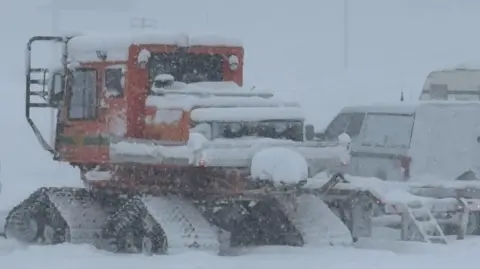
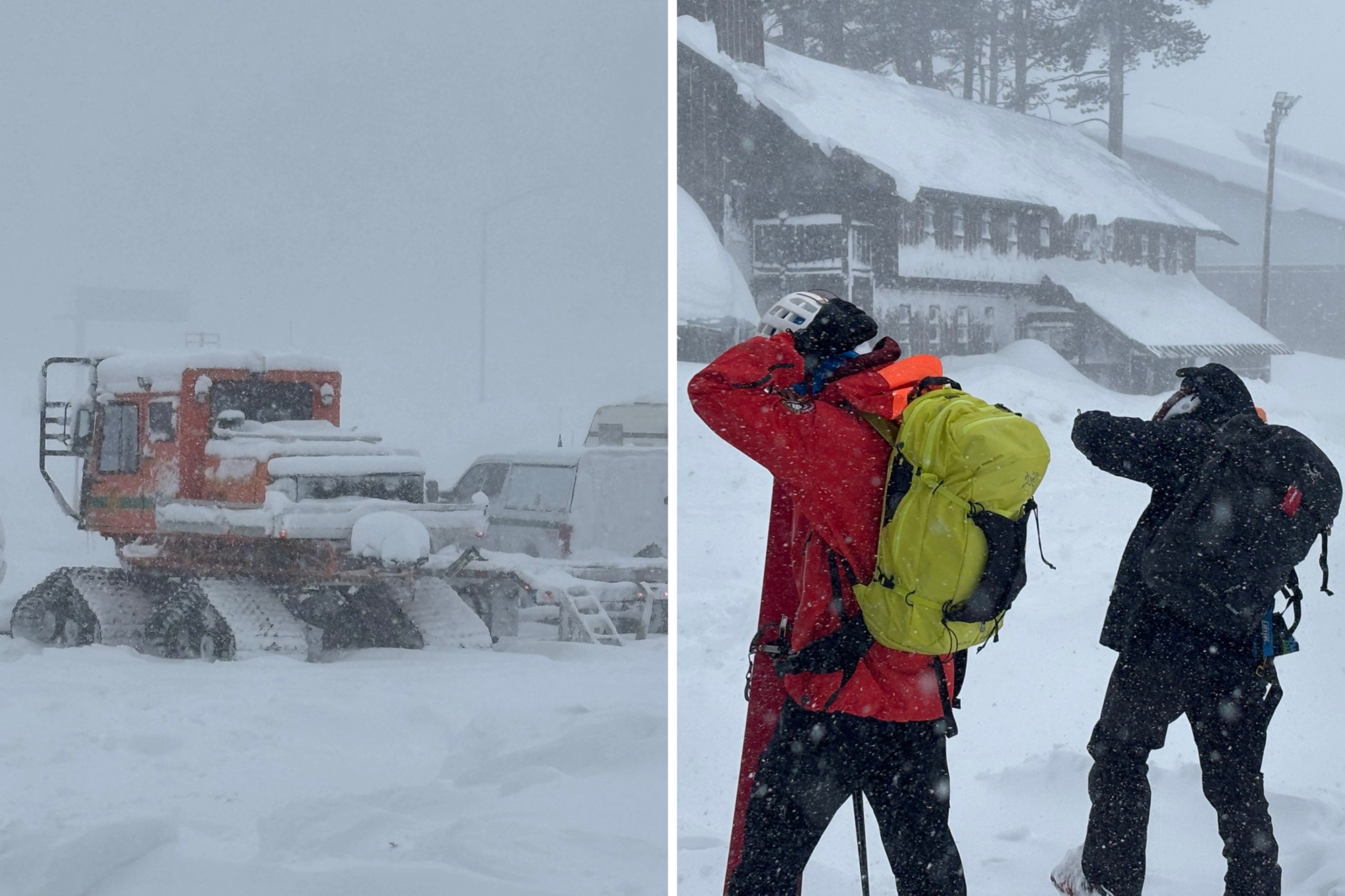
Rescue Teams Deploy Snowcat and Beacon Technology Approximately 50 responders from Nevada and Placer counties arrived, using a snowcat to get within two miles before skiing in [1][4]. Survivors’ emergency beacons, iPhone satellite SOS messages, and a guide’s text alerts guided rescuers to the site [5][9]. Six skiers were located and evacuated, two with injuries; one survivor remains hospitalized [7][10]. The operation faced whiteout conditions and gale‑force winds, limiting visibility and mobility [1][7].
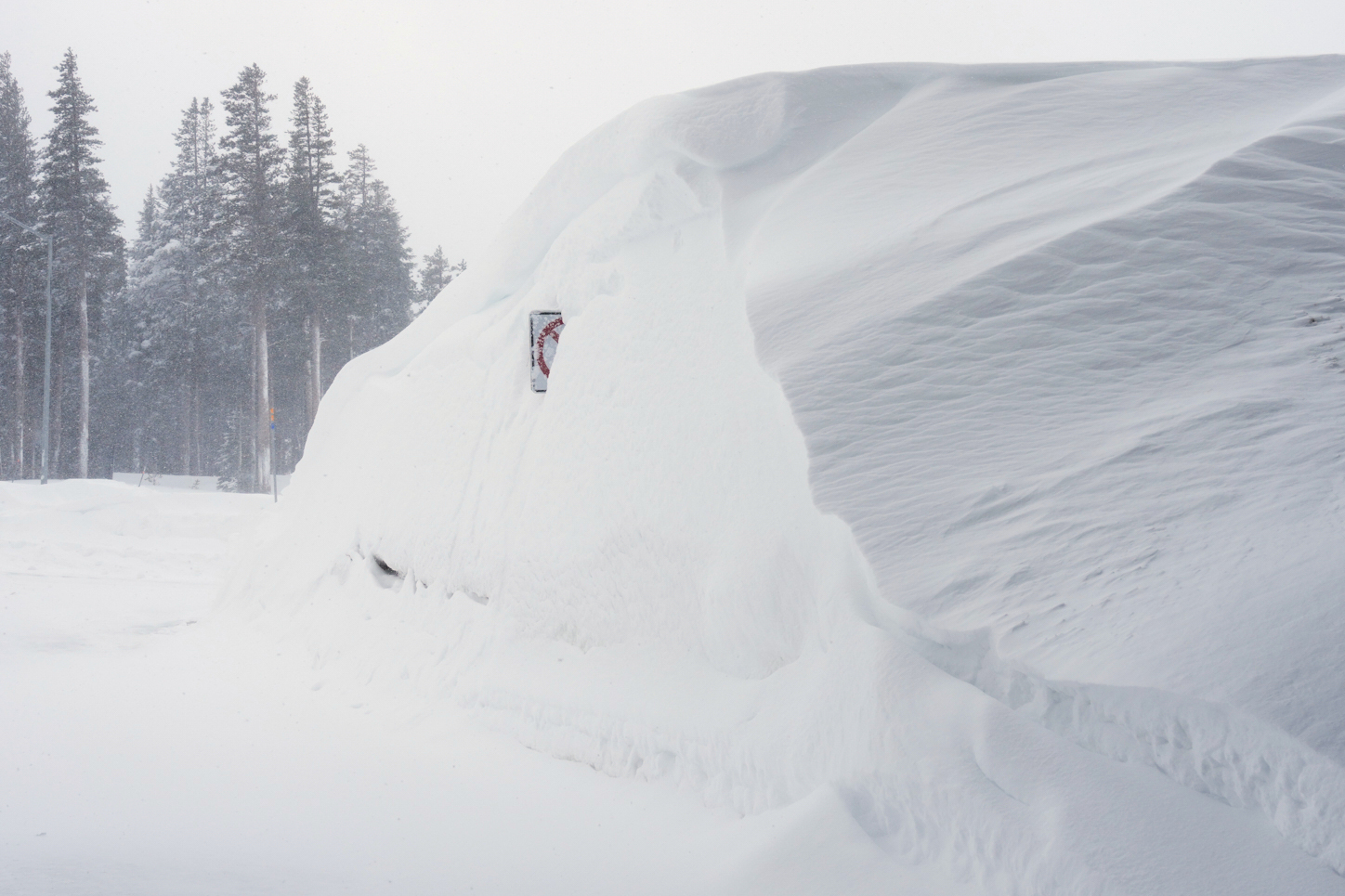
Heavy Snowfall and Gale Winds Stall Recovery “monster” winter storm dumped 3–6 feet of new snow on the area, with forecasts calling for an additional 1–4 feet through Thursday [1][2][10]. Sub‑freezing temperatures and high winds kept avalanche danger elevated, forcing crews to pause body retrieval until conditions improve [1][13]. The Sierra Avalanche Center maintained a high‑danger rating (4/5) through Wednesday, warning of further large slides [13][4]. Officials hope for a brief weather reprieve on Friday‑Saturday before resuming recovery [1].
Investigation Launched and Guides Suspend Operations Blackbird Mountain Guides, whose four guides hold AMGA and AIARE certifications, launched an internal review and suspended all field trips through at least Feb 22 [1][6]. County Sheriff Capt. Russell “Rusty” Greene and Nevada County Sheriff Shannan Moon are investigating why the group proceeded despite the watch and warning [6][7]. Governor Gavin Newsom called the incident a “horrible tragedy” and coordinated an all‑hands SAR effort [9][10]. Community support includes grief counseling from Sugar Bowl Academy and a request for the public to refrain from speculation [1].
Sources
-
1.
CNN: Deadly Lake Tahoe Avalanche Halts Body Recovery Amid Ongoing Storm: Details the eight deaths, ongoing storm, rescue challenges, guide certifications, and operation suspension .
-
2.
AP: Deadly Sierra Nevada Avalanche Claims Eight, Leaves One Missing: Highlights the group’s ties to Sugar Bowl Academy, beacon use, and uncertainty about avalanche airbags .
-
3.
King5 (Seattle, WA): California avalanche kills eight, prompts Washington safety warning: Connects the tragedy to broader Pacific Northwest safety alerts and includes a Washington father’s perspective .
-
4.
AP: Deadly Lake Tahoe Avalanche Claims Eight, Leaves One Missing: Provides timeline of watch to warning, storm impact, and rescue tactics using snowcat and beacons .
-
5.
BBC: Avalanche Strikes Backcountry Ski Group in Truckee, California: Reports nine fatalities (seven women, two men), a rescuer’s spouse among victims, and the use of ski‑resort resources .
-
6.
AP: Avalanche kills eight backcountry skiers on California’s Sierra Nevada: Focuses on the investigation of guide awareness of warnings and the tour’s required experience level .
-
7.
WBNS (Columbus, OH): Eight Skier Deaths and One Missing After Deadliest U.S. Avalanche in Nearly 50 Years: Emphasizes historical context and the sheriff’s investigation of the watch‑warning compliance .
-
8.
King5 (Seattle, WA): Eight skiers killed, one still missing after California avalanche: Mirrors AP details, adds sheriff’s quote on rapid overtaking and recovery delays .
-
9.
CNN: Deadliest California Avalanche Claims Eight Lives, Leaves One Missing: Adds avalanche rating D2.5, governor’s statement, and guide’s Facebook warning about weak layer .
-
10.
BBC: Eight Dead and One Missing After Lake Tahoe Avalanche: Notes road closures, victim demographics, and a spouse of a rescuer among the dead .
-
11.
AP: Eight Skier Deaths Mark One of U.S. Deadliest Avalanches: Places the event among historic U.S. avalanches, providing broader historical comparison .
-
12.
Newsweek: Eight Killed in Sierra Nevada Avalanche as Rescue Turns to Recovery: Describes transition to recovery, specialized responder deployment, and survivor SOS communications .
-
13.
BBC: Nine Missing After Lake Tahoe Avalanche, Rescue Effort Ongoing: Reports early count of nine missing, later corrected to one, and high‑danger forecast .
-
14.
Newsweek: Search Ongoing for Missing Backcountry Skiers After California Avalanche: Highlights initial 16‑person count, later 15, and ongoing high‑danger warning .
Timeline
April 1898 – Roughly 65 people die in a series of snow‑slide accidents on the Chilkoot Trail during the Klondike Gold Rush, marking one of the deadliest early‑era avalanche disasters in North America [16].
Early 1900s – A massive snow‑wall collapse forces two Great Northern passenger trains into a gorge, killing 96 people and illustrating the historic lethality of avalanche‑related rail accidents [16].
1981 – An ice avalanche on Ingraham Glacier in Washington kills ten climbers and their guide, remaining the deadliest U.S. mountaineering avalanche before the 2026 Lake Tahoe event [16].
Dec 27 2025 – Four hikers (three men, one woman) are found dead after an avalanche sweeps them from a steep slope near Korakas peak in Greece’s Vardousia Mountains; rescue teams struggle with low visibility and extreme cold [5].
Dec 29 2025 – Cole Murphy, a 30‑year‑old ski patroller, dies from injuries sustained during avalanche mitigation work on Lincoln Mountain at Mammoth Mountain, prompting a day‑long resort closure [12].
Jan 11 2026 – A backcountry avalanche southwest of Leavenworth, Washington, carries four skiers; two men are confirmed dead while two survive after rescue teams pull them from the slide [23].
Jan 12 2026 – Two men are identified as victims of the Longs Pass avalanche (Paul Markoff, 38, and Erik Henne, 43); two other skiers survive using a Garmin satellite device to call for help [22].
Jan 17 2026 – Five skiers die in two separate avalanches in Austria’s Salzburg region: four fatalities and two injuries in the Gastein Valley, plus a female skier killed in Bad Hofgastein [8].
Jan 17 2026 – Eight people are killed in Austrian avalanches in Pongau and Pusterwald, including four deaths near Finsterkopf and three Czech skiers buried in Pusterwald; rescue chiefs stress the ongoing danger [4].
Jan 18 2026 – Three avalanches across Austria kill eight skiers (a female skier in Bad Hofgastein, four in the Gastein Valley, and three Czech tourists in Pusterwald); officials cite heavy snowfall and repeated warnings [11].
Jan 31 2026 – Seven skiers rescued after a sub‑zero storm near Aspen forces them onto an exposed ridge; all suffer frostbite and one requires medical evacuation, while volunteer rescuers provide fire and warmth [21].
Feb 17 2026 (11:30 a.m.) – A D2.5 “football‑field‑sized” avalanche strikes the Castle Peak backcountry near Truckee, burying a 15‑person guided group; the Sierra Avalanche Center had issued a watch at 6:49 a.m. and upgraded it to a warning hours before departure [10][15].
Feb 17 2026 (≈6 h later) – Six skiers sheltering in tents are rescued after six hours in a blizzard; eight bodies are later recovered and a ninth skier remains missing, making the slide California’s deadliest avalanche and the deadliest U.S. event since 1981 [14][15][18][20].
Feb 18 2026 – Nevada County Sheriff Shannan Moon announces the operation shifts to recovery for the eight victims, while extreme weather forces crews to halt body retrieval and keep the slope inaccessible [9][6].
Feb 18 2026 – Governor Gavin Newsom calls the disaster a “horrible tragedy” on X, underscoring the statewide impact of the avalanche [7].
Feb 18 2026 – Blackbird Mountain Guides suspends all field trips through at least Feb 22 and begins an internal investigation into its safety protocols [6][13].
Feb 18 2026 – The Sierra Avalanche Center warns that large avalanches may continue through Wednesday, urging the public to avoid backcountry terrain [3].
Feb 18 2026 – Forecasts predict an additional 1–4 feet of snow Wednesday night‑Thursday, further destabilizing the snowpack and delaying recovery efforts [6].
Feb 19 2026 – Sheriff Capt. Russell “Rusty” Greene recounts a witness shouting “Avalanche!” as the slide overtook the party, confirming the rapid onset of the event [20].
Feb 19 2026 – Washington father Jasper Boas says the Lake Tahoe tragedy reinforces his safety focus for his children, noting that “avalanches happen, and even the most seasoned veterans… can get caught up in that” [19].
Feb 19 2026 – Northwest Avalanche Center forecaster Dallas Glass warns that a heavy‑snow system expected next week could raise Cascades danger, urging travelers to check nightly forecasts [19].
Feb 19 2026 – Blackbird Mountain Guides announces a pause on all guided trips while supporting victims’ families and reviewing avalanche‑bag usage, noting that survivors used beacons but the presence of airbags remains unclear [13].
Feb 19 2026 (future) – Officials hope a brief weather reprieve on Friday‑Saturday will allow limited body recovery, though additional storms could prolong the high‑danger period [6].
Dive deeper (7 sub-stories)
-
Eight Dead, One Missing After Lake Tahoe Avalanche; Recovery Delayed by Ongoing Storm
(13 articles)
-
AP: Eight Skier Deaths Mark One of U.S. Deadliest Avalanches
-
King5 (Seattle, WA): Backcountry Skiers Rescued After Subzero Storm Near Aspen
-
Eight Skiers Killed in Three Austrian Avalanches After Repeated Warnings
(4 articles)
-
Two Avalanche Victims Identified After Longs Pass Slide, Survivors Rescued
(2 articles)
-
Newsweek: Ski Patroller Dies From Mammoth Avalanche During Mitigation Work
-
BBC: Four hikers found dead after avalanche in central Greece
All related articles (23 articles)
-
CNN: Deadly Lake Tahoe Avalanche Halts Body Recovery Amid Ongoing Storm
-
AP: Deadly Sierra Nevada Avalanche Claims Eight, Leaves One Missing
-
King5 (Seattle, WA): California avalanche kills eight, prompts Washington safety warning
-
AP: Deadly Lake Tahoe Avalanche Claims Eight, Leaves One Missing
-
BBC: Avalanche Strikes Backcountry Ski Group in Truckee, California
-
AP: Avalanche kills eight backcountry skiers on California’s Sierra Nevada
-
WBNS (Columbus, OH): Eight Skier Deaths and One Missing After Deadliest U.S. Avalanche in Nearly 50 Years
-
King5 (Seattle, WA): Eight skiers killed, one still missing after California avalanche
-
CNN: Deadliest California Avalanche Claims Eight Lives, Leaves One Missing
-
BBC: Eight Dead and One Missing After Lake Tahoe Avalanche
-
AP: Eight Skier Deaths Mark One of U.S. Deadliest Avalanches
-
Newsweek: Eight Killed in Sierra Nevada Avalanche as Rescue Turns to Recovery
-
BBC: Nine Missing After Lake Tahoe Avalanche, Rescue Effort Ongoing
-
Newsweek: Search Ongoing for Missing Backcountry Skiers After California Avalanche
-
King5 (Seattle, WA): Backcountry Skiers Rescued After Subzero Storm Near Aspen
-
Newsweek: Three avalanches kill eight skiers in Austria after repeated warnings
-
BBC: Eight die in Austrian avalanches in Pongau and Pusterwald, rescuers say
-
AP: Eight skiers killed in three avalanches across Austria
-
CNN: Five skiers killed in two avalanches in Austria's Salzburg region
-
King5 (Seattle, WA): Two avalanche victims identified near Longs Pass; survivors rescued
-
King5 (Seattle, WA): Avalanche southwest of Leavenworth kills 2
-
Newsweek: Ski Patroller Dies From Mammoth Avalanche During Mitigation Work
-
BBC: Four hikers found dead after avalanche in central Greece
External resources (13 links)
- https://avalanche.state.co.us/accidents/us (cited 1 times)
- https://forecast.weather.gov/showsigwx.php?warnzone=CAZ072&warncounty=CAC017&firewxzone=CAZ272&local_place1=South%20Lake%20Tahoe%20CA&product1=Avalanche+Warning&lat=38.9416&lon=-119.9772 (cited 1 times)
- https://nwac.us/ (cited 1 times)
- https://www.facebook.com/reel/1268885675121451 (cited 1 times)
- https://www.facebook.com/reel/896103729865191 (cited 1 times)
- https://x.com/CAgovernor/status/2024206111990226985?s=20 (cited 1 times)
- https://avalanche.org/avalanche-encyclopedia/avalanche/ (cited 3 times)
- https://avalanche.org/avalanche-accidents/#/report/4187d5a2-dbbc-437d-8ac8-8c5dd4d0b1f9 (cited 1 times)
- https://blackbirdguides.com/pages/live-incident-updates (cited 1 times)
- https://blackbirdguides.com/products/frog-lake-huts-private-guiding?variant=49391266070827 (cited 1 times)
- https://utahavalanchecenter.org/education/faq (cited 1 times)
- https://www.google.com/url?sa=t&rct=j&q=&esrc=s&source=web&cd=&cad=rja&uact=8&ved=2ahUKEwiLk4q80-GSAxX-6ckDHTx8NnsQFnoECBYQAQ&url=https%3A%2F%2Fwww.sierraavalanchecenter.org%2F&usg=AOvVaw0TF2aAxE6dEgFqRvVtvdnS&opi=89978449 (cited 1 times)
- https://www.truckeedonnerlandtrust.org/frog-lake-huts (cited 1 times)