Iran’s Supreme Leader Warns U.S. of War While Protester Soltani Released on Bail
Updated (130 articles)
Economic Collapse Ignites Nationwide Protests The rial fell to a record 1.42 million per dollar in late December, sparking anti‑government demonstrations that spread across Iran in early January, with activists estimating over 6,000 protesters killed and thousands more arrested[4][1].
Security Forces Deploy Deadliest Crackdown Since 1979 Revolutionary Guard and Basij units used tear gas, pellet guns, and paintball‑type projectiles; internet services were shut down for weeks, forcing activists to rely on Starlink satellite links, while hospitals reported mass casualties and seizure of wards[4][1].
Khamenei Issues Direct Threat to U.S. Military Action The 86‑year‑old Supreme Leader warned President Donald Trump that an American strike would trigger a regional war, even as Iran re‑entered nuclear negotiations under pressure from Turkey, Egypt, Oman, Pakistan, Qatar, Saudi Arabia and the UAE[1][1].
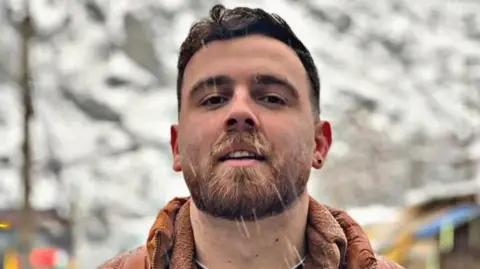
Erfan Soltani’s Arrest, Death‑Sentence Rumors, and Bail Release The 26‑year‑old clothing‑shop owner was detained on 8 January in Fardis on charges of “assembly and collusion” and “propaganda”; initial reports claimed a rapid death sentence, which the judiciary later denied, and he was freed on bail of two billion tomans after international advocacy[3][2].
U.S. and Iranian Leaders Exchange Threats and Assurances President Trump said he had “good authority” that Tehran would not execute Soltani and warned of “very strong action” if executions continued, while Khamenei accused the United States of encouraging the protests and promised retaliation against any attack[2][3].
Sources
-
1.
AP: Iran’s Supreme Leader Seeks to Defuse U.S. Threat Amid Brutal Protest Crackdown: Details Khamenei’s war warning, renewed nuclear talks, and the internal power balance of the Revolutionary Guard.
-
2.
CNN: Iranian protester Erfan Soltani freed on bail after execution fears: Focuses on Soltani’s arrest, U.S. concerns about his execution, and his subsequent bail release following global pressure.
-
3.
BBC: Iranian protester Erfan Soltani freed on bail after death‑sentence claims: Highlights the conflicting reports on Soltani’s death sentence, the judiciary’s denial, and the role of human‑rights groups in tracking the case.
-
4.
AP: Iran’s January 2026 protests: hope, crackdown and a deadly toll: Provides a timeline of the protests sparked by inflation, the scale of the security crackdown, and the unprecedented death toll reported by activists.
Timeline
Dec 31, 2025 – Protests ignite in Tehran’s Grand Bazaar over a plunging rial and spread to Karaj, Hamedan, Qeshm, Isfahan, Kermanshah, Shiraz and Yazd, marking the largest unrest since the 2022 Mahsa Amini uprising; police deploy tear‑gas and slogans such as “death to the dictator” echo across cities, while the UN reinstates nuclear‑program sanctions and President Masoud Pezeshkian signals willingness to dialogue with demonstrators [25].
Jan 2, 2026 – At least seven people are killed as demonstrations move into rural provinces, including three deaths in Azna and a Basij volunteer slain in Kouhdasht; the rial trades near 1.4 million per USD, and the government declares a limited public holiday while hinting at talks with protesters [24].
Jan 4, 2026 – Supreme Leader Ayatollah Ali Khamenei declares “rioters must be put in their place,” separating them from legitimate protesters and blaming foreign powers for the crisis; the death toll rises to 15 as clashes hit over 170 locations, and Iran announces it has stopped uranium enrichment to signal openness to nuclear negotiations [30].
Jan 5, 2026 – Protests expand to 26 provinces, with HRANA confirming 19 dead and 51 injured; President Donald Trump warns Iran will be “hit very hard” if killings continue, while Parliament Speaker Mohammad Baqer Qalibaf urges the regime to heed grievances and warns against foreign interference [23]; simultaneously, HRANA reports 19 civilians killed and 1 security member dead in the second week, and Trump repeats his threat of strong action [22].
Jan 6, 2026 – Khamenei signals approval for a hard crackdown, stating “rioters must be put in their place,” and intelligence reports reveal a contingency plan to evacuate him and ~20 aides to Moscow if unrest spirals; Trump warns Iran it will be “hit very hard” and cites the regime’s “very strong options,” while severe economic hardship and a water crisis fuel the protests [21].
Jan 8, 2026 – Violence spreads to 111 cities and towns across all 31 provinces; HRANA counts 34 protesters and 4 security personnel killed, two police officers die in Lordegan, and the government announces a new monthly cash allowance to ease the cost of living, while analysts note the unrest is the broadest since the 2022 Mahsa Amini protests [20].
Jan 9, 2026 – Authorities impose a nationwide internet blackout affecting ~85 million people, cutting international calls and online access as Crown Prince Reza Pahlavi urges Iranians to demonstrate; protests erupt in over 100 cities, with markets closing and chants for the exiled prince heard nationwide; Khamenei later frames the demonstrations as “trying to please Donald Trump,” reinforcing the regime’s narrative of foreign‑backed agitation [18, 19, 28, 29].
Jan 10, 2026 – The anti‑government movement reaches its two‑week mark, with HRANA tallying 72 dead and 2,300 arrested; state television claims control while Khamenei signals a tougher stance and the attorney general warns that protesters face the death penalty as “enemies of God”; Trump publicly offers support for the demonstrators, and several airlines suspend flights to Iran amid security concerns [27].
Jan 11, 2026 – Activists report the death toll climbing to 544 (496 protesters, 48 security forces) and detentions exceeding 10,600; Parliament Speaker Qalibaf warns Iran will target U.S. bases if attacked, prompting Trump to vow an unprecedented strike in retaliation; Pope Leo XIV calls for dialogue and the UN Secretary‑General expresses shock, urging maximum restraint and restoration of communications [26]; meanwhile HRANA notes 78 deaths, 185 cities affected, and a 48‑hour internet outage, while U.S. leaders pledge continued backing for the protesters [16]; Iran’s parliament also warns U.S. and Israeli forces would be legitimate targets if struck [15].
Jan 12, 2026 – Security forces open fire with Kalashnikov‑style rifles in multiple southern cities, while protests swell after Reza Pahlavi’s call, drawing thousands of participants; Khamenei vows the regime “will not back down,” and authorities blame the United States and Israel for fomenting the unrest; hospitals are overwhelmed with gun and pellet‑gun injuries, and HRANA records nearly 500 protesters and 48 security personnel killed across 186 cities [13, 14].
Jan 13, 2026 – A currency collapse triggers nationwide protests that surpass 2,000 deaths; Trump threatens military strikes and imposes 25 % tariffs on countries trading with Iran, while exiled Crown Prince Pahlavi outlines a 100‑day interim plan for a transitional government following the 2025 Israeli strikes on Iranian targets [12, 17]; a Canadian woman posts a video burning Khamenei’s portrait, and author J.K. Rowling publicly supports the demonstrators, highlighting the movement’s cultural resonance [12].
Jan 14, 2026 – HRANA reports the death toll exceeds 2,500 (2,571 confirmed) with 2,403 protesters killed; state TV for the first time acknowledges “martyrs,” and graffiti calling for Khamenei’s death appears in Tehran; Trump claims killings are “stopping” and that there is no plan for executions, while Iran signals fast‑track trials and possible executions for detained protesters, prompting U.S. personnel evacuations from a Qatar base [10, 8]; BBC Persian notes uncertainty over the execution of protester Erfan Soltani, and HRANA’s tally reaches 2,571 deaths, underscoring divergent casualty figures [9].
Jan 15, 2026 – (No specific events reported in the source material.)
Jan 16, 2026 – Exiled Crown Prince Reza Pahlavi urges the international community to back the Iranian protests, calls for a “surgical strike” on IRGC leadership, presses for economic pressure, expulsion of Iranian diplomats, release of political prisoners, and deployment of satellite internet to bypass the blackout; HRANA estimates over 2,600 killed and 19,000 arrested, while Pahlavi pledges to return and proposes a new constitution separating religion from state [5].
Jan 17, 2026 – Supreme Leader Khamenei publicly acknowledges that “thousands” have been killed in the protests, describing some deaths as “inhuman and savage” and blaming the United States; HRANA’s estimate rises to about 3,090 deaths with internet connectivity reduced to roughly 2 % of normal levels; Trump urges continued protests and threatens military action, while the U.S. withdraws some personnel from Qatar’s Al‑Udeid base as a precaution [4].
Jan 18, 2026 – Khamenei brands Trump a “criminal” and accuses the United States of backing the demonstrators, while the crackdown toll reaches 3,308 according to rights groups; Trump calls for regime change, labeling Khamenei a “sick man,” yet the day before he appears conciliatory about reported cancellations of mass hangings [7].
Jan 23, 2026 – Security forces tear‑gas, line up, and fire birdshot on crowds in Isfahan, leaving streets blood‑stained; Khamenei vows a relentless crackdown and the Revolutionary Guard texts citizens to avoid gatherings, labeling protesters “terrorist mercenaries”; protests continue at night in smaller groups, hospitals treat hundreds of eye‑injury patients, and HRANA logs thousands of deaths despite official under‑reporting [3].
Jan 27, 2026 – The case of 26‑year‑old protester Erfan Soltani draws international attention: he was arrested on 8 January and reportedly faced a death sentence within days, but the judiciary later denies capital charges, claiming only security‑related prison terms; Kurdish rights group Hengaw says the execution was postponed, not cancelled, and his family receives his belongings [1].
Jan 28, 2026 – Anti‑government protests that began on 28 December over worsening economics evolve into one of the deadliest crackdowns in Iran’s history; HRANA verifies 6,159 killings (including 5,804 protesters) and continues probing 17,000 reported deaths, while security forces use live fire on 8‑9 January and force families to pay ≈ 1 billion tomans for bodies or reclassify the dead as Basij martyrs; a near‑total internet and phone blackout hampers information flow [2].
Feb 1, 2026 – Erfan Soltani is released on bail after posting a 2 billion‑toman (≈ $12,600) bond; his lawyer confirms the return of his cellphone and belongings, while the judiciary maintains that he faces only prison terms, not a death sentence, and Hengaw reiterates that the execution was merely postponed [1].
Feb 4, 2026 – Khamenei warns that a U.S. strike would trigger a regional war while allowing Iran back into nuclear negotiations, reversing his earlier refusal; he reiterates that “rioters must be put in their place,” authorizing harsh repression that activists estimate has caused > 6,700 deaths (officials cite 3,117); the Revolutionary Guard remains his dominant power base, a council of Shiite clerics prepares to select his successor, and regional mediators arrange nuclear talks despite U.S. demands for a halt to enrichment [6].
Dive deeper (18 sub-stories)
-
Iran’s Supreme Leader Warns U.S. Strike, Opens Nuclear Talks Amid Deadly Protest Crackdown
(57 articles)
-
Iran Releases Protester Erfan Soltani on Bail After Execution Rumors
(6 articles)
-
Iran’s Jan 8 Mass Rally Triggers Deadliest Post‑Revolution Crackdown, Thousands Killed
(3 articles)
-
Newsweek: Meta Limits Instagram Follower Visibility for Iranian Users
-
Trump’s Pledge to Aid Iranian Protesters Prompts Crown Prince’s Call for Regime Collapse
(2 articles)
-
Iranian Prosecutor Rejects Trump’s 800‑Prisoner Execution Halt Claim Amid Rising Tensions
(14 articles)
-
Iranian Security Forces Use Live Fire in Isfahan Protest Crackdown, Hospitals Overrun
(10 articles)
-
Newsweek: Diaspora Iranians describe ongoing crackdown as protests persist
-
Hackers Hijack Iran TV, Death Toll Tops 4,000, US Carrier Moves Toward Region
(17 articles)
-
AP: Thousands rally peacefully in California in support of protesters in Iran
-
Iran’s Supreme Leader Hides Amid Escalating Nationwide Protests and Economic Collapse
(2 articles)
-
Newsweek: Iranian state TV warns Trump with bullet won’t miss as protests widen
-
CNN: Iran expands high-tech playbook to crush protests
-
Iran’s Nationwide Protests Quelled After Brutal Crackdown Following Reimposed UN Sanctions
(4 articles)
-
Iran’s Second‑Week Uprising Sees PMOI Call for Democracy, 116 Dead
(2 articles)
-
Iran Protests Reach 111 Cities, Death Toll Rises Amid Economic Collapse
(6 articles)
-
The Hindu: Shopkeepers’ December 28 strike over rial collapse sparks nationwide protests as economy and foreign tensions deepen Iran’s crisis
-
Newsweek: Iran's president warns officials may go to hell as protests widen over economy
All related articles (130 articles)
-
AP: Iran’s Supreme Leader Seeks to Defuse U.S. Threat Amid Brutal Protest Crackdown
-
CNN: Iranian protester Erfan Soltani freed on bail after execution fears
-
BBC: Iranian protester Erfan Soltani freed on bail after death‑sentence claims
-
AP: Iran’s January 2026 protests: hope, crackdown and a deadly toll
-
BBC: Iran’s anti‑government protests turn deadly, families face new hurdles
-
Newsweek: Iran’s State Media Contrast Domestic Protests with U.S. ICE Unrest
-
Newsweek: Meta Limits Instagram Follower Visibility for Iranian Users
-
Newsweek: Exiled Crown Prince Says Trump Could Accelerate Iran Regime’s Collapse
-
AP: Iran’s Nationwide Protests Escalate Into Deadliest Crackdown Since 1979
-
AP: Iranian prosecutor denies Trump claim 800 prisoners spared from execution
-
BBC: Eyewitness recounts Isfahan crackdown as protests spread across Iran
-
CNN: Iran's internet blackout coincides with deadly crackdown on protests
-
AP: Iran reports government death toll from protests at 3,117 as tensions rise
-
Newsweek: Diaspora Iranians describe ongoing crackdown as protests persist
-
AP: Hackers disrupt Iran state TV to back exiled crown prince amid crackdown
-
CNN: Khamenei says thousands killed in Iran protests, blames Trump for inciting unrest
-
AP: Thousands rally peacefully in California in support of protesters in Iran
-
AP: US-based activist agency reports 3,919 deaths in Iran protests
-
CNN: Detained Iranian protester Soltani in good health after execution fears, family and rights group say
-
King5 (Seattle, WA): Khamenei brands Trump a criminal, blames protesters for thousands of deaths
-
AP: Khamenei brands Trump a criminal over Iran protests as toll climbs
-
BBC: Iran's supreme leader acknowledges thousands killed in protests and blames US
-
Newsweek: Khamenei Calls Trump a Criminal, Thousands Dead in Iran Protests
-
AP: Iran cleric calls for executions of detained protesters as crackdown continues
-
Newsweek: Trump praises Iran for canceling over 800 hangings as tensions persist
-
AP: Trump thanks Iran for canceling mass hangings amid protests
-
BBC: Exiled crown prince urges world to back Iran protests and target IRGC
-
BBC: Iran's Supreme Leader in hiding as protests test regime's future
-
AP: U.S. warns Iran that all options are on the table at UN Security Council
-
CNN: Trump delays Iran strike as Tehran pauses executions and allies push for deescalation
-
BBC: Trump signals possible Iran action as signs of intervention rise
-
BBC: Iran denies plan to execute detained protester Erfan Soltani
-
AP: UN Security Council to hold emergency meeting on Iran protests as toll climbs
-
CNN: Trump says Iran backed away from Soltani execution
-
CNN: Trump says Iran has no plan for executions as US weighs options amid crackdown
-
BBC: Trump says Iran has no plan to execute protesters
-
AP: Iran protests surge, echoing 1979 chaos as crackdown widens
-
AP: Iran signals fast trials and executions for protesters amid crackdown
-
King5 (Seattle, WA): Trump says killings of Iran protesters have stopped as Tehran signals fast trials ahead
-
AP: Trump says killing of Iran protesters has stopped as Tehran signals fast trials
-
BBC: Iranian protester Erfan Soltani's execution postponed as judiciary denies death sentence
-
BBC: BBC hears from families of Iran protesters killed in crackdown
-
Newsweek: Iranian state TV warns Trump with bullet won’t miss as protests widen
-
Newsweek: Toll in Iran protests tops thousands amid disputed figures
-
BBC: Trump vows 'very strong action' if Iran executes protesters
-
BBC: Trump vows very strong action if Iran executes protesters
-
CNN: Death toll in Iran's protests tops 2,403 as Trump warns against executions
-
AP: Iran protests death toll tops 2,500 as calls abroad resume after shutdown
-
Newsweek: Jan 13, 2026: Trump warns of 'very strong action' if Iran hangs protesters as death toll surpasses 2,000
-
CNN: Iran expands high-tech playbook to crush protests
-
BBC: Iran protests intensify but regime holds firm amid sanctions and crackdown
-
Newsweek: Iran uprising deepens as crackdown widens and exiled prince gains momentum
-
BBC: Iran protests widen as death toll rises and Trump weighs action
-
CNN: Iran unrest tests the Islamic Republic as crackdown looms and external pressure grows
-
BBC: Eyewitnesses describe deadly crackdown across Iran protests
-
CNN: Protests widen across Iran as bazaar shopkeepers spark nationwide unrest
-
BBC: Iran's rulers face biggest challenge since 1979 revolution
-
AP: Iran’s leadership under pressure as protests intensify
-
BBC: Referee and student among hundreds killed in Iran protests
-
CNN: Iran’s troubled regime cracks down as Trump ratchets up pressure
-
CNN: Death toll rises to at least 544 as Iran protests enter third week and internet blackout continues
-
CNN: Iran protest death toll tops 544 as internet blackout persists and international voices call for dialogue
-
AP: Death toll in protest crackdown in Iran spikes to at least 544, activists say
-
BBC: Iran warns of retaliation; hundreds killed as protests widen
-
Newsweek: Iran Protests Claim Over 500 Lives as Internet Blackout Persists
-
Newsweek: Iran opposition declares country ready for democracy amid deadly protests
-
Newsweek: Iran warns of retaliation as Trump weighs military options
-
King5 (Seattle, WA): Death toll in crackdown on protests in Iran spikes to at least 544, activists say
-
AP: Iran protests reach two-week mark as death toll rises to at least 116 on Sunday
-
CNN: Iran protests spread and death toll mounts amid internet blackout
-
Newsweek: Iran prosecutor general threatens protestors with death penalty as crackdown widens
-
The Hindu: Fresh protests in Iran persist as internet blackout continues
-
King5 (Seattle, WA): Iran protests reach two-week mark as crackdown intensifies
-
Newsweek: Iran's exiled prince says Trump gives protesters "great strength"
-
AP: Iran's exiled crown prince mobilizes protests as Iran’s demonstrations widen
-
AP: Iran protests persist as crackdown looms after internet shutdown
-
BBC: Khamenei brands protesters vandals as Iran's protests enter 13th day
-
CNN: Iran protests enter 13th day as internet blackout deepens and calls for regime change rise
-
King5 (Seattle, WA): Iran protests persist as Khamenei signals crackdown amid internet blackout
-
CNN: Protests widen as Iran's bazaaris lead 13th day of nationwide challenge to regime
-
Newsweek: Iran protests intensify as analysts warn regime survival remains uncertain
-
Newsweek: Khamenei predicts Trump will fall as Iran’s protests deepen amid internet blackout
-
CNN: Reza Pahlavi rallies protesters as monarchy question looms in Iran
-
CNN: Iran protests enter 13th day as internet blackout persists and crackdown looms
-
BBC: Trump's warning looms over Iran protests response
-
CNN: Iran faces renewed protests as regime warns of heavy crackdown after war
-
BBC: Protests in Iran surge as demonstrators call for return of exiled prince Reza Pahlavi
-
BBC: Iran protests widen as crowds call for end to regime and monarchy
-
The Hindu: Iran cut off from world as Khamenei warns protesters
-
The Hindu: Iran protests escalate as state TV blames foreign agents for fires; toll rises amid crackdown
-
CNN: Iran experiences nationwide internet blackout as protests spread and pressure on regime grows
-
King5 (Seattle, WA): Iran internet and phones cut as exiled prince’s call spurs protests
-
AP: Iran internet blackout amid protests led by exiled crown prince
-
Newsweek: Iran protests escalate as regime faces wider dissent and Trump intervention talk
-
AP: Iran's 50-year protest arc spans revolution to internet shutdown
-
BBC: Tehran and major Iranian cities see large protests as internet blackout spreads
-
The Hindu: Nationwide internet blackout in Iran as protests called by exiled crown prince escalate
-
BBC: Violent clashes widen as Iran protests spread to 111 cities on 11th day
-
Newsweek: Widespread anti-government protests spread to 92 cities; HRANA reports 36 dead and 2,076 detained
-
Newsweek: Largest day of anti-regime protests sweeps Iran as clashes and strikes disrupt major cities
-
AP: Security forces fire tear gas to disperse sit-in at Tehran’s Grand Bazaar amid currency collapse
-
BBC: At least 36 people killed in 10 days of protests across Iran as videos show tear gas and clashes
-
The Hindu: Shopkeepers’ December 28 strike over rial collapse sparks nationwide protests as economy and foreign tensions deepen Iran’s crisis
-
BBC: Verified videos show anti-government protests in at least 17 Iranian provinces as authorities escalate force
-
Newsweek: Khamenei reportedly plans Moscow escape as nationwide Iranian protests grow and U.S. warns of action
-
Newsweek: Map and ISW data show protests spreading across Iran as authorities tighten crackdown
-
The Hindu: Iran vows no leniency for rioters as protests persist
-
BBC: Iran protests intensify amid economic crisis, sanctions bite, and regional shifts
-
Newsweek: Iran anti-government protests spread to dozens of cities as toll rises and U.S. warnings escalate
-
BBC: Iran protests enter ninth day as Trump renews intervention threat
-
The Hindu: Iran's leader says rioters must be put in their place as protest death toll reaches at least 15
-
King5 (Seattle, WA): Iran's leader says rioters must be put in their place as protest death toll rises to at least 15
-
AP: Iran’s leader says rioters must be put in their place as protest death toll reaches at least 15
-
BBC: Iran denounces Trump's intervention warning as protests escalate and deaths rise
-
The Hindu: Khamenei vows not to yield as protests persist and U.S. threats loom
-
CNN: Trump threatens intervention as Iran protests turn deadly
-
The Hindu: Death toll rises to at least 10 in violence around Iran protests
-
The Hindu: Iran protests widen across cities as economic grievances persist
-
Newsweek: Iran protests widen as U.S. intervention threats escalate tensions
-
Newsweek: Iran’s exiled crown prince appeals to Trump as protests widen amid rial slump
-
BBC: Trump warns Iran as eight die in Iran protests
-
AP: Iran protests widen; at least seven killed as unrest expands to rural provinces
-
BBC: Six killed as Iran protests enter fifth day amid currency crisis
-
The Hindu: At least seven killed as Iran protests widen to rural areas
-
Newsweek: Deadly protests widen in Iran as inflation and rial collapse fuel crisis
-
Newsweek: Iran's president warns officials may go to hell as protests widen over economy
-
Newsweek: Exiled crown prince says Iran regime has reached end of the road as protests escalate
-
BBC: Iran security force member killed as protests enter fourth day
-
Newsweek: Iran regime under pressure as protests spread and sanctions tighten
-
CNN: Iran’s ailing supreme leader sticks to old playbook as protests mount and crises deepen
External resources (80 links)
- https://edition.cnn.com/2025/10/19/middleeast/how-western-sanctions-iran-hurt-middle-class-intl (cited 3 times)
- https://newsroom.ap.org/detail/IranwarnsUStroopsandIsraelwillbetargetsifAmericastrikesoverprotestsasdeathtollrises/ae5add408f0dbc724962d41cc37c939a/text (cited 3 times)
- https://www.iranintl.com/en/202601020703 (cited 3 times)
- https://www.aljazeera.com/news/2026/1/13/trump-cancels-iran-meetings-urges-protesters-to-take-over-institutions (cited 1 times)
- https://www.nytimes.com/2026/01/13/world/middleeast/iran-protester-deaths.html (cited 1 times)
- https://www.nytimes.com/2026/01/15/world/middleeast/israel-iran-protests-netanyahu.html (cited 1 times)
- https://www.wsj.com/world/middle-east/major-trump-briefing-on-iran-options-planned-for-tuesday-5827429f?gaa_at=eafs&gaa_n=AWEtsqfinqqirBxvQxy9HQdwzHkE2ds7KPwpQmo2R4cbYO44OCiNnNHYUsn6OMJnG5A%3D&gaa_ts=6964ff0a&gaa_sig=GAxI6b_JRB1_lhcFrIdvSU94phiNbg6nnnT3nf3-4sPnugT03u5byKBx791MR6nj4P2ZI3FxkMY1bBnh9_HSww%3D%3D (cited 1 times)
- https://x.com/USABehFarsi/status/2011030631799492990 (cited 6 times)
- https://x.com/ZelenskyyUa (cited 6 times)
- https://x.com/LAPDPIO/status/2010537788832379023 (cited 4 times)
- https://x.com/USAttyEssayli/status/2010523710906863648 (cited 4 times)
- https://x.com/alilarijani_ir/status/2011121345933795394?s=20 (cited 4 times)
- https://x.com/LindseyGrahamSC/status/2010079615071510702 (cited 3 times)
- https://x.com/mikepompeo (cited 3 times)
- https://truthsocial.com/@realDonaldTrump/posts/115863379883214601 (cited 2 times)
- https://www.instagram.com/p/DTdYTL8k275/ (cited 2 times)
- https://x.com/IRIMFA (cited 2 times)
- https://x.com/Khamenei_fa (cited 2 times)
- https://x.com/LindseyGrahamSC/status/2011558652159934673 (cited 2 times)
- https://x.com/POTUS (cited 2 times)
- https://x.com/PeteHegseth/status/2010085131776921687?s=20 (cited 2 times)
- https://x.com/alexstubb/status/2010365892882825606 (cited 2 times)
- https://x.com/bundeskanzler/status/2009702406993654110?s=20 (cited 2 times)
- https://x.com/gidonsaar/status/2010304866271543559 (cited 2 times)
- https://x.com/khamenei_ir?lang=en (cited 2 times)
- https://x.com/marcorubio/status/2009860483143102793 (cited 2 times)
- https://x.com/metpoliceuk/status/2010039383177461933 (cited 2 times)
- https://x.com/netblocks/status/2010026855852847321?s=46 (cited 2 times)
- https://x.com/nikitabier/status/2009439007630086397?s=20 (cited 2 times)
- https://t.me/farsna/406494 (cited 1 times)
- https://t.me/farsna/408792 (cited 1 times)
- https://t.me/isna94/363209 (cited 1 times)
- https://truthsocial.com/@realDonaldTrump/posts/115824439366264186 (cited 1 times)
- https://truthsocial.com/@realDonaldTrump/posts/115888317758045915 (cited 1 times)
- https://www.instagram.com/p/DTKuKvsiZcK/ (cited 1 times)
- https://www.instagram.com/p/DTKvrexj9gt/ (cited 1 times)
- https://www.instagram.com/p/DTLWlfDCOnv/ (cited 1 times)
- https://www.instagram.com/p/DTLk2wjD_5w/ (cited 1 times)
- https://www.instagram.com/p/DTNT1YHjaP3/ (cited 1 times)
- https://www.instagram.com/p/DTNTvEdiOET/ (cited 1 times)
- https://www.instagram.com/p/DTNlDjbjNZp/ (cited 1 times)
- https://www.instagram.com/p/DTNtXnmFA0U/ (cited 1 times)
- https://www.instagram.com/p/DTNzLSECLoy/ (cited 1 times)
- https://www.instagram.com/p/DTQ06Pwgo-F/ (cited 1 times)
- https://www.instagram.com/p/DTQaP2liWDP/ (cited 1 times)
- https://www.instagram.com/p/DTQf-JaAYPW/ (cited 1 times)
- https://www.instagram.com/p/DTQkM8lDPu-/ (cited 1 times)
- https://www.instagram.com/p/DTQpWxAFESy/ (cited 1 times)
- https://www.instagram.com/p/DTQqxVGDYlB/ (cited 1 times)
- https://www.instagram.com/p/DTQrstpiJhT/ (cited 1 times)
- https://www.instagram.com/reel/DTHFPxlieUU/ (cited 1 times)
- https://www.instagram.com/reel/DTPyBlNCfHv/ (cited 1 times)
- https://x.com/GhonchehAzad/status/2009319292576387194 (cited 1 times)
- https://x.com/Hengaw_English/status/2017986685800198448?s=20 (cited 1 times)
- https://x.com/HouseForeignGOP/status/2008678159882088615?s=20 (cited 1 times)
- https://x.com/LauraLoomer/status/2009279687852261421?s=20 (cited 1 times)
- https://x.com/PahlaviReza/status/2007139691494084909 (cited 1 times)
- https://x.com/PahlaviReza/status/2010173354821791846 (cited 1 times)
- https://x.com/StateDept/status/2009800586682872001 (cited 1 times)
- https://x.com/drpezeshkian (cited 1 times)
- https://x.com/ejei_org/status/2008108579300217224 (cited 1 times)
- https://x.com/netblocks/status/2012355141492425182?s=20 (cited 1 times)
- https://x.com/tamarafardypor/status/2008938752945909968 (cited 1 times)
- https://www.amnesty.org/en/latest/news/2026/01/iran-massacre-of-protesters-demands-global-diplomatic-action-to-signal-an-end-to-impunity/ (cited 4 times)
- https://www.google.com/search?sca_esv=8fde19770ec83b87&rlz=1C1VDKB_enUS1132US1132&q=mike+pompeo&si=AMgyJEtULK0SKwwDiAHLrI671RJyYgtaDw2hAmA7ik6ymWiYOa54IsNeEgVJbUofuL6ok053yCenZ3ypyz0QGy7czELmwJhXou8Ke_SfApiyTEwCllFaxC4%3D&sa=X&sqi=2&ved=2ahUKEwj0rdKQie6RAxX9Q0EAHcoXG4cQyNoBKAB6BAgVEAA&ictx=1 (cited 3 times)
- https://hughhewitt.com/president-trump-returns-to-the-hugh-hewitt-show (cited 2 times)
- https://lafd.org/alert/update-auto-vs-ped-01112026-inc1083 (cited 2 times)
- https://youtu.be/5qQkTGqZeTk?si=trbkDkIcWGHm_XNl&t=734 (cited 2 times)
- https://archive.is/20260113171721/https:/www.reuters.com/world/middle-east/about-2000-killed-iran-protests-official-says-2026-01-13/#selection-1291.130-1291.140 (cited 1 times)
- https://archive.ph/7mRHd#selection-1303.13-1303.18 (cited 1 times)
- https://archive.ph/x6F7F#selection-1295.0-1295.184 (cited 1 times)
- https://news.sky.com/story/minneapolis-clashes-in-us-city-after-second-ice-shooting-in-space-of-week-13494453 (cited 1 times)
- https://rsf.org/en/country/iran?utm_source=chatgpt.com (cited 1 times)
- https://www.arabnews.com/node/2629313/middle-east (cited 1 times)
- https://www.bing.com/ck/a?!&&p=1b42ac44020f3de9d7daee6112c1f549de6de564f8d91502be03c2d7d79a8374JmltdHM9MTc2NzEzOTIwMA&ptn=3&ver=2&hsh=4&fclid=24c05a7b-dba0-6e8d-1f70-4e79da6b6f70&psq=Iran+12+day+war+Newsweek&u=a1aHR0cHM6Ly93d3cubmV3c3dlZWsuY29tL3RpbWVsYXBzZS1tYXAtc2hvd3MtYXJlYXMtc3RydWNrLWlzcmFlbC1pcmFuLXdhci0yMDkwMzkx (cited 1 times)
- https://www.bing.com/ck/a?!&&p=3dfbc1b01c7dd022ba790930cd11045e962d07956f6eb3fa1365e358475ef8daJmltdHM9MTc2NzEzOTIwMA&ptn=3&ver=2&hsh=4&fclid=24c05a7b-dba0-6e8d-1f70-4e79da6b6f70&psq=snapback+sanctions+IRan+Newsweek&u=a1aHR0cHM6Ly93d3cubmV3c3dlZWsuY29tL2lyYW4tc25hcGJhY2stc2FuY3Rpb25zLXVuLW51Y2xlYXItcHJvZ3JhbS13ZWFwb25zLXRocmVhdC0yMTIwODU1 (cited 1 times)
- https://www.context-switcher.api.bbc.com/news/articles/cj9rengvnp9o (cited 1 times)
- https://www.en-hrana.org/day-seventeen-of-irans-protests-continued-internet-shutdown-spike-in-figures-and-intensifying-global-reactions/ (cited 1 times)
- https://www.en-hrana.org/detailed-report-on-the-tenth-day-of-protests-36-dead-in-285-demonstrations/ (cited 1 times)