Meta and YouTube Face U.S. Trial Over Alleged Youth Addiction Practices
Updated (11 articles)
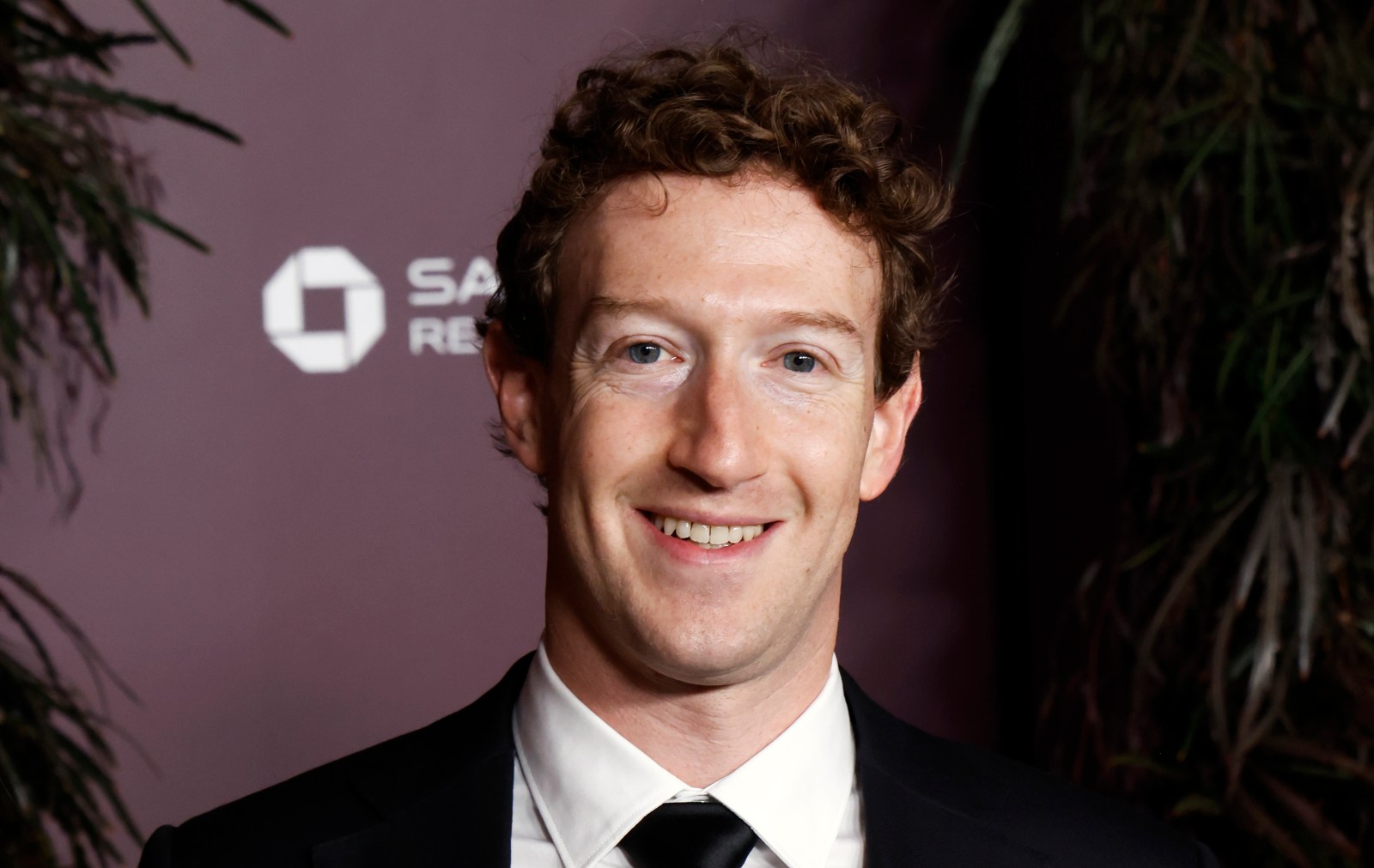
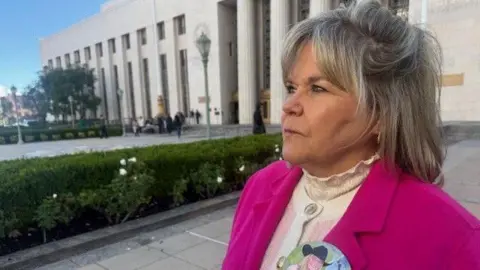
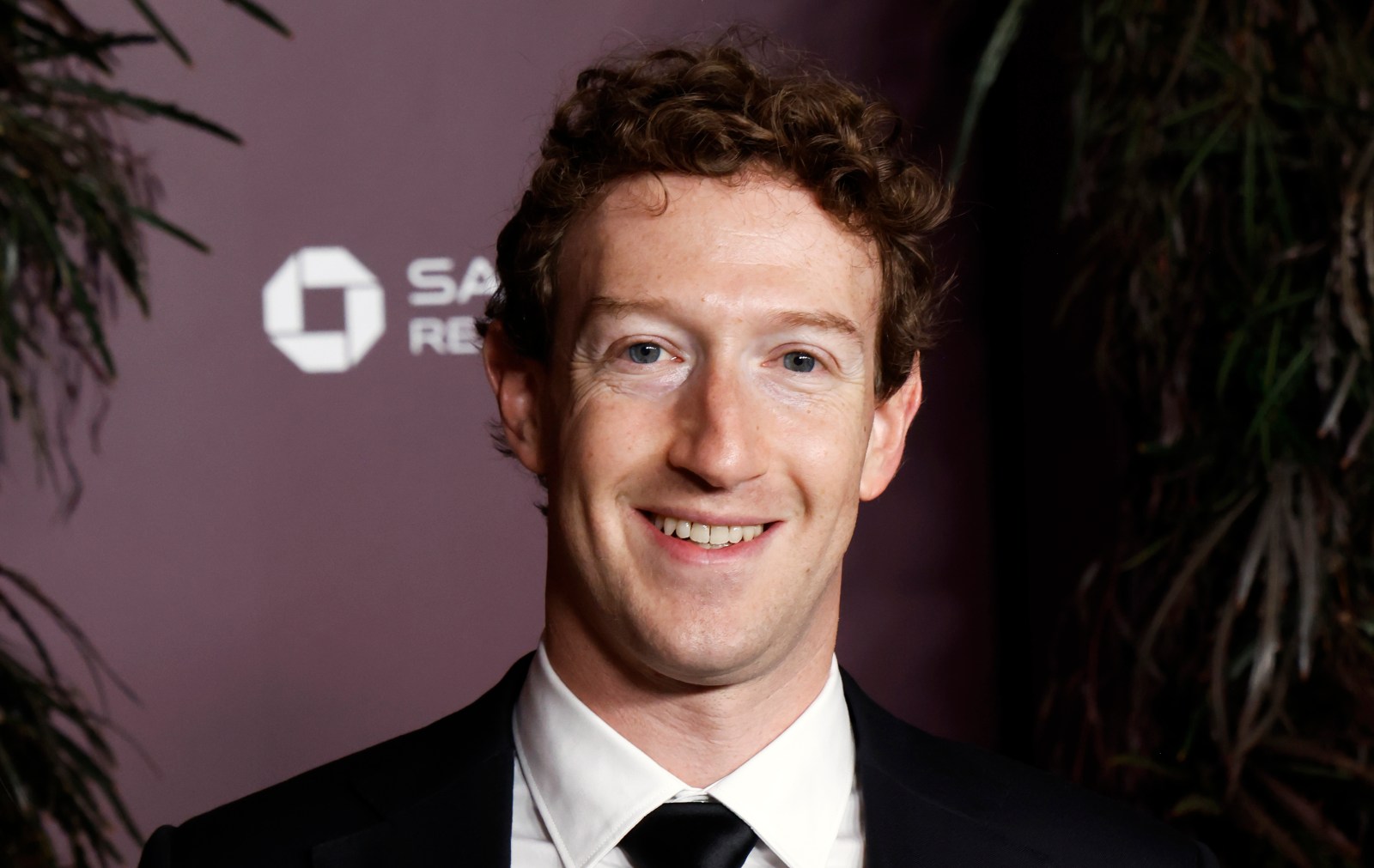
Trial Launches Targeting Meta and YouTube Over Youth Addiction The U.S. District Court in Los Angeles opened a landmark trial on Feb. 21, 2026 accusing Meta’s Instagram and Google‑owned YouTube of engineering addictive experiences for minors [1][2]. The suit is brought by Kaley G.M., now 20, who began using Instagram at age 9 and YouTube at age 6 and alleges the platforms caused anxiety, depression and suicidal thoughts [2][5][6]. Plaintiffs tie the alleged harms to a broader teen mental‑health crisis marked by rising anxiety, depression, eating disorders and suicide rates [1][3][4]. The case is one of three bellwether lawsuits slated for 2026, with two additional trials expected later in the year [1][3].
Zuckerberg Testifies, Acknowledges Past Under‑13 Detection Gaps On Feb. 19, 2026 Mark Zuckerberg appeared before the jury for the first time, fielding questions about Instagram’s design and age‑verification failures [2][3][4][5][6]. He expressed regret that the company’s tools for identifying users under 13 were “not fit for purpose” and that improvements arrived later than he wished [6][2]. Internal documents introduced at trial estimate more than 4 million under‑13 accounts in 2015, roughly 30 % of U.S. 10‑12‑year‑olds, and show birth‑date collection only began in Dec. 2019 (retroactive Aug. 2021) [2][5][6]. Zuckerberg argued teen users generate less than 1 % of Meta’s ad revenue and that newer behavior‑based age‑assessment tools are now in place [3][4].
Internal Records Reveal Time‑Spending Goals and Filter Concerns Plaintiffs presented emails indicating Instagram head Adam Mosseri set a “stretch goal” to outpace TikTok, projecting average daily use to rise from 40 minutes in 2023 to 46 minutes by 2026 [2][5]. Earlier memos also referenced a “Time +10%” target for Instagram in 2015, which Meta later says was abandoned in favor of “utility and value” metrics [5][6]. A separate chain warned that Instagram’s “beauty” filters could intensify pressure on teen girls, yet the features remained available under a “free‑expression” rationale [2][4]. Meta cites safety tools such as daily‑limit settings and Messenger Kids, but internal data show only about 1.1 % of teen users adopt the limit feature [3][4].
Broader Legal Landscape and Potential Precedent TikTok and Snapchat settled analogous lawsuits shortly before the trial, though settlement terms remain confidential [3][7]. Parallel state actions, including a New Mexico case accusing Meta of facilitating sexual exploitation through algorithms, underscore a growing regulatory push [7]. Legal analysts expect the Los Angeles case to run until late March and to influence dozens of pending suits across the United States and Europe [1][3]. Advocacy groups and parents, such as Tammy Rodriguez whose daughter died by suicide in 2021, hope the verdict will trigger stricter age‑verification and design reforms [2][4].
Sources
-
1.
The Hindu: Landmark US Trial Targets Meta and YouTube Over Youth Social Media Addiction: outlines the Feb 21 trial’s focus on alleged addiction, mental‑health harms, and includes a podcast with expert Dr Lakshmi Vijayakumar .
-
2.
CNN: Zuckerberg Testifies on Instagram’s Impact on Youth Mental Health: details Zuckerberg’s testimony, internal time‑spending targets, beauty‑filter warnings, and parents’ presence at the courthouse .
-
3.
BBC: Zuckerberg Defends Meta in Los Angeles Social‑Media Addiction Trial: reports on Zuckerberg’s defense, internal “tween” retention emails, revenue claims, and mentions settlements by TikTok and Snapchat .
-
4.
AP: Zuckerberg Testifies in Landmark Social‑Media Addiction Trial: emphasizes Zuckerberg’s denial of a causal link, internal goal contradictions, and authenticity feedback memo .
-
5.
CNN: Meta CEO Mark Zuckerberg Testifies on Instagram’s Impact on Children: provides a five‑hour testimony recap, under‑13 user estimates, shift from time goals, and activist perspectives .
-
6.
The Hindu: Zuckerberg Testifies on Under‑Age Instagram Use in Landmark Trial: highlights Zuckerberg’s regret over detection delays, internal awareness of under‑13 users, and new behavior‑based verification tools .
-
7.
Newsweek: Mark Zuckerberg to Testify in Los Angeles Bellwether Social‑Media Trial: previews the bellwether case, plaintiff’s claims, Meta’s denial, design‑feature scrutiny, and a parallel New Mexico lawsuit .
Related Tickers
Videos (1)
Timeline
2015 – Internal memo estimates over 4 million Instagram users under 13, about 30 % of U.S. 10‑12‑year‑olds, showing early awareness of under‑age usage[4][5].
2018 – Meta launches Instagram daily‑limit feature and Messenger Kids, its first public tools to curb teen screen time, yet internal data later reveal only 1.1 % of teen users adopt the limit[1].
2019 – Executives exchange emails criticizing “unenforced” age limits and strategizing “tween” retention, while Meta commissions an external Instagram study on teen usage, indicating a focus on growing younger audiences[1].
Dec 2019 – Instagram begins requiring birth‑date entry for new accounts; the policy expands to existing accounts in Aug 2021, but many under‑13 users still join unchecked[4][5].
2022 – Internal “stretch goal” sets a target to raise average daily Instagram use from 40 minutes (2023) to 46 minutes by 2026, reflecting a deliberate push to increase youth engagement[4].
2024 – Zuckerberg delivers a congressional apology acknowledging Meta’s role in teen mental‑health harms, while Surgeon General Vivek Murthy calls for tobacco‑style warnings on social‑media platforms, heightening regulatory pressure[6].
Jan 21, 2026 – Snap settles a California social‑media addiction lawsuit days before trial, removing itself as a defendant while other firms remain in the case[3].
Jan 26, 2026 – The Los Angeles bellwether trial launches, with jury selection slated for Jan 27 and senior executives from Meta, TikTok and YouTube slated to testify over alleged addictive design[6].
Jan 27, 2026 – Jury selection begins and the trial officially starts, marking the first time Instagram, TikTok and YouTube face a jury over youth‑addiction claims; plaintiffs allege the platforms use slot‑machine‑style techniques to hook teens[9].
Jan 27, 2026 – TikTok reaches a confidential settlement hours before jurors are sworn, exiting the case while Meta and Google remain defendants[2].
Jan 27, 2026 – Over 40 state attorneys general have sued Meta, and a federal bellwether trial is scheduled for June in Oakland, underscoring the nationwide scope of the litigation[9].
Feb 18, 2026 – Zuckerberg testifies that he wishes age‑verification tools had arrived sooner, admits past “time‑spend” goals, and says the company now relies on content‑behavior signals to detect under‑13 users[11].
Feb 18, 2026 – A parallel New Mexico state case proceeds in Santa Fe, accusing Meta of facilitating sexual exploitation of minors through its algorithms, a case that could influence other state lawsuits[7].
Feb 19, 2026 – Zuckerberg tells the jury that scientific research has not proven a causal link between social‑media use and mental‑health injury, and references internal feedback urging him to sound “authentic, direct, human, insightful and real”[8].
Feb 19, 2026 – He emphasizes that “less than 1 %” of Meta’s ad revenue comes from minors and argues that Instagram’s “beauty” filters, though flagged internally as potentially harmful, remain available under a free‑expression rationale[1].
Feb 19, 2026 – Plaintiffs present internal Instagram target “Time +10%” and a “stretch goal” to surpass TikTok, while Zuckerberg claims the company has shifted to a “utility and value” focus and abandoned time‑spending metrics[5].
Feb 21, 2026 – A landmark U.S. trial begins against Meta and YouTube, expected to run until late March, with two additional Los Angeles trials slated for the summer, highlighting the expanding legal battle over teen mental‑health impacts[10].
2026 (future) – The trial’s outcome could set precedent for roughly 1,500 related lawsuits and trigger billions in liability; Australia’s under‑16 ban remains in effect and the UK, Denmark, France and Spain are considering similar restrictions[1].
June 2026 (planned) – A federal bellwether trial for school‑district plaintiffs is set to start in Oakland, potentially creating a national benchmark for social‑media addiction litigation[9].
Dive deeper (2 sub-stories)
All related articles (11 articles)
-
The Hindu: Landmark US Trial Targets Meta and YouTube Over Youth Social Media Addiction
-
CNN: Zuckerberg Testifies on Instagram’s Impact on Youth Mental Health
-
BBC: Zuckerberg defends Meta in Los Angeles social‑media addiction trial
-
AP: Zuckerberg Testifies in Landmark Social‑Media Addiction Trial
-
CNN: Meta CEO Mark Zuckerberg Testifies on Instagram’s Impact on Children
-
The Hindu: Zuckerberg Testifies on Under‑Age Instagram Use in Landmark Trial
-
Newsweek: Mark Zuckerberg to Testify in Los Angeles Bellwether Social‑Media Trial
-
BBC: TikTok settles hours before landmark social‑media addiction trial begins
-
AP: Landmark Trial Targets Instagram, TikTok, YouTube Over Youth Addiction Claims
-
CNN: Meta, TikTok and YouTube go on trial over youth addiction claims
-
BBC: Snap settles social media addiction lawsuit ahead of trial
External resources (5 links)
- https://www.youtube.com/watch?v=kz9crfdO5IM (cited 1 times)
- https://www.cnbc.com/2025/05/16/tiktok-turns-to-meditation-as-it-battles-lawsuits-and-criticism.html (cited 1 times)
- https://www.nytimes.com/2024/06/17/opinion/social-media-health-warning.html (cited 1 times)