Denmark Sets March 24 Snap Election Amid Greenland Tensions and Defense Push
Updated (187 articles)
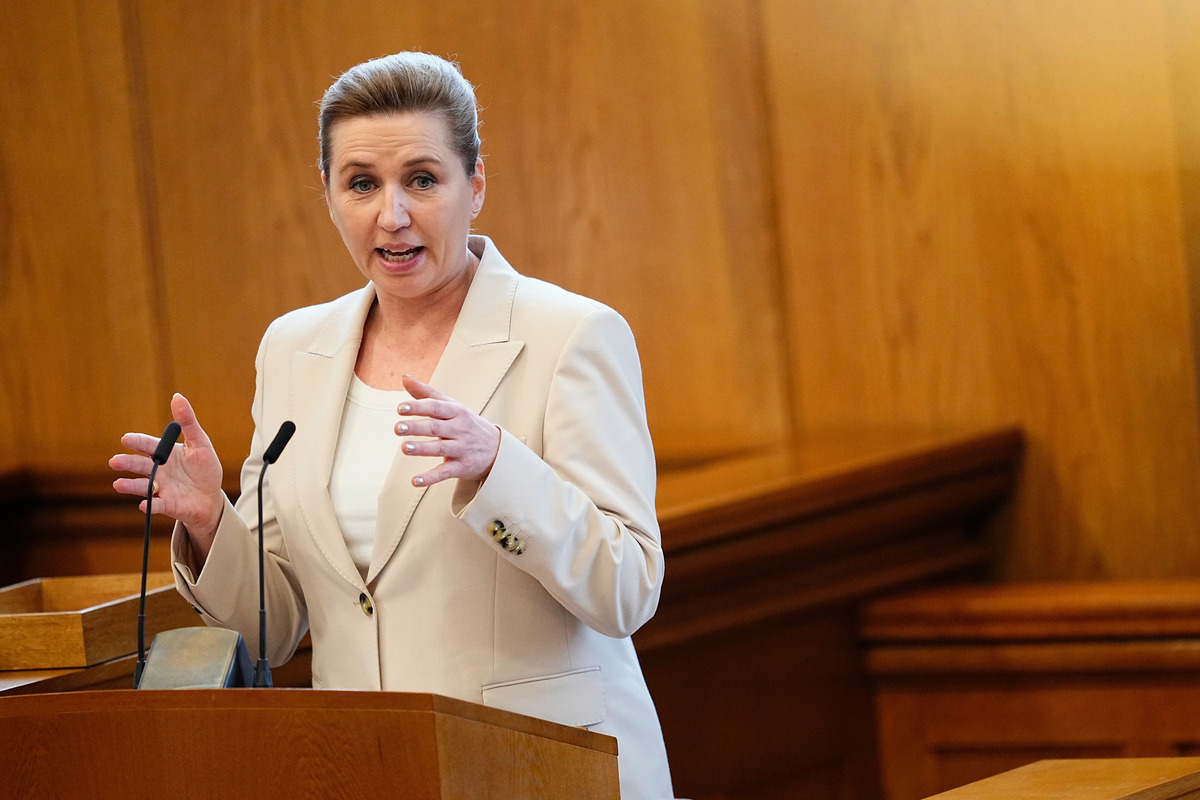
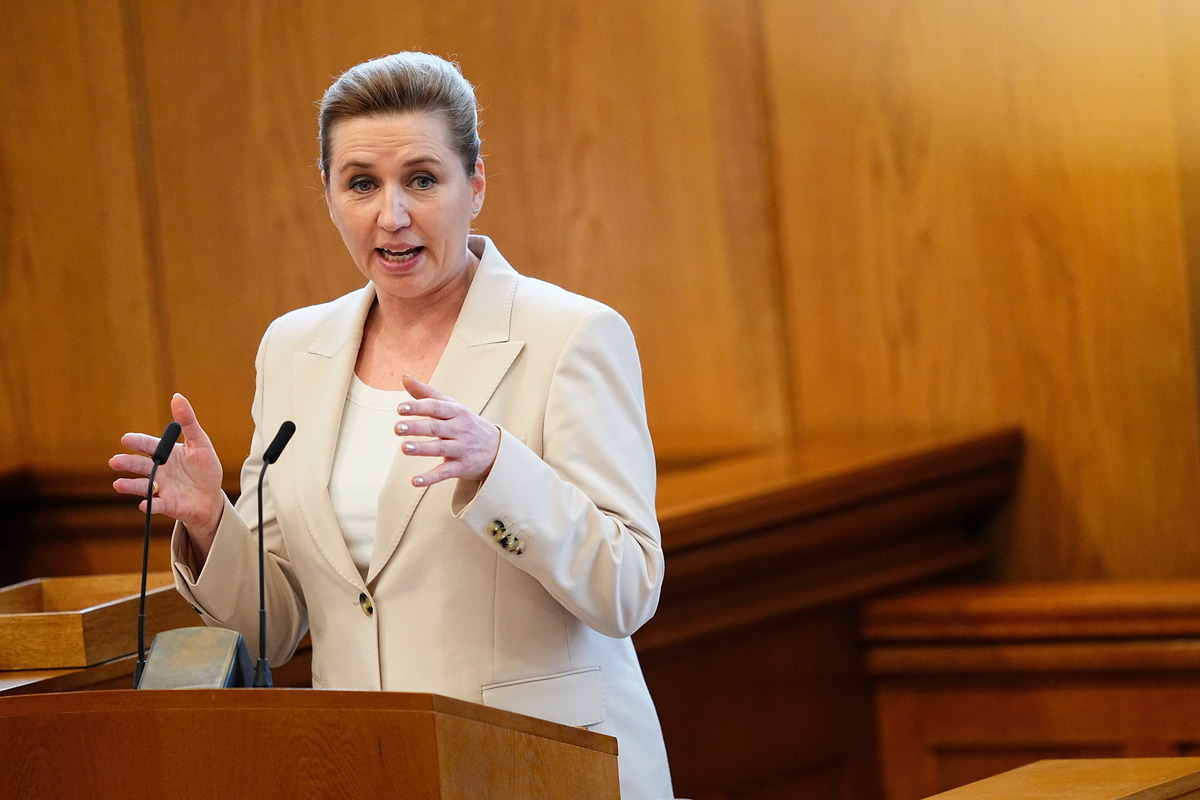
Election Date Fixed After U.S. Greenland Pressure Denmark announced a parliamentary election for 24 March 2026, a month after heightened U.S. interest in Greenland, positioning the vote as a test of the Social Democrats’ mandate [1][2]. Prime Minister Mette Frederiksen framed the election as “decisive,” linking it directly to Denmark’s security agenda and the future of the “Danish Commonwealth” of Denmark, Greenland, and the Faroe Islands [1][2]. The snap election follows a rapid political surge sparked by external geopolitical moves rather than a routine electoral cycle [1][2].
Approval Surge Follows Trump’s Greenland Claim Polls showed the governing Social Democrats climbing to roughly 22 % support, their highest rating since the U.S. president’s public pledge to take control of Greenland [1]. The claim generated a “populist rally” around Frederiksen’s government, boosting public approval and prompting the early election to capitalize on the momentum [1][2]. Both outlets note that the surge reflects Danish citizens’ desire for a firm stance against perceived U.S. overreach.
Defense Spending Pledge Targets NATO 5 % Goal Denmark committed to reaching the NATO target of spending 5 % of GDP on defense by the end of 2026, nine years ahead of the alliance’s 2035 deadline [1]. Frederiksen emphasized rapid rearmament as essential for European peace, citing Russian aggression as a catalyst for the accelerated budget [1][2]. The pledge aligns with broader European calls for increased military readiness amid Arctic strategic competition [2].
U.S. Troop Presence and Sovereignty Rejection Confirmed More than 100 U.S. service members remain stationed at a base on Greenland’s north‑western coast under existing agreements that allow unlimited troop numbers [2]. Both Denmark and Greenland’s government, led by Prime Minister Jens‑Frederik Nielsen, categorically rejected any U.S. sovereignty claim, reinforcing European solidarity against unilateral actions [2]. The stance underscores Denmark’s intent to protect its autonomous territories while navigating NATO obligations [1][2].
Sources
-
1.
Newsweek: Denmark Calls March Election as U.S. Greenland Push Fuels Political Surge: details the March 24 election, approval boost after Trump’s claim, and Denmark’s pledge to meet NATO’s 5 % defense‑spend target ahead of schedule .
-
2.
BBC: Danish Prime Minister Calls Snap Election Amid Greenland Tensions: highlights the snap election announcement, U.S. threats over Greenland, strategic importance of the island, existing U.S. troop presence, and the joint denial of any sovereignty transfer .
Related Tickers
Timeline
1951 – The Denmark‑U.S. defence pact permits American forces at the Pituffik Space Base in north‑western Greenland, establishing a long‑standing U.S. military presence in the Arctic [4].
1979 – Greenland receives home‑rule, granting it internal self‑government while remaining under Danish sovereignty, a framework that shapes current autonomy debates [25].
2009 – Greenland adopts a self‑government law that expands its authority over domestic affairs and natural‑resource management, limiting Denmark’s unilateral control [25].
2019 – President Donald Trump publicly proposes buying Greenland, marking the first modern U.S. overture to acquire the Danish territory and setting a precedent for later claims [25].
Jan 2025 – A poll shows only 6 % of Greenlanders favour joining the United States, while 85 % oppose it, underscoring strong local resistance to any transfer of sovereignty [16].
Jan 6, 2026 – European leaders from France, Germany, Italy, Poland, Spain, the UK and Denmark issue a joint statement defending Greenland’s sovereignty and urging collective Arctic security, while the White House declares that “U.S. military is always an option” for acquiring the island and President Trump renews calls for U.S. control after a recent operation in Venezuela, heightening alliance tensions [25][27].
Jan 7, 2026 – The White House tells reporters that President Trump remains committed to NATO even as his team actively discusses a possible purchase of Greenland, and it confirms that a range of options—including military action—are on the table, prompting Secretary of State Marco Rubio to schedule meetings with Danish officials the following week [23][24][22].
Jan 7, 2026 – President Trump posts on Truth Social that the United States will always support NATO “even if they won’t be there for us,” linking his Greenland ambitions to a broader claim of unconditional alliance leadership [30].
Jan 12, 2026 – Britain announces Arctic security talks with NATO partners, describing them as routine deterrence measures against Russia and China, while President Trump, returning from Davos, reiterates his desire to make a deal to acquire Greenland and frames the island as essential to U.S. security [21].
Jan 13, 2026 – Greenland’s Prime Minister Jens‑Frederik Nielsen states that, if forced to choose now, Greenland would side with Denmark rather than the United States, reinforcing the territory’s preference for existing ties amid renewed U.S. pressure [19]; the same day, Danish Foreign Minister Lars Løkke Rasmussen travels to the White House for talks with Vice‑President JD Vance and Secretary of State Marco Rubio, underscoring diplomatic escalation [20].
Jan 14, 2026 – Denmark and allied nations, including Sweden, Canada, the Netherlands and Germany, prepare a multinational troop deployment to Greenland under “Operation Arctic Endurance” to demonstrate solidarity and strengthen NATO’s Arctic footprint as President Trump continues to press for U.S. control [17]; Danish officials also announce that a high‑level working group will be formed to address the “fundamental disagreement” with the United States over Greenland, signaling a shift toward structured dialogue [18][16].
Jan 15, 2026 – In Washington, U.S., Danish and Greenlandic officials establish a high‑level working group to explore a common path forward on Greenland, while small contingents of European troops arrive in the island as a symbolic boost to Arctic security, and Danish Defence Minister Troels Lund Poulsen outlines plans for a more permanent Danish presence and rotating NATO exercises [15][16].
Jan 16, 2026 – President Trump publicly demands ownership of Greenland, describing it as “our territory,” while Danish Foreign Minister Lars Løkke Rasmussen reiterates that sovereignty is a non‑negotiable red line and Greenlandic lawmakers voice fear and opposition, noting the January 2025 poll that shows overwhelming local resistance [14][13][16].
Jan 17, 2026 – Thousands of Greenlanders march in Nuuk, chanting “Greenland is not for sale,” and protest at the U.S. consulate as news emerges that President Trump plans a 10 % import tariff on eight European countries that oppose his Greenland bid, highlighting growing public backlash [12].
Jan 20, 2026 – The United States announces a staged tariff regime—starting at 10 % and rising to 25 % by June—targeting European allies that resist the Greenland acquisition, while the EU prepares a possible €93 billion retaliation and European militaries conduct exercises to reinforce Greenland’s defense, marking the first post‑World‑War economic coercion against allies [28].
Jan 21, 2026 – At the World Economic Forum in Davos, President Trump delivers a combative speech, declares he will not use force to seize Greenland but insists on “full ownership,” and shortly after posts on Truth Social that a “long‑term framework” for a future Greenland deal has been reached following talks with NATO Secretary‑General Mark Rutte, while also dropping the threatened tariffs [10][9][11].
Jan 22, 2026 – President Trump unveils an “infinite” framework for Greenland’s future, tying it to NATO‑led Arctic defence and the “Golden Dome” missile‑defence system; Danish Prime Minister Mette Frederiksen reiterates that Denmark will not negotiate sovereignty, and NATO Secretary‑General Mark Rutte pledges accelerated Arctic security talks with a target of substantive progress by the end of 2026 [8][4][5][7][3].
Jan 23, 2026 – Danish Prime Minister Mette Frederiksen arrives in Nuuk for a two‑day visit, meeting Premier Jens‑Frederik Nielsen to reaffirm Danish support, discuss the recent U.S. policy shift, and coordinate upcoming Arctic defence initiatives with Dutch Prime Minister Mark Rutte [2].
Jan 24, 2026 – In parliament, Prime Minister Frederiksen announces a snap election for 24 March 2026, linking the vote to Denmark’s security agenda, rearmament, and the “Danish Commonwealth” of Denmark, Greenland and the Faroe Islands, and frames the election as decisive for the nation’s Arctic strategy [1].
Mar 24, 2026 (future) – Denmark holds a snap parliamentary election, which will determine the mandate for the Social Democrats to pursue rearmament, deeper Arctic security cooperation, and the preservation of Danish sovereignty over Greenland amid ongoing U.S. pressure [1].
2026 (mid‑year, future) – NATO Secretary‑General Mark Rutte expects Arctic security talks to move quickly toward concrete outcomes within 2026, aiming to solidify alliance deterrence in the region and address the Greenland dispute through multilateral mechanisms [8].
Dive deeper (125 sub-stories)
-
Newsweek: Denmark Calls March Election as U.S. Greenland Push Fuels Political Surge
-
BBC: Danish Prime Minister Calls Snap Election Amid Greenland Tensions
-
CNN: Trump’s Greenland gambit strains ties with Europe’s far‑right
-
AP: European leaders openly reject Trump’s Greenland demand
-
AP: Trump’s Greenland ambitions strain MAGA ties with Europe’s far‑right
-
CNN: Danish veterans feel betrayed as Trump reverses Greenland threat
-
CNN: Trump’s Greenland Threat Sparks Diplomatic Rupture in Europe
-
BBC: Danish Prime Minister Visits Greenland Amid Shifting U.S. Stance
-
Trump Announces Two‑Week Update on Greenland Framework Amid NATO Security Talks
(3 articles)
-
AP: Trump dominates Davos with Board of Peace push and Arctic security talks
-
CNN: Trump-Zelensky Davos talks show progress on Ukraine war as Greenland framework remains unsettled
-
Trump and NATO Leader Reach Verbal Greenland Framework, Working Group to Draft Terms
(2 articles)
-
Trump Announces Greenland Deal Framework While Denmark Refuses Sovereignty Concessions
(2 articles)
-
Trump Abandons Greenland Annexation Threat, Proposes Deal Amid NATO Tensions
(3 articles)
-
Newsweek: Greenland at center of Project 2025 Arctic strategy as US pursues security and sovereignty talks
-
Rutte Brokers Arctic Framework, Initiates Working Group on Greenland’s Future After Trump’s Threats
(2 articles)
-
AP: Trump's Greenland gambit unsettles U.S. standing in Europe
-
CNN: Trump’s Greenland pivot at Davos era raises NATO and diplomacy questions as he backs down on tariffs
-
Trump Announces Greenland Deal Framework, Drops Threatened Tariffs After NATO Talks
(2 articles)
-
Putin Declares Greenland Irrelevant to Russia as Trump Pushes at Davos
(2 articles)
-
CNN: Trump says framework for Greenland deal formed at Davos as tariffs pause
-
CNN: Trump’s Greenland push tests Europe as US security ties fray
-
Newsweek: NATO chief says Greenland deal still has work after Davos as Trump outlines Arctic framework
-
Trump Abandons Greenland Tariffs, Markets Surge After Davos NATO Framework
(2 articles)
-
CNN: Trump presses Greenland demand at Davos, hints at post-speech framework after NATO talks
-
BBC: Trump's Davos jibes fall flat as Europe eyes counter-tariffs over Greenland bid
-
CNN: Trump backs off using force on Greenland at Davos
-
Trump Calls for Immediate Greenland Negotiations at Davos, Vows No Force While White House Leaves Military Option Open
(2 articles)
-
AP: EU unity tested as Trump Greenland threats prompt emergency summit
-
Newsweek: Greenland leader warns of possible invasion as Trump attends Davos
-
Newsweek: Danish lawmaker says NATO won’t survive Trump administration
-
BBC: Congress confronts Trump's Greenland bid as GOP split narrows path
-
Trump Reasserts Greenland Claim at Davos, Europe Mobilizes Diplomatic Countermeasures
(2 articles)
-
AP: Danish veterans feel betrayed as Trump threatens Greenland
-
CNN: Trump resumes Davos trip after Air Force One backup as Greenland threats loom
-
CNN: Trump eyes Greenland acquisition; constitution requires treaty and Senate approval
-
AP: Trump’s Greenland push at Davos draws warnings and blunt rhetoric
-
CNN: Trump faces skeptical Davos crowd as Greenland push tests NATO
-
AP: Trump's Greenland tariff threats trigger EU backlash and NATO tensions
-
Newsweek: Trump doubles down on Greenland bid as NATO unity and EU tariffs loom
-
Newsweek: Russia says no claims on Greenland as Trump presses Arctic push
-
Yonhap: Atlantic alliance tested as U.S. threatens tariffs over Greenland bid
-
BBC: Trump's Greenland push signals rupture of postwar order, Doucet says
-
CNN: Trump's Greenland push escalates, triggering GOP skepticism and NATO tensions
-
U.S. Push for Greenland Escalates as Denmark Threatens War and EU Mulls Tariffs
(2 articles)
-
CNN: Europe may adopt Trump’s brass-knuckle tactics to press Greenland
-
Newsweek: Trump presses Greenland bid with tariff threat and diplomatic frictions
-
BBC: Greenland 'will stay Greenland', former Trump adviser declares
-
Europe Mobilizes €93 Billion Retaliation After Trump’s Greenland Tariff Threat
(6 articles)
-
Trump Links Nobel Snub to Greenland Bid, Announces 10% Tariffs on Eight Allies
(2 articles)
-
Trump Imposes NATO Tariffs to Pressure Greenland Deal as EU Schedules Counter‑Tariffs
(4 articles)
-
Trump Refuses to Dismiss Force on Greenland as NATO Deploys Troops and Tariffs Loom
(2 articles)
-
CNN: Trump advisers split on Greenland strategy as tariffs surface as off-ramp
-
BBC: Starmer urges calm as Trump threatens tariffs over Greenland dispute
-
Newsweek: Trump Allies Break Ranks Over Greenland Tariff Threat
-
BBC: Russia gloats over Greenland tensions as Europe is said to be at a total loss
-
Trump’s 10% Greenland Tariffs Trigger European Unity and Public Protests
(2 articles)
-
Trump Imposes 10% Tariffs on Eight NATO Nations Over Greenland Push
(2 articles)
-
BBC: Starmer to speak from Downing Street as Greenland row triggers US tariffs and Davos visit
-
Newsweek: British MPs urge King Charles to cancel US state visit over Greenland tariffs threat
-
Newsweek: Canada weighs military presence in Greenland as Trump pressure grows
-
BBC: Starmer rebukes Trump over Greenland tariff plan in phone call
-
AP: Republicans and Democrats scramble to contain Trump's Greenland push
-
CNN: Trump threatens new tariffs on European allies over Greenland as protests erupt
-
Newsweek: Thousands protest Nuuk against Trump Greenland bid and tariff plan
-
BBC: Protests in Greenland and Denmark over Trump's plan to acquire Greenland
-
AP: Thousands march in Greenland to oppose Trump bid to take island as tariffs loom
-
Newsweek: Trump doubles down on Greenland tariff threat, sets timeline
-
Trump Threatens Tariffs Over Greenland, Delegation Seeks Compromise as Denmark Tensions Rise
(2 articles)
-
European Forces Land in Greenland Ahead of Operation Arctic Endurance, Plan Consulates
(2 articles)
-
Newsweek: Trump Threatens Tariffs Over Greenland
-
Trump’s Arctic Gambit Intensifies as White House Meets Denmark, Greenland Officials
(5 articles)
-
AP: Greenlanders react as Trump presses bid to own Arctic island
-
AP: Global media descend on Nuuk as Trump pushes control of Greenland
-
European Troops Deploy to Greenland as Denmark, NATO Counter Trump’s Acquisition Push
(2 articles)
-
Newsweek: GOP-backed bill rebukes Trump Greenland threats as troops arrive
-
Trump’s Greenland Annexation Proposal Stalls as Markets, Allies, and Public Show Minimal Support
(2 articles)
-
European NATO Forces Arrive in Greenland While U.S. Threats Prompt Diplomatic Working Group
(4 articles)
-
AP: Washington talks aim to narrow Greenland rift as European troops signal Arctic security
-
U.S.-Denmark Talks Yield Working Group as Greenland Dispute Persists
(3 articles)
-
Newsweek: Norway warns over Arctic sovereignty as Greenland tensions escalate
-
CNN: Trump says only full US control of Greenland acceptable, ties to NATO security
-
Denmark, Greenland Leaders Unite Over Trump’s Arctic Ambitions, Prepare for Washington Talks
(3 articles)
-
Greenland Declares Preference for Denmark Over US Amid Trump Annexation Push
(2 articles)
-
AP: Trump repeats false Greenland takeover claims as Arctic security focus
-
CNN: Greenlanders fear US takeover as Trump presses demand to take over Greenland
-
Trump’s Greenland Threat Tests NATO Unity as Denmark Issues Stark Warning
(2 articles)
-
AP: US lawmakers visit Denmark to show unity as Trump threatens Greenland takeover
-
Newsweek: Randy Fine Bill Boosts Trump Greenland Annexation Push
-
Newsweek: Trump presses Greenland for 'freedom city' amid security concerns
-
Trump Pushes Greenland Control; Denmark and EU Threaten NATO Fallout and Trade Freeze
(2 articles)
-
Newsweek: China warns U.S. not to use other countries as pretext over Greenland
-
Newsweek: Belgian defense minister calls for NATO Arctic operation to address Trump Greenland push
-
Newsweek: Denmark confronts decisive moment as Trump threatens Greenland
-
Britain Leads NATO Arctic Security Talks as Trump Presses Greenland Acquisition
(2 articles)
-
BBC: Mandelson says Trump won’t invade Greenland
-
Greenland Leaders Reject Trump’s Push as U.S. Weighs Force Options
(2 articles)
-
BBC: US to discuss Greenland fate as Trump eyes island
-
Trump Demands U.S. Ownership of Greenland to Counter Russia and China
(2 articles)
-
Trump Weighs Military Options for Greenland, Prompting NATO Tensions and Danish Warning
(2 articles)
-
Denmark and Greenland Envoys Urge White House to Halt Trump’s Arctic Acquisition Push
(3 articles)
-
Newsweek: Ex-Norwegian ambassador says Europe could not stop U.S. if it moved on Greenland
-
Newsweek: White House floats possible annexation of Greenland, raising legal and NATO alarms
-
CNN: Trump renews Greenland bid as Venezuela action tests NATO unity
-
U.S. Vice President Vance Declares Greenland Critical, Warns Force as Purchase Talks Intensify
(2 articles)
-
Denmark Agrees to Meet U.S. Officials on Greenland as Trump Revives Push
(2 articles)
-
BBC: Greenlanders fear and express indignation as US eyes buying Greenland
-
U.S. Secretary Rubio to Meet Danish Leaders as Trump Revives Greenland Acquisition Push
(2 articles)
-
The Hindu: White House says Trump committed to NATO while administration weighs purchase of Greenland
-
BBC: White House says 'all options' on Trump's plan for Greenland, including military force
-
Newsweek: Top House and Senate Republicans publicly reject Trump’s threats to seize Greenland
-
Trump Weighs Purchase or Military Options to Acquire Greenland, Denmark Pushes Back
(2 articles)
-
Denmark and Greenland Demand Meeting with U.S. Secretary Rubio After Renewed U.S. Interest in Greenland
(3 articles)
-
AP: Trump’s push for Greenland spotlights Arctic security, mineral and trade stakes
-
AP: Photos of life in Greenland arrive as European leaders say the island "belongs to its people" after U.S. interest
-
White House Pushes Greenland Acquisition, Military Option Cited as NATO Tension Grows
(5 articles)
-
Trump’s Arctic Claim Revives Greenland Spotlight, Sparks European Pushback and Tourism Boom
(2 articles)
-
Newsweek: Sen. Lisa Murkowski breaks with Trump over Greenland, warns territory is an ally not an asset
-
BBC: Trump's push for Greenland overshadows Paris Ukraine talks and alarms European allies
-
Newsweek: European NATO leaders issue joint statement defending Greenland’s sovereignty after Trump remarks
-
Newsweek: Stephen Miller asserts US won't be fought over Greenland as administration presses claim
-
Newsweek: Top US allies rebuke Trump after he again says the United States 'needs' Greenland
-
Trump Revives Greenland Annexation Push After Venezuela Raid, Denmark and Greenland Reject
(3 articles)
-
Newsweek: Latvia and Estonia back Denmark as Trump eyes Greenland; Denmark pushes back
-
AP: Greenland Hosts US Bilateral Talks Amid Trump’s Takeover Talk
All related articles (187 articles)
-
Newsweek: Denmark Calls March Election as U.S. Greenland Push Fuels Political Surge
-
BBC: Danish Prime Minister Calls Snap Election Amid Greenland Tensions
-
CNN: Trump’s Greenland gambit strains ties with Europe’s far‑right
-
AP: European leaders openly reject Trump’s Greenland demand
-
AP: Trump’s Greenland ambitions strain MAGA ties with Europe’s far‑right
-
CNN: Danish veterans feel betrayed as Trump reverses Greenland threat
-
CNN: Trump’s Greenland Threat Sparks Diplomatic Rupture in Europe
-
BBC: Danish Prime Minister Visits Greenland Amid Shifting U.S. Stance
-
Newsweek: Trump signals two-week timeline for Greenland framework amid talks
-
AP: Trump dominates Davos with Board of Peace push and Arctic security talks
-
CNN: Trump-Zelensky Davos talks show progress on Ukraine war as Greenland framework remains unsettled
-
CNN: Trump and Rutte discuss Greenland deal framework; no written document yet
-
AP: Trump says Arctic framework would give U.S. total access to Greenland as Denmark and Greenland defend sovereignty
-
BBC: Trump unveils framework for Greenland deal amid sovereignty standoff
-
CNN: Trump's Greenland posturing reshapes transatlantic alliance, European officials say
-
CNN: Trump's Greenland framework mirrors 1951 deal, with limited new terms
-
Newsweek: Greenland at center of Project 2025 Arctic strategy as US pursues security and sovereignty talks
-
AP: NATO chief Mark Rutte helps defuse Greenland standoff and earns 'Trump whisperer' label
-
AP: Trump's Greenland gambit unsettles U.S. standing in Europe
-
Newsweek: Trump seeks total access to Greenland at no cost after NATO talks, Denmark resists sovereignty
-
CNN: Trump’s Greenland pivot at Davos era raises NATO and diplomacy questions as he backs down on tariffs
-
Newsweek: Denmark stands firm on sovereignty as Trump touts Greenland framework
-
Newsweek: Trump says framework for Greenland deal reached as sovereignty tensions rise
-
Newsweek: Putin distances Russia from Trump Greenland push as Davos forum unfolds
-
BBC: Trump says framework for Greenland deal discussed with NATO as tariffs dropped
-
CNN: Trump says framework for Greenland deal formed at Davos as tariffs pause
-
CNN: Trump’s Greenland push tests Europe as US security ties fray
-
Newsweek: NATO chief says Greenland deal still has work after Davos as Trump outlines Arctic framework
-
BBC: NATO quiets Greenland crisis as talks advance toward Greenland’s future
-
AP: Markets rally after Trump backs off Greenland tariffs at Davos
-
AP: Trump cancels Greenland tariffs after Davos push, pursues Arctic security deal
-
AP: Russia watches U.S. Greenland push with glee and wariness as NATO unity is tested
-
CNN: Trump presses Greenland demand at Davos, hints at post-speech framework after NATO talks
-
BBC: Trump's Davos jibes fall flat as Europe eyes counter-tariffs over Greenland bid
-
CNN: Trump backs off using force on Greenland at Davos
-
Newsweek: Trump pushes immediate negotiations for Greenland, pledges no force at Davos
-
AP: EU unity tested as Trump Greenland threats prompt emergency summit
-
Newsweek: Greenland leader warns of possible invasion as Trump attends Davos
-
Newsweek: Danish lawmaker says NATO won’t survive Trump administration
-
BBC: Congress confronts Trump's Greenland bid as GOP split narrows path
-
Newsweek: Trump Proposes Plan to Acquire Greenland During Davos Speech
-
CNN: Trump renews Greenland demand at Davos, says he won’t use force
-
AP: Danish veterans feel betrayed as Trump threatens Greenland
-
CNN: Trump resumes Davos trip after Air Force One backup as Greenland threats loom
-
CNN: Trump eyes Greenland acquisition; constitution requires treaty and Senate approval
-
AP: Trump’s Greenland push at Davos draws warnings and blunt rhetoric
-
CNN: Trump faces skeptical Davos crowd as Greenland push tests NATO
-
AP: Trump's Greenland tariff threats trigger EU backlash and NATO tensions
-
Newsweek: Trump doubles down on Greenland bid as NATO unity and EU tariffs loom
-
CNN: Trump faces European push to avert Greenland crisis at Davos
-
Newsweek: Russia says no claims on Greenland as Trump presses Arctic push
-
Yonhap: Atlantic alliance tested as U.S. threatens tariffs over Greenland bid
-
BBC: Trump's Greenland push signals rupture of postwar order, Doucet says
-
CNN: Trump's Greenland push escalates, triggering GOP skepticism and NATO tensions
-
Newsweek: Danish MP warns Greenland invasion by US would trigger war
-
CNN: Europe may adopt Trump’s brass-knuckle tactics to press Greenland
-
Newsweek: Trump presses Greenland bid with tariff threat and diplomatic frictions
-
BBC: Greenland 'will stay Greenland', former Trump adviser declares
-
BBC: Europe hardens stance as Trump Greenland drive sparks tariff showdown
-
AP: Trump ties Greenland stance to Nobel prize snub amid tariff threats
-
BBC: Trump vows 100% to pursue Greenland tariffs as EU vows to defend its interests
-
Newsweek: Trump declines to rule out force on Greenland as NATO tensions flare
-
CNN: Trump ties Greenland bid to Nobel snub as he escalates with tariffs threat
-
CNN: Trump advisers split on Greenland strategy as tariffs surface as off-ramp
-
Newsweek: Republicans largely oppose Trump using military to seize Greenland, poll shows
-
AP: EU seeks security autonomy as Trump threatens Greenland tariffs
-
BBC: Starmer urges calm as Trump threatens tariffs over Greenland dispute
-
Newsweek: Trump Allies Break Ranks Over Greenland Tariff Threat
-
BBC: Russia gloats over Greenland tensions as Europe is said to be at a total loss
-
BBC: Danish PM says Europe won't be blackmailed as Trump threatens Greenland tariffs
-
CNN: Europe condemns Trump’s Greenland tariffs as wrong and unacceptable
-
CNN: Trump threatens Greenland and tariffs, risking NATO unity
-
AP: Trump tariff threat tests European alliances over Greenland dispute
-
BBC: Starmer to speak from Downing Street as Greenland row triggers US tariffs and Davos visit
-
Newsweek: British MPs urge King Charles to cancel US state visit over Greenland tariffs threat
-
Newsweek: Canada weighs military presence in Greenland as Trump pressure grows
-
King5 (Seattle, WA): Europe warns of dangerous downward spiral after Trump threatens tariffs over Greenland
-
Newsweek: EU weighs retaliatory tariffs in response to Trump Greenland bid
-
BBC: Starmer rebukes Trump over Greenland tariff plan in phone call
-
AP: Republicans and Democrats scramble to contain Trump's Greenland push
-
Newsweek: NATO allies warn Greenland tariffs risk dangerous downward spiral
-
AP: European leaders condemn Trump's 10% Greenland tariff
-
BBC: Trump tariff threat over Greenland draws European condemnation
-
CNN: Trump threatens new tariffs on European allies over Greenland as protests erupt
-
Newsweek: European Leaders Push Back as Trump Threatens Tariffs Over Greenland
-
Newsweek: Thousands protest Nuuk against Trump Greenland bid and tariff plan
-
BBC: Protests in Greenland and Denmark over Trump's plan to acquire Greenland
-
AP: Thousands march in Greenland to oppose Trump bid to take island as tariffs loom
-
AP: Trump proposes 10% tariffs on eight European nations over Greenland dispute
-
Newsweek: Trump doubles down on Greenland tariff threat, sets timeline
-
CNN: Trump weighs tariffs on countries opposing Greenland annexation plan
-
AP: Trump hints tariffs on countries over Greenland amid Denmark tensions
-
BBC: Trump threatens new tariffs on countries opposed to Greenland takeover as US lawmakers visit Denmark to ease tensions
-
Yonhap: Trump threatens tariffs on countries opposing Greenland acquisition
-
Newsweek: European Forces Arrive in Greenland Ahead of Arctic Endurance Drills Amid Trump Threats
-
Newsweek: Trump Threatens Tariffs Over Greenland
-
Newsweek: Trump's Greenland push sparks debate as talks loom with Denmark and Greenland
-
AP: Greenlanders react as Trump presses bid to own Arctic island
-
AP: Global media descend on Nuuk as Trump pushes control of Greenland
-
AP: European troops arrive in Greenland as Denmark-U.S. talks reveal Arctic rift
-
BBC: European troops arrive in Nuuk as NATO signals Arctic presence amid Trump's Greenland bid
-
Newsweek: GOP-backed bill rebukes Trump Greenland threats as troops arrive
-
Newsweek: Trump’s Greenland Move Fails to Win Broad Support as Markets Put Odds Low
-
CNN: European NATO allies deploy troops to Greenland as Trump threats escalate
-
Newsweek: Greenland leader reiterates not for sale as U.S. pressure grows
-
AP: Washington talks aim to narrow Greenland rift as European troops signal Arctic security
-
BBC: Denmark says fundamental disagreement with US over Greenland after White House talks
-
Newsweek: Denmark, NATO allies push back as Trump presses Greenland bid and Urges takeover
-
AP: Danish official cites fundamental disagreement with US over Greenland
-
Newsweek: Denmark and allies plan troops to Greenland amid Trump threats
-
King5 (Seattle, WA): Danish official says fundamental disagreement with Trump over Greenland persists; working group formed
-
Newsweek: Trump hints at leaving NATO to seize Greenland as allies bolster presence
-
Newsweek: NATO allies deploy troops to Greenland as Trump threatens to annex
-
Newsweek: Norway warns over Arctic sovereignty as Greenland tensions escalate
-
CNN: Trump says only full US control of Greenland acceptable, ties to NATO security
-
BBC: Greenland talks at White House could reshape Arctic security
-
AP: Denmark and Greenland Leaders Stand United Against Trump Takeover
-
BBC: Greenland backs Denmark over US in hypothetical choice
-
AP: Trump repeats false Greenland takeover claims as Arctic security focus
-
CNN: Greenlanders fear US takeover as Trump presses demand to take over Greenland
-
Newsweek: White House hosts Denmark and Greenland talks as Trump push on Greenland escalates
-
AP: Trump's Greenland threats strain NATO as Denmark warns and Sweden joins
-
AP: US lawmakers visit Denmark to show unity as Trump threatens Greenland takeover
-
Newsweek: Randy Fine Bill Boosts Trump Greenland Annexation Push
-
Newsweek: Trump presses Greenland for 'freedom city' amid security concerns
-
Newsweek: US Greenland gambit tests Atlantic alliance and European response
-
Newsweek: China warns U.S. not to use other countries as pretext over Greenland
-
Newsweek: Belgian defense minister calls for NATO Arctic operation to address Trump Greenland push
-
Newsweek: Denmark confronts decisive moment as Trump threatens Greenland
-
AP: Britain coordinates Arctic security with NATO allies as Trump presses Greenland idea
-
Newsweek: Britain and NATO Allies Discuss Arctic Security Amid Greenland Tensions
-
BBC: Mandelson says Trump won’t invade Greenland
-
King5 (Seattle, WA): Greenland party leaders reject Trump's push for U.S. control
-
CNN: Trump warns US may take Greenland the hard way if deal fails
-
AP: Greenland leaders reject Trump's bid for U.S. control of island.
-
BBC: US to discuss Greenland fate as Trump eyes island
-
AP: US weighs options to take over Greenland
-
The Hindu: Trump calls for U.S. to own Greenland to deter Russia and China
-
BBC: Trump calls for U.S. ownership of Greenland to deter rivals
-
CNN: Trump's Greenland push strains NATO as Europe frets
-
The Hindu: Denmark, Greenland envoys press White House over Greenland takeover bid
-
CNN: Greenland and Denmark push back as White House meets officials over Trump's bid to buy Greenland
-
AP: Denmark and Greenland envoys press White House on Greenland takeover
-
Newsweek: Ex-Norwegian ambassador says Europe could not stop U.S. if it moved on Greenland
-
Newsweek: White House floats possible annexation of Greenland, raising legal and NATO alarms
-
CNN: Trump renews Greenland bid as Venezuela action tests NATO unity
-
BBC: Vance: Greenland is critical to US defense as talks of buying Greenland surface
-
The Hindu: Denmark welcomes U.S. meeting after Trump renews push to acquire Greenland
-
Newsweek: Vice President JD Vance warns Trump willing to go as far as necessary over Greenland, straining ties with Denmark
-
BBC: Greenlanders fear and express indignation as US eyes buying Greenland
-
Newsweek: Marco Rubio will meet Danish officials after Trump administration again eyes control of Greenland
-
AP: Rubio to meet Danish officials after Trump revives bid to acquire Greenland
-
The Hindu: White House says Trump committed to NATO while administration weighs purchase of Greenland
-
BBC: White House says Trump is 'actively' discussing buying Greenland, prompting NATO and Greenlandic pushback
-
BBC: White House says 'all options' on Trump's plan for Greenland, including military force
-
Newsweek: NATO faces political crisis as Trump eyes Greenland, experts warn of limited military options
-
AP: Trump’s threats to seize Greenland deepen strain on NATO unity
-
Newsweek: Top House and Senate Republicans publicly reject Trump’s threats to seize Greenland
-
Yonhap: Trump vows U.S. will back NATO despite Greenland acquisition talk straining alliance
-
BBC: White House says Trump discussing options, including military, to acquire Greenland
-
The Hindu: Denmark and Greenland seek meeting with Rubio after White House repeats U.S. interest in Greenland
-
AP: Trump’s push for Greenland spotlights Arctic security, mineral and trade stakes
-
AP: Photos of life in Greenland arrive as European leaders say the island "belongs to its people" after U.S. interest
-
WBNS (Columbus, OH): Denmark and Greenland seek meeting with Rubio after U.S. reiterates interest in Greenland
-
King5 (Seattle, WA): Denmark and Greenland ask to meet Rubio after U.S. reiterates interest in Greenland
-
Newsweek: White House says acquiring Greenland a U.S. national security priority, military option remains
-
CNN: Trump’s renewed interest puts Greenland in global spotlight as travel surges
-
Newsweek: Sen. Lisa Murkowski breaks with Trump over Greenland, warns territory is an ally not an asset
-
CNN: White House says Trump weighing options to acquire Greenland, military option not ruled out
-
WBNS (Columbus, OH): White House says U.S. military ‘always an option’ as European leaders and Denmark reject Trump’s push for Greenland
-
King5 (Seattle, WA): White House says U.S. military “always an option” on Greenland as European leaders reject takeover
-
AP: White House says U.S. military 'always an option' as Trump renews push to acquire Greenland
-
BBC: Trump's push for Greenland overshadows Paris Ukraine talks and alarms European allies
-
Newsweek: European leaders push back as U.S. rhetoric on Greenland raises sovereignty alarm
-
The Hindu: White House says Trump is pursuing acquisition of Greenland, and using U.S. military is “always an option”
-
Newsweek: Push for Greenland and U.S. military dominance underscore how NATO would weaken without America
-
Newsweek: European NATO leaders issue joint statement defending Greenland’s sovereignty after Trump remarks
-
Newsweek: Stephen Miller asserts US won't be fought over Greenland as administration presses claim
-
AP: Danish leader warns U.S. takeover of Greenland would mean end of NATO
-
Newsweek: Top US allies rebuke Trump after he again says the United States 'needs' Greenland
-
BBC: Trump renews push to bring Greenland under US control after Venezuela raid
-
Newsweek: Trump signals Greenland policy review as tensions with Denmark rise
-
BBC: Trump repeats threat to annex Greenland as Danish leaders push back
-
Newsweek: Latvia and Estonia back Denmark as Trump eyes Greenland; Denmark pushes back
-
AP: Trump pushes Greenland takeover after Venezuela raid as Denmark and Cuba react
-
The Hindu: Denmark urges Trump to halt threats to take over Greenland
-
AP: Greenland Hosts US Bilateral Talks Amid Trump’s Takeover Talk
External resources (87 links)
- https://www.state.gov/wp-content/uploads/2019/02/04-806-Denmark-Defense.done_.pdf (cited 2 times)
- https://2001-2009.state.gov/r/pa/ho/time/wwi/107293.htm (cited 1 times)
- https://guides.loc.gov/louisiana-purchase-legislative-timeline/1803-1804 (cited 1 times)
- https://history.state.gov/countries/texas (cited 1 times)
- https://history.state.gov/milestones/1801-1829/florida (cited 1 times)
- https://history.state.gov/milestones/1866-1898/alaska-purchase (cited 1 times)
- https://history.state.gov/milestones/1899-1913/war (cited 1 times)
- https://www.archives.gov/milestone-documents/platt-amendment (cited 1 times)
- https://www.archives.gov/milestone-documents/roosevelt-corollary (cited 1 times)
- https://www.doi.gov/sites/doi.gov/files/uploads/vitreaty.pdf (cited 1 times)
- https://www.foreign.senate.gov/press/dem/release/ranking-member-shaheen-senator-murkowski-introduce-legislation-to-prevent-trump-administration-from-threatening-nato-unity (cited 1 times)
- https://www.govinfo.gov/content/pkg/STATUTE-107/pdf/STATUTE-107-Pg1510.pdf (cited 1 times)
- https://www.murkowski.senate.gov/imo/media/doc/nato_release.pdf (cited 1 times)
- https://www.senate.gov/about/powers-procedures/treaties/senate-approves-louisiana-purchase-treaty.htm (cited 1 times)
- https://www.state.gov/u-s-support-for-uk-and-mauritius-agreement-on-chagos-archipelago (cited 1 times)
- https://avalon.law.yale.edu/20th_century/den001.asp (cited 2 times)
- https://cri.fiu.edu/us-cuba-relations/chronology-of-us-cuba-relations/ (cited 1 times)
- https://en.wikipedia.org/wiki/Christian_Febiger (cited 1 times)
- https://press.armywarcollege.edu/cgi/viewcontent.cgi?article=3117&context=parameters (cited 1 times)
- https://www.law.cornell.edu/constitution-conan/article-4/section-3/clause-2/federal-and-state-power-over-public-lands (cited 1 times)
- https://www.politico.eu/article/greenland-dog-sled-race-organizers-probe-rogue-invite-to-donald-trump-jeff-landry-special-envoy/ (cited 3 times)
- https://www.nytimes.com/2026/01/21/us/politics/trump-greenland-threats-diplomacy-force.html (cited 2 times)
- https://www.ap.org/news-highlights/spotlights/2026/trump-vows-he-wont-use-force-to-acquire-greenland-calls-for-immediate-negotiations/ (cited 1 times)
- https://www.foxbusiness.com/video/6388085020112 (cited 1 times)
- https://www.nytimes.com/2026/01/07/world/europe/trump-greenland-denmark-us-defense-pact.html (cited 1 times)
- https://www.nytimes.com/2026/01/11/us/politics/trump-interview-transcript.html (cited 1 times)
- https://www.politico.com/news/2026/01/16/greenland-trump-republicans-congress-00732945 (cited 1 times)
- https://www.politico.com/news/2026/01/16/greenland-trump-republicans-congress-00732945?nid=0000018f-3124-de07-a98f-3be4d1400000&nname=politico-toplines&nrid=643e6ca4-1796-493d-9398-0063213e27b2 (cited 1 times)
- https://www.politico.eu/article/denmarks-arctic-commander-rejects-claims-of-immediate-russia-china-threat-to-greenland/ (cited 1 times)
- https://www.reuters.com/world/europe/trump-administration-mulls-payments-sway-greenlanders-join-us-2026-01-08/ (cited 1 times)
- https://wwww.cnn.com/2026/01/08/europe/europe-nato-greenland-trump-crisis-intl (cited 1 times)
- https://x.com/CAgovernor (cited 6 times)
- https://truthsocial.com/@realDonaldTrump/posts/115934734335579278 (cited 5 times)
- https://t.co/bAeLSfysWF (cited 3 times)
- https://x.com/NORADCommand (cited 3 times)
- https://x.com/saraecook/status/2011516071715709372 (cited 3 times)
- https://t.me/umerov_rustem/313 (cited 2 times)
- https://truthsocial.com/@realDonaldTrump/posts/115893255826342514 (cited 2 times)
- https://x.com/MarkNaughton9/status/2013779942790615262?s=20 (cited 2 times)
- https://x.com/forsvaretdk/status/2013348958026768393?s=20 (cited 2 times)
- https://x.com/realannapaulina/status/2013782453031157797 (cited 2 times)
- https://truthsocial.com/@realDonaldTrump (cited 1 times)
- https://truthsocial.com/@realDonaldTrump/posts/115911344443637897 (cited 1 times)
- https://truthsocial.com/@realDonaldTrump/posts/115926047595803521 (cited 1 times)
- https://www.facebook.com/AndersVistisenDF/videos/mr-president-bug-offdet-eneste-sprog-donald-trump-forst%C3%A5r-er-st%C3%A5lsathedderfor-gj/1662326065140099/ (cited 1 times)
- https://www.facebook.com/aajachemnitzlarsen (cited 1 times)
- https://x.com/AnitaAnandMP/status/2010084703685017646 (cited 1 times)
- https://x.com/DKambUSA/status/2007607563601273179 (cited 1 times)
- https://x.com/DefensieMin/status/2011795129003069449?s=20 (cited 1 times)
- https://x.com/GreenlandRepDC/status/2008245444472963299 (cited 1 times)
- https://x.com/ManfredWeber/status/2012607273370087621?s=20 (cited 1 times)
- https://x.com/RepDonBacon/status/2008520091567354091?s=20 (cited 1 times)
- https://x.com/RepDonBacon/status/2008713094953042228 (cited 1 times)
- https://x.com/RepMTG/status/2008877986313842711 (cited 1 times)
- https://x.com/Statsmin/status/2008498610263257368?s=20 (cited 1 times)
- https://x.com/SwedishPM/status/2011469780729868447?s=20 (cited 1 times)
- https://x.com/atrupar/status/2013597069030588770 (cited 1 times)
- https://x.com/donaldtusk/status/2013662298984927718 (cited 1 times)
- https://x.com/larsloekke (cited 1 times)
- https://x.com/lisamurkowski/status/2008702152525705660 (cited 1 times)
- https://x.com/rubengallego/status/2008584868368621888?s=46&t=0kSbRS3cR7LAmIrwwezTmQ (cited 1 times)
- https://denmark.dk/people-and-culture/greenland (cited 4 times)
- https://shape.nato.int/exercises (cited 4 times)
- https://www.norden.org/en/information/facts-about-greenland (cited 4 times)
- https://naalakkersuisut.gl/Nyheder/2026/01/1401_forsvaret?sc_lang=kl-GL (cited 3 times)
- https://www.ft.com/content/a675b8af-46b7-4f93-a616-41f0a002c22e (cited 3 times)
- https://history.army.mil/Research/Reference-Topics/Army-Campaigns/Brief-Summaries/War-of-1812-Campaigns/ (cited 2 times)
- https://policy.trade.ec.europa.eu/enforcement-and-protection/protecting-against-coercion_en (cited 2 times)
- https://stm.dk/presse/pressemeddelelser/udtalelse-fra-statsminister-mette-frederiksen-22-januar-2026/ (cited 2 times)
- https://www.lacitadelle.qc.ca/en/la-forteresse (cited 2 times)
- https://www.thecanadianencyclopedia.ca/en/article/quiet-revolution-plain-language-summary#:~:text=The%20Quiet%20Revolution%20was%20led%20by%20the%20Quebec%20Liberal%20Party%20under%20Premier%20Jean%20Lesage.%20The%20slogan%20was%20%E2%80%9CMa%C3%AEtres%20chez%20nous%E2%80%9D%20(Masters%20of%20our%20own%20house). (cited 2 times)
- https://ecfr.eu/wp-content/uploads/2026/01/How-Trump-is-making-China-great-again%E2%80%94and-what-it-means-for-Europe.pdf (cited 1 times)
- https://militaryhealth.bmj.com/content/170/6/465 (cited 1 times)
- https://nyheder.tv2.dk/samfund/2026-01-09-groenlandsk-veteran-foeler-sig-dolket-i-ryggen-af-trump (cited 1 times)
- https://peacemaker.un.org/sites/default/files/document/files/2024/05/cy600816treatynicosia.pdf (cited 1 times)
- https://the-conversation.beehiiv.com/ (cited 1 times)
- https://www.bruegel.org/dataset/european-natural-gas-imports (cited 1 times)
- https://www.f35.com/f35/global-enterprise/republic-of-korea.html (cited 1 times)
- https://www.fmn.dk/en/news/2025/the-danish-armed-forces-expand-their-presence-and-continue-exercises-in-greenland-in-close-cooperation-with-allies/ (cited 1 times)
- https://www.fmprc.gov.cn/eng/xw/fyrbt/202601/t20260119_11815289.html (cited 1 times)
- https://www.ft.com/content/9f5189b0-4857-4b7f-a8c4-5b6d77ece5e3 (cited 1 times)
- https://www.government.se/statements/2026/01/joint-statement-by-the-nordic-foreign-ministers-on-greenland/ (cited 1 times)
- https://www.markstrattontravels.com (cited 1 times)
- https://www.msn.com/en-gb/news/world/nato-chief-issue-of-whether-greenland-stays-with-denmark-did-not-come-up-with-trump/ar-AA1UH0UE?ocid=BingNewsSerp (cited 1 times)
- https://www.nato.int/en/what-we-do/introduction-to-nato/collective-defence-and-article-5 (cited 1 times)
- https://www.t-online.de/nachrichten/deutschland/innenpolitik/id_101081358/groenland-und-venezuela-afd-chefin-weidel-kritisiert-trump.html (cited 1 times)
- https://www.usatoday.com/story/news/politics/2026/01/15/don-bacon-trump-greenland-impeachment/88195826007/ (cited 1 times)