Hunger Strike Swells as Hundreds Remain Excluded From Venezuela’s New Amnesty Law
Updated (44 articles)
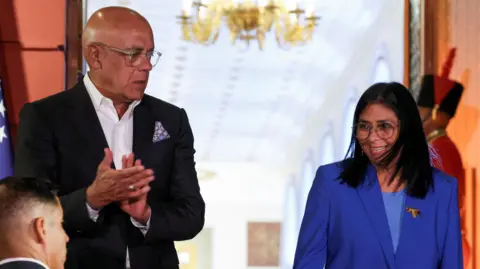
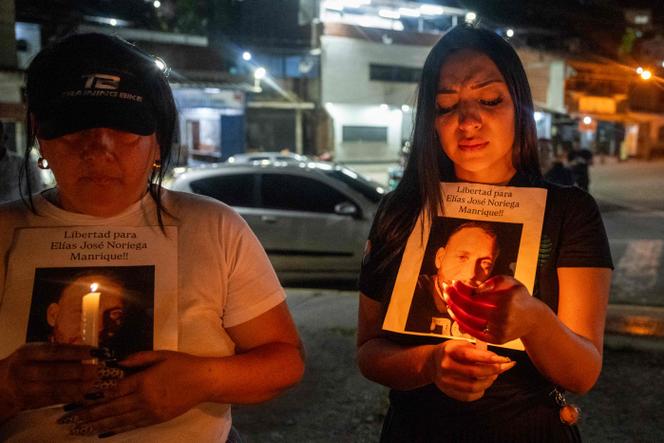
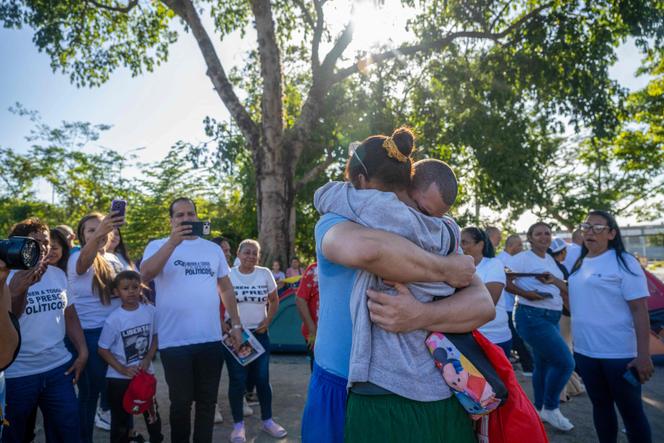
Amnesty Law Passed and Signed Amid U.S. Pressure Venezuela’s National Assembly approved a political‑prisoner amnesty on 19 Feb 2026, and Acting President Delcy Rodríguez signed it into law the following day, promising “general and full amnesty” for many offenses while explicitly barring war‑crimes, murder, drug‑trafficking, corruption and support for foreign armed intervention [5][6][1].
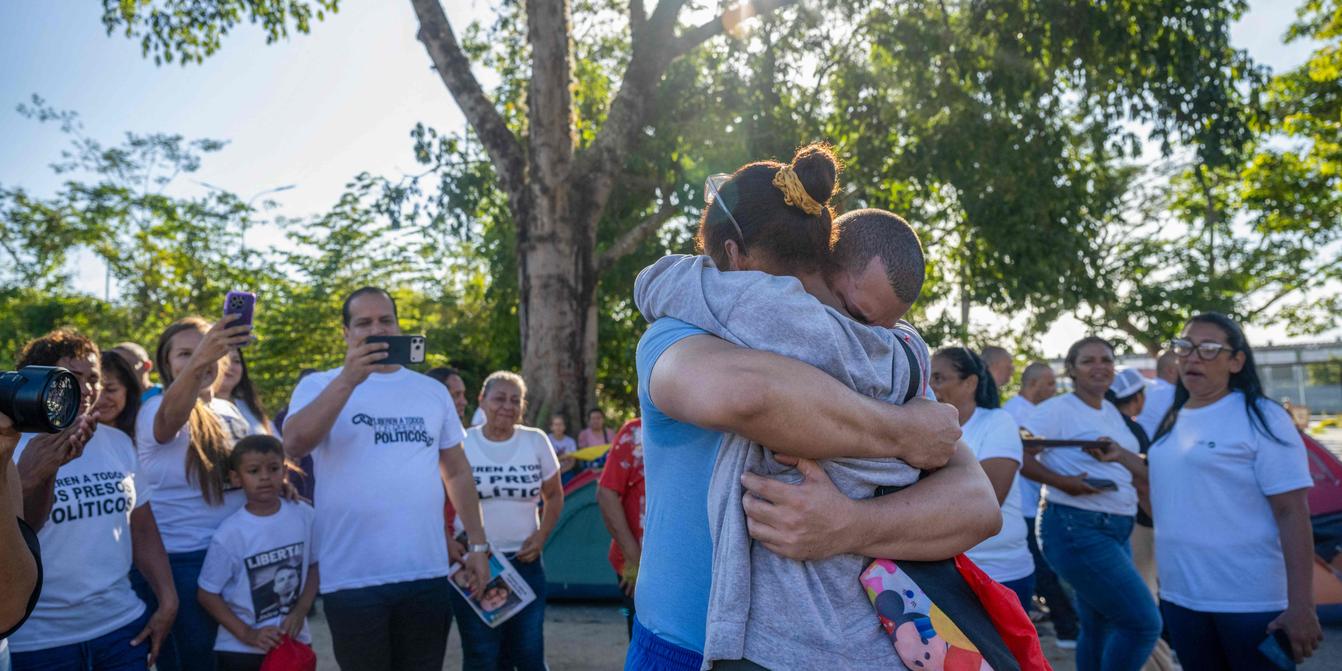
Initial Releases Reach Hundreds, Numbers Vary by Source Government and NGOs report between 448 and 464 detainees freed since the U.S. special‑forces raid that captured Nicolás Maduro on 3 Jan, including 54 released directly after the amnesty vote and 23 political prisoners on 22 Feb 2026 [1][5][6][2]. Prior to the latest batch, 379 prisoners had been released, bringing total amnesty applications to 1,557 across the country [2][3].
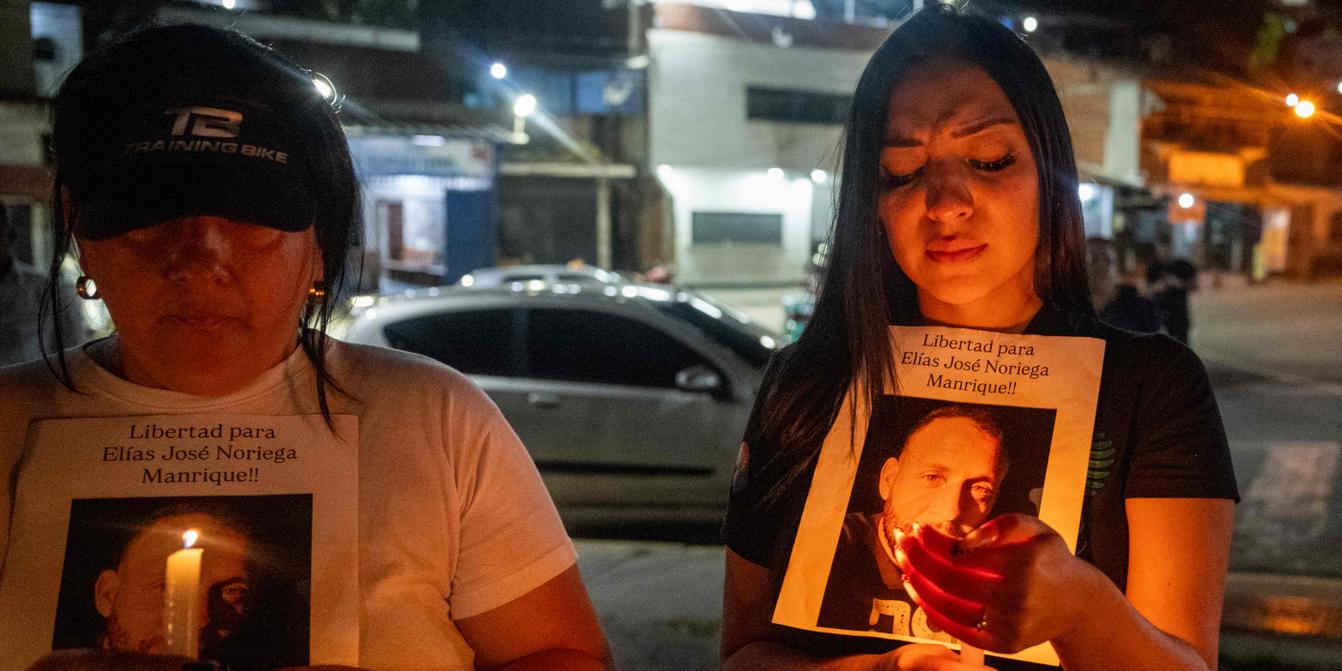
Hunger Strike Begins at Rodeo I Over Exclusions On 22 Feb, 214 inmates at the Rodeo I penitentiary on Caracas’s outskirts launched a hunger strike, demanding inclusion under the new law, while families gathered outside and the ICRC gained its first access to both Rodeo I and the notorious Helicoid facility [1][2][3]. Shakira Ibarreto, whose father was arrested in 2024, warned that most detainees remain uncovered by the legislation [1].
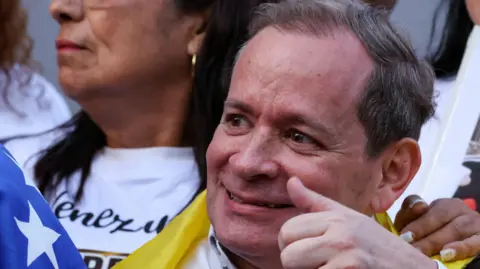
Key Political Figures Freed and Criticize Law’s Scope Opposition leader Juan Pablo Guanipa was released after nine months of detention and joined critics who say the amnesty omits “Maria Corina Machado” paragraph offenders and rebel officers [3][4]. Additional releases included seven members of the opposition Vente Venezuela, such as Juan Freites, under the same law [2].
International Reactions and Ongoing Prisoner Debate The January raid that seized Maduro intensified U.S. pressure; President Donald Trump called for the closure of El Helicoide, while families of detainees publicly appealed to him for further action [3][5][4]. Legal scholars note the law’s exclusions leave dozens of police, military and 1999‑2026 era detainees behind bars, fueling continued protests and hunger strikes [3][1].
Sources
-
1.
Le Monde: Hunger strike by 200 Venezuelan inmates follows new amnesty law: Details the Feb 22 hunger strike by 200 inmates at Rodeo I, their claims of exclusion, and background on the U.S. raid and prior releases .
-
2.
Le Monde: Venezuela releases 23 prisoners as hunger strike swells: Reports the Feb 22 release of 23 political detainees, the growing hunger strike of 214 inmates, and ICRC’s first access to two prisons .
-
3.
BBC: Venezuelan Political Prisoners Flood Amnesty Process as Government Prioritizes El Helicoide Releases: Highlights 1,557 amnesty applications, early releases from Zona Seven, and expert warnings about the “Maria Corina Machado” exclusion clause .
-
4.
BBC: Juan Pablo Guanipa freed as Venezuela’s amnesty law takes effect: Covers Guanipa’s personal release, his criticism of the law’s flaws, and the broader context of post‑Maduro‑capture releases .
-
5.
AP: Venezuela’s Acting President Signs Amnesty Law Amid Calls for Prisoner Releases: Focuses on Delcy Rodríguez’s signing, the law’s exclusions, split opposition reactions, and families urging President Trump to intervene .
-
6.
The Hindu: Venezuela Legislature Passes Amnesty Bill Amid Political Prisoner Debate: Describes the Feb 19 legislative vote, the anticipated signing, the estimated 600 political detainees, and the families’ hunger strike that began on Feb 14 .
Timeline
Dec 23, 2025 – Judge Boasberg orders the U.S. government to hold due‑process hearings for more than 200 Venezuelan migrants sent to an El Salvador prison and to allow their return, asserting that the 18th‑century Alien Enemies Act was mis‑applied [25].
Dec 26, 2025 – Around two dozen Venezuelan men in El Salvador demand justice after the U.S. judge’s ruling, urging international oversight and announcing that Venezuela’s government prepares a lawsuit against Trump over their removal [24].
Jan 1, 2026 – Authorities free 88 prisoners, the second mass release in two weeks, bringing the two‑week total to 187; NGOs verify at least 55 releases while estimating roughly 900 political detainees remain [23].
Jan 2, 2026 – Venezuelan security forces detain at least five Americans, including James Luckey‑Lange, as Washington escalates pressure on Maduro with sanctions, strikes on drug boats and an oil blockade [22].
Jan 3, 2026 – U.S. special‑forces capture President Nicolás Maduro in Caracas and transport him to New York for a drug‑trafficking trial, triggering a nationwide security decree that criminalizes public support for the raid [20, 21, 19, 13, 9].
Jan 6, 2026 – Security forces detain at least 14 foreign journalists covering the aftermath of Maduro’s capture; most are released the same day, but the roundup coincides with Delcy Rodríguez’s swearing‑in as acting president [21].
Jan 8, 2026 – State television announces a “significant number” of political prisoners will be freed immediately as a goodwill gesture after the U.S. raid; Spain confirms five of its nationals, including rights lawyer Rocío San Miguel, are among those released [19].
Jan 9, 2026 – Acting President Delcy Rodríguez vows to keep releasing prisoners; President Donald Trump thanks Venezuela for the “very important and smart gesture” and cancels a planned second wave of attacks, citing cooperation on oil‑gas rebuilding [17, 18, 26, 27].
Jan 10, 2026 – National Assembly President Jorge Rodríguez announces a limited opening, releasing a small number of detainees; families gather outside Rodeo I and El Helicoide prisons, while Trump says the releases occur at Washington’s request [16].
Jan 11, 2026 – On the third day of releases, former detainee Diógenes Angulo is freed and learns of Maduro’s capture; Trump posts on Truth Social that Venezuela “has started releasing political prisoners in a BIG WAY” [13, 12].
Jan 12, 2026 – Ramón Guanipa, son of jailed opposition leader Juan Pablo Guanipa, warns Trump that only about 40 of the 800 political prisoners have been freed and urges continued U.S. pressure [5].
Jan 13, 2026 – Human‑rights groups confirm 56 political prisoners have been released, far fewer than the government’s claim of 116; families camp outside prisons demanding proof of life for detainees [11].
Jan 14, 2026 – The U.S. State Department confirms multiple Americans are freed, though numbers remain unclear; the government had earlier said “a significant number” of prisoners would be released as a peace gesture [10].
Jan 15, 2026 – Acting President Delcy Rodríguez pledges to continue prisoner releases after Maduro’s ouster, describing the process as “not yet concluded” and linking it to a new political moment [9].
Jan 22, 2026 – Rafael Tudares, son‑in‑law of opposition candidate Edmundo González, returns home after 380 days of “unjust and arbitrary” detention; Foro Penal verifies 151 releases since Jan 8, while Delcy Rodríguez is sworn in as acting president and promises oil deliveries to the U.S. [4].
Jan 25, 2026 – Rights group Foro Penal confirms at least 80 political prisoners are freed, contradicting the government’s claim of over 600 releases; the U.N. High Commissioner for Human Rights is slated to be contacted for verification [3].
Jan 26‑27, 2026 – Foro Penal reports 266 political prisoners freed since Jan 8, with at least 100 released in the past two days; President Trump praises the “rapid political‑prisoner releases” as a powerful humanitarian gesture [8].
Feb 5, 2026 – Venezuela’s National Assembly unanimously adopts a historic amnesty law covering the entire 27‑year Chavismo period, aiming to free political detainees and drop charges such as “terrorism” and “treason,” while excluding war crimes and drug trafficking [30].
Feb 14, 2026 – Families of detainees begin a hunger strike at El Rodeo I prison, protesting that most inmates are excluded from the newly passed amnesty [7].
Feb 19, 2026 – The legislature passes the amnesty bill, allowing exiles to apply for relief through lawyers abroad; the measure targets hundreds of political detainees and sparks both cautious optimism and criticism from opposition figures [7].
Feb 20, 2026 – Acting President Delcy Rodríguez signs the amnesty law into effect; 1,557 political prisoners file amnesty requests, and “hundreds” of inmates are released “immediately,” according to Jorge Rodríguez [6, 2].
Feb 22, 2026 – The National Assembly President announces that 1,557 political detainees have applied for amnesty under the new law, which ultimately aims to cover up to 11,000 prisoners; releases focus on Zona Seven of El Helicoide, prompting a family‑led hunger strike [1].
Feb 23, 2026 – The interim government frees at least 23 political detainees, including members of the Vente Venezuela party, while over 200 inmates launch a hunger strike at El Rodeo I demanding broader amnesty; the ICRC gains first access to El Rodeo I and the Helicoide facility [29].
Feb 24, 2026 – Two hundred inmates begin a hunger strike at Rodeo I prison, saying most are not covered by the amnesty passed three days earlier; Foro Penal notes 464 releases since the U.S. raid and 54 after the amnesty vote [28].
Dive deeper (9 sub-stories)
-
Hunger Strike Swells as New Amnesty Law Triggers Limited Prisoner Releases
(5 articles)
-
Hundreds of Venezuelan Detainees Apply as Amnesty Law Targets El Helicoide
(22 articles)
-
The Hindu: Human Rights Watch says U.S. sliding toward authoritarianism under Trump
-
Rubio Claims U.S. Lacks Information on 137 Venezuelan Deportees After July Prisoner Swap
(5 articles)
-
U.S. Venezuelan Migrants React to Maduro’s Ouster Amid TPS Uncertainty
(2 articles)
-
Trump Announces End to Planned Venezuela Strikes After Prisoner Releases and Oil‑Gas Cooperation
(6 articles)
-
AP: Nicaragua frees dozens of prisoners after U.S. pressure
-
AP: Argentine court orders ongoing probe into Venezuelan guards under universal jurisdiction
-
CNN: At least five Americans detained in Venezuela as U.S. pressure on Maduro escalates
All related articles (44 articles)
-
Le Monde: Hunger strike by 200 Venezuelan inmates follows new amnesty law
-
Le Monde: Venezuela releases 23 prisoners as hunger strike swells
-
BBC: Venezuelan Political Prisoners Flood Amnesty Process as Government Prioritizes El Helicoide Releases
-
BBC: Juan Pablo Guanipa freed as Venezuela’s amnesty law takes effect
-
AP: Venezuela’s Acting President Signs Amnesty Law Amid Calls for Prisoner Releases
-
The Hindu: Venezuela Legislature Passes Amnesty Bill Amid Political Prisoner Debate
-
Le Monde: Venezuela’s Assembly Passes Historic Amnesty Bill in First Reading
-
The Hindu: Human Rights Watch says U.S. sliding toward authoritarianism under Trump
-
AP: Venezuela frees dozens of political prisoners amid U.S. pressure, hundreds still held
-
BBC: Venezuela releases at least 80 political detainees amid U.S. pressure
-
BBC: Son-in-law of Venezuelan opposition candidate freed after 380 days in custody
-
AP: Venezuela acting president vows to continue releasing prisoners after Maduro ouster
-
AP: Americans detained in Venezuela released amid broader prisoner releases, numbers unclear
-
CNN: Interim Venezuelan government frees at least four Americans
-
CNN: Venezuela releases only dozens of political prisoners as families demand proof of life
-
CNN: Rubio says US does not know whereabouts of 137 Venezuelans deported under the Alien Enemies Act
-
AP: Dozens of prisoners released in Venezuela as families of detainees hope for more
-
BBC: Guanipa son warns Trump as Venezuela reports more than 100 political prisoners freed
-
AP: Venezuelan migrants in the US celebrate Maduro's ouster but worry about Trump's moves to deport them
-
Newsweek: Trump says Venezuela started releasing political prisoners as U.S. cites cooperation
-
AP: Venezuela prisoner releases enter third day after government pledge
-
AP: Nicaragua frees dozens of prisoners after U.S. pressure
-
The Hindu: Nicaragua arrests at least 60 for supporting Maduro capture, rights group says
-
AP: Venezuela begins releasing detainees as relatives wait outside prisons
-
AP: Venezuela frees small number of prisoners
-
WBNS (Columbus, OH): Trump cancels planned Venezuela strikes after prisoner releases
-
King5 (Seattle, WA): US cancels planned Venezuela strikes after prisoner releases, Trump says
-
CNN: Trump cancels second wave of attacks on Venezuela after cooperation with US
-
Newsweek: Trump cancels second wave of Venezuela strikes after prisoner release and regime cooperation
-
BBC: Venezuela begins releasing political prisoners amid US pressure
-
AP: Venezuela releases high-profile prisoners after Maduro capture
-
CNN: Venezuela releases first prisoners in peace gesture after US operation
-
AP: Argentine court orders ongoing probe into Venezuelan guards under universal jurisdiction
-
CNN: Venezuela frees first prisoners in peace gesture after U.S. raid on Maduro
-
Newsweek: Venezuela frees prisoners in historic bid to seek peace after Maduro capture
-
CNN: After US capture of Nicolás Maduro, Venezuelans face crackdown even as daily life slowly resumes
-
BBC: Venezuelan security forces detain at least 14 foreign journalists in Caracas
-
Newsweek: Noem says Venezuelans under TPS can seek refugee status as TPS ends
-
CNN: At least five Americans detained in Venezuela as U.S. pressure on Maduro escalates
-
The Hindu: Venezuela frees 88 more prisoners detained after post-election protests
-
CNN: Venezuelans in Salvadoran prison seek US court review of deportation
-
AP: Venezuelan migrants in El Salvador demand justice after U.S. judge ruling
-
Newsweek: Judge sets new deadline for Trump on deported Venezuelan migrants
-
AP: Judge orders due-process hearings for Venezuelan migrants sent to El Salvador prison
External resources (17 links)
- https://www.nytimes.com/2026/01/08/us/politics/trump-interview-venezuela.html (cited 5 times)
- https://cnnespanol.cnn.com/venezuela/live-news/noticias-maduro-detenido-trump-hoy-orix (cited 4 times)
- https://www.newyorker.com/news/the-lede/j-d-vances-notable-absence-on-venezuela (cited 2 times)
- https://cnnespanol.cnn.com/2026/01/01/venezuela/excarcelacion-personas-detenidas-tocoron-orix (cited 1 times)
- https://truthsocial.com/@realDonaldTrump/posts/115864395969123502 (cited 4 times)
- https://x.com/LulaOficial/status/2009407571501735972 (cited 2 times)
- https://x.com/LulaOficial/status/2009410363108786630 (cited 2 times)
- https://x.com/LulaOficial/status/2009413367140680148 (cited 2 times)
- https://x.com/alfredoromero/status/2009313000318963911 (cited 1 times)
- https://x.com/clippve/status/2009328334572830801 (cited 1 times)
- https://x.com/jmalbares/status/2009382395447816469?s=20 (cited 1 times)
- https://www.cartercenter.org/stories/center-finds-democracy-thwarted-in-venezuela/ (cited 2 times)
- https://www.tvvnetwork.com/ (cited 2 times)
- https://foropenal.com/foro-penal-sobre-amnistia-general-a-los-presos-politicos-de-venezuela/ (cited 1 times)
- https://www.acludc.org/cases/jgg-v-trump-challenging-unlawful-use-alien-enemies-act-1789-deport-immigrants-without-due/ (cited 1 times)
- https://www.bloomberg.com/news/articles/2026-01-13/venezuela-frees-us-citizen-amid-gradual-prisoner-releases (cited 1 times)
- https://www.hrw.org/news/2025/09/22/venezuela-political-prisoners-cut-off-from-the-world (cited 1 times)