NASA Shifts Artemis II Launch to April After Helium‑Flow Fault Forces Rollback
Updated (11 articles)
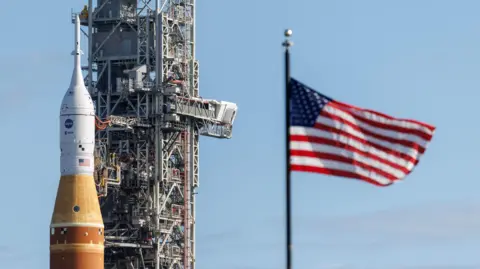
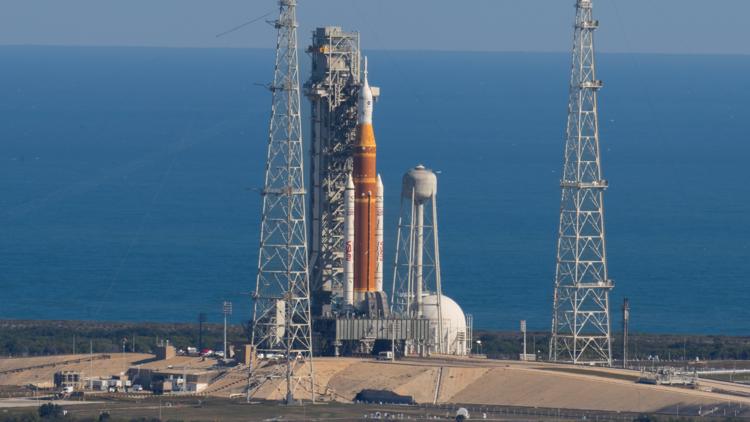
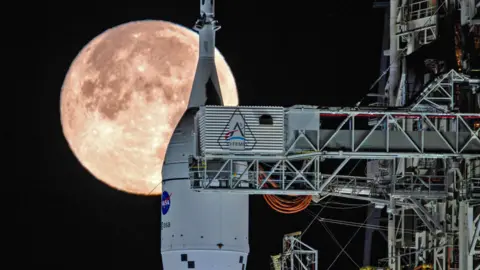

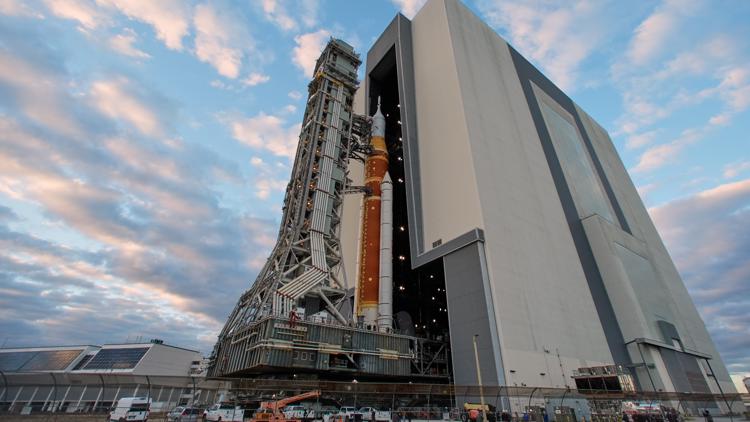
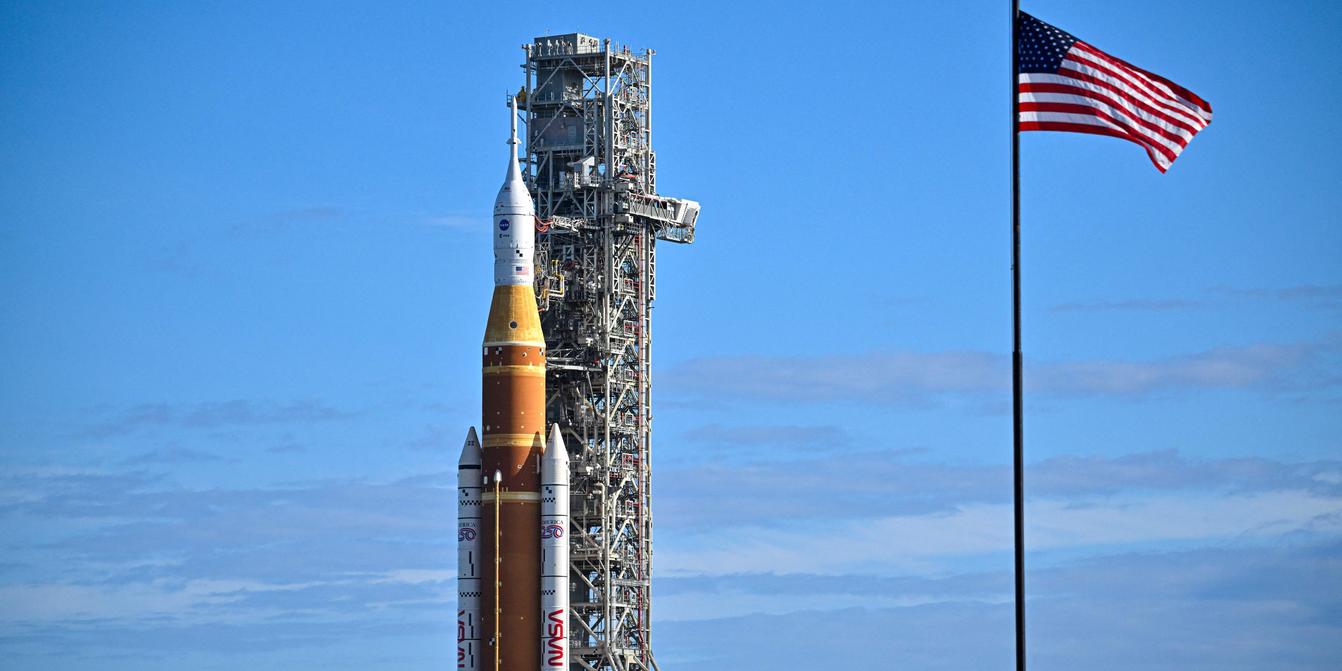

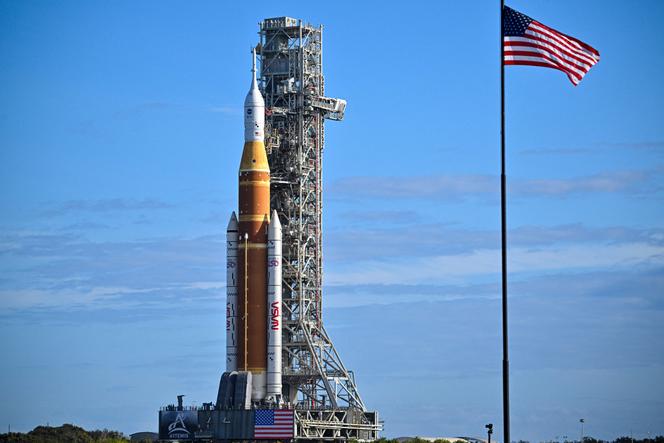
Helium‑Flow Interruption Triggers March Launch Cancellation On the night of 21 February 2026 engineers recorded a loss of helium flow to the Space Launch System’s interim cryogenic propulsion stage, a condition essential for tank pressurization and engine purging. NASA Administrator Jared Isaacman announced that the March 6 launch window was “out of consideration” and ordered the 322‑foot rocket back to the Vehicle Assembly Building for repairs[1][2]. The problem is confined to the upper‑stage helium system and is unrelated to earlier hydrogen‑leak issues that had already pushed the mission back a month[1].
Rollback and Repair Plans Target April Launch Opportunities NASA prepared to move the SLS and Orion capsule to Kennedy’s Vehicle Assembly Building, though some fixes might be performed at Launch Complex 39; either option eliminates a March liftoff[1][5]. Viable April dates—April 1, April 3‑6, and April 30—are now the final launch windows for Artemis II[3]. Officials suspect a defective filter, valve or connection plate and stress that uninterrupted solid helium flow must be restored before a safe launch[1][5].
Crew Remains Fixed Amid Schedule Shifts The four‑person crew—Commander Reid Wiseman, pilot Victor Glover, mission specialist Christina Koch, and Canadian astronaut Jeremy Hansen—has entered a mandatory two‑week health quarantine as preparation for the revised schedule[5][7]. All outlets agree the mission will last about ten days, with two days of Orion checkout near Earth followed by a lunar flyby of the far side[3][8]. Success of this flight is intended to validate Orion and SLS performance and clear the path for Artemis III’s 2028 Moon landing[2][10].
Earlier Hydrogen Leak Issues Now Largely Resolved wet‑dress rehearsal on 3 February revealed hydrogen leaks in the cryogenic propellant system, prompting a postponement of the early‑February launch attempt[8]. Subsequent repairs to seals and filters eliminated most leaks, and a second fueling test on 22 February showed minimal hydrogen loss, restoring confidence for a potential launch[1][5]. NASA officials described the second test as a “big step in earning our right to fly”[9].
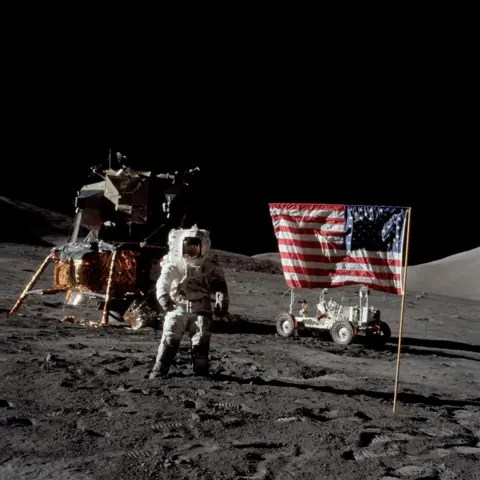
Broader Context: International Lunar Competition Isaacman acknowledged public disappointment but emphasized that Artemis II will be the first crewed lunar orbit since Apollo 17 in 1972[2]. The Hindu highlighted China’s upcoming Chang’e 7 mission and its 2030 crewed‑landing goal, adding pressure to NASA’s timeline[6]. Despite the delay, NASA maintains that Artemis II marks a critical step toward returning humans to the Moon after five decades[7].
Sources
-
1.
King5: NASA Pushes Artemis II Moon Flight to April After Helium‑Flow Fault – Details the helium‑flow interruption, rollback to the Vehicle Assembly Building, possible filter/valve cause, and the elimination of the March launch window while noting earlier hydrogen‑leak fixes.
-
2.
BBC: NASA Delays Artemis II Moon Mission After Helium Issue – Reports the March 6 launch removal, crew lineup, administrator’s comment on disappointment, and the mission’s role in paving the way for Artemis III.
-
3.
WBNS: Artemis II launch pushed to April after helium‑flow and leak setbacks – Covers the Feb 6 leak, helium‑flow fault on Feb 21, April launch windows, crew details, and mission objectives.
-
4.
King5: Artemis II launch pushed to April after helium‑flow and leak setbacks – Mirrors WBNS story, emphasizing multiple April launch slots and the unchanged four‑person crew.
-
5.
WBNS: Artemis II launch delayed as helium‑flow problem forces rollback – Focuses on the rollback to Kennedy, X announcement by Isaacman, repair constraints, crew quarantine, and the interim stage’s role in orbit and docking practice.
-
6.
The Hindu: NASA Chief Cancels March Artemis 2 Launch Over Helium‑Flow Fault – Highlights the cancellation, rollback, crew composition, original March 6 target, program’s history of delays, and China’s parallel lunar ambitions.
-
7.
Le Monde: NASA postpones Artemis‑2 launch after helium‑flow fault discovered – Notes the technical fault discovery, return to assembly building, crew quarantine status, and the range of March and April launch slots.
-
8.
WBNS: NASA Targets March 6 Artemis II Launch After Successful Wet Dress Rehearsal – Reports the successful rehearsal, resolution of earlier hydrogen leaks, admin praise, quarantine start, and mission profile before the delay emerged.
-
9.
King5: Artemis II May Launch March 6 After Successful Wet‑Dress Rehearsal – Similar to the WBNS Feb 20 story, emphasizing progress, crew quarantine, and the mission’s significance as the first crewed lunar flight since Apollo.
-
10.
BBC: NASA Sets Early March Launch for Artemis II Lunar Flyby – Sets the earliest launch date, outlines the crew, details the wet‑dress rehearsal fixes, crew morale, mission trajectory, and its importance for Artemis III’s 2028 landing goal.
Related Tickers
Videos (1)
Timeline
1972 – Apollo 17 completes the last crewed lunar mission, establishing a 50‑year gap that Artemis II will close [7].
Nov 2022 – Artemis I finally launches after multiple delays, marking NASA’s first uncrewed SLS/Orion flight and setting the stage for crewed missions [4].
Jan 21 2026 – The Artemis II crew begins a two‑week health quarantine, a prerequisite for the upcoming launch schedule [3].
Feb 3 2026 – The first wet‑dress rehearsal at Kennedy reveals hydrogen leaks in the SLS cryogenic system, forcing NASA to push back its early‑February launch goal [7].
Feb 6 2026 – A second launch window opens, but a wet‑dress rehearsal leak in the cryogenic propellant system again postpones the mission, highlighting persistent propulsion issues [5][8].
Feb 20 2026 – After fixing the hydrogen‑leak problems, NASA announces that a successful second wet‑dress rehearsal clears the way for an earliest launch on Mar 6, and Lori Glaze says the crew is “excited… every night I look up at the Moon… we’re ready” [2][10].
Feb 21 2026 – Engineers detect an overnight interruption in helium flow to the SLS interim cryogenic propulsion stage; Isaacman posts on X that the fault “takes the March window out of consideration,” and NASA prepares to roll the rocket back to the Vehicle Assembly Building [1][6][11].
Feb 21 2026 – NASA chief Jared Isaacman formally cancels the March launch, citing the helium‑flow fault and ordering the SLS and Orion to be moved for repairs [4].
Mar 6 2026 – The previously targeted launch date is removed from the schedule, confirming that no crewed flight will occur in March [1][5][9].
Apr 1, 3‑6, 30 2026 – NASA lists these dates as the final viable launch opportunities for Artemis II, marking April as the last month the mission can fly before the window closes [5][8].
2028 (planned) – Artemis III aims to land astronauts on the Moon using a SpaceX‑built Starship lander, a goal that Artemis II’s success is intended to enable [2][1].
2026 (future) – China prepares to launch the uncrewed Chang’e 7 mission and continues its ambition for a crewed lunar landing by 2030, adding competitive pressure on NASA’s timeline [4].
Dive deeper (8 sub-stories)
-
King5 (Seattle, WA): NASA Pushes Artemis II Moon Flight to April After Helium‑Flow Fault
-
BBC: NASA Delays Artemis II Moon Mission After Helium Issue
-
Artemis II Launch Rescheduled to April After Helium‑Flow Failure and Cryogenic Leak
(2 articles)
-
Artemis II Launch Delayed After Helium‑Flow Fault Forces Kennedy Rollback
(2 articles)
-
The Hindu: NASA Chief Cancels March Artemis 2 Launch Over Helium‑Flow Fault
-
NASA Sets March 6 Target for Artemis II After Wet‑Dress Rehearsal Success
(2 articles)
-
BBC: NASA Sets Early March Launch for Artemis II Lunar Flyby
-
CNN: NASA Targets March Launch for Artemis II After Wet Dress Rehearsal Issues
All related articles (11 articles)
-
King5 (Seattle, WA): NASA Pushes Artemis II Moon Flight to April After Helium‑Flow Fault
-
BBC: NASA Delays Artemis II Moon Mission After Helium Issue
-
WBNS (Columbus, OH): Artemis II launch pushed to April after helium‑flow and leak setbacks
-
King5 (Seattle, WA): Artemis II launch pushed to April after helium‑flow and leak setbacks
-
WBNS (Columbus, OH): Artemis II launch delayed as helium‑flow problem forces rollback
-
The Hindu: NASA Chief Cancels March Artemis 2 Launch Over Helium‑Flow Fault
-
Le Monde: NASA postpones Artemis‑2 launch after helium‑flow fault discovered
-
WBNS (Columbus, OH): NASA Targets March 6 Artemis II Launch After Successful Wet Dress Rehearsal
-
King5 (Seattle, WA): Artemis II May Launch March 6 After Successful Wet‑Dress Rehearsal
-
BBC: NASA Sets Early March Launch for Artemis II Lunar Flyby
-
CNN: NASA Targets March Launch for Artemis II After Wet Dress Rehearsal Issues
External resources (11 links)
- https://www.youtube.com/watch?v=rayK1pwhzEs (cited 2 times)
- https://www.nasa.gov/humans-in-space/astronauts/christina-koch/ (cited 4 times)
- https://www.nasa.gov/humans-in-space/astronauts/g-reid-wiseman/ (cited 4 times)
- https://www.nasa.gov/humans-in-space/astronauts/victor-j-glover/ (cited 4 times)
- https://www.nasa.gov/blogs/missions/2026/02/03/nasa-conducts-artemis-ii-fuel-test-eyes-march-for-launch-opportunity/ (cited 2 times)
- https://x.com/NASA/status/2014042718041747820?s=20 (cited 4 times)
- https://t.co/PuuULJ1QkG (cited 2 times)
- https://x.com/NASAAdmin/status/2018578937115271660 (cited 1 times)
- https://x.com/NASAAdmin/status/2025231621436186837 (cited 1 times)
- https://x.com/nasaadmin/status/2025249086908125630?s=46&t=azFssPL0RBPgx-fRnvr5MA (cited 1 times)