NASA Shifts Artemis II Launch to April After Helium‑Flow Fault Forces Rollback
Updated (23 articles)
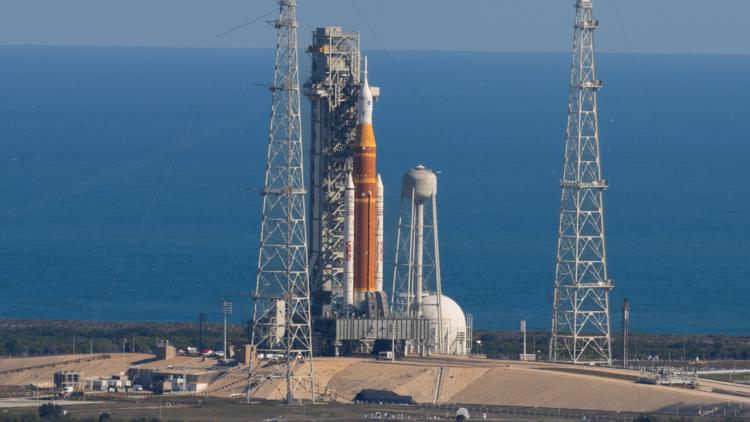
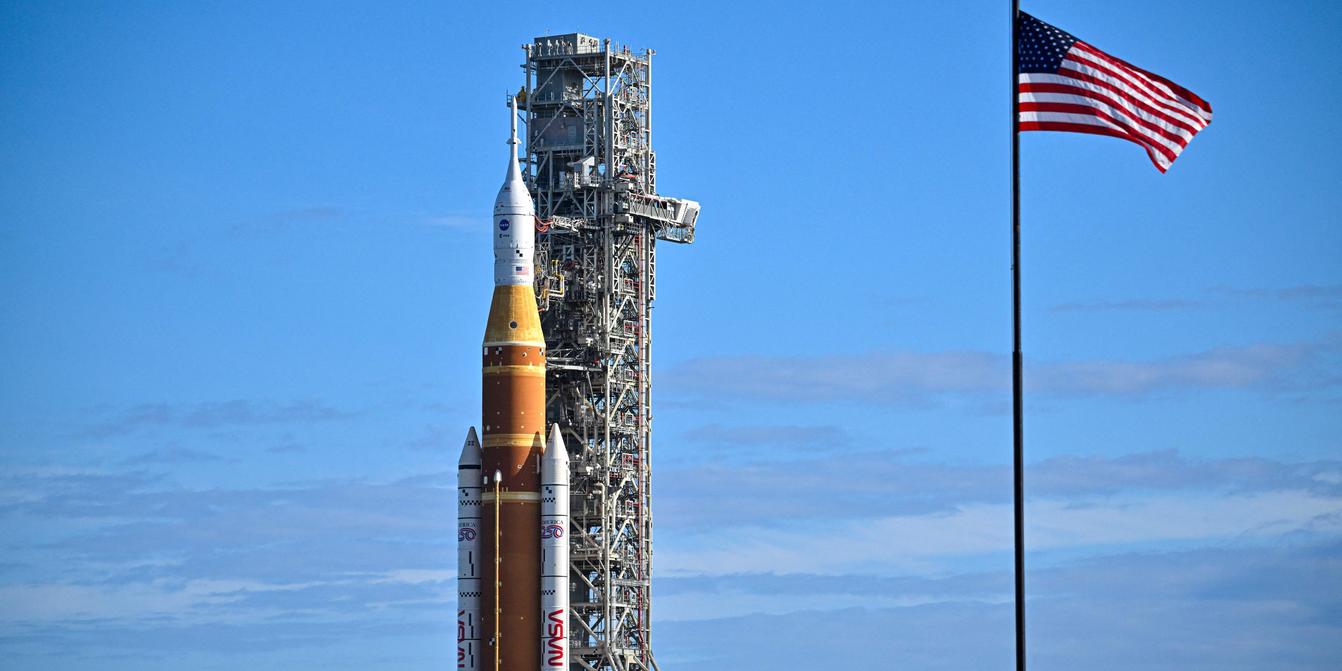
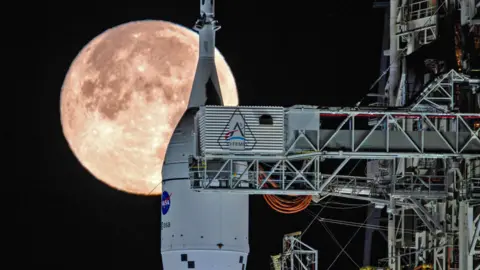

Helium‑Flow Interruption Forces March Launch Cancellation Overnight checks on 21 February revealed a loss of helium pressure in the Space Launch System’s interim cryogenic propulsion stage, a condition that prevents tank pressurization and engine purging. NASA declared the 6 March launch window “out of consideration” and moved the earliest possible liftoff to April 2026 [1][2][3][6][7]. Engineers isolated the problem to the upper‑stage helium system, confirming it is unrelated to earlier hydrogen‑leak issues that had already delayed the schedule [1][5].
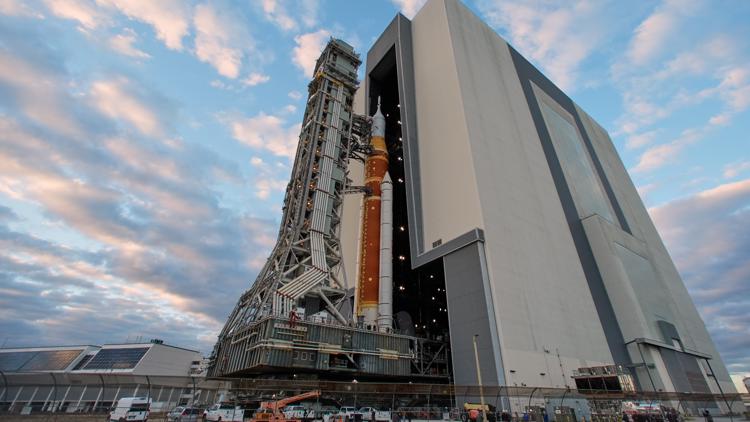
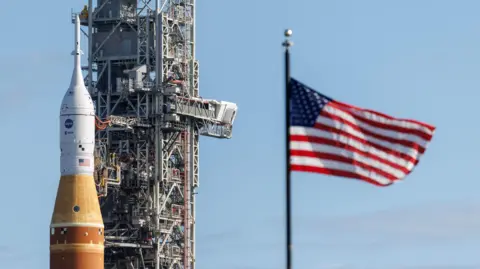
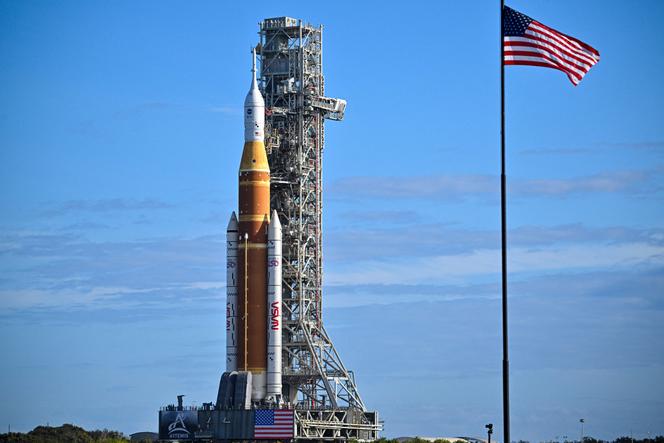
Rollback to Vehicle Assembly Building Initiated for Repairs Administrator Jared Isaacman ordered the SLS rocket and Orion capsule to be rolled back to the Vehicle Assembly Building at Kennedy Space Center for detailed investigation [1][4][5][6]. The rollback eliminates any March launch opportunity because the vehicle must be inspected, and possibly have a faulty filter, valve or connection plate replaced [1][6]. NASA spokesperson Cheryl Warner noted that some repairs could occur at the launch pad, but any option still precludes a March liftoff [1][4].
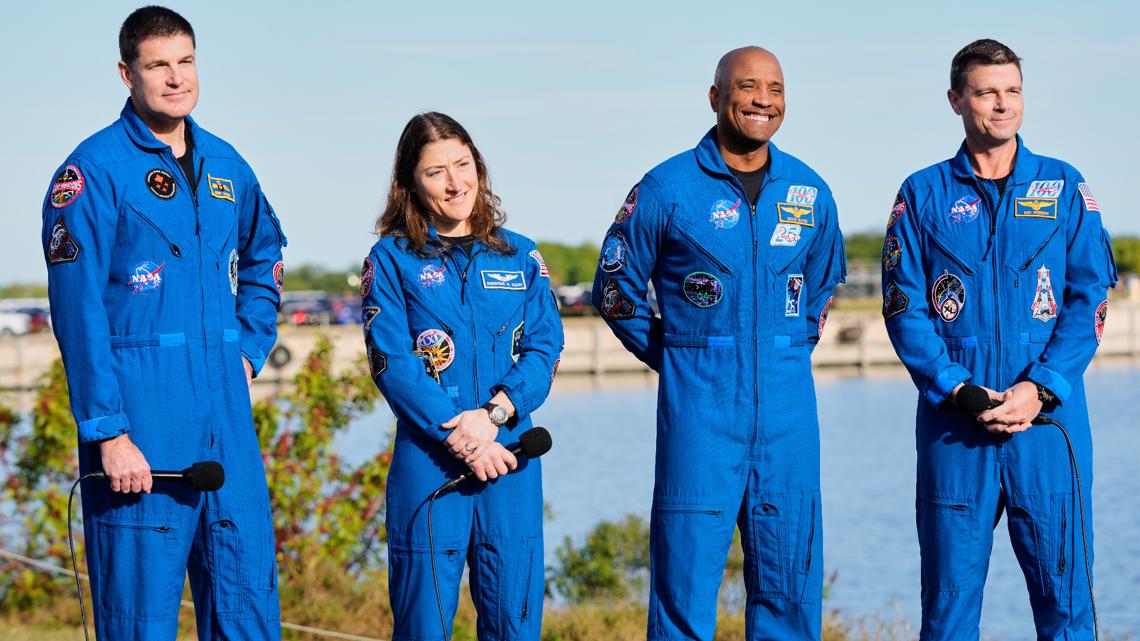
Crew and Mission Profile Remain Unchanged The four‑person crew—Commander Reid Wiseman, Pilot Victor Glover, Mission Specialist Christina Koch, and Canadian astronaut Jeremy Hansen—continues to train for the ten‑day lunar flyby [2][3][8][9][10]. Their mission will spend two days checking Orion’s systems in Earth orbit, then travel toward the Moon for a far‑side flyby before returning to a Pacific splash‑down [2][3][10]. A mandatory two‑week health quarantine began on Friday night for all crew members, as standard pre‑launch protocol [5][8][9].
April Launch Windows Identified Amid Ongoing Checks NASA listed specific April opportunities: 1 April, 3‑6 April, and 30 April, marking the final month in which the mission can launch this year [3][4]. The agency continues to conduct final safety, operations, and weather assessments before confirming a slot [8][9][10]. Despite the setback, officials stress that the mission remains critical for validating Orion and SLS performance ahead of Artemis III’s planned 2028 lunar landing [2][6][10].
Sources
-
1.
King5: NASA Pushes Artemis II Moon Flight to April After Helium‑Flow Fault: Details the helium‑flow interruption, possible filter/valve cause, rollback to the hangar, and confirms the crew and April launch windows .
-
2.
BBC: NASA Delays Artemis II Moon Mission After Helium Issue: Highlights the cancelled March 6 launch, crew lineup, public disappointment, and links the mission to Artemis III’s 2028 landing goal .
-
3.
WBNS: Artemis II launch pushed to April after helium‑flow and leak setbacks: Emphasizes the February 6 leak, specific April dates (1, 3‑6, 30), and mission objectives for Orion system testing .
-
4.
King5: Artemis II launch pushed to April after helium‑flow and leak setbacks: Mirrors WBNS but adds that multiple launch opportunities remain through April despite potential further delays .
-
5.
WBNS: Artemis II launch delayed as helium‑flow problem forces rollback: Focuses on the VAB rollback, X‑post by Isaacman, solid helium requirement, and crew quarantine .
-
6.
The Hindu: NASA Chief Cancels March Artemis 2 Launch Over Helium‑Flow Fault: Provides context on earlier hydrogen‑leak fixes, the March 6 target, and notes China’s parallel lunar ambitions .
-
7.
Le Monde: NASA postpones Artemis‑2 launch after helium‑flow fault discovered: Reports the technical fault, VAB return, and the possibility for the crew to exit quarantine early .
-
8.
WBNS: NASA Targets March 6 Artemis II Launch After Successful Wet Dress Rehearsal: Covers the optimism after a successful wet‑dress rehearsal, quarantine start, and mission timeline before the fault emerged .
-
9.
King5: Artemis II May Launch March 6 After Successful Wet‑Dress Rehearsal: Highlights the successful rehearsal, crew preparation, and the mission’s significance as the first crewed lunar flight since 1972 .
-
10.
BBC: NASA Sets Early March Launch for Artemis II Lunar Flyby: Sets the earliest launch date of 6 March, outlines the detailed mission profile, and connects success to Artemis III’s 2028 landing plan .
Videos (1)
Timeline
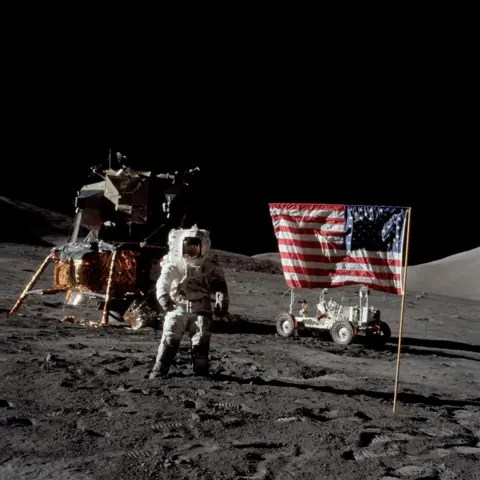
Dec 1972 – Apollo 17 completes the last crewed Moon landing, ending a half‑century gap that Artemis II seeks to close [4].
Sep 2025 – NASA schedules Artemis II for a possible launch on Feb 5, names the crew (Wiseman, Glover, Koch, Hansen) and stresses the mission will test Orion and SLS for a future landing [5].
31 Dec 2025 – Artemis II remains on track for a launch as early as Feb 6; NASA resolves the Artemis I heat‑shield wear issue and highlights the flight as a stepping‑stone amid U.S.–China lunar competition [9].
17 Jan 2026 – NASA rolls the 322‑ft SLS and Orion capsule to Launch Pad 39B, marks the first formal step toward a 10‑day lunar flyby, and confirms the crew will not land but will follow a free‑return trajectory with a launch window from early Feb to late Apr [8].
18 Jan 2026 – The SLS arrives at Pad 39B, opening launch windows from 6 Feb onward; NASA stresses safety as the European Service Module provides essential propulsion for Orion [3].
18 Jan 2026 – NASA opens virtual boarding‑pass sign‑ups, loads over 1.5 million public names onto an SD card for the flight, and notes the launch will await a fueling test before a firm date is set [16].
30 Jan 2026 – NASA sets the first launch window to begin 8 Feb, confirms the four‑person crew, and Acting Associate Administrator Lori Glaze calls Artemis II a “key test flight” that paves the way to a Moon landing and eventual Mars missions [15].
30 Jan 2026 – NASA announces Artemis II will launch in early Feb after the SLS rollout, references Apollo 17 as the last crewed Moon mission and outlines Artemis III’s planned 2028 lunar landing using a Starship‑derived lander [4].
3 Feb 2026 – CNN’s “Countdown” newsletter promotes Artemis II’s earliest possible launch on 6 Mar, emphasizing it as humanity’s first deep‑space crewed flight since 1972 [7].
3 Feb 2026 – After a wet‑dress rehearsal reveals hydrogen‑leak problems, NASA shifts the target launch to Mar 2026, adjusts the crew’s quarantine schedule, and notes a second rehearsal will follow [6].
17 Feb 2026 – A planetary parade begins, with Venus, Jupiter and Saturn visible; NASA still targets a 8 Feb launch for Artemis II but warns a polar vortex could delay the required cryogenic “tanking day” [20].
20 Feb 2026 – Following a successful second wet‑dress rehearsal that fixes earlier leaks, NASA announces a March 6 earliest launch, with Administrator Jared Isaacman calling the test “major progress” and launch director Charlie Blackwell‑Thompson saying it is “a big step in earning our right to fly” [14].
20 Feb 2026 – NASA confirms the crew’s morale is high, quoting Lori Glaze: “Every night I look up at the Moon… we’re ready,” as the agency eyes a March launch after the rehearsal [2].
20 Feb 2026 – NASA states Artemis II could lift off on 6 Mar after the wet‑dress rehearsal, positioning the mission as the first crewed lunar flyby since Apollo 17 [19].
21 Feb 2026 – Engineers detect an overnight interruption in helium flow to the SLS interim cryogenic stage, forcing a rollback to the Vehicle Assembly Building, removing the March 6 window and pushing the earliest possible launch to April 2026 [1].
21 Feb 2026 – Administrator Jared Isaacman posts on X that the helium‑flow fault “takes the March launch window out of consideration,” expresses disappointment, and orders a rollback while investigators examine a possible bad filter, valve or connection plate [11].
21 Feb 2026 – NASA announces new launch opportunities on 1 Apr, 3‑6 Apr and 30 Apr, confirming Artemis II will still carry Wiseman, Glover, Koch and Hansen on a 10‑day lunar flyby after the April window [12].
21 Feb 2026 – NASA reiterates that the helium issue is separate from earlier hydrogen leaks, notes minimal leaks in a second fueling test, and emphasizes the mission will still validate Orion’s life‑support and SLS performance before a later lunar landing [18].
2028 (planned) – Artemis III aims to land astronauts on the Moon’s south pole using a SpaceX‑built Starship HLS, though NASA admits the timeline remains ambitious and depends on Starship’s readiness [1][2].
2026 – 2030 (future) – China plans an uncrewed Chang’e 7 mission in 2026 and a crewed lunar landing by 2030, heightening geopolitical pressure on NASA’s Artemis program [1][11].
Dive deeper (4 sub-stories)
-
NASA Shifts Artemis II Launch to April After Helium‑Flow Fault Forces Rollback
(11 articles)
-
Artemis II Launch Window Set for Feb 8, 2026, with Possible March 6 Slip Amid Cold‑Weather Risks
(9 articles)
-
NASA Opens Virtual Boarding Passes for Artemis II, Over 1.5 Million Names Already Registered
(2 articles)
-
AP: NASA moon rocket rolls to launch pad for crewed Artemis Moon flyaround
All related articles (23 articles)
-
King5 (Seattle, WA): NASA Pushes Artemis II Moon Flight to April After Helium‑Flow Fault
-
BBC: NASA Delays Artemis II Moon Mission After Helium Issue
-
WBNS (Columbus, OH): Artemis II launch pushed to April after helium‑flow and leak setbacks
-
King5 (Seattle, WA): Artemis II launch pushed to April after helium‑flow and leak setbacks
-
WBNS (Columbus, OH): Artemis II launch delayed as helium‑flow problem forces rollback
-
The Hindu: NASA Chief Cancels March Artemis 2 Launch Over Helium‑Flow Fault
-
Le Monde: NASA postpones Artemis‑2 launch after helium‑flow fault discovered
-
WBNS (Columbus, OH): NASA Targets March 6 Artemis II Launch After Successful Wet Dress Rehearsal
-
King5 (Seattle, WA): Artemis II May Launch March 6 After Successful Wet‑Dress Rehearsal
-
BBC: NASA Sets Early March Launch for Artemis II Lunar Flyby
-
CNN: NASA Targets March Launch for Artemis II After Wet Dress Rehearsal Issues
-
CNN: CNN Launches Countdown Newsletter Ahead of Artemis II Crew Mission
-
King5 (Seattle, WA): February Sky Above: Planet Parade, Artemis II Launch, and a New NASA Astronaut
-
WBNS (Columbus, OH): Artemis II Crewed Moon Flyby Set for Early February 2026
-
King5 (Seattle, WA): Artemis II crewed lunar flyby set for early February 2026
-
WBNS (Columbus, OH): NASA offers virtual boarding passes for Artemis II Moon mission
-
King5 (Seattle, WA): NASA opens Artemis II virtual boarding passes for Moon mission
-
BBC: Artemis II set for early February launch after SLS rollout
-
BBC: NASA’s SLS Rocket Reaches Launch Pad 39B for Artemis II
-
AP: NASA moon rocket rolls to launch pad for crewed Artemis Moon flyaround
-
CNN: Artemis II will fly near the Moon with four astronauts but not land
-
CNN: Artemis II on track for first crewed lunar mission with February launch target
-
BBC: Artemis II aims for February crewed lunar flyby with four astronauts
External resources (20 links)
- https://www.youtube.com/watch?v=rayK1pwhzEs (cited 2 times)
- https://www.nasa.gov/humans-in-space/astronauts/christina-koch/ (cited 6 times)
- https://www.nasa.gov/humans-in-space/astronauts/g-reid-wiseman/ (cited 6 times)
- https://www.nasa.gov/humans-in-space/astronauts/victor-j-glover/ (cited 6 times)
- https://www.nasa.gov/news-release/launch-your-name-around-moon-in-2026-on-nasas-artemis-ii-mission/ (cited 6 times)
- https://www3.nasa.gov/send-your-name-with-artemis/ (cited 4 times)
- https://www.nasa.gov/blogs/missions/2026/02/03/nasa-conducts-artemis-ii-fuel-test-eyes-march-for-launch-opportunity/ (cited 2 times)
- https://x.com/NASA/status/2014042718041747820?s=20 (cited 4 times)
- https://t.co/5nu5GdtPvo (cited 2 times)
- https://t.co/PuuULJ1QkG (cited 2 times)
- https://t.co/XWDUrrQxhd (cited 2 times)
- https://t.co/ZUh4kMIQqO (cited 2 times)
- https://t.co/xHhp44Qzr4 (cited 2 times)
- https://twitter.com/hashtag/Artemis?src=hash&ref_src=twsrc%5Etfw (cited 2 times)
- https://x.com/NASA/status/2012969742559060312?s=20 (cited 2 times)
- https://x.com/NASAAdmin/status/2018578937115271660 (cited 1 times)
- https://x.com/NASAAdmin/status/2025231621436186837 (cited 1 times)
- https://x.com/nasaadmin/status/2025249086908125630?s=46&t=azFssPL0RBPgx-fRnvr5MA (cited 1 times)
- https://www.asc-csa.gc.ca/eng/astronauts/canadian/active/bio-jeremy-hansen.asp (cited 6 times)
- https://bit.ly/4q4Vy1O (cited 2 times)