India Secures EU and US Free‑Trade Pacts Amid Utilization and Rules Challenges
Updated (43 articles)
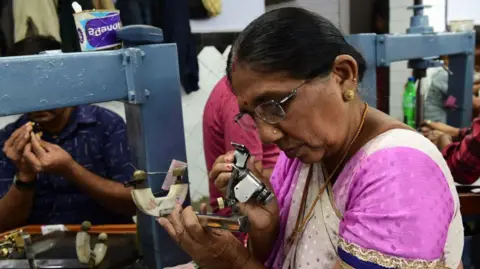
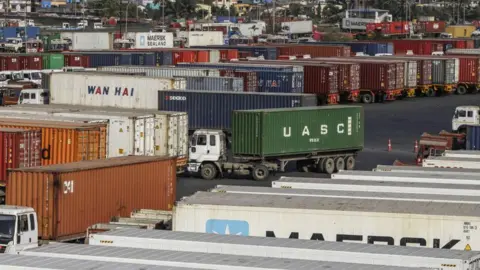
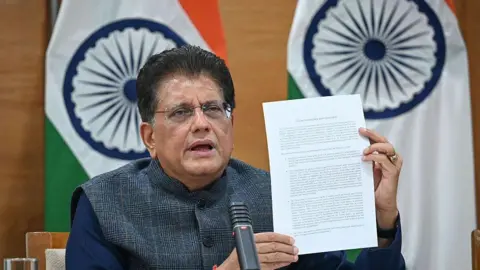
Landmark FTAs with EU and US Finalized Before March 2026 India concluded free‑trade agreements with the European Union and the United States, dubbed the “mother” and “father” of trade deals, marking its tenth FTA since 2014 and signalling a strategic shift away from long‑standing protectionist policies[1]. The accords were signed in early 2026, just weeks before the article’s publication on 18 February 2026. Critics note that the interim U.S. pact heavily favors American interests, raising concerns about balance in the agreements[1].
Trade Volume Shifts Reveal Imbalanced Gains Export values to FTA partners rose 31 % between 2017 and 2022, while imports from those partners surged 82 % in the same period, indicating a pronounced trade imbalance despite preferential tariffs[1]. Utilisation of the agreements remains low, with only about 25 % of their potential tapped compared with 70‑80 % in developed economies[1]. Analysts describe this as an “alarming failure” to fully leverage market access granted by the treaties[1].
Operational Barriers Threaten Full Benefits Experts warn that self‑certified Rules of Origin, high documentation costs, and lingering non‑tariff barriers could blunt the expected gains from the new FTAs[1]. They argue that operational efficiency, rather than tariff reductions alone, will determine competitiveness, citing Vietnam’s rapid growth driven by speed rather than tariff advantages[1]. Recommendations include streamlining certification processes and reducing bureaucratic overhead to improve uptake[1].
India Expands Negotiations to Gulf Cooperation Council Following the EU and U.S. deals, India launched talks with the Gulf Cooperation Council, a bloc accounting for roughly 15 % of its global trade, aiming to broaden market access and diversify export destinations[1]. These negotiations signal a broader outreach strategy beyond Western partners. The GCC talks are expected to complement the newly signed FTAs and address some of the utilization challenges highlighted earlier[1].
Timeline
2007 – The European Union and India launch free‑trade negotiations, marking the first formal attempt to link the 27‑nation bloc with the world’s most populous country[4].
July 2022 – EU‑India talks revive after a long hiatus, accelerating progress toward a comprehensive agreement that had stalled for years[4].
2023 – The EU withdraws its Generalised System of Preferences for India, eroding tariff advantages on garments, pharmaceuticals, steel and other sectors and prompting Delhi to seek new market access[5].
2024 – The EU finalises its Mercosur trade pact, creating a regional precedent that pressures both Brussels and New Delhi to close their own long‑running negotiations[3].
30 July 2025 – President Donald Trump imposes a 25 % tariff on Indian imports, linking the measure to India’s purchases of Russian oil and signalling a sharp turn in bilateral trade policy[30].
27 August 2025 – The United States expands the tariff on Indian goods to 50 % via an executive order, intensifying economic pressure on Delhi amid stalled trade talks[30].
29 December 2025 – Australia announces zero‑duty access for all Indian export categories from 1 January 2026, expanding the Economic Cooperation and Trade Agreement and boosting Indian exporters’ market confidence[28].
1 January 2026 – The EU’s Carbon Border Adjustment Mechanism (CBAM) takes effect, taxing Indian steel and aluminium shipments and raising concerns about non‑tariff barriers in the pending EU‑India FTA[27].
5 January 2026 – President Trump claims India has cut Russian oil purchases to please the United States, linking oil policy directly to the ongoing tariff dispute[26].
8 January 2026 – Trump backs a bipartisan “Russia Sanctions Act” that would allow up to 500 % tariffs on secondary buyers of Russian oil and withdraws the United States from the India‑led International Solar Alliance, heightening diplomatic pressure on New Delhi[25].
9 January 2026 – U.S. ambassador‑designate Sergio Gor arrives in India, signalling a new diplomatic phase while the United States continues to press for a final trade pact; the same day, Commerce Secretary Howard Lutnick alleges Modi failed to call Trump to close the deal, a claim the MEA rebuts as inaccurate[19,24,20].
9 January 2026 – India and the EU hold two‑day FTA talks in Brussels, reaffirming a rules‑based framework that protects farmers and MSMEs and advancing toward a conclusion after 16 negotiation rounds[22,23].
12 January 2026 – U.S. ambassador Sergio Gor confirms that trade talks remain active and schedules the next call, while both sides blame the other for any delays in signing a bilateral agreement[18].
24 January 2026 – Ahead of India’s Republic Day celebrations, EU leaders plan to attend the January 26 ceremony and use the event to push the pending free‑trade pact, which both sides label the “mother of all deals”[5].
26 January 2026 – European Council President Antonio Luis Santos da Costa and Commission President Ursula von der Leyen serve as chief guests at India’s Republic Day parade, underscoring the political importance of finalising the EU‑India agreement[5].
27 January 2026 – The EU and India formally announce a landmark free‑trade agreement covering 25 % of global GDP and a two‑billion‑person market, cutting tariffs on chemicals, machinery, aircraft and cars while leaving sensitive agricultural products excluded[4].
27 January 2026 – The EU‑India deal gains momentum as leaders call it the “mother of all deals,” but experts warn that the EU’s Carbon Border Adjustment Mechanism and unresolved IP, agriculture and carbon‑emission issues could delay ratification by the European Parliament and Council[3].
2 February 2026 – Prime Minister Narendra Modi announces that the United States will apply an 18 % tariff on Indian goods, replacing the 50 % penalty, and President Trump declares a “trade deal” that also removes the Russian‑oil penalty and pledges $500 billion of Indian purchases of U.S. products[17,2].
3 February 2026 – Markets react positively as Indian equities surge and the rupee strengthens following the tariff cut, while officials note that the agreement still excludes agriculture and dairy and that detailed implementation steps remain pending[15,12].
4 February 2026 – Parliament debates the India‑U.S. trade deal: Commerce Minister Piyush Goyal asserts full protection for agriculture and dairy, opposition MPs warn of farmer protests and question the $500 billion purchase commitment, and senior officials highlight ongoing technical work and the need for a formal announcement[8,9,10,11,13,14].
5 February 2026 – Commerce Minister Piyush Goyal says India and the United States will sign a joint statement on the first tranche of their Bilateral Trade Agreement within the next 4‑5 days, paving the way for U.S. tariff reductions, while a legal agreement expected in mid‑March will allow India to lower its MFN tariffs on U.S. products[6].
5 February 2026 – Congress leader G. M. Kharge warns that the India‑U.S. trade deal could trigger massive farmer protests similar to the 2021 farm‑law backlash, arguing the pact would “destroy” Indian agriculture[7].
18 February 2026 – India clinches both the EU and U.S. free‑trade agreements, completing its tenth FTA since 2014, but analysts warn that low utilisation (≈ 25 % of potential) and self‑certified Rules of Origin, high documentation costs and non‑tariff barriers could blunt the expected gains; India also launches Gulf Cooperation Council talks covering 15 % of its global trade[1].
Dive deeper (12 sub-stories)
-
India Secures EU and U.S. Free‑Trade Agreements Yet Faces Utilization Challenges
(6 articles)
-
Trump, Modi Seal India‑U.S. Trade Framework Cutting Tariffs to 18% and Pledging $500 Billion Imports
(15 articles)
-
India and U.S. Set to Sign Joint Trade Statement Within Days, Legal Pact Expected Mid‑March
(3 articles)
-
India‑U.S. Trade Deal Advances Amid Farmer Protest Threats and Parliamentary Turmoil
(3 articles)
-
The Hindu: Opposition MPs Press Government Over India‑U.S. Trade Deal Impact on Farmers
-
Congress Calls for Parliamentary Debate as US Lowers Tariffs and EU Pact Finalized
(4 articles)
-
US Ambassador Gor Confirms Ongoing India‑US Trade Talks, Next Call Set for Tuesday
(3 articles)
-
Goyal’s Brussels Mission Boosts Momentum Toward Early India‑EU Free Trade Deal
(3 articles)
-
Trump Supports 500% Tariffs, Withdraws from Solar Alliance, Envoy Arrives in Delhi
(2 articles)
-
The Hindu: Trump says India cut Russian oil to please him; Graham backs ambassador claim
-
The Hindu: EU carbon border tax hits Indian exports to EU, says Jairam Ramesh
-
The Hindu: Australia to remove tariffs on 100% of Indian exports from Jan 1, 2026, says Goyal
All related articles (43 articles)
-
BBC: India clinches EU and US trade pacts, but utilisation and rules pose hurdles
-
The Hindu: India‑US Trade Deal Promises Tariff Cuts and $500 Billion Imports
-
The Hindu: India and U.S. Near Trade Deal: Joint Statement Expected in Days, Legal Agreement by Mid‑March
-
The Hindu: Congress Leader Kharge Warns of Farmer Protests Over India‑U.S. Trade Deal
-
The Hindu: India‑U.S. Trade Deal Protects Agriculture, Cuts Dairy Tariffs, Sparks Parliamentary Row
-
The Hindu: India’s Sharad Pawar Flags Farmer Concerns Over New U.S. Tariff Policy
-
The Hindu: India to End Russian Oil Purchases and Commit $500 Billion to U.S. Investment, Trump Announces
-
The Hindu: India‑U.S. Talks Advance Trade Deal and Critical Minerals Cooperation
-
The Hindu: India‑U.S. Trade Deal Relieves Exporters, Sparks Farmer Opposition
-
The Hindu: India‑US Trade Deal Cuts Tariffs, Yet Details Remain Unclear
-
The Hindu: Opposition MPs Press Government Over India‑U.S. Trade Deal Impact on Farmers
-
The Hindu: India‑U.S. Trade Deal Excludes Agriculture, Lowers U.S. Tariffs, and Promises Broad Export Gains
-
Newsweek: Trump Announces Surprise US‑India Trade Deal Reducing Tariffs to 18%
-
The Hindu: India‑U.S. Trade Deal Cuts Tariffs to 18%, Sparks Market Rally and Industry Praise
-
The Hindu: Congress Demands Parliament Review of India‑US and EU Trade Deals
-
The Hindu: U.S. Cuts Tariffs on Indian Goods to 18% Amid Unresolved Trade Deal Details
-
The Hindu: India‑U.S. Trade Deal Lowers Indian Tariffs to 18% Amid Praise and Criticism
-
AP: Trump Announces 18% Tariff Cut for India After Russian Oil Deal
-
BBC: US‑India Trade Deal Cuts Tariffs to 18% After India Halts Russian Oil Purchases
-
The Hindu: Modi and Trump announce 18% U.S. tariff on “Made in India” goods
-
BBC: India‑EU Trade Deal Gains Momentum Amid Trump‑Era Tariff Pressures
-
CNN: India and EU Finalize Landmark Trade Pact, Await Formal Signing
-
BBC: EU and India seal landmark free‑trade pact amid US tariff pressures
-
AP: India and EU Finalize Free Trade Deal Amid US Tariff Pressures
-
BBC: India‑EU Trade Talks Intensify Ahead of Republic Day Summit
-
BBC: US ambassador says India-US trade talks continue amid tariff tensions
-
The Hindu: Goyal wraps Brussels trip, upbeat on early conclusion of India-EU FTA ahead of summit
-
The Hindu: MEA reaffirms balanced trade pact with US as Taliban diplomat arrives in Delhi and other developments
-
The Hindu: U.S. ambassador-designate Gor arrives in India, cites opportunities ahead
-
The Hindu: MEA rebuts Lutnick claim, says Modi-Trump spoke eight times in 2025 as trade talks persist
-
BBC: India denies Lutnick claim that Modi didn't call Trump as US-India trade talks stall
-
The Hindu: India–EU hold FTA talks in Brussels, reaffirm safeguards for farmers and MSMEs
-
The Hindu: India and EU hold Brussels FTA talks to protect farmers and MSMEs
-
The Hindu: Lutnick says Modi didn't call Trump, derailing India-U.S. trade deal
-
The Hindu: Trump's tariff and withdrawal moves heighten energy and diplomatic pressure on India as domestic and global stories unfold
-
The Hindu: Trump backs bill for up to 500% tariffs on Russian oil buyers and pulls U.S. from India-led International Solar Alliance
-
The Hindu: Trump says PM Modi is “not that happy” over US tariffs, cites cuts to Russian oil and Apache deliveries
-
The Hindu: Trump says U.S. tariff receipts will top $600B, touts national strength
-
The Hindu: Trump says India cut Russian oil to please him; Graham backs ambassador claim
-
The Hindu: EU carbon border tax hits Indian exports to EU, says Jairam Ramesh
-
The Hindu: Australia to remove tariffs on 100% of Indian exports from Jan 1, 2026, says Goyal
-
The Hindu: India enters 2025 with high diplomatic expectations, then faces U.S. tariffs and regional strain
-
The Hindu: Tariffs, reforms, and EV entries shape India's 2025 business year
External resources (14 links)
- https://www.youtube.com/@bbcnewsindia/featured (cited 5 times)
- https://www.mea.gov.in/Speeches-Statements.htm?dtl%2F39945%2FStatement_by_Official_Spokesperson (cited 1 times)
- https://www.pib.gov.in/PressNoteDetails.aspx?id=157070&NoteId=157070&ModuleId=3®=3&lang=2#:~:text=Bilateral%20trade%20volume%20reached%20approximately,increasing%20to%20%E2%82%AC29%20billion. (cited 1 times)
- https://www.reuters.com/world/china/indias-exports-defy-tariffs-strengthen-hand-us-trade-talks-2025-12-16/ (cited 1 times)
- https://www.reuters.com/world/india/eu-nears-historic-trade-deal-with-india-von-der-leyen-says-2026-01-20/ (cited 1 times)
- https://www.facebook.com/bbcindia/ (cited 5 times)
- https://www.instagram.com/bbcnewsindia/ (cited 5 times)
- https://x.com/BBCIndia (cited 5 times)
- https://t.co/gPz6rWtrxj (cited 1 times)
- https://t.co/hA1zbnt3JQ (cited 1 times)
- https://twitter.com/janusmyth?ref_src=twsrc%5Etfw (cited 1 times)
- http://xn--cross%20the%20eus%2027%20nations%20i-yl8v/ (cited 1 times)
- https://eastasiaforum.org/2023/09/19/what-went-wrong-with-indias-ftas/ (cited 1 times)
- https://www.hindustantimes.com/india-news/india-eu-trade-pact-to-be-very-important-geopolitical-stabiliser-antonio-costa-101769440061733.html (cited 1 times)