Trump Announces 15% Global Tariff, Threatens Higher Duties After Supreme Court Ruling
Updated (144 articles)
-
 Image: YonhapIndustry Minister Kim Jung-kwan (2nd from R) speaks at a meeting with private industries in Seoul on Feb. 23, 2026, to discuss South Korea's response to U.S. tariff policies following the U.S. Supreme Court's ruling against U.S. President Donald Trump's "reciprocal" tariffs. (Yonhap) Source Full size
 -
Image: YonhapIndustry Minister Kim Jung-kwan (2nd from R) speaks at a meeting with private industries in Seoul on Feb. 23, 2026, to discuss South Korea's response to U.S. tariff policies following the U.S. Supreme Court's ruling against U.S. President Donald Trump's "reciprocal" tariffs. (Yonhap) Source Full size



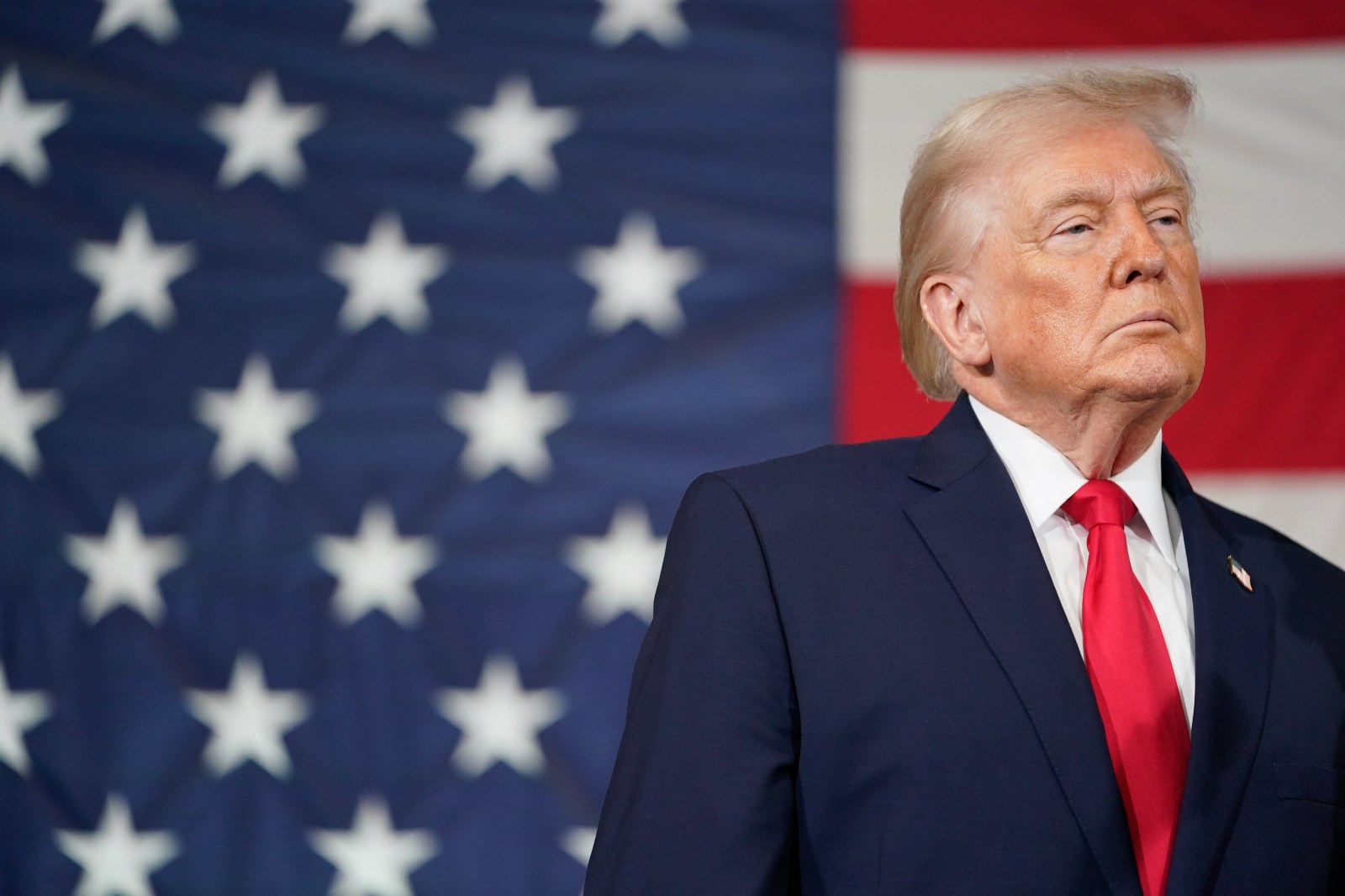


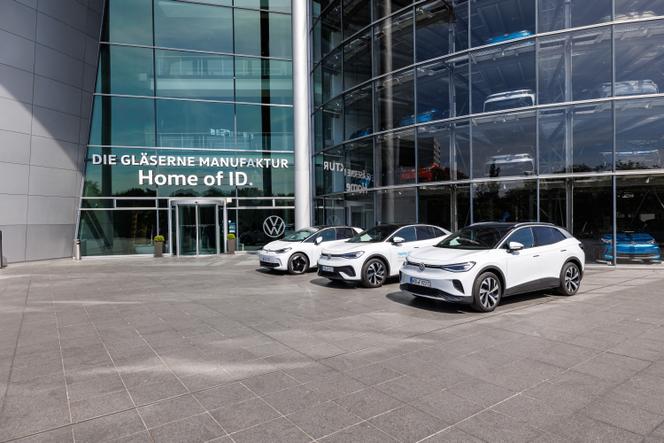
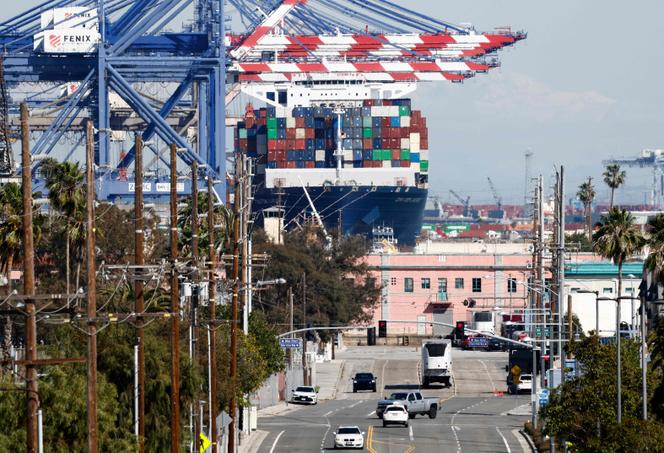
Supreme Court Nullifies IEEPA Tariffs, Halting Collections On February 20, 2026 the U.S. Supreme Court issued a 6‑3 decision striking down the emergency tariffs imposed under the 1977 International Emergency Economic Powers Act, ruling the president lacked authority to levy reciprocal duties [1][2][3][7][19]. U.S. Customs and Border Protection announced it would cease collecting the invalidated tariffs at 12:01 a.m. EST on February 24, 2026 [2][16]. The ruling eliminated roughly $130‑$175 billion in revenue generated by the IEEPA measures, prompting immediate legal and legislative responses [3][6][16].
Trump Shifts to 15% Global Tariff Under Trade Act Hours after the court’s decision, President Donald Trump invoked Section 122 of the 1974 Trade Act to impose a 10% blanket tariff on all imports, then announced it would rise to 15% effective Tuesday, February 24, 2026, with a 150‑day limit unless Congress renews it [1][2][3][7][8][9][13][14][15]. The proclamation cites “large and serious balance‑of‑payments deficits” as justification, though officials have previously acknowledged the statute’s limited relevance to trade‑deficit concerns [9][13]. The new duty replaces the voided IEEPA tariffs and applies to most goods, exempting certain products under the Trade Act framework [7][14].
Administration Threatens Higher Duties for Non‑Compliant Nations Trump posted on Truth Social that any country “playing games” with the Supreme Court ruling will face “a much higher tariff, and worse,” signaling potential escalation beyond the 15% baseline [1][2][7][8][10][11][12][13][14][15]. U.S. Trade Representative Jamieson Greer indicated the administration will pursue Section 301 investigations and may impose product‑specific surcharges, keeping pressure on exporters from the EU, India, the UK, South Korea and others [7][8][10][11]. The rhetoric underscores the president’s intent to use tariffs as leverage ahead of the 2026 midterm elections [13][15].
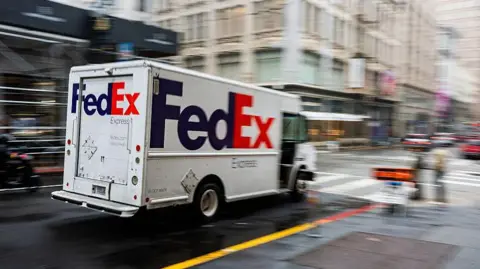
Congressional Refund Bills Target Hundreds of Billions Senate Democrats, led by Ron Wyden, Ed Markey and Jeanne Shaheen, introduced legislation requiring Customs to refund roughly $175 billion (or $134 billion in a separate proposal) collected under the invalidated tariffs, with interest and priority for small businesses [1][2][6][3]. The “Tariff Refund Act” aims to return funds within 180 days, citing consumer harm and upcoming elections as motivation [6][9]. Several importers, including FedEx, Revlon, Alcoa, Bumble Bee and Costco, have filed lawsuits seeking full reimbursement, adding pressure on the administration to resolve the refund process [3][5].
Sources
-
1.
AP: Trump Ups Tariff Threats After Supreme Court Strikes Down Most Import Taxes: Details Trump’s 15% global tariff announcement, threats to raise duties, executive order for 10% tariff, and Senate Democrats’ $175 billion refund bill .
-
2.
CNN: Trump administration updates: tariffs, SOTU, Iran talks, and drug‑boat strikes: Reports Supreme Court halt of IEEPA tariffs, Trump’s 15% global tariff via Section 122, Democrats’ $134 billion refund effort, and CBP collection stop .
-
3.
BBC: FedEx Sues for Full Refund After Supreme Court Strikes Trump Tariffs: Covers Supreme Court ruling, FedEx lawsuit, $130 billion revenue estimate, and Trump’s 10%‑to‑15% tariff under Trade Act .
-
4.
WBNS (Columbus, OH): Columbus firms brace for new 15% global tariff after Supreme Court decision: Highlights local business concerns in Columbus, the 15% tariff, and Ohio Governor DeWine’s investment comments .
-
5.
Yonhap: US Supreme Court voids reciprocal tariffs, Trump shifts to global duties: Explains court’s nullification of IEEPA tariffs, Trump’s 10‑15% global tariff, and South Korea’s $350 billion investment stance .
-
6.
AP: Senate Democrats Push Bill to Refund $175 Billion in Trump Tariff Revenues: Describes Democratic refund legislation targeting $175 billion, small‑business focus, and political context .
-
7.
BBC: Trump threatens higher tariffs after Supreme Court blocks prior duties: Reports Trump’s threat, 15% tariff enactment, EU/India/UK reactions, and market impact .
-
8.
Yonhap: Trump Threatens Higher Tariffs After Supreme Court Blocks Emergency Duties: Details Trump’s “much higher” tariff warning, 15% global tariff, and Section 301 investigations .
-
9.
CNN: Trump Turns to Section 122 After Supreme Court Blocks Emergency Tariffs: Analyzes legal basis of Section 122, its 150‑day limit, and prior admissions of limited relevance .
-
10.
Yonhap: Trump Threatens Higher Tariffs After Supreme Court Blocks Emergency Powers: Covers court ruling, 15% tariff plan, and upcoming midterm election strategy .
-
11.
Yonhap: Trump warns of “much higher” tariffs for countries that “play games”: Summarizes Trump’s social‑media warning and the legal challenge to IEEPA authority .
-
12.
Yonhap: Trump warns of “much higher tariff” for countries that “play games”: Highlights Trump’s “ridiculous” comment, court decision, and Reuters‑sourced briefing .
-
13.
Newsweek: Trump claims Supreme Court ruling expands his trade powers after tariff strike‑down: Claims the ruling unintentionally broadened Trump’s powers, announces 10%‑to‑15% tariff, and cites Section 122 .
-
14.
Le Monde: U.S. 15% Tariff Reinstated Under Trade Act, French Firms Face Renewed Uncertainty: Reports French industry concerns over the 15% tariff under Article 122 and its 150‑day term .
-
15.
Le Monde: US Supreme Court Nullifies 2025 Tariffs, Trump Imposes New 10‑15% Duties, German Industry Remains Uncertain: Details German auto sector view, 10%‑to‑15% tariff schedule, and industry uncertainty .
-
16.
The Hindu: U.S. Customs Halts IEEPA Tariff Collections After Supreme Court Ruling: Notes CBP’s stop of IEEPA collections, continuation of other tariff authorities, and $175 billion revenue estimate .
-
17.
Yonhap: South Korea Finance Minister Warns High Uncertainty Over U.S. Tariff Moves: Quotes Korean finance minister on “very high” uncertainty after the court decision and new 15% levy .
-
20.
Yonhap: South Korea to Maintain “Amicable” Talks with the United States on Tariff Issues: Describes Korea’s intent to keep consultations, monitor U.S. tariff tools, and protect export benefits .
-
18.
CNN: Trump Vows New Tariffs After Supreme Court Blocks Emergency Powers: Reports Trump’s promise of higher duties, reliance on Section 232 and 301, and Democratic refund push .
-
19.
Le Monde: Supreme Court curtails Trump’s tariff authority in 6‑3 ruling: Analyzes constitutional implications of the court’s decision and its impact on Trump’s trade agenda .
Related Tickers
Videos (2)
Timeline
Dec 9, 2025 – President Trump warns on Truth Social that a Supreme Court decision against his tariffs would be “the biggest threat in history” to U.S. national security, insisting tariffs have “strengthened the economy and security” and that Europe’s actions against China prove the need for U.S. measures. [24]
Dec 1, 2025 – Costco sues the U.S. government in the Court of International Trade for a full refund of roughly $90 billion in import duties collected under the IEEPA tariffs, arguing the duties are illegal and noting the Dec 15 filing deadline. [25]
Jan 20, 2026 – The Supreme Court declines to rule on the legality of the IEEPA tariffs, leaving the emergency‑tariff program in limbo and prompting the administration to continue pursuing the scheme. [22]
Feb 20, 2026 – In a 6‑3 decision, the Supreme Court holds that the 1977 International Emergency Economic Powers Act does not authorize the president to impose sweeping “reciprocal” tariffs, striking down roughly $175 billion of Trump’s duties and opening the door to refund claims. [20][19]
Feb 20, 2026 – Trump calls the ruling “deeply disappointing” and “foreign‑influenced,” then signs an executive order invoking Section 122 of the 1974 Trade Act to impose a uniform 10 % tariff on all imports, effective Feb 24, and declares he can “do pretty much what we want.” [21][18]
Feb 20, 2026 – Senate Democrats introduce legislation requiring the Treasury and CBP to refund the estimated $175 billion in tariff revenue with interest within 180 days, prioritizing small businesses. [2][6]
Feb 21, 2026 – Trump announces via Truth Social that the 10 % global tariff will be raised immediately to the statutory ceiling of 15 %, labeling the Court’s decision “ridiculous, poorly written and extraordinarily anti‑American.” [13][11]
Feb 21, 2026 – USTR Jamieson Greer launches Section 301 investigations of major trading partners for alleged unfair practices, while France’s trade minister warns the EU may use its anti‑coercion instrument in coordinated retaliation. [13][11]
Feb 21, 2026 – South Korea’s presidential office says it will closely monitor the new U.S. tariff, schedules a parliamentary hearing on the pending $350 billion investment bill for Mar 5, and reaffirms its commitment to the investment pact despite the tariff shift. [14]
Feb 22, 2026 – Trump threatens “much higher tariffs, and worse” for any nation that “plays games” with the Court’s decision, posting “BUYER BEWARE!!!” on Truth Social as the EU, India and the UK pause or question pending trade deals. [1][9]
Feb 23, 2026 – USTR Greer says the administration’s trade policy remains unchanged, pledges to continue Section 301 investigations, and notes the new 15 % global tariff will stay in force for 150 days unless Congress acts. [1][8]
Feb 24, 2026 – FedEx files a complaint in the U.S. Court of International Trade demanding a full refund of all IEEPA duties it paid, joining more than 1,000 firms seeking reimbursement after the Court’s ruling. [2]
Feb 24, 2026 – The State of the Union address takes place as the 15 % global tariff begins enforcement; the S&P 500 falls about 1 % amid trade‑policy uncertainty. [1]
Late July 2026 (approx.) – The Section 122‑based 15 % global tariff is scheduled to lapse after the 150‑day limit expires, pressuring Congress to act if the administration wants to extend the duties. [4][5]
Dive deeper (17 sub-stories)
-
Trump Escalates to 15% Global Tariff After Supreme Court Blocks Emergency Duties
(96 articles)
-
FedEx Sues for Full Refund After CBP Halts IEEPA Tariffs, Democrats Target $175B Refund
(19 articles)
-
WBNS (Columbus, OH): Columbus firms brace for new 15% global tariff after Supreme Court decision
-
CNN: Trump Turns to Section 122 After Supreme Court Blocks Emergency Tariffs
-
Le Monde: U.S. 15% Tariff Reinstated Under Trade Act, French Firms Face Renewed Uncertainty
-
Le Monde: US Supreme Court Nullifies 2025 Tariffs, Trump Imposes New 10‑15% Duties, German Industry Remains Uncertain
-
Supreme Court Ruling Splits Conservatives, Triggers Trump’s New Global Tariff Threat
(4 articles)
-
Supreme Court Strikes Down Trump Tariffs, President Plans New Global Duties Before Beijing Visit
(2 articles)
-
Newsweek: Trump Withdraws Endorsement of Colorado Rep. Jeff Hurd Over Tariff Vote
-
Supreme Court Overturns Trump Tariffs as US Growth Slows and Trade Deficit Hits Record
(6 articles)
-
Supreme Court Nullifies Trump “Liberation Day” Tariffs, Leaving Seattle Businesses Uncertain
(3 articles)
-
Yonhap: Trump Announces Plan to Sign 10% Global Tariff Order
-
Trump Slams Supreme Court Justices as Disgrace After Emergency Tariff Rejection
(2 articles)
-
Hassett Demands Discipline for NY Fed Tariff Study as Warsh Nominated Amid Supreme Court Decision
(2 articles)
-
Yonhap: USTR Signals Possible Tweaks to Steel, Aluminum Tariff Application
-
Supreme Court Tariff Case Likely Delayed Past Feb 20 as Judicial Recess Continues
(2 articles)
-
CNN: Global ripple of Trump‑era tariffs
All related articles (144 articles)
-
AP: Trump Ups Tariff Threats After Supreme Court Strikes Down Most Import Taxes
-
CNN: Trump administration updates: tariffs, SOTU, Iran talks, and drug‑boat strikes
-
BBC: FedEx Sues for Full Refund After Supreme Court Strikes Trump Tariffs
-
WBNS (Columbus, OH): Columbus firms brace for new 15% global tariff after Supreme Court decision
-
Yonhap: US Supreme Court voids reciprocal tariffs, Trump shifts to global duties
-
AP: Senate Democrats Push Bill to Refund $175 Billion in Trump Tariff Revenues
-
BBC: Trump threatens higher tariffs after Supreme Court blocks prior duties
-
Yonhap: Trump Threatens Higher Tariffs After Supreme Court Blocks Emergency Duties
-
CNN: Trump Turns to Section 122 After Supreme Court Blocks Emergency Tariffs
-
Yonhap: Trump threatens higher tariffs after Supreme Court blocks emergency powers
-
Yonhap: Trump warns of “much higher” tariffs for countries that “play games”
-
Yonhap: Trump warns of “much higher tariff” for countries that “play games”
-
Newsweek: Trump claims Supreme Court ruling expands his trade powers after tariff strike‑down
-
Le Monde: U.S. 15% Tariff Reinstated Under Trade Act, French Firms Face Renewed Uncertainty
-
Le Monde: US Supreme Court Nullifies 2025 Tariffs, Trump Imposes New 10‑15% Duties, German Industry Remains Uncertain
-
The Hindu: U.S. Customs Halts IEEPA Tariff Collections After Supreme Court Ruling
-
Yonhap: South Korea Finance Minister Warns High Uncertainty Over U.S. Tariff Moves
-
CNN: Trump Vows New Tariffs After Supreme Court Blocks Emergency Powers
-
Le Monde: Supreme Court curtails Trump’s tariff authority in 6‑3 ruling
-
Yonhap: South Korea to Maintain “Amicable” Talks with the United States on Tariff Issues
-
Yonhap: US Supreme Court Strikes Down Reciprocal Tariffs, Korea Braces for New Tariff Rounds
-
CNN: Supreme Court splits over major‑questions doctrine in Trump tariffs case
-
Le Monde: Trump lifts global tariffs to 15% as U.S. Supreme Court curtails his emergency authority
-
BBC: Trump Raises Global Tariffs to 15% Amid Supreme Court Ruling
-
King5 (Seattle, WA): Trump Announces 15% Global Tariff After Supreme Court Ruling
-
AP: Supreme Court overturns Trump tariffs, adding uncertainty to U.S.–China trade
-
Newsweek: Trump Withdraws Endorsement of Colorado Rep. Jeff Hurd Over Tariff Vote
-
CNN: Trump lifts global tariff to 15% after Supreme Court rebuke
-
BBC: Supreme Court Nullifies Trump Global Tariffs, Business Leaders React Cautiously
-
CNN: Trump Raises Global Tariffs to 15% After Court Blocks Emergency Duties
-
AP: Trump Announces 15% Global Tariff After Supreme Court Ruling
-
The Hindu: Supreme Court Blocks Trump Tariffs, Triggers Refund Uncertainty and Global Trade Repercussions
-
CNN: Supreme Court Strikes Down Trump’s Global Tariffs, Shifting GOP Trade Landscape
-
AP: Supreme Court Ruling Undermined, Trump Unilaterally Raises Tariffs
-
BBC: Supreme Court blocks Trump’s global IEEPA tariffs, new 10‑15% levy announced
-
BBC: Supreme Court curtails Trump’s tariff powers as president hikes temporary global tariff to 15%
-
Yonhap: Trump Raises Global Tariff to 15% After Supreme Court Ruling
-
AP: Global Trade Turmoil After U.S. Supreme Court Tariff Ruling
-
The Hindu: U.S. Supreme Court nullifies most Trump tariffs, President imposes 10% surcharge
-
AP: Supreme Court Nullifies Trump Tariffs, Businesses Brace for Ongoing Uncertainty
-
AP: Supreme Court Overturns Trump’s $133 Billion IEEPA Tariffs, Refunds Loom
-
Le Monde: Trump’s Tariffs Linked to Slower US Growth
-
BBC: Trump imposes new 10% global tariff after Supreme Court blocks prior levies
-
Le Monde: Supreme Court voids Trump tariffs but protectionist push endures
-
Newsweek: Supreme Court Ruling Narrows, But Does Not Eliminate, U.S. Tariff Regime
-
CNN: New Economic Data Undercut Trump’s Tariff and Growth Claims
-
CNN: Roberts declares Trump’s tariffs unlawful, ending Supreme Court winning streak
-
Le Monde: U.S. Supreme Court Strikes Down Trump’s 2025 Global Tariff Scheme
-
CNN: Small importer’s lawsuit topples Trump’s emergency tariffs
-
Le Monde: Supreme Court Blocks Major Portion of Trump’s Tariff Authority
-
Yonhap: South Korea to Track New U.S. Global Tariff After Supreme Court Ruling
-
AP: Trump vows 10% global tariff after Supreme Court blocks his sweeping trade measures
-
AP: Trump vows 10% global tariff after Supreme Court blocks his sweeping trade plan
-
AP: Trump vows 10% global tariff after Supreme Court blocks his sweeping trade plan
-
Yonhap: South Korea to Track U.S. Global Tariff After Supreme Court Ruling
-
Le Monde: Supreme Court Declares Trump’s 2025 Tariffs Illegal
-
The Hindu: Supreme Court blocks Trump tariffs, raising stakes for H1B fee challenges
-
Le Monde: Trump Enacts 10% Global Tariff After Supreme Court Ruling
-
Yonhap: South Korea vows to shield exports after US Supreme Court blocks Trump tariffs
-
King5 (Seattle, WA): Supreme Court Ruling Undoes Trump Tariffs, Leaving Businesses in Limbo
-
BBC: Trump attacks Supreme Court after tariffs ruling, pledges new duties
-
AP: Supreme Court blocks Trump’s global tariffs as president vows new 10% levy
-
Yonhap: Trump Issues Global 10% Tariff After Supreme Court Blocks IEEPA Duties
-
Yonhap: U.S. Supreme Court overturns Trump’s emergency tariffs, sparking South Korean trade uncertainty
-
Yonhap: U.S. Trade Deals Likely to Persist After Supreme Court IEEPA Ruling
-
Yonhap: South Korean presidential office convenes to address U.S. Supreme Court’s Trump‑tariff decision
-
Yonhap: Trump signs proclamation imposing 10 % global tariff after Supreme Court ruling
-
Yonhap: Supreme Court blocks Trump’s emergency tariffs; president pivots to new duties
-
CNN: Trump Enacts 10% Global Tariff After Supreme Court Blocks Emergency Tariffs
-
Newsweek: Victor Schwartz Leads Supreme Court Victory Over Trump’s Global Tariffs
-
Newsweek: Supreme Court Strikes Down Trump’s Emergency‑Power Tariffs
-
AP: Supreme Court Overturns Trump Tariffs, President Vows New Measures
-
CNN: Trump adds 10% global tariff, denounces court and eyes Iran strike
-
AP: Trump slams Supreme Court after tariffs decision
-
AP: Supreme Court nullifies Trump’s global tariff regime
-
CNN: Supreme Court Ruling Cuts Part of Trump’s Tariff Power but Prices Likely Stay High
-
CNN: Trump Announces New 10% Tariff After Supreme Court Ruling
-
Yonhap: Supreme Court Blocks Trump’s Emergency Tariffs, President Vows New Measures
-
Yonhap: Trump Announces 10% Global Tariff Using 1974 Trade Act Section 122
-
CNN: Supreme Court Blocks Trump’s Emergency Tariffs in 6‑3 Ruling
-
AP: Supreme Court Blocks Trump’s IEEPA Tariffs as President Plans New 10% Global Tax
-
Newsweek: Trump Plans New Tariff Orders After Supreme Court Ruling
-
CNN: Supreme Court Ruling Triggers $134 Billion Tariff Refund Quest
-
CNN: Supreme Court Declares Trump’s Emergency Tariffs Unlawful
-
WBNS (Columbus, OH): Trump Announces 10% Global Tariff After Supreme Court Ruling
-
King5 (Seattle, WA): Trump Announces 10% Global Tariff After Supreme Court Ruling
-
Newsweek: Supreme Court Halts Trump’s Global Tariff Plan, President Vows Alternative Path
-
The Hindu: Trump Promises 10% Global Tariff After Supreme Court Blocks His Emergency‑Power Tariffs
-
Yonhap: Trump Announces 10 % Global Tariff Using 1974 Trade Act Provision
-
WBNS (Columbus, OH): Supreme Court blocks President Trump’s global tariff authority
-
WBNS (Columbus, OH): Trump condemns Supreme Court tariff ruling, announces 10% global tariff
-
King5 (Seattle, WA): Trump denounces Supreme Court tariff ruling, unveils new 10% global tax
-
Yonhap: Trump Announces Plan to Sign 10% Global Tariff Order
-
Yonhap: Trump calls justices who opposed emergency tariffs a disgrace
-
Yonhap: Supreme Court blocks Trump’s emergency tariff scheme
-
Newsweek: Kavanaugh warns Supreme Court tariff ruling could spark economic chaos
-
Yonhap: South Korea to weigh response after U.S. Supreme Court nullifies Trump tariffs
-
Yonhap: Supreme Court blocks Trump’s emergency tariff scheme
-
BBC: Trump’s Supreme Court Loss Cuts Key Tariffs, Leaves Trade Uncertainty
-
Yonhap: South Korea to Review Policy After U.S. Supreme Court Tariff Ruling
-
King5 (Seattle, WA): Supreme Court blocks Trump’s global tariff plan
-
Yonhap: Supreme Court Blocks Trump's Emergency Tariffs, Raising Trade Uncertainty
-
Yonhap: Supreme Court Blocks Trump’s Emergency Tariffs
-
Yonhap: Supreme Court Rejects Trump’s Emergency Tariffs
-
Le Monde: US Record Trade Deficit Persists in 2025 Despite Trump Tariffs
-
BBC: Trump adviser demands discipline for Fed tariff study
-
CNN: Hassett Calls New York Fed Tariff Study ‘Worst Paper,’ Warsh Nominated Amid Fed Scrutiny
-
Yonhap: USTR Signals Possible Tweaks to Steel, Aluminum Tariff Application
-
AP: Trump’s Tariff Claims Clash With Economic Data
-
Yonhap: Trump warns tariffs could steepen as Supreme Court reviews legality
-
AP: Supreme Court’s Delayed Ruling on Trump Tariffs Extends Beyond Expected Timeline
-
CNN: Supreme Court’s tariff case stalls as February deadline looms
-
Yonhap: Trump anxiously awaits Supreme Court ruling on reciprocal tariffs
-
Yonhap: Trump anxious for Supreme Court ruling on reciprocal tariffs
-
Yonhap: Supreme Court does not rule on Trump's reciprocal tariffs
-
Newsweek: Supreme Court weighs Trump tariffs as IEEPA case nears ruling
-
Yonhap: Greer says Trump admin would replace reciprocal tariffs immediately if Supreme Court rules against them
-
Newsweek: Backup tariff plan outlined as Supreme Court weighs IEEPA ruling
-
Yonhap: South Korea to seek an optimal response if US court rules against reciprocal tariffs, Seoul official says
-
Yonhap: Seoul to seek optimal response if Supreme Court rules against reciprocal tariffs
-
Yonhap: U.S. Supreme Court delays ruling on legality of Trump's reciprocal tariffs
-
BBC: Trump warns of 'complete mess' if Supreme Court rules against tariffs
-
Newsweek: Trump warns of chaos if Supreme Court strikes down tariff authority as refunds loom
-
Yonhap: Supreme Court holds off on ruling on legality of Trump's reciprocal tariffs
-
Yonhap: Supreme Court ruling could drop Korea tariffs to zero and unsettle Korea-U.S. trade terms, expert says
-
CNN: Tariffs could sting in 2026 as prices rise and court ruling looms
-
Yonhap: Trump warns loss of tariff authority would be a terrible blow to U.S.
-
Newsweek: Trump delays tariff hikes on upholstered furniture, cabinets for another year
-
CNN: Trump postpones furniture tariffs for a year, maintains 25% rate
-
AP: Trump launches sweeping global tariff wars in 2025
-
CNN: Trump Blames Biden for Affordability Crisis, Inflation Now Slowing
-
CNN: Global ripple of Trump‑era tariffs
-
Yonhap: Trump warns Supreme Court ruling against tariffs could threaten U.S. national security
-
Newsweek: Trump Warns of ‘Dark and Sinister Forces’ as Supreme Court Tariffs Case Looms
-
Newsweek: Supreme Court Decision Could Prompt Treasury Backup Tariff Plan
-
Newsweek: Trump Urges Supreme Court to Uphold Tariffs Ahead of Decision
-
CNN: Costco Sues Trump Administration Over Tariffs
-
AP: Costco Seeks Refunds for Trump Tariffs as Supreme Court Case Continues
-
King5 (Seattle, WA): Costco Files Refund Claim as Supreme Court Considers Trump Tariffs
-
CNN: Costco Sues U.S. Government Over Tariff Refunds Ahead of Supreme Court Decision
-
BBC: Costco Sues Trump Administration for Refund of Tariffs
-
WBNS (Columbus, OH): Costco Sues Trump Administration Over Tariffs, Seeks Refund
-
King5 (Seattle, WA): Costco Sues Trump Administration Over Tariff Refunds
-
Newsweek: Costco Sues U.S. Over Trump Tariffs, Seeks Refunds if Supreme Court Rules Against Administration
External resources (99 links)
- https://www.youtube.com/watch?v=ZiQt_5Q07iI (cited 1 times)
- https://www.youtube.com/watch?v=x_kUqOifBnc (cited 1 times)
- https://www.cbp.gov/newsroom/stats/trade (cited 7 times)
- https://newhouse.house.gov/media-center/press-releases/newhouse-applauds-trump-administration-lowering-farm-guestworker-wages (cited 4 times)
- https://www.cantwell.senate.gov/imo/media/doc/02202026bessentlettertariffsrefund1.pdf (cited 4 times)
- https://www.supremecourt.gov/opinions/25pdf/24-1287_4gcj.pdf (cited 4 times)
- https://www.congress.gov/crs-product/LSB11281 (cited 3 times)
- https://www.whitehouse.gov/fact-sheets/2026/02/fact-sheet-president-donald-j-trump-imposes-a-temporary-import-duty-to-address-fundamental-international-payment-problems/ (cited 3 times)
- https://mayor.dc.gov/release/mayor-bowser-requests-federal-support-region-continues-respond-potomac-interceptor-break (cited 2 times)
- https://www.finance.senate.gov/ranking-members-news/wyden-markey-shaheen-and-19-senate-democrats-release-legislation-requiring-refunds-of-trumps-illegal-tariffs#:~:text=The%20Tariff%20Refund%20Act%20of%202026%20would%20ensure%20that%20U.S (cited 2 times)
- https://www.gov.ca.gov/2025/04/16/governor-newsom-files-lawsuit-to-end-president-trumps-tariffs/ (cited 2 times)
- https://hurd.house.gov/media/press-releases/congressman-jeff-hurd-releases-statement-hjres72 (cited 1 times)
- https://tile.loc.gov/storage-services/service/ll/usrep/usrep453/usrep453654/usrep453654.pdf (cited 1 times)
- https://www.archives.gov/milestone-documents/gibbons-v-ogden (cited 1 times)
- https://www.bea.gov/news/2026/gdp-advance-estimate-4th-quarter-and-year-2025 (cited 1 times)
- https://www.bea.gov/sites/default/files/2026-02/trad1225.pdf (cited 1 times)
- https://www.congress.gov/crs_external_products/R/PDF/R48435/R48435.1.pdf (cited 1 times)
- https://www.finance.senate.gov/imo/media/doc/trade10.pdf (cited 1 times)
- https://www.supremecourt.gov/opinions/22pdf/22-506_nmip.pdf (cited 1 times)
- https://www.supremecourt.gov/opinions/23pdf/23-939_e2pg.pdf (cited 1 times)
- https://www.supremecourt.gov/opinions/24pdf/24-656_ca7d.pdf (cited 1 times)
- https://www.whitehouse.gov/fact-sheets/2025/12/fact-sheet-president-donald-j-trump-adjusts-imports-of-timber-lumber-and-their-derivative-products-into-the-united-states/ (cited 1 times)
- https://www.whitehouse.gov/investments/ (cited 1 times)
- https://storage.courtlistener.com/recap/gov.uscourts.cit.17331/gov.uscourts.cit.17331.2.0.pdf?mod=livecoverage_web (cited 2 times)
- https://www.law.cornell.edu/uscode/text/19/2132 (cited 2 times)
- https://budgetlab.yale.edu/research/state-us-tariffs-november-17-2025 (cited 1 times)
- https://fred.stlouisfed.org/series/GDPC1 (cited 1 times)
- https://law.marquette.edu/poll/2026/02/05/new-marquette-law-school-national-survey-finds-63-say-u-s-supreme-court-should-limit-trumps-tariff-authority/ (cited 1 times)
- https://libertystreeteconomics.newyorkfed.org/2026/02/who-is-paying-for-the-2025-u-s-tariffs/ (cited 1 times)
- https://libertystreeteconomics.newyorkfed.org/2026/02/who-is-paying-for-the-2025-u-s-tariffs/?ftag=MSFd61514f (cited 1 times)
- https://maristpoll.marist.edu/wp-content/uploads/2026/02/NPR_PBS-News_Marist-Poll_USA-NOS-and-Tables_202602021147.pdf (cited 1 times)
- https://storage.courtlistener.com/recap/gov.uscourts.cafc.23105/gov.uscourts.cafc.23105.147.0.pdf (cited 1 times)
- https://www.bu.edu/articles/2025/trade-deficit-is-a-sign-of-americas-strength/ (cited 1 times)
- https://apnorc.org/projects/about-6-in-10-think-trump-has-gone-too-far-when-it-comes-to-deploying-federal-immigration-agents-in-major-u-s-cities/ (cited 3 times)
- https://www.reuters.com/legal/government/bessent-expects-supreme-court-uphold-legality-trumps-tariffs-eyes-plan-b-2025-09-01/ (cited 3 times)
- https://www.axios.com/2025/04/18/trump-national-emergency-declarations (cited 2 times)
- https://www.ap.org/news-highlights/spotlights/2025/tiktoks-fate-arrives-at-supreme-court-in-collision-of-free-speech-and-national-security/ (cited 1 times)
- https://www.ap.org/news-highlights/spotlights/2025/trump-plans-tariffs-on-mexico-and-canada-for-tuesday-while-doubling-existing-10-tariffs-on-china/ (cited 1 times)
- https://www.cnbc.com/2026/01/29/trade-balance-soared-94percent-in-november-and-was-higher-than-a-year-ago-despite-tariff-efforts.html (cited 1 times)
- https://www.foxnews.com/politics/fox-news-poll-voters-say-white-house-doing-more-harm-than-good-economy (cited 1 times)
- https://www.nationalreview.com/corner/the-u-s-balance-of-payments-deficit-is-essentially-zero/ (cited 1 times)
- https://www.nationalreview.com/corner/trumps-section-122-tariffs-are-illegal/ (cited 1 times)
- https://www.politico.com/news/2024/04/15/devaluing-dollar-trump-trade-war-00152009 (cited 1 times)
- https://www.reuters.com/world/bessent-says-us-treasury-can-easily-cover-any-tariff-refunds-2026-01-10/ (cited 1 times)
- https://www.reuters.com/world/us-supreme-court-live-ruling-trump-tariffs-could-be-among-decisions-released-2026-01-09/ (cited 1 times)
- https://content.govdelivery.com/bulletins/gd/USDHSCBP-40b11c9?wgt_ref=USDHSCBP_WIDGET_2 (cited 2 times)
- https://x.com/SenatorHassan (cited 9 times)
- https://x.com/JDVance (cited 6 times)
- https://x.com/RepJeffries (cited 6 times)
- https://x.com/SenAmyKlobuchar (cited 6 times)
- https://x.com/AmericanFreedom (cited 3 times)
- https://x.com/BenjaminSWeiss/status/2024913315374207379 (cited 3 times)
- https://x.com/JonathanTurley/status/2024873977538294161 (cited 3 times)
- https://x.com/RepDonBacon/status/2024876064216866992 (cited 3 times)
- https://x.com/SenSchumer (cited 3 times)
- https://x.com/amyklobuchar (cited 3 times)
- https://truthsocial.com/@realDonaldTrump/116109104602937332 (cited 2 times)
- https://truthsocial.com/@realDonaldTrump/posts/116121997925438698 (cited 2 times)
- https://x.com/JBPritzker/status/2024976736849432935 (cited 2 times)
- https://x.com/JDVance/status/2024928034667545067?s=20 (cited 2 times)
- https://x.com/LeaderJohnThune/status/2024909322388423065?s=20 (cited 2 times)
- https://x.com/PressSec/status/2024891673268957692 (cited 2 times)
- https://x.com/Southcom/status/2026006115428016257?s=20 (cited 2 times)
- https://x.com/SpeakerJohnson/status/2024892242930884617?s=20 (cited 2 times)
- https://x.com/berndlange/status/2025522482803818991 (cited 2 times)
- https://x.com/berndlange/status/2025945751197524466 (cited 2 times)
- https://truthsocial.com/@realDonaldTrump/116109447886304328 (cited 1 times)
- https://truthsocial.com/@realDonaldTrump/posts/116094375393499963 (cited 1 times)
- https://x.com/bencasselman/status/2016925206074327306 (cited 1 times)
- https://x.com/swissmem/status/2024875732334219269 (cited 1 times)
- https://www.cato.org/commentary/trump-has-many-options-supreme-court-strikes-down-tariffs (cited 3 times)
- https://www.cov.com/-/media/files/corporate/publications/2016/12/law360_the_presidents_long_forgotten_power_to_raise_tariffs.pdf (cited 3 times)
- https://jbpritzker.com/latest/governor-jb-pritzker-demands-refund-for-illinoisans/ (cited 2 times)
- https://www.atlantafed.org/research-and-data/data/gdpnow/current-and-past-gdpnow-commentaries (cited 2 times)
- https://www.pricinglab.org/files/TrackingTariffs_Cavallo_Llamas_Vazquez.pdf (cited 2 times)
- https://cme-mec.ca/blog/statement-from-canadian-manufacturers-exporters-regarding-new-federal-measures-to-support-canadas-strategic-industries/ (cited 1 times)
- https://d3nkl3psvxxpe9.cloudfront.net/documents/cbsnews_20241124_1.pdf (cited 1 times)
- https://google.com/search?q=furniture+tariff+cnn&rlz=1C5GCCM_en&oq=furniture+tariff+cnn&gs_lcrp=EgZjaHJvbWUqBggAEEUYOzIGCAAQRRg7MggIARAAGBYYHjIKCAIQABiABBiiBDIKCAMQABiABBiiBDIKCAQQABiABBiiBDIGCAUQRRg8MgYIBhBFGDzSAQgzNjYxajBqNKgCALACAfEF1yZPvfUj5tQ&sourceid=chrome&ie=UTF-8 (cited 1 times)
- https://rollcall.com/factbase/trump/transcript/donald-trump-interview-msnbc-chris-matthews-hardball-november-18-1999/#161 (cited 1 times)
- https://rollcall.com/factbase/trump/transcript/donald-trump-remarks-cabinet-meeting-january-29-2026/#14 (cited 1 times)
- https://rollcall.com/factbase/trump/transcript/donald-trump-remarks-unscheduled-economy-july-27-2018/#4 (cited 1 times)
- https://rollcall.com/factbase/trump/transcript/donald-trump-speech-economic-development-rome-georgia-february-19-2026/#33 (cited 1 times)
- https://rollcall.com/factbase/trump/transcript/donald-trump-speech-world-economic-forum-davos-january-21-2026/#149 (cited 1 times)
- https://taxfoundation.org/research/all/federal/trump-tariffs-trade-war/ (cited 1 times)
- https://wp.next.newsweek.com/wp-admin/post.php?post=11560026&action=edit (cited 1 times)
- https://www.app.com/story/news/2026/01/26/when-is-supreme-court-ruling-on-tariffs-trump-tariff-decision-case-trump-tariff-ruling-scotus-ruling/88362451007/ (cited 1 times)
- https://www.bloomberg.com/news/articles/2026-01-20/supreme-court-again-doesn-t-rule-on-tariffs-as-wait-continues?embedded-checkout=true (cited 1 times)
- https://www.cato.org/blog/supreme-court-got-it-right-ieepa-dont-pop-champagne-yet (cited 1 times)
- https://www.cecafe.com.br/publicacoes/relatorio-de-exportacoes/ (cited 1 times)
- https://www.cecafe.com.br/site/wp-content/uploads/2023/03/CECAFE-Monthly-Coffee-Report-OCTOBER-2025.pdf (cited 1 times)
- https://www.cfr.org/articles/who-pays-trumps-tariffs (cited 1 times)
- https://www.esri.cao.go.jp/jp/sna/data/data_list/sokuhou/gaiyou/pdf/main_1e.pdf (cited 1 times)
- https://www.ft.com/content/b1177a90-56ed-4936-8a02-a72424df510d (cited 1 times)
- https://www.inegi.org.mx/contenidos/saladeprensa/boletines/2025/pibo/pib_eo2025_10.pdf (cited 1 times)
- https://www.khanacademy.org/economics-finance-domain/ap-macroeconomics/ap-open-economy-international-trade-and-finance/the-balance-of-payments/a/the-balance-of-payments (cited 1 times)
- https://www.kielinstitut.de/publications/news/americas-own-goal-americans-pay-almost-entirely-for-trumps-tariffs/ (cited 1 times)
- https://www.natesilver.net/p/trump-approval-ratings-nate-silver-bulletin (cited 1 times)
- https://www.scribd.com/document/941888523/cbsnews-20251102-SUN#from_embed (cited 1 times)
- https://www.seco.admin.ch/seco/en/home/wirtschaftslage---wirtschaftspolitik/Wirtschaftslage/bip-quartalsschaetzungen-.html (cited 1 times)