UN Fact‑Finding Mission Declares El‑Fasher Siege Meets Genocide Criteria, Names RSF Leaders
Updated (15 articles)
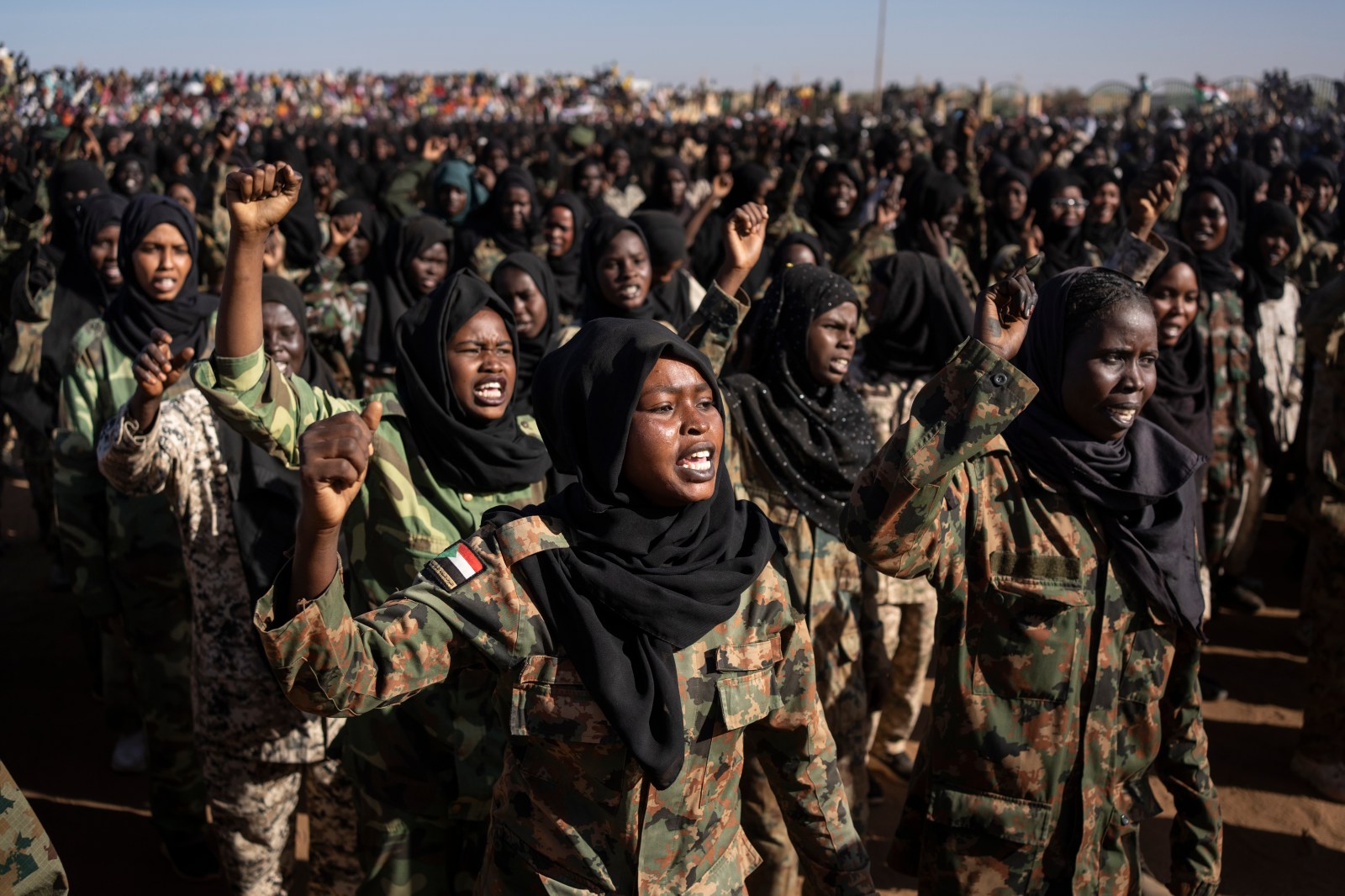
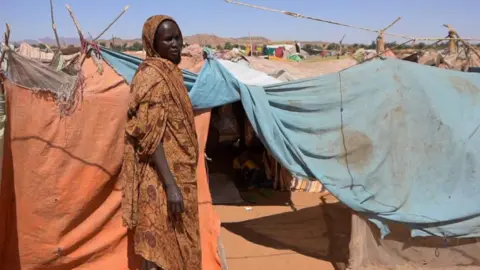
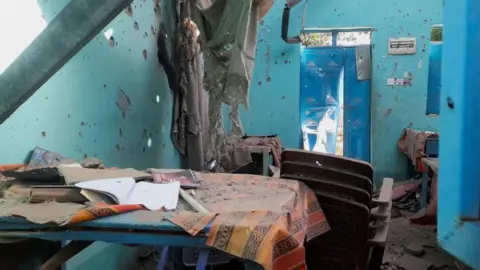
UN mission declares El‑Fasher assault meets genocide hallmarks On 19 February 2026 the UN‑backed fact‑finding team concluded the Rapid Support Forces’ October 2025 offensive displayed at least three of the five legal criteria for genocide, labeling the atrocities “genocide‑like” and documenting systematic killing, sexual violence and forced starvation of Zaghawa and Fur civilians [1][2].
Death toll and displacement reach staggering levels The report estimates more than 6,000 civilians killed in El‑Fasher between 25‑27 October, plus at least 300 deaths in the nearby Abu Shouk displacement camp, while only about 40 % of the city’s 260,000 residents escaped, leaving roughly 104,000 displaced and thousands wounded or missing [1][2][3].
RSF commanders and UAE support singled out investigators named Lt Gen Mohamed Hamdan Dagalo (Hemedti) and Lt Col Al‑Fatih Al‑Qurashi as responsible leaders; the mission also highlighted the role of foreign mercenaries and identified the United Arab Emirates as a primary arms backer, urging expanded sanctions and ICC cooperation [1][2].
Global leaders call for immediate action and accountability UK Foreign Secretary Yvette Cooper pledged to bring the findings to the UN Security Council and demanded an arms‑embargo and criminal investigations, while the Biden administration publicly labeled the Darfur atrocities genocide and urged swift civilian protection measures [1][2].
Sources
-
1.
BBC: UN Fact‑Finding Mission Calls El‑Fasher Atrocities Genocide – Details the mission’s genocide determination, lists three documented genocide acts, names RSF leaders, and stresses UAE involvement and lack of Sudanese cooperation .
-
2.
AP: UN Mission Finds Sudan’s El‑Fasher Assault Shows Genocide Hallmarks – Highlights the legal criteria met, provides casualty figures (6,000+ civilians, 300+ camp deaths), notes 40 % escape rate, and cites US and UK responses .
-
3.
Newsweek: Sudan’s War Marks World’s Worst Humanitarian Crisis as Conflict Enters Third Year – Places the El‑Fasher siege within the broader crisis, citing 33 million needing aid, 40,000 deaths, and the humanitarian fallout of RSF’s Darfur seizure .
Timeline
April 2023 – A power struggle erupts between the Sudanese Armed Forces (SAF) led by Gen. Abdel Fattah al‑Burhan and the Rapid Support Forces (RSF) under Gen. Mohamed Hamdan Dagalo, sparking a nationwide civil war that quickly spreads across Sudan [9].
Oct 2025 – The RSF overruns el‑Fasher after an 18‑month siege, ending the army’s last stronghold in Darfur; witnesses report live ammunition, vehicles run over civilians, and systematic separation of men, women and children at checkpoints [7]; the United States formally declares the RSF’s actions in Darfur genocide [7].
Dec 6 2025 – A drone strike hits a kindergarten in Kalogi, South Kordofan, killing at least 50 people, including 33 children, with the Sudan Doctors’ Network and the army blaming the RSF [6].
Dec 7 2025 – A second drone attack in Kalogi targets paramedics treating survivors, raising the death toll and prompting rights groups to condemn the strikes as violations of international humanitarian law [8].
Dec 8 2025 – WHO’s monitoring system records 114 deaths (63 children) and 35 injuries after drones strike a kindergarten and a hospital in Kalogi [5]; the same day, Sudan Witness documents over 1,700 civilian deaths from SAF airstrikes between April 2023 and July 2025, highlighting the use of unguided bombs in residential areas [4].
Dec 10 2025 – ACLED’s Conflict Index notes Sudan as Africa’s deadliest conflict in 2025 with more than 17,000 deaths, and records a global peak in air and drone strikes, underscoring the intensifying aerial warfare [10].
Dec 11 2025 – The war deepens Sudan’s humanitarian crisis: GDP contracts 29%, displacement reaches 9.8 million, and famine conditions appear in several regions, while the RSF intensifies its Kordofan offensive, including the Kalogi attacks [15].
Dec 12 2025 – An RSF‑linked drone strike near Lubway kills 52 women and two children, and the Justice and Equality Movement (JEM) formally allies with the SAF against the RSF [9].
Dec 13 2025 – A drone hits the UN logistics base in Kadugli, killing six peacekeepers and wounding eight; the Sudanese military blames the RSF, which remains silent [14].
Dec 14 2025 – UN Secretary‑General António Guterres condemns the Kadugli strike, saying attacks on UN peacekeepers “may constitute war crimes” and calls for immediate accountability and a ceasefire [14].
Dec 15 2025 – The SAF announces the recruitment of 3,000 new soldiers, including women who swear “Allahu akbar” during their oath, as part of a push to reinforce its forces after losing Darfur [9].
Dec 16 2025 – Yale’s Humanitarian Research Lab, using satellite imagery, concludes the RSF buried and burned tens of thousands of bodies to conceal mass killings in el‑Fasher, identifying over 80 burial clusters outside the city [3].
Dec 28 2025 – Despite the war, Sudan’s national football team qualifies for the Africa Cup of Nations, defeating Ghana; midfielder Ammar Taifour is trapped in a hotel siege in Omdurman for two days before fleeing the country [13].
Dec 31 2025 – A UN humanitarian team enters el‑Fasher for the first time since the RSF takeover, finding hundreds of residents living in dire conditions; coordinator Denise Brown describes the mission as entering a “mass crime scene” and says more teams will follow to map safe aid corridors [12].
Jan 6 2026 – A drone strike on a residential house in el‑Obeid kills at least 13 people, including eight children; medics attribute the attack to the RSF, which has been attempting to seize the strategically vital city between Khartoum and Darfur [2].
Feb 17 2026 – The UN declares Sudan’s emergency the world’s worst humanitarian crisis, with 33 million people needing aid, 14 million displaced, and the conflict reaching its 1,000th day; the Biden administration labels the Darfur atrocities genocide [9].
Feb 19 2026 – A UN fact‑finding mission reports that the RSF’s October 2025 assault on el‑Fasher meets “hallmarks of genocide,” documenting mass killings, sexual violence and intent to destroy Zaghawa and Fur groups; UK Foreign Secretary Yvette Cooper calls the findings “truly horrific” and urges UN Security Council action, while the report names RSF leaders Lt Gen Mohamed Hamdan Dagalo and Lt Col Al‑Fatih Al‑Qurashi and links UAE support to the campaign [1][11].
Dive deeper (5 sub-stories)
-
UN Fact‑Finding Mission Declares Genocide Evidence in El‑Fasher, Calls for International Action
(5 articles)
-
RSF Drone Strike and Darfur Capture Intensify Sudan’s Humanitarian Crisis, UN Reports 33 Million Need Aid
(2 articles)
-
Drone Attack on el‑Obeid Home Kills 13, Including Eight Children, Jan 6
(2 articles)
-
UN Peacekeepers Killed in Drone Strike as Sudan’s Civil War Deepens Humanitarian Crisis
(5 articles)
-
Newsweek: World Map Highlights 2025’s Deadliest Conflicts
All related articles (15 articles)
-
BBC: UN Fact‑Finding Mission Calls El‑Fasher Atrocities Genocide
-
AP: UN Mission Finds Sudan’s El‑Fasher Assault Shows Genocide Hallmarks
-
Newsweek: Sudan’s War Marks World’s Worst Humanitarian Crisis as Conflict Enters Third Year
-
BBC: Drone strike on house in el-Obeid kills at least 13, medics say
-
AP: U.N. finds dire conditions in el-Fasher on first visit since RSF takeover
-
AP: Sudan’s Falcons of Jediane push on at Africa Cup despite war
-
BBC: Sudan’s RSF Accused of Concealing Mass Killings in el‑Fasher
-
AP: UN chief says 6 peacekeepers killed in drone strike on a UN facility in Sudan
-
The Hindu: Sudan civil war deepens humanitarian crisis
-
Newsweek: World Map Highlights 2025’s Deadliest Conflicts
-
BBC: Sudan air force strikes linked to 1,700 civilian deaths, Sudan Witness finds ongoing patterns
-
BBC: Kalogi attack death toll rises to 114, WHO says
-
CNN: Sudanese paramilitary drone attack kills 50, including 33 children in Kordofan, doctors say
-
BBC: Deadly drone attack reported on a Sudan kindergarten in Kalogi
-
BBC: RSF’s Capture of el‑Fasher Leaves Thousands Displaced and Unaccounted for
External resources (6 links)
- http://bbcafrica.com/ (cited 5 times)
- https://twitter.com/BBCAfrica (cited 5 times)
- https://www.facebook.com/BBCnewsafrica/ (cited 5 times)
- https://www.instagram.com/bbcafrica/ (cited 5 times)
- https://www.facebook.com/permalink.php?story_fbid=pfbid04RhAwRsdAhhzyfggkQkcGEn1dBJExy1bdN73MQFv29phctpRx2Te51iKP5B5frndl&id=61556644390983 (cited 1 times)
- https://www.info-res.org/sudan-airstrikes-hub (cited 1 times)