Trump Raises Global Tariff to 15% After Supreme Court Blocks IEEPA Authority
Updated (123 articles)


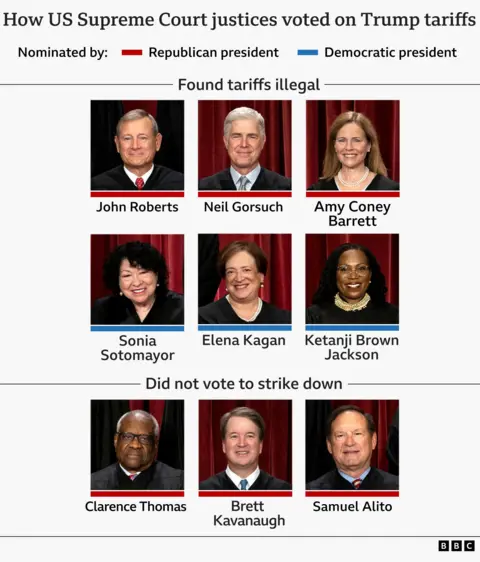

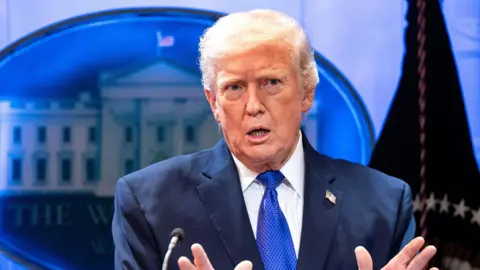

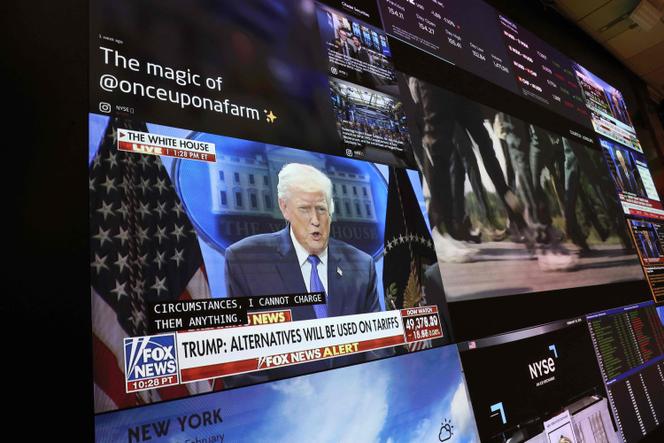
Supreme Court’s 6‑3 ruling strips Trump of IEEPA tariff power On 20 February 2026 the U.S. Supreme Court held that the International Emergency Economic Powers Act does not authorize the president to levy import taxes, declaring the sweeping global duties unconstitutional and affirming that only Congress may impose tariffs [2][11][17]. The decision nullified the 20‑34% tariffs on Chinese goods and other emergency‑powers levies that had been in place since 2024 [3][6]. Justices emphasized the statutory limits and procedural requirements that the administration had ignored [11][20].
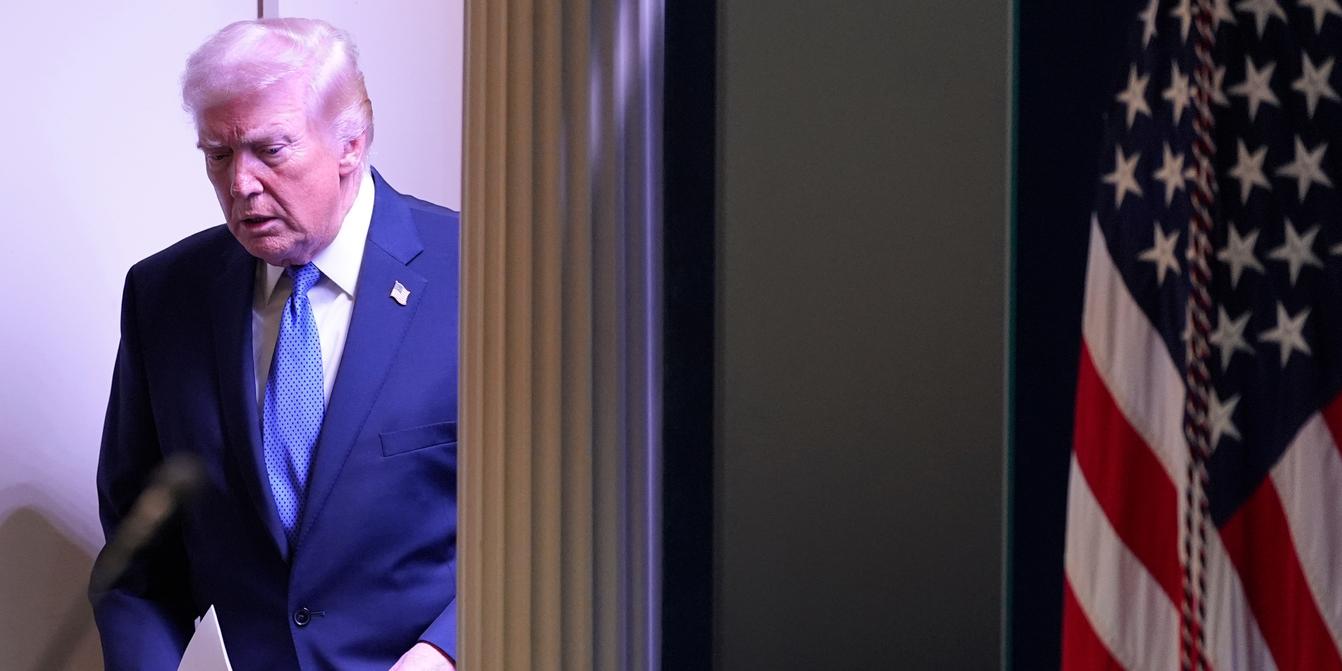
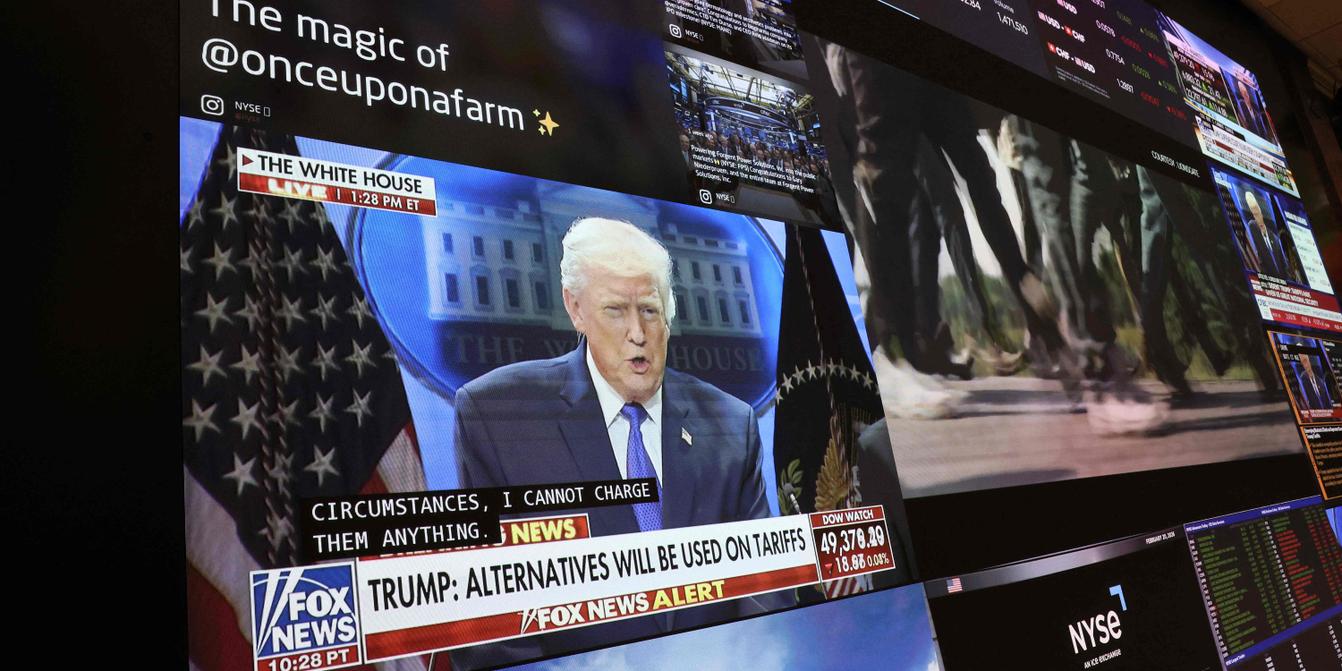
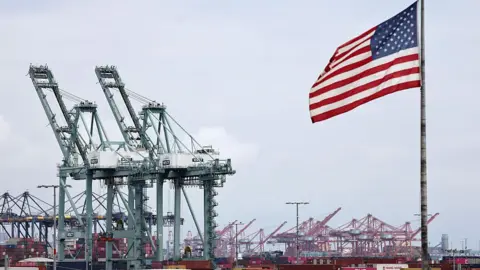
Trump pivots to Section 122, announces 10% levy effective 24 Feb Hours after the ruling, Trump signed a proclamation invoking the rarely used Section 122 of the 1974 Trade Act, imposing a 10% ad valorem surcharge on all imports for 150 days, with a start date of 24 February 2026 [1][19]. The decree exempts pharmaceuticals, USMCA‑covered goods, and certain minerals, while retaining existing Section 232 and 301 duties on steel, aluminum, copper, lumber and digital services [5][6]. On 21 February Trump posted on Truth Social that the rate would rise to the statutory maximum of 15% “within a short number of months,” and on 22 February he declared the increase “effective immediately” [1][8][13].
Collected duties exceed $130 billion, refunds become contested Treasury data show customs duties under the invalidated IEEPA regime topped $130 billion in 2025, with FY 25 customs revenue reaching $195 billion, much of it now subject to potential repayment [1][10][17]. Importers have filed lawsuits seeking priority refunds; Costco, Revlon and Bumble Bee were among the first to sue [17][19]. State officials such as Illinois Gov. JB Pritzker and Nevada Treasurer Zach Conine have demanded billions in restitution for residents, while trade groups press the administration for a swift, orderly refund process [8][16][20].
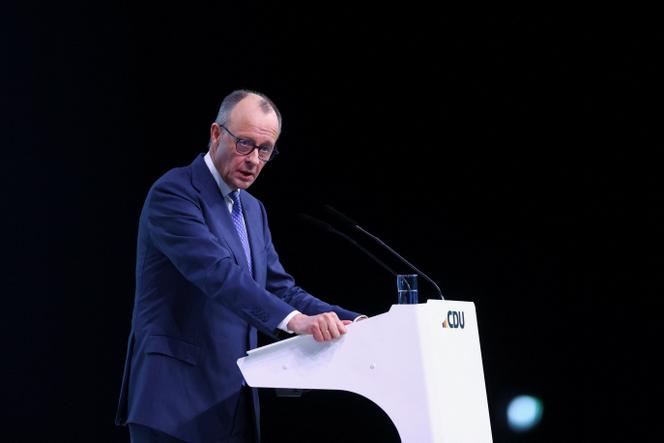
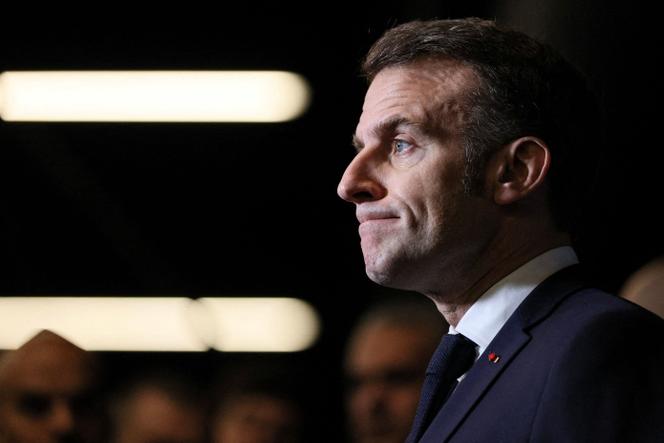
Allies brace for higher duties, EU readies counter‑measures The 15% rate now applies to partners including the EU, Japan, South Korea and Taiwan, prompting France’s trade minister Nicolas Forissier to cite the EU’s anti‑coercion instrument and Germany’s Chancellor Friedrich Merz to plan a coordinated response ahead of his Washington visit [1][3][14]. The United Kingdom, despite prior 10% agreements, will face the higher levy but retains exemptions for steel, aluminium, pharmaceuticals and aerospace [6][13]. China’s negotiating position improves, yet both Beijing and Washington aim to preserve a fragile trade truce ahead of Trump’s planned March‑April visit [3][13].
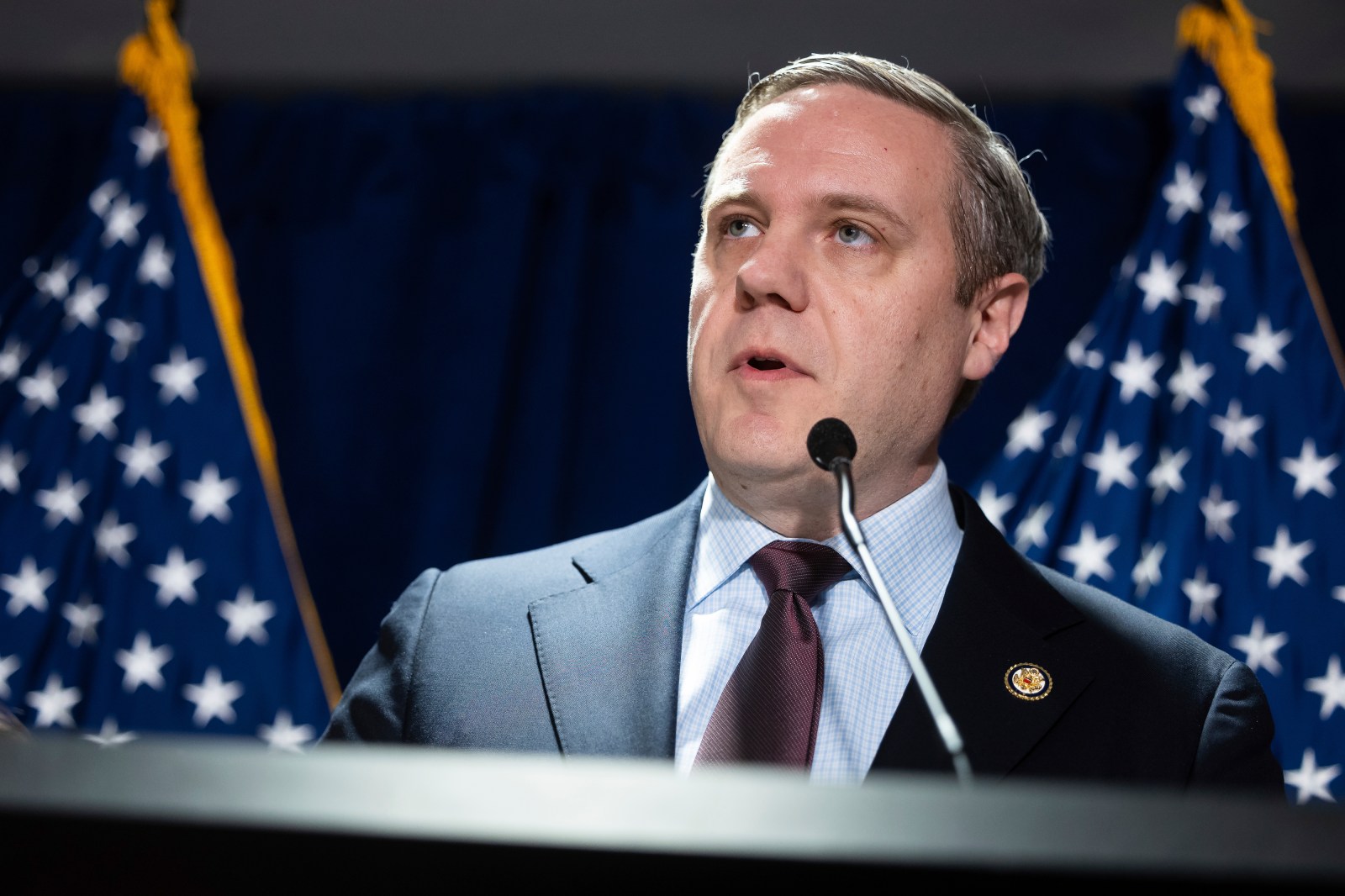
Domestic fallout mixes politics, economy and public backlash Trump withdrew his 2025 endorsement of Colorado Rep. Jeff Hurd after Hurd voted to repeal the emergency tariffs, labeling the lawmaker a “RINO” and warning of political costs for dissenters [4]. Democrats denounced the 15% hike as “pickpocketing” Americans, while Republicans split between criticism of the court and support for the new tariffs [2][11][12]. The tariff environment coincides with a slowdown in U.S. growth to 1.4% annualized in Q4 2025 and an effective overall tariff burden estimated at about 6% of imports [18][5][11].
Sources
-
1.
Le Monde: Trump raises global tariffs to 15% after US Supreme Court rebuke – Details the 15% increase, 150‑day start, exemptions, and EU leaders’ reactions .
-
2.
King5: Trump Announces 15% Global Tariff After Supreme Court Ruling – Highlights the court’s 6‑3 decision, Trump’s personal attacks on justices, and Democratic criticism .
-
3.
AP: Supreme Court overturns Trump tariffs, adding uncertainty to U.S.–China trade – Focuses on China’s negotiating boost and Trump’s 10‑15% tariff plan .
-
4.
Newsweek: Trump Withdraws Endorsement of Colorado Rep. Jeff Hurd Over Tariff Vote – Covers endorsement withdrawal and intra‑party fallout .
-
5.
CNN: Trump lifts global tariff to 15% after Supreme Court rebuke – Provides tariff rate, legal ceiling, and mixed economic impact on countries .
-
6.
BBC: Trump Raises Global Tariffs to 15% Amid Supreme Court Ruling – Reports on Section 122 use, UK/Australia rates, and deficit justification .
-
7.
BBC: Supreme Court Nullifies Trump Global Tariffs, Business Leaders React Cautiously – Shows business relief, refund concerns, and market reaction .
-
8.
CNN: Trump Raises Global Tariffs to 15% After Court Blocks Emergency Duties – Notes exemption list, state refund demands, and Iran strike hint .
-
9.
AP: Trump Announces 15% Global Tariff After Supreme Court Ruling – Summarizes executive order, legal basis, and partisan attacks .
-
10.
The Hindu: Supreme Court Blocks Trump Tariffs, Triggers Refund Uncertainty and Global Trade Repercussions – Emphasizes refund mechanics and Chinese import share .
-
11.
CNN: Supreme Court Strikes Down Trump’s Global Tariffs, Shifting GOP Trade Landscape – Links tariffs to weak growth, approval drop, and GOP split .
-
12.
AP: Supreme Court Ruling Undermined, Trump Unilaterally Raises Tariffs – Highlights generational GOP split and midterm politics .
-
13.
Yonhap: Trump Raises Global Tariff to 15% After Supreme Court Ruling – Reports on Section 122 proclamation and Section 301 investigations .
-
14.
AP: Global Trade Turmoil After U.S. Supreme Court Tariff Ruling – Describes South Korea meeting, Macron’s comments, and European refund calls .
-
15.
The Hindu: U.S. Supreme Court nullifies most Trump tariffs, President imposes 10% surcharge – Notes German Chancellor’s stance and Indonesia’s zero‑tariff request .
-
16.
AP: Supreme Court Nullifies Trump Tariffs, Businesses Brace for Ongoing Uncertainty – Details industry group demands and unchanged Section 232 duties .
-
17.
AP: Supreme Court Overturns Trump’s $133 Billion IEEPA Tariffs, Refunds Loom – Provides $133 bn figure, lawsuit timeline, and state invoice claims .
-
18.
Le Monde: Trump’s Tariffs Linked to Slower US Growth – Connects tariff controversy to 1.4% Q4 2025 GDP growth slowdown .
-
19.
BBC: Trump imposes new 10% global tariff after Supreme Court blocks prior levies – Announces 10% start, market reaction, and state refund demands .
-
20.
Le Monde: Supreme Court voids Trump tariffs but protectionist push endures – Explains legal focus on emergency‑powers legitimacy and upcoming refund battles .
Videos (1)
Timeline
Apr 2, 2025 – The administration announces “Liberation Day” tariffs on South Korean goods, reducing duties from 25 % to 15 % after Seoul pledges a US $350 billion investment package, linking tariff relief to the bilateral trade‑investment deal [9][20].
2025 (full year) – U.S. tariff collections surge by roughly 200 % year‑over‑year, with $187 billion more revenue than 2024, and the Treasury reports $133‑$134 billion collected from emergency‑law duties, including up to 145 % on China and 50 % on other partners [21][12][17].
2025 (full year) – The United States posts a record merchandise trade deficit of $1.241 trillion, a 2.1 % rise despite the tariff regime, while the deficit on Chinese goods falls 32 % to $202 billion and the EU becomes the largest deficit source at $219 billion [26].
2025 (Q4) – Real GDP growth slows to 1.4 % annualized, down from 2.8 % in 2024, as analysts link the deceleration to the tariff‑induced cost pressures highlighted by a Le Monde report [28].
2025 (Q1‑Q3) – A Harvard study finds tariffs add about 0.75 percentage‑point to inflation, with U.S. consumers bearing roughly 43 % of the tariff‑induced cost, contradicting the administration’s claim that foreign producers shoulder most of the burden [17].
Dec 3, 2025 – Treasury Secretary Scott Bessent unveils a “backup” tariff strategy, saying the administration could recreate the tariff system using Sections 301, 232 or 122 if the Supreme Court invalidates the IEEPA‑based duties [24].
Dec 2, 2025 – Costco files a lawsuit in the U.S. Court of International Trade seeking a guarantee of refunds if the Supreme Court strikes down the emergency‑powers tariffs, joining dozens of firms in similar litigation [25].
Dec 18, 2025 – NEC director Kevin Hassett denounces a New York Fed study on tariff impacts as “the worst paper I’ve ever seen,” while President Trump nominates former Fed governor Kevin Warsh to replace Jerome Powell, intensifying political pressure on the central bank [15].
Jan 1, 2026 – Trump issues a proclamation delaying planned tariff hikes on upholstered furniture and kitchen cabinets, keeping existing 25 % rates and postponing the 30 % and 50 % increases until at least Jan 2027, citing ongoing trade‑reciprocity negotiations [22].
Jan 3, 2026 – Analysts note that businesses, which paid about 80 % of the 2025 tariff bill, are beginning to pass more costs onto consumers in 2026, raising concerns about higher consumer prices as the Supreme Court’s pending decision looms [21].
Jan 8‑9, 2026 – Legal analysts warn the Supreme Court could nullify the 15 % Korea tariff, potentially wiping out roughly $150 billion in revenue and destabilizing the U.S.–Korea trade framework ahead of South Korea’s June elections [20][19].
Jan 19, 2026 – USTR Jamieson Greer tells The New York Times the administration would re‑impose reciprocal tariffs the day after a court ruling against them, underscoring readiness to revive the policy if the IEEPA case fails [18].
Feb 20, 2026 – In a 6‑3 decision, the Supreme Court holds that the International Emergency Economic Powers Act does not grant the president authority to impose sweeping tariffs, declaring the 2025 “reciprocal” duties unlawful and sending refund questions to the New York trade court [12][14][30].
Feb 20, 2026 – Hours after the ruling, Trump signs a proclamation invoking Section 122 of the 1974 Trade Act to impose a 10 % global tariff on all imports, effective Feb 24, with exemptions for critical minerals, certain agricultural products, and vehicles, and a 150‑day limit unless Congress extends it [8][27][5].
Feb 21, 2026 – Trump raises the temporary global tariff to the statutory maximum of 15 % under Section 122, citing the trade deficit (now $1.2 trillion) as justification and announcing the levy will remain for about five months pending congressional approval [1].
Feb 21, 2026 – In a Truth Social post, Trump denounces the six justices who struck down his tariffs as “fools and lapdogs,” praises the three justices who supported him, and pledges additional duties while USMCA negotiations with Canada and Mexico loom this summer [2][13].
Feb 21, 2026 – Business leaders react: small‑firm owners call the ruling a “major victory” but warn of lingering refund uncertainties; trade groups urge swift reimbursement mechanisms, while the S&P 500 and Nasdaq post modest gains after the decision [3][11].
Feb 21, 2026 – The Court’s opinion emphasizes that only Congress may levy peacetime tariffs, limiting executive power and prompting political analysts to note reduced GOP vulnerability ahead of the 2026 midterms [4][10].
Feb 21, 2026 – The administration signals it will continue using other statutory tools (e.g., Section 301, 232 investigations) to pursue “stronger measures” beyond the new 10 % duty, keeping the broader trade‑war strategy alive [8][9].
Feb 21, 2026 – State leaders, including California Gov. Gavin Newsom and Illinois Gov. JB Pritzker, demand refunds for billions in alleged overcharges, sending invoices to the White House and framing the tariffs as an “illegal cash grab” [5].
Feb 21, 2026 – Economists project that, depending on refund execution, the effective average tariff rate could remain near 9.1 %—the highest since 1946—while sector impacts hinge on how quickly the administration can replace the invalidated duties [3][28].
Future (summer 2026) – The United States, Canada and Mexico are set to begin USMCA renegotiations, with the new 10 % global tariff and pending refund litigation expected to shape bargaining positions [2].
Future (2026‑2027) – The New York International Trade Court is slated to hear refund claims, potentially ordering billions in reimbursements to importers and states, while the administration evaluates alternative tariff authorities such as Section 338 of the 1930 Tariff Act [29][16].
Dive deeper (12 sub-stories)
-
Trump Raises Global Tariff to 15% After Supreme Court Blocks Emergency‑Power Duties
(94 articles)
-
Newsweek: Trump Withdraws Endorsement of Colorado Rep. Jeff Hurd Over Tariff Vote
-
Supreme Court Strikes Down Trump Tariffs, Triggers $134 Billion Refund Process and New 10‑15% Tariff Proposal
(11 articles)
-
Supreme Court Overturns Trump Tariffs as US Growth Slows and Trade Deficit Hits Record
(6 articles)
-
Newsweek: Victor Schwartz Leads Supreme Court Victory Over Trump’s Global Tariffs
-
Yonhap: Trump Announces Plan to Sign 10% Global Tariff Order
-
Trump Slams Supreme Court Justices as Disgrace After Emergency Tariff Rejection
(2 articles)
-
Hassett Demands Discipline for NY Fed Tariff Study as Warsh Nominated Amid Supreme Court Decision
(2 articles)
-
Yonhap: USTR Signals Possible Tweaks to Steel, Aluminum Tariff Application
-
Trump Delays Furniture and Cabinet Tariff Increases Until 2027
(2 articles)
-
AP: Trump launches sweeping global tariff wars in 2025
-
CNN: Global ripple of Trump‑era tariffs
All related articles (123 articles)
-
Le Monde: Trump raises global tariffs to 15% after US Supreme Court rebuke
-
King5 (Seattle, WA): Trump Announces 15% Global Tariff After Supreme Court Ruling
-
AP: Supreme Court overturns Trump tariffs, adding uncertainty to U.S.–China trade
-
Newsweek: Trump Withdraws Endorsement of Colorado Rep. Jeff Hurd Over Tariff Vote
-
CNN: Trump lifts global tariff to 15% after Supreme Court rebuke
-
BBC: Trump Raises Global Tariffs to 15% Amid Supreme Court Ruling
-
BBC: Supreme Court Nullifies Trump Global Tariffs, Business Leaders React Cautiously
-
CNN: Trump Raises Global Tariffs to 15% After Court Blocks Emergency Duties
-
AP: Trump Announces 15% Global Tariff After Supreme Court Ruling
-
The Hindu: Supreme Court Blocks Trump Tariffs, Triggers Refund Uncertainty and Global Trade Repercussions
-
CNN: Supreme Court Strikes Down Trump’s Global Tariffs, Shifting GOP Trade Landscape
-
AP: Supreme Court Ruling Undermined, Trump Unilaterally Raises Tariffs
-
Yonhap: Trump Raises Global Tariff to 15% After Supreme Court Ruling
-
AP: Global Trade Turmoil After U.S. Supreme Court Tariff Ruling
-
The Hindu: U.S. Supreme Court nullifies most Trump tariffs, President imposes 10% surcharge
-
AP: Supreme Court Nullifies Trump Tariffs, Businesses Brace for Ongoing Uncertainty
-
AP: Supreme Court Overturns Trump’s $133 Billion IEEPA Tariffs, Refunds Loom
-
Le Monde: Trump’s Tariffs Linked to Slower US Growth
-
BBC: Trump imposes new 10% global tariff after Supreme Court blocks prior levies
-
Le Monde: Supreme Court voids Trump tariffs but protectionist push endures
-
Newsweek: Supreme Court Ruling Narrows, But Does Not Eliminate, U.S. Tariff Regime
-
CNN: New Economic Data Undercut Trump’s Tariff and Growth Claims
-
CNN: Roberts declares Trump’s tariffs unlawful, ending Supreme Court winning streak
-
Le Monde: U.S. Supreme Court Strikes Down Trump’s 2025 Global Tariff Scheme
-
CNN: Small importer’s lawsuit topples Trump’s emergency tariffs
-
Le Monde: Supreme Court Blocks Major Portion of Trump’s Tariff Authority
-
Yonhap: South Korea to Track New U.S. Global Tariff After Supreme Court Ruling
-
AP: Trump vows 10% global tariff after Supreme Court blocks his sweeping trade measures
-
AP: Trump vows 10% global tariff after Supreme Court blocks his sweeping trade plan
-
AP: Trump vows 10% global tariff after Supreme Court blocks his sweeping trade plan
-
Yonhap: South Korea to Track U.S. Global Tariff After Supreme Court Ruling
-
Le Monde: Supreme Court Declares Trump’s 2025 Tariffs Illegal
-
The Hindu: Supreme Court blocks Trump tariffs, raising stakes for H1B fee challenges
-
Le Monde: Trump Enacts 10% Global Tariff After Supreme Court Ruling
-
Yonhap: South Korea vows to shield exports after US Supreme Court blocks Trump tariffs
-
BBC: Supreme Court blocks Trump’s global IEEPA tariffs, new 10% levy announced
-
King5 (Seattle, WA): Supreme Court Ruling Undoes Trump Tariffs, Leaving Businesses in Limbo
-
BBC: Trump attacks Supreme Court after tariffs ruling, pledges new duties
-
AP: Supreme Court blocks Trump’s global tariffs as president vows new 10% levy
-
Yonhap: Trump Issues Global 10% Tariff After Supreme Court Blocks IEEPA Duties
-
Yonhap: U.S. Supreme Court overturns Trump’s emergency tariffs, sparking South Korean trade uncertainty
-
Yonhap: U.S. Trade Deals Likely to Persist After Supreme Court IEEPA Ruling
-
Yonhap: South Korean presidential office convenes to address U.S. Supreme Court’s Trump‑tariff decision
-
Yonhap: Trump signs proclamation imposing 10 % global tariff after Supreme Court ruling
-
Yonhap: Supreme Court blocks Trump’s emergency tariffs; president pivots to new duties
-
CNN: Trump Enacts 10% Global Tariff After Supreme Court Blocks Emergency Tariffs
-
Newsweek: Victor Schwartz Leads Supreme Court Victory Over Trump’s Global Tariffs
-
Newsweek: Supreme Court Strikes Down Trump’s Emergency‑Power Tariffs
-
AP: Supreme Court Overturns Trump Tariffs, President Vows New Measures
-
CNN: Trump adds 10% global tariff, denounces court and eyes Iran strike
-
AP: Trump slams Supreme Court after tariffs decision
-
AP: Supreme Court nullifies Trump’s global tariff regime
-
CNN: Supreme Court Ruling Cuts Part of Trump’s Tariff Power but Prices Likely Stay High
-
CNN: Trump Announces New 10% Tariff After Supreme Court Ruling
-
AP: Wall Street steadies as Supreme Court overturns Trump tariffs
-
Yonhap: Supreme Court Blocks Trump’s Emergency Tariffs, President Vows New Measures
-
Yonhap: Trump Announces 10% Global Tariff Using 1974 Trade Act Section 122
-
CNN: Supreme Court Blocks Trump’s Emergency Tariffs in 6‑3 Ruling
-
AP: Supreme Court Blocks Trump’s IEEPA Tariffs as President Plans New 10% Global Tax
-
Newsweek: Trump Plans New Tariff Orders After Supreme Court Ruling
-
CNN: Supreme Court Ruling Triggers $134 Billion Tariff Refund Quest
-
CNN: Supreme Court Declares Trump’s Emergency Tariffs Unlawful
-
WBNS (Columbus, OH): Trump Announces 10% Global Tariff After Supreme Court Ruling
-
King5 (Seattle, WA): Trump Announces 10% Global Tariff After Supreme Court Ruling
-
Newsweek: Supreme Court Halts Trump’s Global Tariff Plan, President Vows Alternative Path
-
The Hindu: Trump Promises 10% Global Tariff After Supreme Court Blocks His Emergency‑Power Tariffs
-
Yonhap: Trump Announces 10 % Global Tariff Using 1974 Trade Act Provision
-
WBNS (Columbus, OH): Supreme Court blocks President Trump’s global tariff authority
-
BBC: Supreme Court Limits Trump’s Tariff Authority, President Vows New Measures
-
WBNS (Columbus, OH): Trump condemns Supreme Court tariff ruling, announces 10% global tariff
-
King5 (Seattle, WA): Trump denounces Supreme Court tariff ruling, unveils new 10% global tax
-
Yonhap: Trump Announces Plan to Sign 10% Global Tariff Order
-
Yonhap: Trump calls justices who opposed emergency tariffs a disgrace
-
Yonhap: Supreme Court blocks Trump’s emergency tariff scheme
-
Newsweek: Kavanaugh warns Supreme Court tariff ruling could spark economic chaos
-
Yonhap: South Korea to weigh response after U.S. Supreme Court nullifies Trump tariffs
-
Yonhap: Supreme Court blocks Trump’s emergency tariff scheme
-
BBC: Trump’s Supreme Court Loss Cuts Key Tariffs, Leaves Trade Uncertainty
-
Yonhap: South Korea to Review Policy After U.S. Supreme Court Tariff Ruling
-
King5 (Seattle, WA): Supreme Court blocks Trump’s global tariff plan
-
Yonhap: Supreme Court Blocks Trump's Emergency Tariffs, Raising Trade Uncertainty
-
Yonhap: Supreme Court Blocks Trump’s Emergency Tariffs
-
Yonhap: Supreme Court Rejects Trump’s Emergency Tariffs
-
Le Monde: US Record Trade Deficit Persists in 2025 Despite Trump Tariffs
-
BBC: Trump adviser demands discipline for Fed tariff study
-
CNN: Hassett Calls New York Fed Tariff Study ‘Worst Paper,’ Warsh Nominated Amid Fed Scrutiny
-
Yonhap: USTR Signals Possible Tweaks to Steel, Aluminum Tariff Application
-
AP: Trump’s Tariff Claims Clash With Economic Data
-
Yonhap: Trump warns tariffs could steepen as Supreme Court reviews legality
-
AP: Supreme Court’s Delayed Ruling on Trump Tariffs Extends Beyond Expected Timeline
-
CNN: Supreme Court’s tariff case stalls as February deadline looms
-
Yonhap: Trump anxiously awaits Supreme Court ruling on reciprocal tariffs
-
Yonhap: Trump anxious for Supreme Court ruling on reciprocal tariffs
-
Yonhap: Supreme Court does not rule on Trump's reciprocal tariffs
-
Newsweek: Supreme Court weighs Trump tariffs as IEEPA case nears ruling
-
Yonhap: Greer says Trump admin would replace reciprocal tariffs immediately if Supreme Court rules against them
-
Newsweek: Backup tariff plan outlined as Supreme Court weighs IEEPA ruling
-
Yonhap: South Korea to seek an optimal response if US court rules against reciprocal tariffs, Seoul official says
-
Yonhap: Seoul to seek optimal response if Supreme Court rules against reciprocal tariffs
-
Yonhap: U.S. Supreme Court delays ruling on legality of Trump's reciprocal tariffs
-
BBC: Trump warns of 'complete mess' if Supreme Court rules against tariffs
-
Newsweek: Trump warns of chaos if Supreme Court strikes down tariff authority as refunds loom
-
Yonhap: Supreme Court holds off on ruling on legality of Trump's reciprocal tariffs
-
Yonhap: Supreme Court ruling could drop Korea tariffs to zero and unsettle Korea-U.S. trade terms, expert says
-
CNN: Tariffs could sting in 2026 as prices rise and court ruling looms
-
Yonhap: Trump warns loss of tariff authority would be a terrible blow to U.S.
-
Newsweek: Trump delays tariff hikes on upholstered furniture, cabinets for another year
-
CNN: Trump postpones furniture tariffs for a year, maintains 25% rate
-
AP: Trump launches sweeping global tariff wars in 2025
-
CNN: Trump Blames Biden for Affordability Crisis, Inflation Now Slowing
-
CNN: Global ripple of Trump‑era tariffs
-
Yonhap: Trump warns Supreme Court ruling against tariffs could threaten U.S. national security
-
Newsweek: Trump Warns of ‘Dark and Sinister Forces’ as Supreme Court Tariffs Case Looms
-
Newsweek: Supreme Court Decision Could Prompt Treasury Backup Tariff Plan
-
Newsweek: Trump Urges Supreme Court to Uphold Tariffs Ahead of Decision
-
CNN: Costco Sues Trump Administration Over Tariffs
-
AP: Costco Seeks Refunds for Trump Tariffs as Supreme Court Case Continues
-
King5 (Seattle, WA): Costco Files Refund Claim as Supreme Court Considers Trump Tariffs
-
CNN: Costco Sues U.S. Government Over Tariff Refunds Ahead of Supreme Court Decision
-
BBC: Costco Sues Trump Administration for Refund of Tariffs
-
WBNS (Columbus, OH): Costco Sues Trump Administration Over Tariffs, Seeks Refund
-
King5 (Seattle, WA): Costco Sues Trump Administration Over Tariff Refunds
-
Newsweek: Costco Sues U.S. Over Trump Tariffs, Seeks Refunds if Supreme Court Rules Against Administration
External resources (82 links)
- https://www.youtube.com/watch?v=x_kUqOifBnc (cited 1 times)
- https://www.cbp.gov/newsroom/stats/trade (cited 7 times)
- https://newhouse.house.gov/media-center/press-releases/newhouse-applauds-trump-administration-lowering-farm-guestworker-wages (cited 4 times)
- https://www.cantwell.senate.gov/imo/media/doc/02202026bessentlettertariffsrefund1.pdf (cited 4 times)
- https://www.congress.gov/crs-product/LSB11281 (cited 3 times)
- https://www.supremecourt.gov/opinions/25pdf/24-1287_4gcj.pdf (cited 3 times)
- https://mayor.dc.gov/release/mayor-bowser-requests-federal-support-region-continues-respond-potomac-interceptor-break (cited 2 times)
- https://www.gov.ca.gov/2025/04/16/governor-newsom-files-lawsuit-to-end-president-trumps-tariffs/ (cited 2 times)
- https://www.whitehouse.gov/fact-sheets/2026/02/fact-sheet-president-donald-j-trump-imposes-a-temporary-import-duty-to-address-fundamental-international-payment-problems/ (cited 2 times)
- https://hurd.house.gov/media/press-releases/congressman-jeff-hurd-releases-statement-hjres72 (cited 1 times)
- https://tile.loc.gov/storage-services/service/ll/usrep/usrep453/usrep453654/usrep453654.pdf (cited 1 times)
- https://www.archives.gov/milestone-documents/gibbons-v-ogden (cited 1 times)
- https://www.bea.gov/news/2026/gdp-advance-estimate-4th-quarter-and-year-2025 (cited 1 times)
- https://www.bea.gov/sites/default/files/2026-02/trad1225.pdf (cited 1 times)
- https://www.supremecourt.gov/opinions/23pdf/23-939_e2pg.pdf (cited 1 times)
- https://www.supremecourt.gov/opinions/24pdf/24-656_ca7d.pdf (cited 1 times)
- https://www.whitehouse.gov/fact-sheets/2025/12/fact-sheet-president-donald-j-trump-adjusts-imports-of-timber-lumber-and-their-derivative-products-into-the-united-states/ (cited 1 times)
- https://www.whitehouse.gov/investments/ (cited 1 times)
- https://storage.courtlistener.com/recap/gov.uscourts.cit.17331/gov.uscourts.cit.17331.2.0.pdf?mod=livecoverage_web (cited 2 times)
- https://budgetlab.yale.edu/research/state-us-tariffs-november-17-2025 (cited 1 times)
- https://fred.stlouisfed.org/series/GDPC1 (cited 1 times)
- https://law.marquette.edu/poll/2026/02/05/new-marquette-law-school-national-survey-finds-63-say-u-s-supreme-court-should-limit-trumps-tariff-authority/ (cited 1 times)
- https://libertystreeteconomics.newyorkfed.org/2026/02/who-is-paying-for-the-2025-u-s-tariffs/ (cited 1 times)
- https://libertystreeteconomics.newyorkfed.org/2026/02/who-is-paying-for-the-2025-u-s-tariffs/?ftag=MSFd61514f (cited 1 times)
- https://maristpoll.marist.edu/wp-content/uploads/2026/02/NPR_PBS-News_Marist-Poll_USA-NOS-and-Tables_202602021147.pdf (cited 1 times)
- https://www.bu.edu/articles/2025/trade-deficit-is-a-sign-of-americas-strength/ (cited 1 times)
- https://www.law.cornell.edu/uscode/text/19/2132 (cited 1 times)
- https://apnorc.org/projects/about-6-in-10-think-trump-has-gone-too-far-when-it-comes-to-deploying-federal-immigration-agents-in-major-u-s-cities/ (cited 3 times)
- https://www.reuters.com/legal/government/bessent-expects-supreme-court-uphold-legality-trumps-tariffs-eyes-plan-b-2025-09-01/ (cited 3 times)
- https://www.axios.com/2025/04/18/trump-national-emergency-declarations (cited 2 times)
- https://www.ap.org/news-highlights/spotlights/2025/tiktoks-fate-arrives-at-supreme-court-in-collision-of-free-speech-and-national-security/ (cited 1 times)
- https://www.ap.org/news-highlights/spotlights/2025/trump-plans-tariffs-on-mexico-and-canada-for-tuesday-while-doubling-existing-10-tariffs-on-china/ (cited 1 times)
- https://www.cnbc.com/2026/01/29/trade-balance-soared-94percent-in-november-and-was-higher-than-a-year-ago-despite-tariff-efforts.html (cited 1 times)
- https://www.foxnews.com/politics/fox-news-poll-voters-say-white-house-doing-more-harm-than-good-economy (cited 1 times)
- https://www.reuters.com/world/bessent-says-us-treasury-can-easily-cover-any-tariff-refunds-2026-01-10/ (cited 1 times)
- https://www.reuters.com/world/us-supreme-court-live-ruling-trump-tariffs-could-be-among-decisions-released-2026-01-09/ (cited 1 times)
- https://x.com/SenatorHassan (cited 9 times)
- https://x.com/JDVance (cited 6 times)
- https://x.com/RepJeffries (cited 6 times)
- https://x.com/SenAmyKlobuchar (cited 6 times)
- https://x.com/AmericanFreedom (cited 3 times)
- https://x.com/BenjaminSWeiss/status/2024913315374207379 (cited 3 times)
- https://x.com/JonathanTurley/status/2024873977538294161 (cited 3 times)
- https://x.com/RepDonBacon/status/2024876064216866992 (cited 3 times)
- https://x.com/SenSchumer (cited 3 times)
- https://x.com/amyklobuchar (cited 3 times)
- https://truthsocial.com/@realDonaldTrump/116109104602937332 (cited 2 times)
- https://x.com/JBPritzker/status/2024976736849432935 (cited 2 times)
- https://x.com/JDVance/status/2024928034667545067?s=20 (cited 2 times)
- https://x.com/LeaderJohnThune/status/2024909322388423065?s=20 (cited 2 times)
- https://x.com/PressSec/status/2024891673268957692 (cited 2 times)
- https://x.com/SpeakerJohnson/status/2024892242930884617?s=20 (cited 2 times)
- https://truthsocial.com/@realDonaldTrump/posts/116094375393499963 (cited 1 times)
- https://x.com/bencasselman/status/2016925206074327306 (cited 1 times)
- https://x.com/swissmem/status/2024875732334219269 (cited 1 times)
- https://www.cato.org/commentary/trump-has-many-options-supreme-court-strikes-down-tariffs (cited 3 times)
- https://www.cov.com/-/media/files/corporate/publications/2016/12/law360_the_presidents_long_forgotten_power_to_raise_tariffs.pdf (cited 3 times)
- https://jbpritzker.com/latest/governor-jb-pritzker-demands-refund-for-illinoisans/ (cited 2 times)
- https://www.atlantafed.org/research-and-data/data/gdpnow/current-and-past-gdpnow-commentaries (cited 2 times)
- https://www.pricinglab.org/files/TrackingTariffs_Cavallo_Llamas_Vazquez.pdf (cited 2 times)
- https://cme-mec.ca/blog/statement-from-canadian-manufacturers-exporters-regarding-new-federal-measures-to-support-canadas-strategic-industries/ (cited 1 times)
- https://d3nkl3psvxxpe9.cloudfront.net/documents/cbsnews_20241124_1.pdf (cited 1 times)
- https://google.com/search?q=furniture+tariff+cnn&rlz=1C5GCCM_en&oq=furniture+tariff+cnn&gs_lcrp=EgZjaHJvbWUqBggAEEUYOzIGCAAQRRg7MggIARAAGBYYHjIKCAIQABiABBiiBDIKCAMQABiABBiiBDIKCAQQABiABBiiBDIGCAUQRRg8MgYIBhBFGDzSAQgzNjYxajBqNKgCALACAfEF1yZPvfUj5tQ&sourceid=chrome&ie=UTF-8 (cited 1 times)
- https://rollcall.com/factbase/trump/transcript/donald-trump-interview-msnbc-chris-matthews-hardball-november-18-1999/#161 (cited 1 times)
- https://rollcall.com/factbase/trump/transcript/donald-trump-remarks-cabinet-meeting-january-29-2026/#14 (cited 1 times)
- https://rollcall.com/factbase/trump/transcript/donald-trump-remarks-unscheduled-economy-july-27-2018/#4 (cited 1 times)
- https://rollcall.com/factbase/trump/transcript/donald-trump-speech-economic-development-rome-georgia-february-19-2026/#33 (cited 1 times)
- https://rollcall.com/factbase/trump/transcript/donald-trump-speech-world-economic-forum-davos-january-21-2026/#149 (cited 1 times)
- https://wp.next.newsweek.com/wp-admin/post.php?post=11560026&action=edit (cited 1 times)
- https://www.app.com/story/news/2026/01/26/when-is-supreme-court-ruling-on-tariffs-trump-tariff-decision-case-trump-tariff-ruling-scotus-ruling/88362451007/ (cited 1 times)
- https://www.bloomberg.com/news/articles/2026-01-20/supreme-court-again-doesn-t-rule-on-tariffs-as-wait-continues?embedded-checkout=true (cited 1 times)
- https://www.cato.org/blog/supreme-court-got-it-right-ieepa-dont-pop-champagne-yet (cited 1 times)
- https://www.cecafe.com.br/publicacoes/relatorio-de-exportacoes/ (cited 1 times)
- https://www.cecafe.com.br/site/wp-content/uploads/2023/03/CECAFE-Monthly-Coffee-Report-OCTOBER-2025.pdf (cited 1 times)
- https://www.cfr.org/articles/who-pays-trumps-tariffs (cited 1 times)
- https://www.esri.cao.go.jp/jp/sna/data/data_list/sokuhou/gaiyou/pdf/main_1e.pdf (cited 1 times)
- https://www.ft.com/content/b1177a90-56ed-4936-8a02-a72424df510d (cited 1 times)
- https://www.inegi.org.mx/contenidos/saladeprensa/boletines/2025/pibo/pib_eo2025_10.pdf (cited 1 times)
- https://www.kielinstitut.de/publications/news/americas-own-goal-americans-pay-almost-entirely-for-trumps-tariffs/ (cited 1 times)
- https://www.natesilver.net/p/trump-approval-ratings-nate-silver-bulletin (cited 1 times)
- https://www.scribd.com/document/941888523/cbsnews-20251102-SUN#from_embed (cited 1 times)
- https://www.seco.admin.ch/seco/en/home/wirtschaftslage---wirtschaftspolitik/Wirtschaftslage/bip-quartalsschaetzungen-.html (cited 1 times)