Trump Administration Revokes License Allowing Venezuela to Pay Maduro’s Legal Fees
Updated (308 articles)
License Revoked Hours After Initial Approval The Office of Foreign Assets Control issued a license on Jan. 9, 2026, permitting the Venezuelan government to cover legal costs for President Nicolás Maduro and First Lady Cilia Flores [1]. Within three hours the Trump administration rescinded the authorization without providing a public explanation, while a separate license for Flores’s lawyers remained intact [1]. Treasury officials have not disclosed the rationale behind the abrupt reversal, prompting criticism from legal observers [1].
Maduro and Flores Remain Detained Without Bail Both Maduro and Flores have been held in a Manhattan federal detention center since Jan. 3, 2026, after being charged with a conspiracy to traffic thousands of tons of cocaine [1]. They have each entered not‑guilty pleas and face potential life‑sentence penalties if convicted [1]. Their continued incarceration without bail underscores the U.S. government’s determination to pursue the case despite diplomatic sensitivities [1].
Attorney Pollack Argues Sixth Amendment Violation Attorney Barry Pollack told the court that revoking the license jeopardizes Maduro’s constitutional right to chosen counsel, citing the Sixth Amendment [1]. On Feb. 11, Pollack formally requested that OFAC reinstate the license, warning that the president cannot afford adequate legal representation otherwise [1]. He emphasized that the denial could be interpreted as governmental interference in the defendant’s right to a fair trial [1].
U.S. Agencies Remain Silent, Political Pressure Mounts The Treasury Department, White House, and Justice Department have not responded to Pollack’s request or provided comment on the license withdrawal [1]. The decision has intensified pressure on acting President Delcy Rodriguez to negotiate oil concessions, release political prisoners, and restore diplomatic ties with Washington [1]. Analysts note that the move may be intended to leverage negotiations over Venezuela’s broader economic and political reforms [1].
Related Tickers
Primary Data (2)
Quinnipac: Trump Begins Second Term Stronger Than The First, 6 In 10 Voters Approve Of Sending U.S. Troops To Southern Border, Quinnipiac University National Poll Finds; Majority Disapprove Of Elon Musk’S Role In Trump Administration
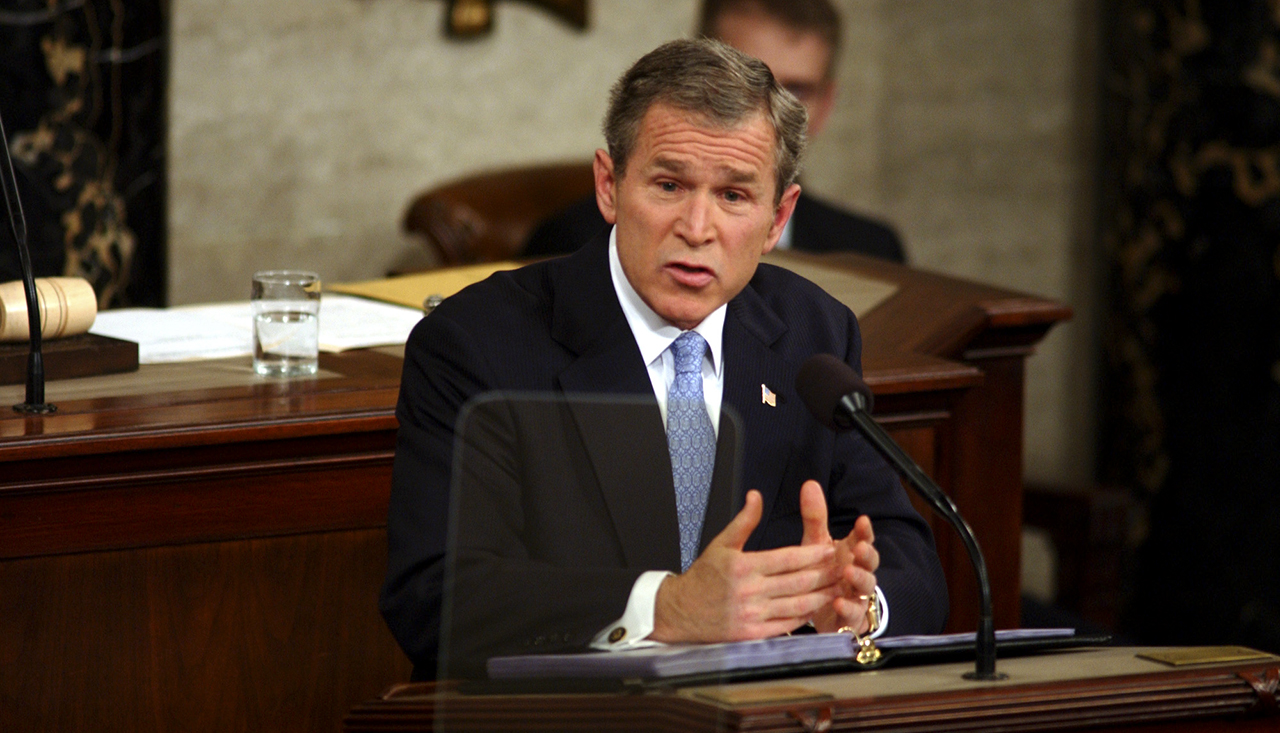
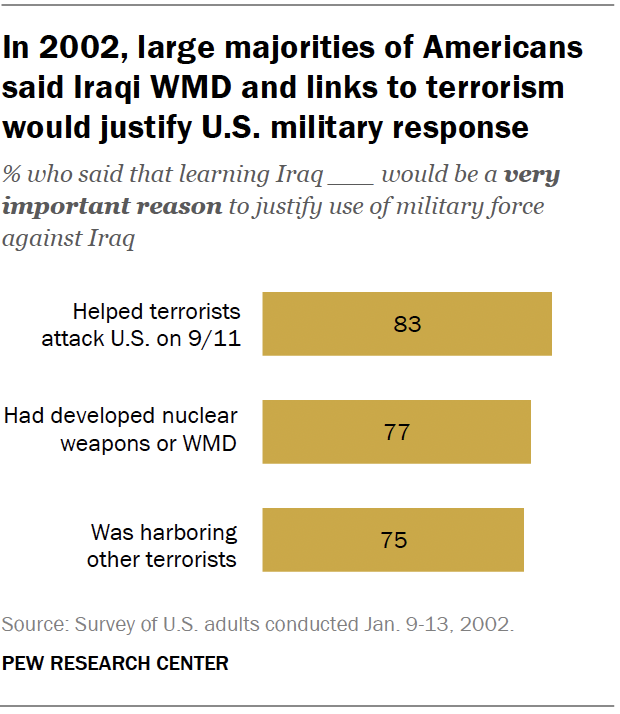
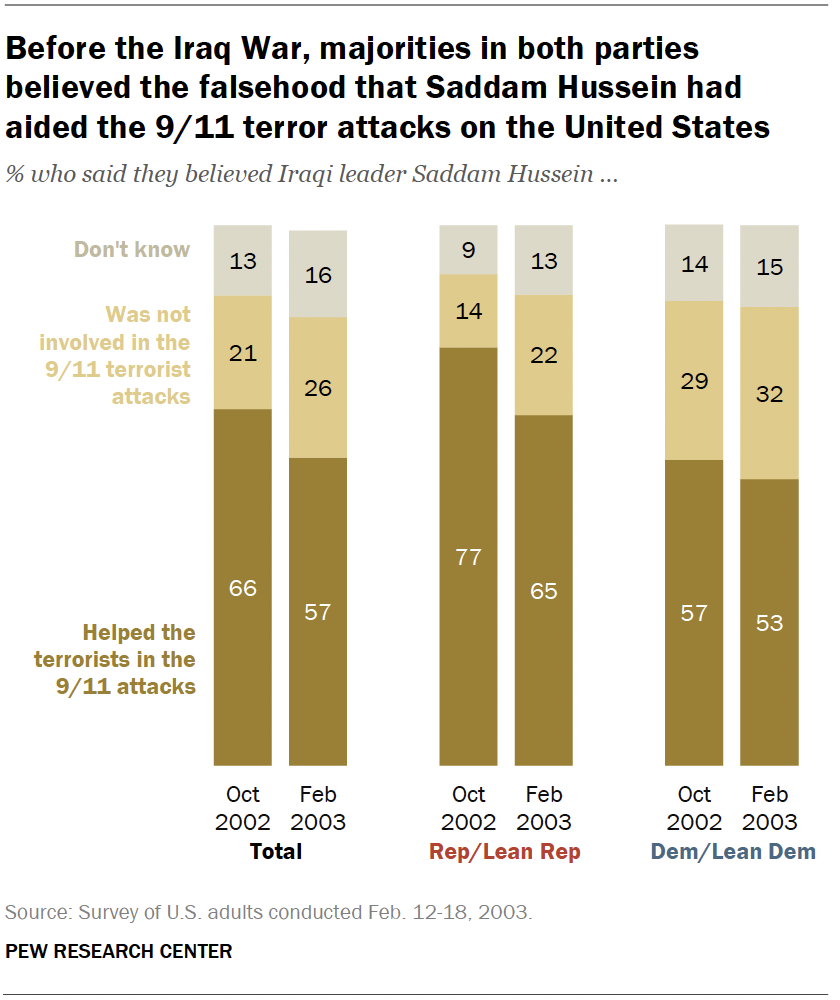
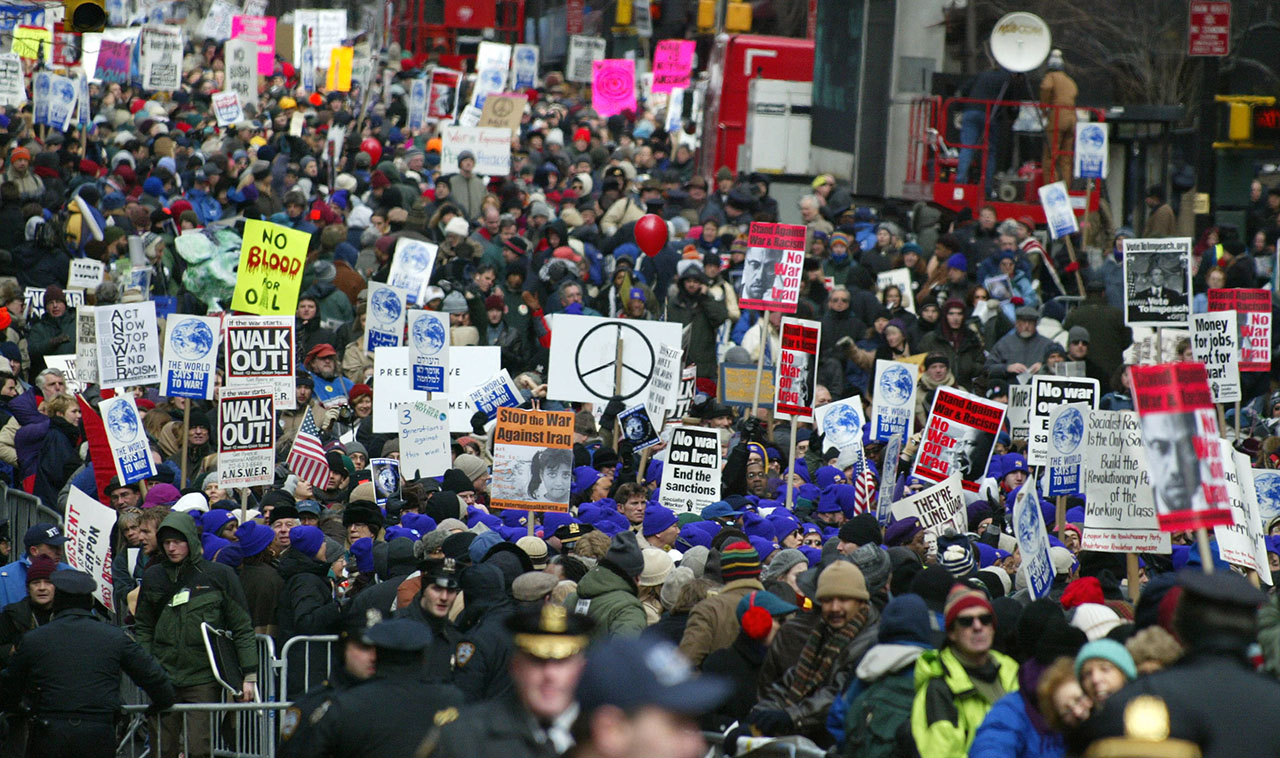
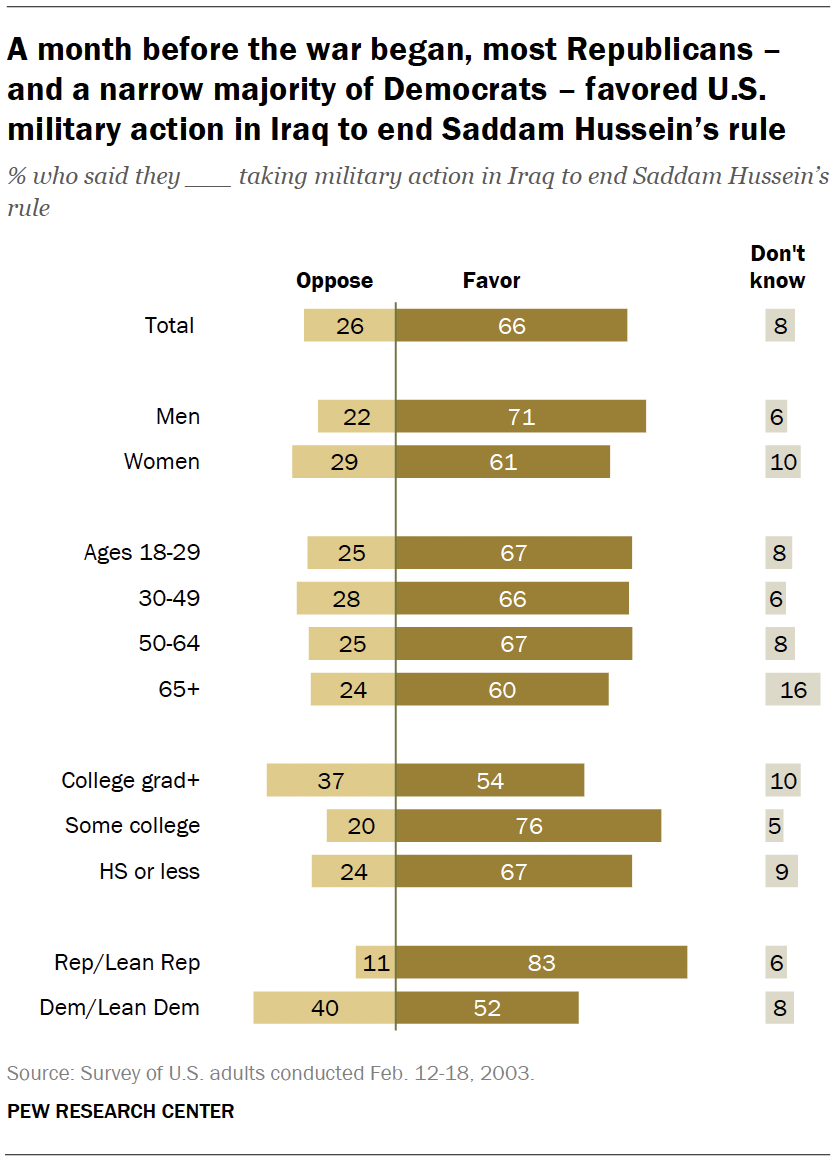
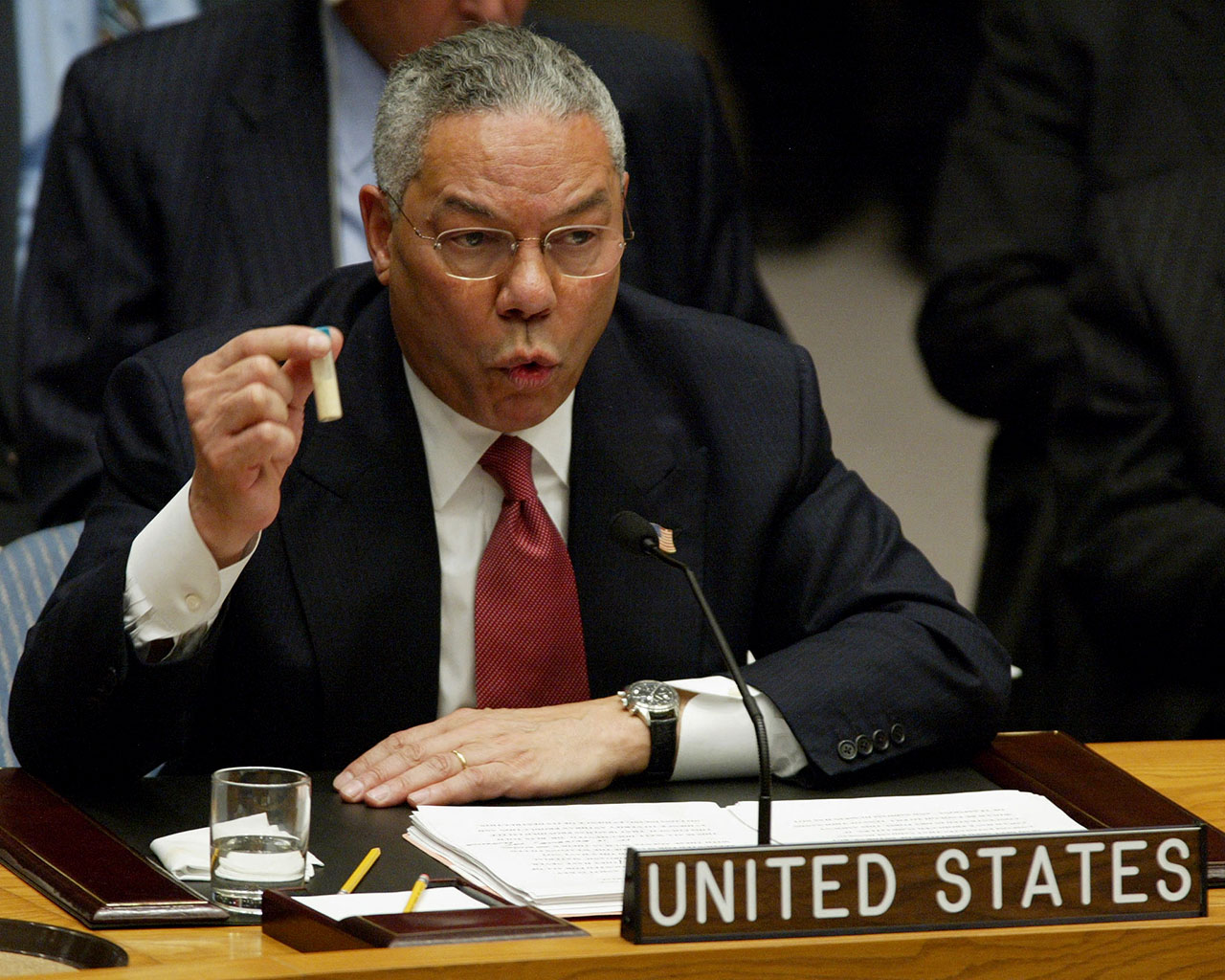
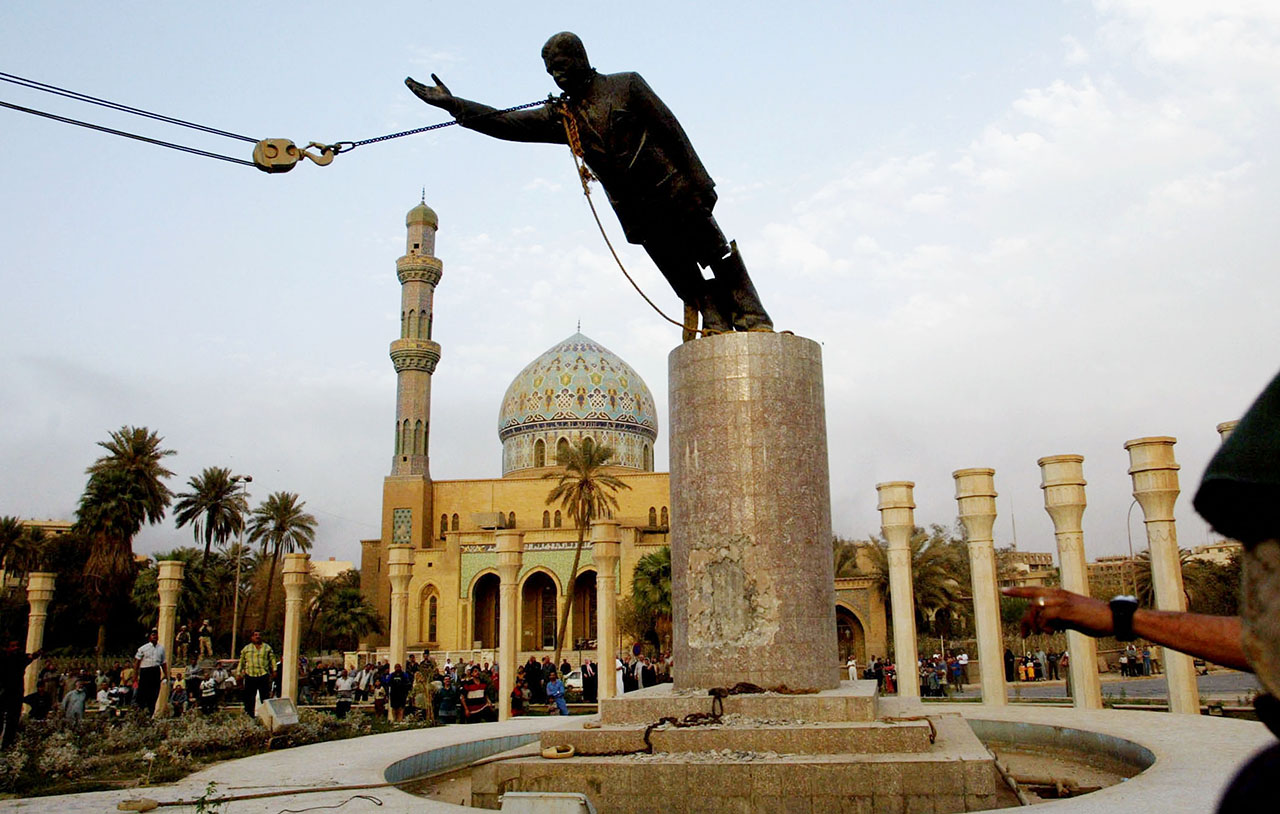
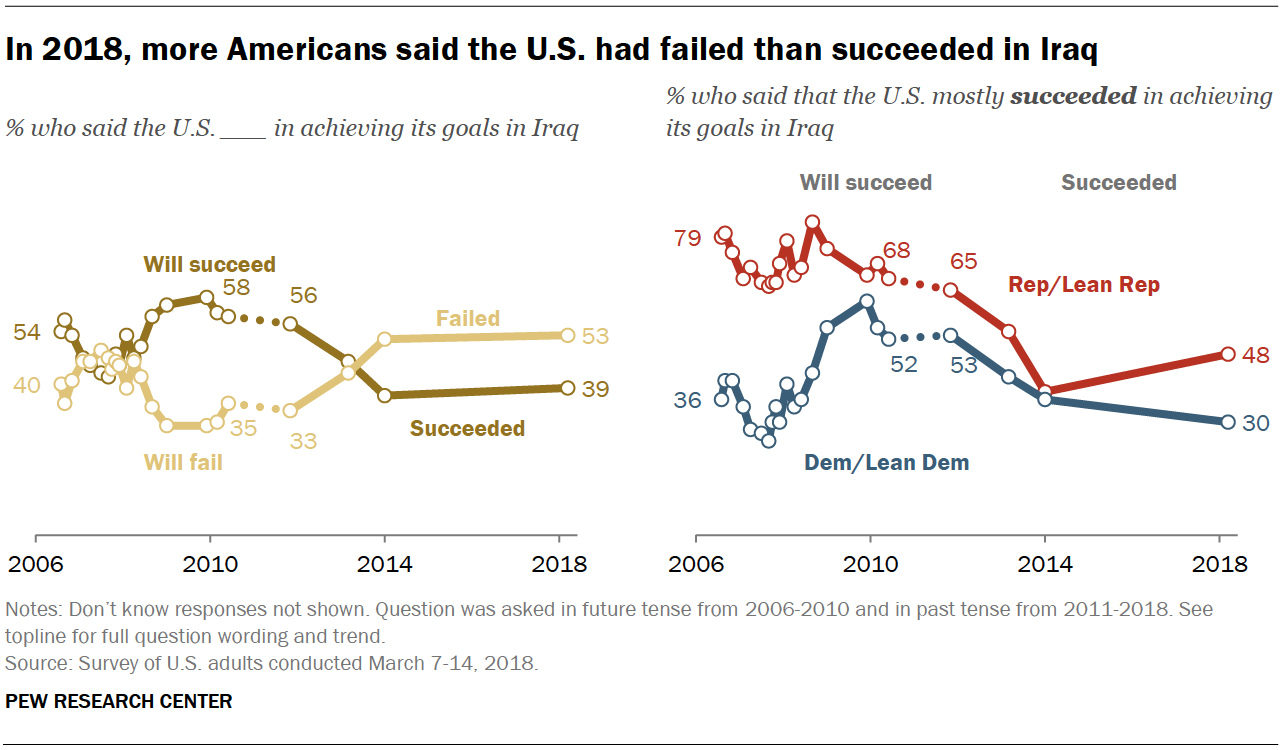
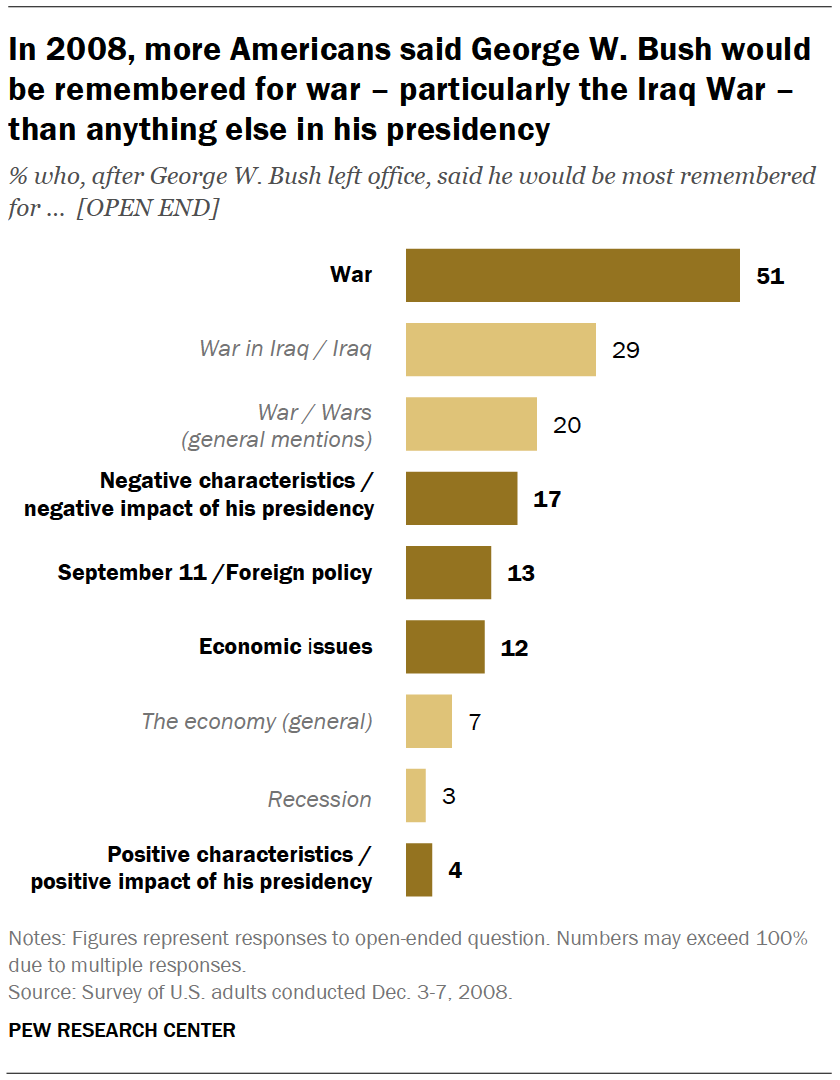
Published (27 tables/charts)Pew: A Look Back at How Fear and False Beliefs Bolstered U.S. Public Support for War in Iraq
Published (13 tables/charts)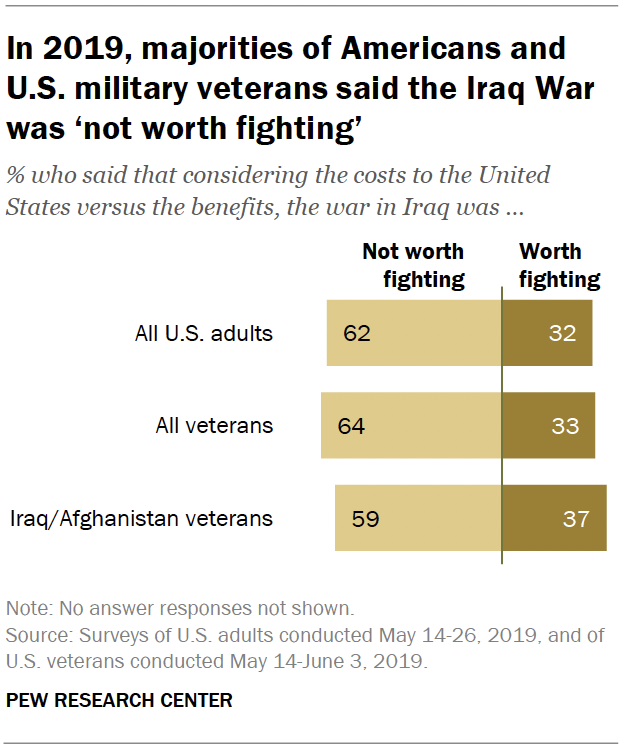



Timeline
1961 – The Bay of Pigs invasion remains the last major Cuban combat loss before 32 Cuban soldiers die protecting Maduro in the 2026 Venezuela operation, underscoring the historic weight of the casualty count. [3][4]
1989 – The U.S. removal of Panamanian leader Manuel Noriega on drug‑trafficking charges provides a legal parallel cited in discussions of Maduro’s prosecution. [11]
1886 & 1952 – Supreme Court decisions establish the Ker‑Frisbie doctrine, allowing the United States to prosecute foreign nationals abducted abroad, a principle that underpins the legal strategy against Maduro. [11]
2024 – Venezuela holds a presidential election widely condemned as rigged, creating the political backdrop for the intensified U.S. pressure campaign that follows. [1]
Sept 2, 2025 – U.S. forces strike suspected drug‑running vessels in the Caribbean, marking the first of a series of strikes that heighten pressure on Maduro’s regime. [2]
Sept 2025 – Additional U.S. strikes on alleged drug boats kill at least 83 people, prompting senators to label the actions “war crimes” and fueling debate over U.S. tactics. [24][25]
Dec 16, 2025 – President Trump designates the Maduro government as a foreign terrorist organization and orders a total blockade of all sanctioned Venezuelan oil tankers, aiming to cut off roughly 600,000 barrels per day. [22]
Dec 17, 2025 – The U.S. Navy deploys the carrier strike group USS Gerald Ford to the Caribbean, reinforcing the blockade and signaling a heightened military posture. [22]
Dec 18, 2025 – Trump repeatedly threatens a ground invasion of Venezuela, saying “the land is easier,” while positioning 15,000 troops and a dozen warships for potential action. [21]
Jan 3, 2026 – U.S. forces launch a nighttime operation involving >150 aircraft and Delta Force troops, capture President Nicolás Maduro and First Lady Cilia Flores at Fort Tiuna, and transport them aboard the USS Iwo Jima to New York for drug‑trafficking prosecution. [16][17][18][19][20][26][27][28][29][30]
Jan 3, 2026 – Trump announces the capture on Truth Social, calls the strike “brilliant,” declares the United States will run Venezuela temporarily during a transition, and promises American oil investment and a possible second larger strike if needed. [26][27][28][29][30][16]
Jan 3, 2026 – Vice President Delcy Rodríguez says the government does not know Maduro’s whereabouts, demands proof of life, declares a state of emergency, while Cuban President Díaz‑Canel calls the attack “criminal.” [19][20]
Jan 3, 2026 – Secretary of State Marco Rubio labels the Maduro regime “narco‑terrorist” and outlines an oil‑revenue control plan that parks Venezuelan crude proceeds in an offshore Qatar account before moving them to a U.S. Treasury‑blocked account for U.S.‑made goods. [2]
Jan 4, 2026 – Maduro arrives in upstate New York, is transferred to a Manhattan federal courthouse, and faces a superseding indictment on narco‑terrorism and related charges; a New York hearing is set for March. [14][11][6]
Jan 4, 2026 – Trump states the United States will run Venezuela during the transition, while interim President Delcy Rodríguez invites Washington to collaborate on development within international law, signaling a shift from confrontation to dialogue. [12][16]
Jan 5, 2026 – The Justice Department files a class‑action suit under the Alien Enemies Act concerning 137 deported Venezuelans, citing travel restrictions and a July prisoner‑swap that impede repatriation. [6]
Jan 5, 2026 – Legal scholars cite the Noriega case and the Ker‑Frisbie doctrine as precedents, noting the absence of a direct Supreme Court ruling on prosecuting a former head of state like Maduro. [11]
Jan 6, 2026 – Administration officials brief Congress for over two hours, reporting roughly 200 U.S. personnel on the ground, non‑fatal injuries to Delta Force operators, and confirming the capture was not intended as a regime‑change operation but as leverage for oil and security cooperation. [10]
Jan 9, 2026 – CIA officials reveal that an undercover team entered Venezuela in August, operating in a denied area and relying on a single high‑level source close to Maduro to pinpoint his location for the Jan 3 raid. [5]
Jan 9, 2026 – Trump cancels a planned second wave of strikes after Venezuela releases a number of political prisoners, describing the releases as a “peace gesture” and announcing that U.S. ships will remain in the region for safety. [9][7]
Jan 10, 2026 – Venezuelan cities endure a tense week of armed civilian patrols, prison‑yard releases, and public demonstrations, while the United States states its intention to oversee Venezuela’s oil exports to stabilize the economy. [8]
Jan 11, 2026 – Trump posts that Venezuela is “releasing political prisoners in a BIG WAY,” and the U.S. announces cooperation on rebuilding oil and gas infrastructure, while maintaining a Level 4 travel advisory for Americans. [7]
Jan 13, 2026 – The Justice Department labels Delcy Rodríguez the “so‑called Acting President” in court filings, and Trump shares a mocked‑up page claiming the United States will run Venezuela during the transition. [6]
Jan 15, 2026 – Cuba receives the remains of 32 soldiers killed protecting Maduro, holds military ceremonies, and announces that oil shipments from Venezuela to Cuba will likely cease, deepening Cuba’s economic strain. [4]
Jan 16, 2026 – Acting President Delcy Rodríguez meets CIA Director John Ratcliffe in Caracas, balances anti‑imperialist rhetoric with a Trump‑announced deal to deliver up to 50 million barrels of Venezuelan oil, and navigates internal power dynamics with Interior Minister Diosdado Cabello’s militia. [1]
Jan 18, 2026 – Rodríguez continues to juggle socialist rhetoric with U.S. oil negotiations, while Secretary of State Rubio pushes for early elections and the United States maintains pressure through oil‑revenue controls and a continued naval presence amid Venezuela’s hyperinflation and 86 % poverty rate. [1]
Jan 28, 2026 – The Senate Foreign Affairs Committee holds its first public hearing since the Jan 3 airstrikes, questioning Secretary Rubio on the legality of the operation, the Sept 2 2025 strike, and the new oil‑revenue control plan, while Rubio reiterates that the United States is not at war. [2]
Feb 18, 2026 – Acting President Delcy Rodríguez balances Chavista loyalty with U.S. demands, oversees the Trump‑announced oil deal, meets CIA Director Ratcliffe, and navigates pressure from Secretary Rubio for early elections amid Venezuela’s worst‑ever inflation and widespread poverty. [1]
Dive deeper (41 sub-stories)
-
Trump Administration Withdraws License Allowing Venezuela to Fund Maduro’s Legal Defense
(6 articles)
-
Delcy Rodríguez Navigates US Oil Deal and Internal Power After Maduro’s Ouster
(89 articles)
-
US Deploys “Donroe Doctrine” as Panama Annuls Chinese Port Contracts After Maduro Capture
(2 articles)
-
Trump’s January Hard‑Power Raids Trigger Deaths, Maduro Capture, and Global Tensions
(4 articles)
-
Rubio Defends U.S. Venezuela Operations as Senate Probes Airstrikes and Maduro Capture
(76 articles)
-
Trump Details “Discombobulator” Weapon, Pacific Boat Strike, Oil Seizure, Arctic Deal, and Super Bowl Skip
(9 articles)
-
AP: Maduro captured by U.S. forces as energy reform unfolds along Venezuela's oil coast
-
Cuba Honors 32 Fallen Soldiers from Venezuela Raid, Holds Nationwide Ceremonies
(10 articles)
-
Trump Lawyers Claim Maduro Raid Avoids Constitutional War, Senate Rejects War‑Powers Bill
(2 articles)
-
Newsweek: Trump’s first year yields more unilateral strikes than Biden’s four-year term, ACLED data show
-
Trump Announces End to Planned Venezuela Strikes After Prisoner Releases and Oil‑Gas Cooperation
(6 articles)
-
Venezuelan Military Holds Funeral as Government Claims Over 100 Killed in U.S. Raid
(2 articles)
-
Trump Dismisses Putin Capture Plan After Maduro Raid, Emphasizes Legal Debate
(5 articles)
-
U.S. Operation Capturing Maduro Reveals Scale, Cyber Role and Cuban Casualties
(4 articles)
-
Trump’s “Donroe Doctrine” Expands U.S. Hemisphere Reach After Maduro Raid
(10 articles)
-
Newsweek: Trump calls Mamdani’s remark about US attack on Venezuela unusual
-
U.S. Capture of Maduro Fuels Iranian Raid Fears and Exposes Chinese Radar Flaws
(3 articles)
-
Trump‑Ordered Caracas Raid Triggers Beijing’s $100 bn Investment Reassessment
(4 articles)
-
King5 (Seattle, WA): Nicolás Maduro seized and taken to U.S., reigniting debate over 1980s-style interventions
-
Newsweek: Vice President Vance says he was “skeptical” the U.S. could capture Maduro, praises raid as “flawless”
-
Republican Leaders Defend Secrecy After Maduro Capture While Rubio Praises Media Restraint
(2 articles)
-
U.S. Cross‑Border Strike Captures Maduro, Sparks Global Legal and Political Fallout
(3 articles)
-
Maduro and Cilia Flores Injured After Capture, U.S. Briefs Lawmakers on Operation Details
(5 articles)
-
UK Minister Badenoch Defends US Capture of Maduro as Moral, Calls Regime Brutal
(2 articles)
-
Yonhap: South Korea ruling party lawmakers condemn U.S. strike that captured Venezuela’s president
-
US Captures Venezuelan President Maduro, Prompting UN Security Council Emergency Session
(3 articles)
-
Newsweek: Trump impeachment warnings issued after Maduro capture
-
US Raid Captures Maduro, Sparks International Law Debate and Interim Presidency
(2 articles)
-
Yonhap: South Korean dailies frame Maduro ouster as Trump-led power move
-
Trump Unveils Donroe Doctrine Following New York Capture of Venezuela’s Maduro
(2 articles)
-
Maduro Arrives in New York After Overnight U.S. Capture, India Issues Travel Warning
(2 articles)
-
AP: Trump repeats false claims during extended remarks on Venezuela raid to extract Maduro
-
Newsweek: Maduro’s capture tests international law as Trump asserts power
-
Trump Orders Venezuelan Strike, Captures Maduro Without Congressional Approval
(15 articles)
-
Maduro Signals Openness to US Drug‑Trafficking Talks as Washington Expands Drone Strikes and Oil Sanctions
(12 articles)
-
Petro Accuses U.S. Strike of Hitting Maracaibo Coca Facility, Links ELN
(6 articles)
-
United States Expands Sanctions on Maduro Relatives and Associates, Targeting Narco‑Corruption Network
(2 articles)
-
Trump Announces Blockade and Threatens Imminent Land Strikes on Venezuela
(7 articles)
-
AP: Colombian Family Files Human Rights Challenge Over U.S. Boat Strike Killing Man
-
Newsweek: Maduro Announces Phone Call With Trump Amid Escalating Tensions
-
CNN: Rand Paul Intensifies Criticism of Trump Over Boat Strikes and Pardon of Hernández
All related articles (308 articles)
-
AP: Trump Administration Revokes Authorization for Venezuela to Pay Maduro’s Legal Fees
-
BBC: Venezuela’s Acting President Delcy Rodríguez Juggles US Pressure and Chavista Base
-
AP: Argentina Seeks U.S. Extradition of Former Venezuelan President Nicolás Maduro
-
CNN: US Pushes “Donroe Doctrine” to Counter China’s Latin America Grip
-
CNN: Trump’s January: Hard‑Power Push, Domestic Backlash and International Gambits
-
BBC: Rubio Defends US Actions in Venezuela at Senate Hearing
-
CNN: Venezuela’s Acting President Pushes Back on U.S. Pressure
-
AP: Trump claims secret “Discombobulator” weapon used in Venezuela raid and expands anti‑drug threats
-
AP: Maduro captured by U.S. forces as energy reform unfolds along Venezuela's oil coast
-
AP: Cuba repatriates 32 officers killed in Venezuela strike as AP photo gallery highlights Latin America
-
BBC: Cuba counts cost of alliance after 32 troops killed in Venezuela
-
AP: Remains of 32 Cuban officers killed during US strike on Venezuela repatriated
-
BBC: Cuban soldiers' bodies returned after Venezuela attack
-
AP: Trump lawyers say Maduro ouster would not rise to constitutional war level
-
AP: Trump’s midterm turmoil widens with foreign moves, immigration raids and Fed probe
-
CNN: Venezuelan officials return to X in apparent end to Maduro-era ban on platform
-
Newsweek: Trump’s first year yields more unilateral strikes than Biden’s four-year term, ACLED data show
-
Newsweek: US labels Venezuela's Delcy Rodríguez 'so-called Acting President' in court papers
-
Newsweek: Trump posts image claiming to be acting president of Venezuela
-
Newsweek: Trump says Venezuela started releasing political prisoners as U.S. cites cooperation
-
CNN: US operation removes Maduro; Venezuela’s government persists as opposition seeks elections
-
The Hindu: Rodriguez takes interim Venezuela role with U.S. backing amid economic crisis
-
AP: Tense week in Venezuela after Maduro capture by U.S. forces
-
Newsweek: Trump rules out sending U.S. troops to capture Putin as Maduro is captured
-
BBC: Maduro capture: U.S. operation details emerge as mysteries persist
-
Newsweek: Trump expands hemispheric reach after Maduro raid, signaling a Monroe Doctrine corollary
-
WBNS (Columbus, OH): Trump cancels planned Venezuela strikes after prisoner releases
-
King5 (Seattle, WA): US cancels planned Venezuela strikes after prisoner releases, Trump says
-
CNN: Trump cancels second wave of attacks on Venezuela after cooperation with US
-
Newsweek: Trump cancels second wave of Venezuela strikes after prisoner release and regime cooperation
-
Newsweek: Trump calls Mamdani’s remark about US attack on Venezuela unusual
-
CNN: Venezuela releases first prisoners in peace gesture after US operation
-
BBC: Trump renames Monroe Doctrine to Donroe, signaling a unilateral shift in hemisphere policy
-
CNN: Putin silent as US seizes Maduro, exposing limits of Russia’s Latin America ties
-
Newsweek: U.S. raid captures Nicolás Maduro, undercuts China’s influence in Venezuela
-
The Hindu: Venezuela buries officers after U.S. raid; government says at least 100 killed
-
BBC: US backs Delcy Rodríguez as Venezuela's interim leader, prioritising stability over immediate regime change
-
CNN: Video shows Interior Minister Diosdado Cabello armed in Caracas after Maduro captured and US indictment names him second
-
Yonhap: U.S. seizure of Nicolás Maduro and Trump’s 'Donroe Doctrine' raises alarm in Seoul
-
CNN: US raid seized Nicolás Maduro but Washington still struggles to 'run' Venezuela
-
CNN: US raid in Caracas that seized Nicolás Maduro deepens Iran's crisis and raises fears of wider confrontation
-
Newsweek: U.S. raid captures Nicolás Maduro as Washington moves to control Venezuelan oil and counter China
-
CNN: U.S. forces’ strike in Venezuela described as “kinetic” as officials defend Maduro arrest
-
AP: U.S. lightning operation that captured Nicolás Maduro reshapes Russia’s position and splits Kremlin opinion
-
BBC: Interim president Delcy Rodríguez sacks head of presidential honour guard after US seizure of Maduro
-
AP: U.S. seizes Nicolás Maduro; vice president Delcy Rodríguez installed as leader while opposition remains exiled or jailed
-
BBC: Venezuelans confront uncertainty after US seizure of Nicolás Maduro
-
Newsweek: China vows to deepen ties with Latin America, rejects Trump demand over Venezuela
-
BBC: Trump's raid on Venezuela forces Beijing to reassess huge investments and regional strategy
-
King5 (Seattle, WA): Nicolás Maduro seized and taken to U.S., reigniting debate over 1980s-style interventions
-
AP: Venezuelan raid shifts Iranian public focus from domestic protests to fears of U.S. strike on Tehran
-
CNN: US captures Nicolás Maduro as Venezuela reels; White House pursues Venezuelan oil and weighs taking Greenland
-
Newsweek: Vice President Vance says he was “skeptical” the U.S. could capture Maduro, praises raid as “flawless”
-
Newsweek: U.S. forces capture Nicolás Maduro in Caracas; Trump touts raid as proof of U.S. strength amid international outcry
-
Newsweek: Venezuelan opposition backs U.S.-led transition despite Trump questioning Machado
-
Yonhap: U.S. seizure of Venezuela's Nicolás Maduro deepens security and energy anxieties for South Korea
-
AP: Trump voters mostly applaud U.S. raid that seized Nicolás Maduro, but many are cautious
-
AP: Nicolás Maduro arraigned in New York after U.S. seizure, begins long legal odyssey
-
AP: Cuba publishes names of 32 military personnel killed in U.S. strike on Venezuela and declares two days of mourning
-
CNN: GOP lawmakers largely accept secrecy around Maduro raid as legal and political fight brews
-
CNN: Trump’s Venezuela operation accelerates bid to dominate Western Hemisphere, but Americans oppose it
-
The Hindu: Legal experts say U.S. attack on Venezuela and capture of Maduro violates international law
-
The Hindu: U.S. forces seize Venezuelan President Nicolás Maduro and editorial warns of dangerous new precedent
-
CNN: Maduro and his wife injured while fleeing US forces; administration briefs lawmakers on capture and aftermath
-
CNN: Justice Department cites Nicolás Maduro indictment to defend Trump’s use of Alien Enemies Act in 5th Circuit
-
AP: Trump’s vague assertion that the U.S. will “run” Venezuela fuels questions about post-Maduro planning
-
AP: Rubio thanks outlets for withholding reporting ahead of Venezuela raid that led to Maduro’s capture
-
CNN: Maduro pleads not guilty in Manhattan; defense set to press immunity and evidence fights
-
AP: Maduro’s capture and arraignment deepens international unease over U.S. use of force
-
BBC: Kemi Badenoch says US action in Venezuela was 'morally' right despite legal doubts
-
CNN: Trump’s administration dispatched Delta Force to seize Nicolás Maduro and signals U.S. control over Venezuela’s resources
-
BBC: Trump orders dramatic Venezuela raid and signals further interventions across Greenland, Colombia, Iran, Mexico and Cuba
-
CNN: US Delta Force captures Nicolás Maduro, rattling China’s ties in Latin America and prompting social-media talk of a Taiwan blueprint
-
CNN: After US capture of Nicolás Maduro, he and his wife plead not guilty in New York as Caracas sees gunfire and Washington grapples with next steps
-
Yonhap: South Korea ruling party lawmakers condemn U.S. strike that captured Venezuela’s president
-
The Hindu: Delcy Rodriguez sworn in as interim president after U.S. forces seize Nicolas Maduro
-
Newsweek: U.S. raid in Caracas captured Nicolás Maduro and exposed limits of China‑made Venezuelan radars
-
AP: Nicolás Maduro and wife arraigned in Manhattan after U.S. military seizure, plead not guilty
-
King5 (Seattle, WA): U.S. removal of Maduro sparks international law debate
-
AP: Venezuela’s government moves to show independence after U.S. seizure of Nicolás Maduro
-
CNN: Gunfire near Miraflores palace as Maduro faces court after US capture
-
AP: Trump frames Maduro seizure as assertion of U.S. dominance in the Western Hemisphere
-
Newsweek: Trump says he will personally oversee U.S. involvement in Venezuela after Maduro's capture
-
AP: Cuba mourns 32 security officers killed in U.S. strike as Maduro's capture threatens island's oil lifeline
-
Newsweek: Florida Gov. DeSantis says state charges against captured Venezuelan president Maduro are possible, 'Stay tuned…'
-
King5 (Seattle, WA): Maduro pleads not guilty in U.S. court after capture in Caracas
-
BBC: Delcy Rodríguez sworn interim president after US arrests Nicolás Maduro, who is arraigned in New York
-
CNN: Trump threatens other countries as Maduro makes US court appearance
-
BBC: Foreign Secretary Cooper urges US to respect international law after Maduro's capture
-
The Hindu: Maduro pleads not guilty in U.S. court, maintains presidency
-
BBC: Cuba vows defiance after US Delta Force removed Maduro and 32 Cuban nationals were killed
-
Newsweek: Maduro and wife plead not guilty in Manhattan court after U.S. capture
-
The Hindu: Maduro captured in U.S. raid; Delcy Rodríguez sworn in as interim president amid Venezuela tensions
-
CNN: Maduro and Flores plead not guilty in New York arraignment; next hearing set for March 17
-
BBC: Maduro appears in New York courtroom, claims kidnapping during arraignment
-
CNN: Maduro's capture prompts Rodríguez interim leadership in Venezuela
-
The Hindu: UN Security Council meets after US Venezuela operation as global reaction divides
-
CNN: Trump’s Venezuela operation captures Maduro; public opinion splits.
-
WBNS (Columbus, OH): Maduro appears in U.S. court, pleads not guilty to drug-trafficking charges after Caracas raid
-
Newsweek: Maduro faces U.S. drug charges as debate over prosecuting foreign leaders looms
-
Newsweek: Trump impeachment warnings issued after Maduro capture
-
Newsweek: Maduro and wife taken to NYC court to face narco-terror charges after U.S. capture in Caracas
-
BBC: Cuba says 32 of its nationals killed during US seizure of Nicolás Maduro
-
Newsweek: U.S. arrest of Maduro draws Chinese social-media attention to Taiwan, analysts say not likely to shift Beijing’s calculus
-
Newsweek: Graham warns Cuba after Maduro raid as U.S. hardens Cuba policy
-
BBC: Labour chair says US Venezuela action breaches international law
-
CNN: Trump asserts US control of Venezuela after Maduro detention
-
Yonhap: Civic groups rally against Maduro capture near U.S. Embassy in Seoul
-
BBC: Trump warns Rodríguez as Maduro faces New York court
-
CNN: Trump’s plan to run Venezuela via regime remnants carries high risks
-
WBNS (Columbus, OH): Interim Venezuelan leader invites Trump to collaborate, seeks respectful relations
-
King5 (Seattle, WA): Interim Venezuelan leader invites Trump to collaborate, seeks respectful relations
-
Newsweek: Maduro captured in U.S. raid; Rodríguez named acting president as U.S. plans to run Venezuela's oil
-
King5 (Seattle, WA): Trump pushes Greenland takeover, Cuba warning, and Colombia risk after Maduro ouster
-
CNN: US aims to run Venezuela via pliant interim government after Maduro's capture
-
CNN: Trump outlines plans for Venezuela as Maduro faces court appearance
-
CNN: Cuba on edge as Maduro capture tests decades-long Venezuela alliance
-
The Hindu: Maduro and wife seized in Caracas raid, to face narcoterrorism charges in New York
-
King5 (Seattle, WA): Delcy Rodríguez named interim president of Venezuela after Maduro's ouster
-
Newsweek: Trump touts Maduro capture as bin Laden-scale operation
-
AP: Rubio says US won’t govern Venezuela but will press for changes through oil quarantine
-
AP: Maduro deposed and captured in U.S. operation; Caracas braces for what comes next
-
The Hindu: Maduro captured by U.S. forces; Rodríguez named interim president as Venezuela crisis triggers global reaction and oil questions
-
AP: Rubio says US won’t govern Venezuela but will press changes through oil blockade
-
AP: Delcy Rodríguez named interim president of Venezuela after Maduro's capture
-
WBNS (Columbus, OH): Maduro to appear in U.S. court on narco-terrorism charges after capture
-
King5 (Seattle, WA): Maduro set to appear in U.S. court on narco-terrorism charges
-
AP: DOJ indicts Maduro in cocaine-fueled corruption case after Venezuelan arrest
-
Yonhap: South Korean dailies frame Maduro ouster as Trump-led power move
-
Yonhap: Trump-led Venezuela operation arrests Maduro, signaling shift in global order
-
AP: Maduro captured by U.S. forces and flown to the United States
-
BBC: US captures Maduro in Caracas in precision night operation
-
AP: Maduro’s U.S. drug case could revive immunity debate sparked by Noriega
-
Newsweek: Protests outside Brooklyn detention center as Maduro and wife head to U.S. court
-
WBNS (Columbus, OH): U.S. to run Venezuela temporarily after Maduro removal, using oil quarantine as leverage
-
King5 (Seattle, WA): Trump says U.S. will run Venezuela after Maduro's ouster
-
AP: Trump's Venezuela intervention tests GOP cohesion in election year
-
BBC: Venezuela's First Lady Cilia Flores to face drug-trafficking and weapons charges in New York after US raid
-
The Hindu: Trump-era strikes on Venezuela framed as illegal imperialism
-
CNN: U.S. captures Nicolás Maduro in Caracas after months-long operation
-
Newsweek: Trump declares Donroe Doctrine after Maduro operation
-
BBC: US captures Maduro in Caracas operation after months of planning
-
Newsweek: Rubio lays out U.S. conditions for engaging Venezuela's new leadership after Maduro capture
-
AP: Monroe Doctrine cited as partial justification in Maduro arrest, Trump signals new corollary
-
WBNS (Columbus, OH): Maduro and wife captured in U.S. operation in Caracas, charged in narco-terrorism case
-
King5 (Seattle, WA): Cilia Flores and Nicolás Maduro captured in U.S. operation, facing federal charges
-
BBC: US captures Maduro in Caracas operation as interim Venezuela government takes shape amid global reaction
-
BBC: Trump's Maduro raid could set precedent for authoritarian powers worldwide
-
Newsweek: Trump war-room photos show leaders monitoring Maduro operation from Mar-a-Lago
-
WBNS (Columbus, OH): U.S. to run Venezuela and tap its oil after Maduro's removal
-
BBC: Trump vows US will run Venezuela after Maduro's capture
-
Newsweek: Maduro could face New York trial as DOJ weighs star witness from Venezuelan security elite
-
CNN: Noriega case offers blueprint for Maduro’s looming legal battle
-
CNN: Maduro captured on US soil as Trump vows to run Venezuela and seize oil
-
The Hindu: Supreme Court names Delcy Rodriguez interim president after Maduro's seizure
-
The Hindu: U.S. lifts Caribbean airspace restrictions after Maduro strike
-
BBC: Global leaders react to US capture of Nicolás Maduro
-
AP: U.S. capture of Maduro sparks leadership crisis as Rodríguez named interim president
-
The Hindu: Maduro detained; Delcy Rodríguez named acting president as world reacts to U.S. strikes on Venezuela
-
Newsweek: Maduro captured in U.S. strike; Trump says U.S. will run Venezuela's oil
-
AP: US plans to run Venezuela and tap its oil reserves after Maduro's capture
-
WBNS (Columbus, OH): US captures Maduro in overnight strikes; Ohio politicians react
-
WBNS (Columbus, OH): Maduro removed from power in U.S. operation; Ohio professor outlines fallout
-
Newsweek: Delcy Rodríguez named acting president after Maduro detention
-
BBC: Venezuelans react to US Maduro arrest with hope and uncertainty
-
CNN: Maduro captured in US operation; Trump vows to run Venezuela and seize oil reserves
-
King5 (Seattle, WA): U.S. plans to run Venezuela and tap its oil reserves after Maduro's capture
-
King5 (Seattle, WA): Washington Democrats condemn Venezuela operation as unconstitutional; GOP praises move
-
King5 (Seattle, WA): Trump vows U.S. to run Venezuela and tap its oil after Maduro's capture
-
The Hindu: Maduro arrives in the United States after overnight capture as Delhi bail verdict looms
-
Newsweek: Maduro Captured in Caracas, Released, Flown to U.S. for Narco-Terrorism Charges
-
AP: Maduro captured in overnight U.S. operation; Trump says U.S. will run Venezuela and tap its oil reserves
-
Yonhap: Trump says U.S. captured Maduro in Venezuela strike, will run country during transition
-
CNN: Trump ousts Maduro in Venezuela, triggering war-power debate and regime-change questions
-
Newsweek: UN Security Council to meet Monday after US capture of Maduro
-
The Hindu: NYC mayor Mamdani opposes U.S. capture of Maduro, calls it an act of war after speaking with Trump
-
AP: Trump repeats false claims during extended remarks on Venezuela raid to extract Maduro
-
AP: U.S. captures Maduro, flies him out after large-scale strike; world reacts
-
CNN: U.S. strikes Venezuela, captures Maduro in night raid
-
Newsweek: Maduro Arrives in New York as U.S. Indicts Venezuelan Leader
-
AP: Maduro capture by U.S. raises new questions about legality and future operations in Venezuela
-
Newsweek: Venezuela's vice president may be in Russia after Maduro capture, Reuters reports
-
AP: Maduro captured by U.S. forces; Trump says the U.S. will run Venezuela
-
AP: U.S. captures Maduro, vows to run Venezuela and tap its oil reserves
-
AP: Maduro captured by U.S. forces; Trump vows temporary rule and oil taps
-
Newsweek: Trump pledges U.S. involvement in Venezuela oil after Maduro's capture
-
AP: U.S. captures Maduro in covert night operation off Venezuela
-
CNN: U.S. captures Maduro, says it will run Venezuela amid crisis
-
Newsweek: Maduro’s capture tests international law as Trump asserts power
-
BBC: Trump captures Maduro in Venezuela, pledges to run the country and rebuild
-
CNN: Trump vows to run Venezuela indefinitely after Maduro capture
-
CNN: Trump says US will run Venezuela after Maduro capture as indictment and regional reactions unfold
-
Newsweek: New York Leaders React as Maduro Captured and Indicted for Prosecution in NYC
-
AP: Trump says US will govern Venezuela during transition after night operation captures Maduro and wife
-
AP: Trump says US will run Venezuela temporarily after Maduro capture, tapping oil reserves
-
King5 (Seattle, WA): Trump says U.S. will run Venezuela and tap its oil after Maduro capture
-
King5 (Seattle, WA): US plans to run Venezuela and tap its oil after Maduro's capture
-
King5 (Seattle, WA): Trump pledges to run Venezuela after Maduro ouster following U.S. operation
-
BBC: Trump-backed operation topples Maduro; next steps unclear
-
BBC: Starmer avoids ruling on legality of US Venezuela strikes; UK says no involvement and safeguards Brits
-
Newsweek: Nationwide anti-war protests planned after U.S. strike on Venezuela and Maduro capture
-
The Hindu: Delcy Rodriguez urges U.S. to free Maduro as Maduro and wife travel aboard U.S. warship toward New York
-
Newsweek: Trump says he's not thrilled with Putin after U.S. strikes in Venezuela
-
AP: Trump says US will run Venezuela; no immediate signs of control after Maduro capture
-
AP: Maduro captured and flown out as Trump says U.S. will run Venezuela temporarily
-
Newsweek: U.S. strikes Venezuela, captures Maduro, prompting global reactions
-
CNN: Cilia Flores, Maduro’s wife and top adviser, captured with him and evacuated for US drug-trafficking charges
-
The Hindu: Trump vows to run Venezuela after Maduro capture, signaling transition and oil aims
-
AP: Trump Captures Maduro, vows U.S. to run Venezuela temporarily
-
AP: Trump captures Maduro, vows to run Venezuela as international tensions rise
-
Newsweek: Maduro captured by U.S. forces in Caracas as celebrations spread worldwide
-
CNN: Trump’s Venezuela strike and Maduro arrest prompt questions about legality
-
BBC: Trump vows to run Venezuela during transition after Maduro capture
-
The Hindu: India asks citizens to avoid all non-essential travel to Venezuela
-
CNN: Trump says US will run Venezuela after Maduro capture as oil embargo remains in place
-
WBNS (Columbus, OH): U.S. captures Maduro in covert overnight operation, Trump announces
-
AP: Trump says US will run Venezuela after Maduro capture; no immediate signs of control
-
Newsweek: Maduro’s wife Cilia Flores captured in U.S. strike as indictment announced
-
Newsweek: Trump launches Venezuela strike; Maduro and Flores captured and flown to sea
-
AP: U.S. strikes in Venezuela escalate to Maduro capture and criminal charges
-
AP: US captures Maduro, indicts him and wife in narco-terrorism conspiracy after overnight strikes in Venezuela
-
AP: US captures Maduro, flies him out at night as new narco-terrorism indictment is released
-
AP: Maduro captured; Trump touts successful Venezuela operation as U.S. weighs next steps
-
Newsweek: Democrats condemn Trump strikes on Venezuela and Maduro capture
-
AP: Maduro captured in Caracas during U.S. forces attack
-
The Hindu: U.S. strikes Venezuela as Maduro capture claim surfaces
-
Yonhap: Trump claims Maduro captured in large-scale U.S. strike against Venezuela
-
CNN: Maduro captured after US strike; heading to New York to face drugs and weapons charges
-
AP: Maduro captured and flown out in nighttime operation amid new narco-terrorism indictment
-
AP: U.S. captures Maduro, flies him out in nighttime operation as DOJ issues new narco-terrorism indictment
-
AP: DOJ releases new narco-terrorism indictment against Maduro and wife after nighttime capture
-
Newsweek: Maduro captured and flown out of Venezuela after U.S. operation, Trump says
-
Yonhap: Trump says U.S. captured Maduro in Venezuela strike
-
CNN: Maduro captured, flown to New York after large US strike, officials say
-
CNN: Trump-led night operation abducts Maduro from Caracas, signaling a sharper U.S. foreign policy posture
-
Yonhap: Trump says U.S. captured Maduro in large-scale strike
-
CNN: Maduro captured and flown out of Venezuela after US strike, Trump says
-
CNN: Maduro captured and flown out of Venezuela after US strike, Trump says
-
Yonhap: Trump says U.S. captured Maduro in large-scale strike against Venezuela
-
WBNS (Columbus, OH): US plans to 'run' Venezuela and tap its oil reserves, Trump says, after operation to oust Maduro
-
The Hindu: Russia condemns Maduro capture as unacceptable violation of sovereignty
-
BBC: US Captures Maduro, launches strikes on Caracas
-
Newsweek: U.S. strikes on Venezuela reported as Maduro reportedly captured
-
CNN: Maduro captured and flown out after US strikes, Trump says
-
AP: US strike on Venezuela leads to Maduro capture and regional upheaval
-
AP: U.S. strikes Venezuela, Maduro captured and First Lady flown out, triggering regional crisis
-
Newsweek: US strikes in Venezuela target sites as Trump claims Maduro and wife captured
-
CNN: Maduro captured and flown out of Venezuela after US strikes, Trump says
-
CNN: Trump says US strikes Venezuela; Maduro captured and flown out
-
The Hindu: Trump says Maduro captured after U.S.-led strike in Venezuela
-
The Hindu: Caracas rocked by seven explosions and low-flying aircraft
-
BBC: Maduro opens to US talks on drug trafficking and oil amid US strikes
-
Newsweek: Maduro signals openness to US drug pact, invites American oil investment
-
AP: Maduro open to US talks on drug trafficking, but silent on CIA strike
-
CNN: US-Venezuela tensions escalate amid Caribbean buildup, sanctions, and a drone strike
-
Newsweek: Colombia reacts to Trump's strike on Venezuela
-
AP: CIA-led drone strike on Venezuelan dock tied to drug trafficking, Trump says
-
CNN: CIA strike on Venezuelan port escalates Trump administration confrontation with Maduro
-
AP: Trump says U.S. hit shore dock facility in Venezuela push
-
BBC: Trump says US hit 'dock area' linked to Venezuelan drug boats; CIA drone strike reported
-
CNN: CIA drone strike hits Venezuelan port facility, first known U.S. attack on land
-
The Hindu: Trump says U.S. hit facility tied to drug-boat operations in South America
-
CNN: Trump says US knocked out a big facility in Venezuela amid pressure campaign
-
The Hindu: White House orders focus on quarantine of Venezuelan oil
-
The Hindu: Trump says it would be smart for Maduro to leave power
-
Newsweek: Maduro issues defiant Christmas message as U.S. war threat looms and oil seizures escalate
-
Newsweek: US expands sanctions on Maduro family and associates amid narco-corruption push
-
CNN: Rubio says status quo with Maduro regime intolerable as Trump sanctions Maduro relatives
-
Newsweek: Trump admin says Venezuela boat strikes did not require congressional approval
-
CNN: Trump Administration’s Shifting Rationale for Venezuela Boat Strikes
-
Newsweek: Maduro denounces Trump’s threats as warmongering, vows resistance
-
CNN: Trump Reiterates Threat of Land Operations Against Venezuela
-
Newsweek: Trump’s 18‑Minute National Address Amid Rising Venezuela Tensions
-
CNN: Maduro says Trump’s “oil, land” claim exposes U.S. agenda
-
The Hindu: Trump labels Maduro government a foreign terrorist organization, orders tanker blockade
-
Newsweek: US-Venezuela Tensions: 3 Signs of Looming War
-
Newsweek: Trump says land strikes on Venezuela coming soon
-
Newsweek: US F/A-18 Jets Fly Into Gulf of Venezuela
-
Newsweek: Map Shows Possible Targets as Trump Weighs Land Strikes in Venezuela
-
Newsweek: Trump Open to Drug Strikes on Mexico and Colombia
-
CNN: Trump Administration Prepares Day‑After Plans for Venezuela if Maduro Ousted
-
Newsweek: Colombia’s President Shares Video of Suspected US Airstrike Victims
-
CNN: Trump Threatens Military Action Against Venezuela, Raising Refugee Concerns
-
Newsweek: Trump’s Military Escalation Fuels Venezuelan Exiles’ Support in Doral
-
AP: Colombian Family Files Human Rights Challenge Over U.S. Boat Strike Killing Man
-
Newsweek: Maduro Announces Phone Call With Trump Amid Escalating Tensions
-
CNN: Rand Paul Intensifies Criticism of Trump Over Boat Strikes and Pardon of Hernández
-
Newsweek: Venezuelan Cartoon Criticizes Trump Amid Rising US‑Venezuela Tensions
-
Newsweek: Judge Napolitano Calls for War‑Crime Prosecution of Defense Secretary Pete Hegseth
-
Newsweek: Colombia Rejects Trump’s Threat of Military Action Over Drug Trade
-
CNN: Colombian Family Files First Formal Complaint Over US Strike in Caribbean
-
Newsweek: Trump Warns Any Drug‑Producing Nation Could Face U.S. Strikes
-
CNN: Trump says he and Hegseth did not know about second strike on alleged drug boat
-
CNN: Trump Denies Knowledge of Second Drug‑Boat Strike, Signals Upcoming Venezuelan Land Strikes
-
CNN: Trump Faces Legal and Political Fallout Over Venezuela Boat Strike and Maduro Standoff
-
CNN: Trump Administration Focuses on Venezuela, Ukraine, and Immigration
-
CNN: Trump Administration Focuses on Venezuela, Boat Strikes, and Immigration Measures
-
Newsweek: Trump Administration Faces Congressional Pushback Over Venezuela‑Related Strikes
-
Newsweek: Trump Faces Republican Backlash Over Venezuela Strikes and Russia‑Ukraine Peace Plan
-
CNN: Trump to Convene Oval Office Meeting on Venezuela Amid Military Strike Scrutiny
-
Newsweek: Trump’s Potential Military Action Against Venezuela Faces Low Odds of Ousting Maduro
-
BBC: US Lawmakers Seek Answers Over Alleged Second Strike on Venezuelan Drug Boat
-
Newsweek: Trump Confirms Phone Call with Maduro Amid Rising Tensions
-
AP: Lawmakers Call for Congressional Review of Trump’s Caribbean Boat Strikes
-
CNN: Maduro Appears in Caracas After Trump Phone Call
-
Newsweek: Trump Addresses Alleged Second Strike on Venezuelan Drug Boat
-
AP: Maduro’s Loyalty‑Punishment System Keeps Him in Power Amid U.S. Pressure
-
CNN: Trump Declares Venezuelan Airspace Closed, Intensifies Pressure Campaign
External resources (294 links)
- https://www.youtube.com/live/YKhSHFLifJM?si=q2-GXIuPp2yYjrof&t=114 (cited 1 times)
- https://www.youtube.com/live/vAvvFXAHcS8 (cited 1 times)
- https://www.justice.gov/archives/opa/pr/nicol-s-maduro-moros-and-14-current-and-former-venezuelan-officials-charged-narco-terrorism (cited 15 times)
- https://www.justice.gov/opa/media/1422326/dl (cited 12 times)
- https://www.justice.gov/file/151131/dl?inline= (cited 5 times)
- https://ve.usembassy.gov/security-alert-venezeula-explosions-reported-shelter-in-place/ (cited 3 times)
- https://history.state.gov/historicaldocuments/frus1917/d881 (cited 2 times)
- https://home.treasury.gov/news/press-releases/sm719 (cited 2 times)
- https://www.archives.gov/milestone-documents/roosevelt-corollary (cited 2 times)
- https://www.cdc.gov/nchs/nvss/vsrr/drug-overdose-data.htm (cited 2 times)
- https://www.eia.gov/international/analysis/country/VEN (cited 2 times)
- https://www.gov.ie/en/department-of-the-taoiseach/press-releases/taoiseach-and-president-zelenskyy-sign-2030-roadmap-on-ukraine-ireland-partnership/ (cited 2 times)
- https://www.justice.gov/usao-sdny/pr/former-venezuelan-general-sentenced-260-months-prison-providing-material-support-farc (cited 2 times)
- https://2001-2009.state.gov/r/pa/ho/time/ip/108629.htm (cited 1 times)
- https://2001-2009.state.gov/r/pa/ho/time/wwi/108649.htm (cited 1 times)
- https://crimecards.dc.gov/homicides:crimes/with%20any%20or%20no%20weapon/dated::01012025:12312025/citywide:point (cited 1 times)
- https://crimecards.dc.gov/homicides:crimes/with%20any%20or%20no%20weapon/dated::06032025:01032026/citywide:point (cited 1 times)
- https://crimecards.dc.gov/homicides:crimes/with%20any%20or%20no%20weapon/dated::08112025:12312025/citywide:point (cited 1 times)
- https://history.state.gov/milestones/1914-1920/haiti (cited 1 times)
- https://home.treasury.gov/news/press-releases/sb0343 (cited 1 times)
- https://home.treasury.gov/news/press-releases/sm0389 (cited 1 times)
- https://mcgovern.house.gov/news/documentsingle.aspx?DocumentID=400296 (cited 1 times)
- https://www.archives.gov/milestone-documents/monroe-doctrine (cited 1 times)
- https://www.cdc.gov/nchs/nvss/vsrr/drug-overdose-data.htm#:~:text=This%20visualization%20presents%20a%20map,Ending%20Periods%20%2D39.9%25%208.8%25 (cited 1 times)
- https://www.cdc.gov/overdose-prevention/data-research/facts-stats/sudors-dashboard-fatal-overdose-data-accessible.html (cited 1 times)
- https://www.congress.gov/bill/93rd-congress/house-joint-resolution/542 (cited 1 times)
- https://www.dea.gov/sites/default/files/2025-07/2025NationalDrugThreatAssessment.pdf (cited 1 times)
- https://www.dni.gov/nctc/terrorist_groups/eln.html (cited 1 times)
- https://www.gov.uk/foreign-travel-advice/venezuela (cited 1 times)
- https://www.justice.gov/olc/media/1423306/dl?inline (cited 1 times)
- https://www.justice.gov/usao-sdny/pr/nephews-venezuela-first-lady-each-sentenced-18-years-prison-conspiring-import-cocaine (cited 1 times)
- https://www.lee.senate.gov/2020/2/remarks-on-iran-war-powers-resolution (cited 1 times)
- https://www.ojp.gov/ncjrs/virtual-library/abstracts/dictator-drugs-and-diplomacy-indictment-head-state-immunity-united (cited 1 times)
- https://www.reaganlibrary.gov/sites/default/files/2025-04/40-219-6927378-025-011-2025.pdf (cited 1 times)
- https://www.state.gov/diosdado-cabello-rondon (cited 1 times)
- https://www.state.gov/releases/2026/01/secretary-of-state-marco-rubio-before-the-senate-committee-on-foreign-relations-on-u-s-policy-towards-venezuela/ (cited 1 times)
- https://www.state.gov/releases/office-of-the-spokesperson/2025/09/secretary-of-state-marco-rubio-and-mexican-foreign-secretary-juan-ramon-de-la-fuente-at-a-joint-press-availability (cited 1 times)
- https://www.state.gov/releases/office-of-the-spokesperson/2025/09/secretary-of-state-marco-rubio-remarks-to-press (cited 1 times)
- https://www.state.gov/releases/office-of-the-spokesperson/2026/01/secretary-of-state-marco-rubio-with-kristen-welker-of-nbcs-meet-the-press (cited 1 times)
- https://www.state.gov/reward-offer-increase-of-up-to-50-million-for-information-leading-to-arrest-and-or-conviction-of-nicolas-maduro (cited 1 times)
- https://www.state.gov/secretary-rubios-call-with-the-rightful-president-of-venezuela-gonzalez-urrutia-and-venezuelan-democratic-opposition-leader-machado (cited 1 times)
- https://www.state.gov/wanted-narcotics-reward-program-venezuelan-targets (cited 1 times)
- https://www.state.gov/wp-content/uploads/2025/03/2025-International-Narcotics-Control-Strategy-Volume-1-Accessible.pdf (cited 1 times)
- https://www.war.gov/News/Releases/Release/Article/4023145/dod-releases-list-of-chinese-military-companies-in-accordance-with-section-1260/ (cited 1 times)
- https://www.war.gov/News/Transcripts/Transcript/Article/4371304/remarks-by-secretary-of-war-pete-hegseth-at-newport-news-shipyard/ (cited 1 times)
- https://www.whitehouse.gov/wp-content/uploads/2025/12/2025-National-Security-Strategy.pdf (cited 1 times)
- https://poll.qu.edu/poll-release?releaseid=3943 (cited 2 times)
- https://storage.courtlistener.com/recap/gov.uscourts.nysd.376123/gov.uscourts.nysd.376123.11.0.pdf (cited 2 times)
- https://storage.courtlistener.com/recap/gov.uscourts.nysd.376124/gov.uscourts.nysd.376124.2.0.pdf (cited 2 times)
- https://storage.courtlistener.com/recap/gov.uscourts.nysd.534996/gov.uscourts.nysd.534996.150.0.pdf (cited 2 times)
- https://archive.org/details/CSPAN_20251217_081200_Sen._Lindsey_Graham_R-SC_on_Venezuela_Boat_Strikes/start/420/end/480 (cited 1 times)
- https://en.wikipedia.org/wiki/Donald_Trump (cited 1 times)
- https://en.wikipedia.org/wiki/Venezuela (cited 1 times)
- https://gordoninstitute.fiu.edu/research/latino-public-opinion-forum/assets/venezuelans-in-florida-2023.pdf (cited 1 times)
- https://law.marquette.edu/poll/2025/05/21/new-marquette-law-school-poll-national-survey-finds-overall-approval-of-trump-immigration-policies-disapproval-of-handling-of-job-on-tariffs-and-the-economy/ (cited 1 times)
- https://law.marquette.edu/poll/poll-release/ (cited 1 times)
- https://nsarchive2.gwu.edu/NSAEBB/NSAEBB4/ (cited 1 times)
- https://poll.qu.edu/poll-release?releaseid=3918 (cited 1 times)
- https://repository.uclawsf.edu/cgi/viewcontent.cgi?article=2854&context=faculty_scholarship (cited 1 times)
- https://web.archive.org/web/20110430220758/http://washingtonexaminer.com/blogs/beltway-confidential/2011/03/white-house-libya-fight-not-war-its-kinetic-military-action (cited 1 times)
- https://www.ipsos.com/sites/default/files/ct/news/documents/2025-01/Reuters%20Ipsos%20Trump%20Inauguration%20Survey%20Topline%20January%202025.pdf (cited 1 times)
- https://www.ipsos.com/sites/default/files/ct/news/documents/2025-03/Reuters%20Ipsos%20Pre%20Joint%20Session%20Congress%20Topline%2003%2004%202025.pdf (cited 1 times)
- https://www.ipsos.com/sites/default/files/ct/news/documents/2025-06/Reuters%20Ipsos%20U.S.%20Iran%20Survey%20Topline%2006%2023%202025.pdf (cited 1 times)
- https://www.law.cornell.edu/wex/hors_de_combat (cited 1 times)
- https://www.pewresearch.org/politics/2023/03/14/a-look-back-at-how-fear-and-false-beliefs-bolstered-u-s-public-support-for-war-in-iraq/ (cited 1 times)
- https://www.pewresearch.org/wp-content/uploads/sites/20/2025/04/pg_2025.04.08_trump-foreign-policies_report.pdf (cited 1 times)
- https://www.nytimes.com/live/2026/01/03/world/trump-united-states-strikes-venezuela/e0082f7c-79e7-5f34-a2f1-f5f18c6c938a?smid=url-share (cited 8 times)
- https://cnnespanol.cnn.com/eeuu/live-news/noticias-maduro-capturado-venezuela-trump-orix (cited 6 times)
- https://www.nytimes.com/2026/01/08/us/politics/trump-interview-venezuela.html (cited 5 times)
- https://cnnespanol.cnn.com/2025/11/20/colombia/colombia-venezuela-salida-negociada-maduro-canciller-orix (cited 4 times)
- https://cnnespanol.cnn.com/venezuela/live-news/noticias-maduro-detenido-trump-hoy-orix (cited 4 times)
- https://www.vanityfair.com/news/story/trump-susie-wiles-interview-exclusive-part-1?srsltid=AfmBOoprMOlZHdlYsIfsz_xpXYd8UJE1aU--FS5Q-GG-VlRJwsrUoaLh (cited 4 times)
- https://www.c-span.org/event/white-house-event/pres-trump-holds-news-conference-on-us-airstrikes-against-venezuela/439208 (cited 3 times)
- https://www.globaltimes.cn/page/202601/1352205.shtml (cited 3 times)
- https://cnnespanol.cnn.com/venezuela/live-news/explosiones-caracas-venezuela-en-vivo-orix (cited 2 times)
- https://cnnespanol.cnn.com/venezuela/live-news/explosiones-caracas-venezuela-en-vivo-orix?t=1767453910168 (cited 2 times)
- https://cnnespanol.cnn.com/venezuela/live-news/noticias-maduro-detenido-venezuela-hoy-orix (cited 2 times)
- https://edition.cnn.com/2025/11/28/politics/us-military-second-strike-caribbean (cited 2 times)
- https://us.cnn.com/world/live-news/venezuela-maduro-court-trump-01-05-26 (cited 2 times)
- https://us.cnn.com/world/live-news/venezuela-trump-maduro-01-04-26?post-id=cmjzsiojv00003b6qwe6142ce (cited 2 times)
- https://www.ap.org/news-highlights/best-of-the-week/honorable-mention/2025/deep-sourcing-uncovers-details-of-the-swamp-sweep-immigration-crackdown-in-new-orleans/ (cited 2 times)
- https://www.forbes.com/2008/06/27/american-historic-neighborhoods-forbeslife-cx_mw_0627realestate.html (cited 2 times)
- https://www.newyorker.com/news/the-lede/j-d-vances-notable-absence-on-venezuela (cited 2 times)
- https://www.nytimes.com/2025/12/02/us/politics/ice-somali-migrants-minneapolis-st-paul.html (cited 2 times)
- https://www.politico.com/news/2026/01/03/trump-venezuela-oil-us-companies-return-00709782 (cited 2 times)
- https://www.theatlantic.com/national-security/archive/2025/09/fentanyl-trump-venezuela-caribbean-boats/684373/ (cited 2 times)
- https://www.washingtonpost.com/politics/2025/03/06/trump-education-department-unpopular-polling/ (cited 2 times)
- https://apnorc.org/ (cited 1 times)
- https://apnorc.org/wp-content/uploads/2025/12/AP-NORC-December-2025-Topline-with-MIP-FINAL-2.pdf (cited 1 times)
- https://cnnespanol.cnn.com/2026/01/07/venezuela/diosdado-cabello-poder-gobierno-perfil-orix (cited 1 times)
- https://cnnespanol.cnn.com/2026/01/10/venezuela/analisis-claves-semana-critica-maduro-orix (cited 1 times)
- https://komonews.com/news/nation-world/absolutely-inappropriate-fccs-comments-on-jimmy-kimmel-were-wrong-rand-paul-says (cited 1 times)
- https://pronto.associatedpress.com/web/stories/details/0faff66145c6706e2861fcde36756fe4.-1.0.json?type=new (cited 1 times)
- https://thehill.com/homenews/5620044-rand-paul-donald-trump-traitor-denunciation/ (cited 1 times)
- https://thehill.com/people/nicolas-maduro/ (cited 1 times)
- https://transcripts.cnn.com/show/cg/date/2026-01-05/segment/01 (cited 1 times)
- https://www.c-span.org/clip/news-conference/user-clip-national-guard-shooting/5186615 (cited 1 times)
- https://www.foxnews.com/politics/fox-news-poll-59-voters-say-ice-too-aggressive-up-10-points-since-july (cited 1 times)
- https://www.huffpost.com/entry/donald-trump-pardon-honduras_n_692f57f8e4b017c8f3facd51 (cited 1 times)
- https://www.mediaite.com/media/ben-shapiro-calls-out-tucker-carlsons-claim-globo-homo-people-wanted-venezuelas-maduro-ousted/?utm_campaign=maga-media-goes-to-war&utm_medium=referral&utm_source=www.status.news (cited 1 times)
- https://www.news.cn/world/20260104/c873a8c1e13847dea21ee2e2fc0e6de9/c.html (cited 1 times)
- https://www.nydailynews.com/2024/09/22/mdc-brooklyn-federal-jail-sean-diddy-combs-inmate-cancer/ (cited 1 times)
- https://www.nytimes.com/1983/10/29/world/poll-shows-support-for-presence-of-us-troops-in-lebanon-and-grenada.html#:~:text=Americans%20of%20different%20political%20philosophies,listed%20and%20unlisted%20residential%20numbers. (cited 1 times)
- https://www.nytimes.com/2025/11/29/us/politics/trump-venezuela-maduro-airspace.html (cited 1 times)
- https://www.nytimes.com/2025/12/17/world/americas/trump-venezuela-oil-fields-stolen-claims.html (cited 1 times)
- https://www.nytimes.com/2026/01/09/world/americas/trump-venezuela-machado-nobel-prize.html (cited 1 times)
- https://www.politico.com/news/2025/09/21/rand-paul-trump-weaponization-lawfare-mullin-00574538 (cited 1 times)
- https://www.politico.com/news/2025/12/09/donald-trump-full-interview-transcript-00681693?source=email (cited 1 times)
- https://www.politico.eu/article/us-strikes-venezuela-captures-maduro-trump-says/ (cited 1 times)
- https://www.reuters.com/world/americas/only-33-americans-approve-us-strike-venezuela-reutersipsos-poll-finds-2026-01-05/ (cited 1 times)
- https://www.reuters.com/world/us/trump-starts-new-term-with-47-approval-jan-6-pardons-unpopular-reutersipsos-poll-2025-01-21/ (cited 1 times)
- https://www.theatlantic.com/national-security/2026/01/trump-venezuela-maduro-delcy-rodriguez/685497/ (cited 1 times)
- https://www.vanityfair.com/news/story/trump-susie-wiles-interview-exclusive-part-2 (cited 1 times)
- https://www.washingtonpost.com/archive/politics/1987/02/17/sdi-aide-sees-no-barrier-to-key-tests/5ed8e2c3-46c5-4ac3-9762-80054f499b99/ (cited 1 times)
- https://www.washingtonpost.com/archive/politics/1992/07/11/noriega-receives-40-years/f2a720ae-bd81-414e-9833-dc88b63b3aed/ (cited 1 times)
- https://www.washingtonpost.com/national-security/2025/11/28/hegseth-kill-them-all-survivors-boat-strike/ (cited 1 times)
- https://www.washingtonpost.com/politics/interactive/2026/venezuela-maduro-poll-trump-military/ (cited 1 times)
- https://www.wsj.com/politics/national-security/trump-declares-that-airspace-around-venezuela-should-be-considered-closed-07b748ee?mod=hp_lead_pos2 (cited 1 times)
- https://www.documentcloud.org/documents/26341039-national-security-strategy/?q=corollary&mode=search (cited 1 times)
- https://x.com/basedmikelee/status/2007395531023352319?s=42 (cited 8 times)
- https://x.com/DeputySecState/status/2007393216535081418?s=20 (cited 6 times)
- https://x.com/brianschatz/status/2007360357351010431?s=20 (cited 6 times)
- https://x.com/kajakallas/status/2007405051896123707 (cited 6 times)
- https://x.com/ministerBZ/status/2007385311660388578?s=20 (cited 6 times)
- https://x.com/prevotmaxime/status/2007397064246723015 (cited 6 times)
- https://x.com/sanchezcastejon/status/2007410879793435112?s=20 (cited 6 times)
- https://x.com/sentomcotton/status/2007419529048007012?s=46 (cited 6 times)
- https://x.com/MariaCorinaYA/status/2007473689583829046?s=20 (cited 5 times)
- https://x.com/CzechMFA/status/2007427730535591981 (cited 4 times)
- https://x.com/DanishMFA/status/2007441342889082971 (cited 4 times)
- https://x.com/MariaStenergard/status/2007433835659555061 (cited 4 times)
- https://x.com/SwissMFA/status/2007429673853005909 (cited 4 times)
- https://x.com/VjosaOsmaniPRKS/status/2007431081134375141 (cited 4 times)
- https://x.com/andrii_sybiha/status/2007434265781211442 (cited 4 times)
- https://x.com/eucopresident/status/2007423971436732438 (cited 4 times)
- https://x.com/evanhill/status/2007540323770118226 (cited 4 times)
- https://x.com/vonderleyen/status/2007440364135674172 (cited 4 times)
- https://truthsocial.com/@realDonaldTrump/posts/115864395969123502 (cited 3 times)
- https://x.com/AGPamBondi/status/2007468832567222274 (cited 3 times)
- https://x.com/AGPamBondi/status/2007880312345202859 (cited 3 times)
- https://x.com/CancilleriaCol/status/2007850172991381728/photo/1 (cited 3 times)
- https://x.com/GovKathyHochul/status/2007487851819086176 (cited 3 times)
- https://x.com/SwissGov/status/2008141183252566198 (cited 3 times)
- https://x.com/UNHumanRights/status/2007476548937413004 (cited 3 times)
- https://x.com/elonmusk/status/2007680660446892528 (cited 3 times)
- https://x.com/petrogustavo/status/2007387712454562220 (cited 3 times)
- https://x.com/realDonaldTrump (cited 3 times)
- https://x.com/sentdefender/status/2007374020472365082/photo/1 (cited 3 times)
- https://truthsocial.com/@realDonaldTrump/posts/115832088990838303 (cited 2 times)
- https://www.facebook.com/share/p/17rq4h6d5f/ (cited 2 times)
- https://x.com/BasedMikeLee/status/2007395531023352319?s=20 (cited 2 times)
- https://x.com/ChicagosMayor/status/2007533827107795267?s=20 (cited 2 times)
- https://x.com/ChrisMurphyCT (cited 2 times)
- https://x.com/Claudiashein/status/2007424768845185274?s=20 (cited 2 times)
- https://x.com/DanielNoboaOk/status/2007421352719069620?s=20 (cited 2 times)
- https://x.com/DiazCanelB/status/2007359344829141372?s=20 (cited 2 times)
- https://x.com/EmmanuelMacron/status/2007525386977194040 (cited 2 times)
- https://x.com/GabrielBoric/status/2007408703922696253?s=20 (cited 2 times)
- https://x.com/GregAbbott_TX/status/2007497900453245038 (cited 2 times)
- https://x.com/JDVance/status/2007447388697268441?s=20 (cited 2 times)
- https://x.com/LulaOficial/status/2009407571501735972 (cited 2 times)
- https://x.com/LulaOficial/status/2009410363108786630 (cited 2 times)
- https://x.com/LulaOficial/status/2009413367140680148 (cited 2 times)
- https://x.com/MariaCorinaYA/status/2008194629200498801?s=20 (cited 2 times)
- https://x.com/ORIGINBJJ/status/2007668255322976695 (cited 2 times)
- https://x.com/PeteHegseth/status/1995643490152128919?s=20 (cited 2 times)
- https://x.com/RapidResponse47/status/2007631142200189289 (cited 2 times)
- https://x.com/RepCarlos (cited 2 times)
- https://x.com/RepMTG/status/2007485346913607836 (cited 2 times)
- https://x.com/RepMariaSalazar/status/2007391189595492800?s=20 (cited 2 times)
- https://x.com/SpeakerJohnson/status/2007468765718384961?s=20 (cited 2 times)
- https://x.com/TrumpWarRoom/status/2007558804582609344 (cited 2 times)
- https://x.com/mfa_china/status/2007460580089868702?s=46&t=-6Dgd1yrgnFc1NBOzYEtyA (cited 2 times)
- https://x.com/petrogustavo/status/2007356950514729388?s=20 (cited 2 times)
- https://x.com/repdonbacon/status/2007462335242289166?s=46&t=0kSbRS3cR7LAmIrwwezTmQ (cited 2 times)
- https://x.com/sec_noem/status/1995642101779124476?s=46 (cited 2 times)
- https://x.com/zelenskyyua/status/1995923175650328944?s=46 (cited 2 times)
- http://twitter.com/dbauder (cited 1 times)
- http://x.com/MegKinnardAP (cited 1 times)
- https://bsky.app/profile/atrupar.com/post/3m6x3vnzbdg2z (cited 1 times)
- https://bsky.app/profile/dbauder.bsky.social (cited 1 times)
- https://samf.substack.com/p/the-language-of-war (cited 1 times)
- https://t.co/1FZhBNNK7e (cited 1 times)
- https://t.co/H0SYQfkiMF (cited 1 times)
- https://t.co/MXQKqyAJVd (cited 1 times)
- https://t.co/nHDqtsqRFh (cited 1 times)
- https://t.me/presstv/47862 (cited 1 times)
- https://truthsocial.com/@realDonaldTrump/115830428767897167 (cited 1 times)
- https://truthsocial.com/@realDonaldTrump/posts/115136798909755892 (cited 1 times)
- https://truthsocial.com/@realDonaldTrump/posts/115210075167747572 (cited 1 times)
- https://truthsocial.com/@realDonaldTrump/posts/115731908387416458 (cited 1 times)
- https://truthsocial.com/@realDonaldTrump/posts/115830428767897167 (cited 1 times)
- https://truthsocial.com/@realDonaldTrump/posts/115832487751046400 (cited 1 times)
- https://weibo.com/7377933773/QlzaDwtrp (cited 1 times)
- https://weibo.com/newlogin?tabtype=list&gid=1028039999&openLoginLayer=0&url=https%3A%2F%2Fweibo.com%2F (cited 1 times)
- https://www.facebook.com/watch/?v=2265376707294969 (cited 1 times)
- https://www.instagram.com/apnews/ (cited 1 times)
- https://www.instagram.com/p/DTC85kVikzH/?hl=en (cited 1 times)
- https://x.com/AOC/status/2007472955882692798 (cited 1 times)
- https://x.com/AaronBlake/status/2001637879962046828 (cited 1 times)
- https://x.com/BasedMikeLee/status/2007366918806884493?s=20 (cited 1 times)
- https://x.com/BasedMikeLee/status/2007395531023352319 (cited 1 times)
- https://x.com/BasedMikeLee/status/2007396201600258094 (cited 1 times)
- https://x.com/JDVance/status/2007447083909841398 (cited 1 times)
- https://x.com/KaivanShroff/status/1995979895155957761?s=20 (cited 1 times)
- https://x.com/LulaOficial/status/2007436536590012845 (cited 1 times)
- https://x.com/NewYorkStateAG/status/2007518010354147557 (cited 1 times)
- https://x.com/NicolasMaduro/status/2011232368145637422?s=20 (cited 1 times)
- https://x.com/RandPaul/status/1975992124647588266 (cited 1 times)
- https://x.com/RandPaul/status/1982833748942188580 (cited 1 times)
- https://x.com/RapidResponse47/status/2007600542831333864 (cited 1 times)
- https://x.com/RepEspaillat/status/2007447726854713706 (cited 1 times)
- https://x.com/SecRubio (cited 1 times)
- https://x.com/SecRubio/status/2007528891288826023 (cited 1 times)
- https://x.com/SecWar/status/1994552598142038358 (cited 1 times)
- https://x.com/SenSchumer/status/2007518220023103768/photo/1 (cited 1 times)
- https://x.com/SenatorAndyKim/status/2007399987596906501?s=20 (cited 1 times)
- https://x.com/StateDept/status/2008221563888292207 (cited 1 times)
- https://x.com/WhiteHouse/status/2007396973758816564 (cited 1 times)
- https://x.com/WhiteHouse/status/2007603407235006793 (cited 1 times)
- https://x.com/bradlander/status/2007517865042473156 (cited 1 times)
- https://x.com/dcabellor/status/2011150562499444966 (cited 1 times)
- https://x.com/delcyrodriguezv/status/2011243016011592041?s=20 (cited 1 times)
- https://x.com/jorgerpsuv/status/2011261197803557033?s=20 (cited 1 times)
- https://x.com/petrogustavo/status/1979700160608206983 (cited 1 times)
- https://x.com/petrogustavo/status/1987141676343644652 (cited 1 times)
- https://x.com/wireframejames/status/2007598063934984274 (cited 1 times)
- http://flightradar24.com/ (cited 10 times)
- https://youtu.be/oNCn9oeQwfc?si=MWpc5TyVknYsfm0F&t=781 (cited 4 times)
- https://www.bloomberglaw.com/public/desktop/document/StateofCaliforniaetalvUSDepartmentofHealthandHumanServicesHHSetal/1?doc_id=X1QN908OGA59NKRJ9V31KVL6D5A (cited 3 times)
- https://www.news.admin.ch/en/newnsb/4mdMVbqPTwY-5XoVHeNVP (cited 3 times)
- https://www.ukrinform.net/rubric-polytics/4076473-zelensky-on-venezuela-us-knows-what-to-do-with-dictators.html (cited 3 times)
- https://arkivalieronline.rigsarkivet.dk/da/billedviser?epid=20072706#51739154118464 (cited 2 times)
- https://news.delta.com/delta-restarts-caribbean-service (cited 2 times)
- https://news.un.org/en/story/2025/12/1166565 (cited 2 times)
- https://observatoriodeviolencia.org.ve/ (cited 2 times)
- https://www.asambleanacional.gob.ve/diputado/maduro-guerranicolas-ernesto (cited 2 times)
- https://www.bing.com/search?q=Mark+Cancian%2C+from+the+Center+for+Strategic+and+International+Studies+(CSIS)%2C&cvid=9f7b56259a604b9a99ad85e61448a085&gs_lcrp=EgRlZGdlKgYIABBFGDkyBggAEEUYOTIHCAEQ6wcYQNIBCDM2MjBqMGoxqAIIsAIB&FORM=EDGUC2&PC=DCTS (cited 2 times)
- https://www.bloomberg.com/news/articles/2026-01-05/us-to-meet-with-oil-executives-this-week-on-venezuela-revival?embedded-checkout=true (cited 2 times)
- https://www.chevron.com/worldwide/venezuela (cited 2 times)
- https://www.icpr.org.uk/people/helen-fair (cited 2 times)
- https://www.migrationpolicy.org/article/venezuelan-immigrants-united-states (cited 2 times)
- https://www.tvvnetwork.com/ (cited 2 times)
- https://www.unrefugees.org/news/venezuela-crisis-explained/ (cited 2 times)
- https://www.vice.com/en/article/an-fbi-agent-tells-story-behind-an-infamous-escobar-cartel-assassination/ (cited 2 times)
- https://academic.oup.com/ejil/article/24/3/819/481622 (cited 1 times)
- https://americandialect.org/American-Dialect-Society-2010-Word-of-the-Year-PRESS-RELEASE.pdf (cited 1 times)
- https://books.google.com.sb/books?id=qxRShj7UqLEC&printsec=frontcover&source=gbs_atb#v=onepage&q=kinetic&f=false (cited 1 times)
- https://books.google.com/books?ei=zca6TbOMM8OUtwelptzSBQ&ct=result&id=v5I8AAAAIAAJ&dq=%22kinetic+energy+weapon%22&focus=searchwithinvolume&q=%22kinetic%22 (cited 1 times)
- https://cepr.net/publications/economic-sanctions-a-root-cause-of-migration/ (cited 1 times)
- https://china.aiddata.org/ (cited 1 times)
- https://en.isna.ir/news/1404100200779/Iran-s-IRGC-says-it-has-pulled-out-of-Venezuela-subway-project (cited 1 times)
- https://features.csis.org/no-safe-harbor-china-ports/ (cited 1 times)
- https://globalaffairs.org/research/public-opinion-survey/slight-boost-american-support-active-us-role-world (cited 1 times)
- https://h.xinhuaxmt.com/vh512/share/12908849?docid=12908849&newstype=1001&d=1352509 (cited 1 times)
- https://kfoxtv.com/news/nation-world/sen-paul-says-trumps-base-is-irritated-by-continued-involvement-in-ukraine-venezuela-argentina-russia-lindsey-graham (cited 1 times)
- https://law.justia.com/cases/federal/district-courts/FSupp/746/1506/1757098/ (cited 1 times)
- https://law.justia.com/cases/federal/district-courts/FSupp/808/791/1478382/ (cited 1 times)
- https://legalinsurrection.com/2025/11/sources-tell-cnn-hegseth-ordered-survivors-of-drug-boat-strike-to-be-killed/ (cited 1 times)
- https://reason.com/podcast/2025/11/20/rand-paul-congress-is-afraid-of-the-president/ (cited 1 times)
- https://resultadosconvzla.com/ (cited 1 times)
- https://s.weibo.com/weibo?q=%23%E7%89%B9%E6%9C%97%E6%99%AE%E7%A7%B0%E5%B7%B2%E6%8A%93%E8%8E%B7%E5%A7%94%E5%86%85%E7%91%9E%E6%8B%89%E6%80%BB%E7%BB%9F%23 (cited 1 times)
- https://sanctionsandsecurity.org/wp-content/uploads/2022/01/January-2022-Venezuela-Case_Rodriguez.pdf (cited 1 times)
- https://slate.com/news-and-politics/2002/11/kinetic-warfare.html (cited 1 times)
- https://www.amnesty.org/ar/wp-content/uploads/2021/05/AMR5313982015ENGLISH.pdf (cited 1 times)
- https://www.amnesty.org/en/wp-content/uploads/2025/07/AMR5300832025ENGLISH.pdf (cited 1 times)
- https://www.belfercenter.org/publication/lessons-libya-how-not-intervene (cited 1 times)
- https://www.bing.com/ck/a?!&&p=45d7b6ac7c228252f96c84408d3aacc18d79042d5e840bd2cdf96f825b1866c7JmltdHM9MTc2NzM5ODQwMA&ptn=3&ver=2&hsh=4&fclid=38215c8f-3386-6608-0f3c-4eea323d67fb&psq=Trump+warning+Venezuela+Newsweek&u=a1aHR0cHM6Ly93d3cubmV3c3dlZWsuY29tL2RvbmFsZC10cnVtcC13YXJuaW5nLXVzLWF0dGFja3MtdmVuZXp1ZWxhLWNodWNrLXNjaHVtZXItMTExMzc5NjE (cited 1 times)
- https://www.bing.com/ck/a?!&&p=b8a9c80e2ab86eed773f9dfc2ae2f9003f7e1124983c5c6bf22100dae1189dfaJmltdHM9MTc2NjE4ODgwMA&ptn=3&ver=2&hsh=4&fclid=24c05a7b-dba0-6e8d-1f70-4e79da6b6f70&psq=Death+toll+from+US+strikes+on+alleged+drug+boats+passes+grisly+milestone&u=a1aHR0cHM6Ly93d3cubmV3c3dlZWsuY29tL2RlYXRoLXRvbGwtdXMtc3RyaWtlcy1hbGxlZ2VkLWRydWctYm9hdHMtcGFzc2VzLW1pbGVzdG9uZS12ZW5lenVlbGEtMTEyMzY2OTE (cited 1 times)
- https://www.browndailyherald.com/article/2025/11/republican-sen-rand-paul-criticizes-trump-at-bpu-event (cited 1 times)
- https://www.cato.org/blog/indictments-invasions-constitutions-crumbling-guardrails (cited 1 times)
- https://www.cepal.org/en/pressreleases/foreign-direct-investment-latin-america-and-caribbean-rose-71-2024-totaling-188962 (cited 1 times)
- https://www.cfr.org/blog/trumps-strikes-venezuela-will-not-embolden-china-invade-taiwan (cited 1 times)
- https://www.cfr.org/blog/us-war-afghanistan-twenty-years-public-opinion-then-and-now (cited 1 times)
- https://www.google.com/search?q=cnn+trump+greenland+panama+canada+2025&sca_esv=95f66cc136df0cea&rlz=1C5GCCM_en&sxsrf=AE3TifPXIUXYdzczcgrP9X_LUbTEWQ4oHg%3A1767725381592&ei=RVldaajtI5Kt1QHy5rzgDA&ved=0ahUKEwjoo7ibyveRAxWSVjUKHXIzD8wQ4dUDCBE&uact=5&oq=cnn+trump+greenland+panama+canada+2025&gs_lp=Egxnd3Mtd2l6LXNlcnAiJmNubiB0cnVtcCBncmVlbmxhbmQgcGFuYW1hIGNhbmFkYSAyMDI1SO09UP4dWPw7cAV4AJABAJgBSqABlAqqAQIyNLgBA8gBAPgBAZgCAKACAJgDAIgGAZIHAKAHuhiyBwC4BwDCBwDIBwCACAA&sclient=gws-wiz-serp (cited 1 times)
- https://www.google.com/search?q=newsweek+china+peru&oq=newsweek+china+peru&gs_lcrp=EgRlZGdlKgYIABBFGDkyBggAEEUYOTIHCAEQABjvBTIKCAIQABiABBiiBDIHCAMQABjvBTIKCAQQABiABBiiBNIBCDQyNDVqMGo0qAIAsAIB&sourceid=chrome&ie=UTF-8 (cited 1 times)
- https://www.kpler.com/blog/us-pressure-clouds-venezuelan-crude-exports-to-china-but-spot-supply-remains-ample (cited 1 times)
- https://www.mfa.gov.cn/web/gjhdq_676201/gj_676203/nmz_680924/1206_681168/sbgx_681172/ (cited 1 times)
- https://www.mfa.gov.cn/zyxw/202309/t20230914_11142477.shtml (cited 1 times)
- https://www.niskanencenter.org/the-days-to-come-modeling-refugee-flows-from-venezuela-after-u-s-intervention/ (cited 1 times)
- https://www.oas.org/en/IACHR/jsForm/?File=/en/iachr/mandate/petitions.asp (cited 1 times)
- https://www.oas.org/en/IACHR/jsForm/?File=/en/iachr/media_center/PReleases/2025/248.asp&utm_content=country-usa&utm_term=class-mon (cited 1 times)
- https://www.pbs.org/newshour/world/u-s-recognizes-venezuelas-opposition-candidate-gonzalez-as-president-elect (cited 1 times)
- https://www.southcom.mil/MEDIA/NEWS-ARTICLES/Article/4346451/pentagon-provides-update-on-operation-southern-spear-reaffirms-socom-called-for/ (cited 1 times)
- https://www.southcom.mil/News/PressReleases/Article/4369758/lethal-kinetic-strikes-dec-31-2025/ (cited 1 times)
- https://www.status.news/p/maga-media-venezuela-coverage (cited 1 times)
- https://www.stevevladeck.com/p/200-five-questions-about-the-maduro (cited 1 times)
- https://www.stimson.org/2024/venezuela-the-state-that-refuses-to-collapse/ (cited 1 times)
- https://www.thedartmouth.com/article/2025/11/ayala-kentucky-sen-rand-paul-criticizes-republican-and-democratic-policies-in-rocky-event#google_vignette (cited 1 times)
- https://www.upi.com/Archives/1991/02/28/Witness-in-Noriega-case-dies/1654667717200/ (cited 1 times)
- https://www.usatoday.com/story/news/politics/2025/06/15/gop-lawmaker-trump-military-parade-rand-paul/84219037007/ (cited 1 times)
- https://www.vocabulary.com/articles/dictionary/kinetic-connections/ (cited 1 times)
- https://www3.nhk.or.jp/nhkworld/en/news/20260107_N02/#:~:text=It%20says%20the%20dead%20were,the%20US%20attack%2C%20including%20civilians. (cited 1 times)
- https://xn--venezuelan%20leader%20nicols%20maduro-dbd/ (cited 1 times)