Zelensky Blames Trump for Unfair Pressure as Geneva Talks Push Toward Territorial Freeze
Updated (157 articles)
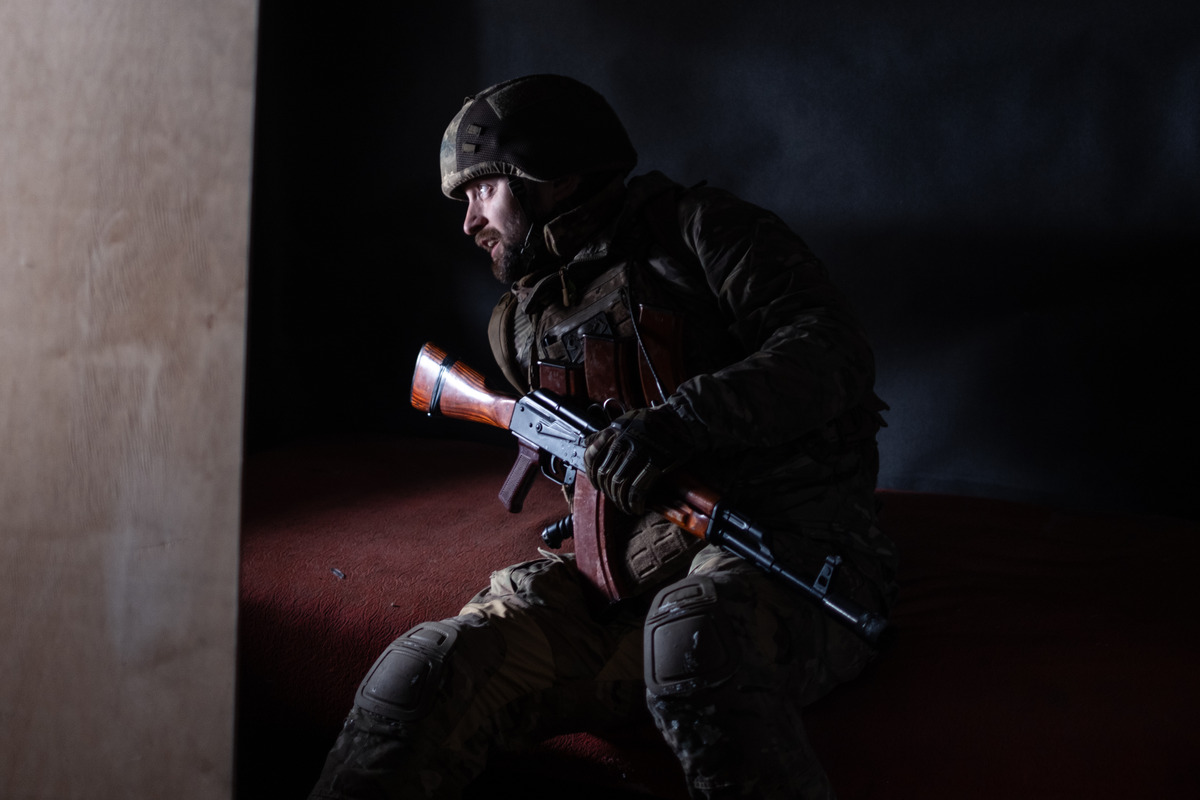
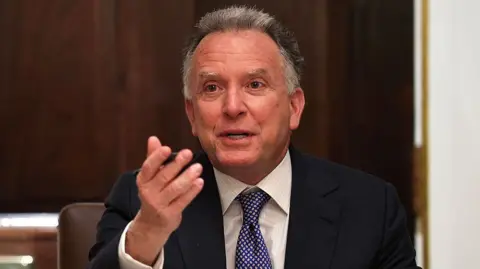
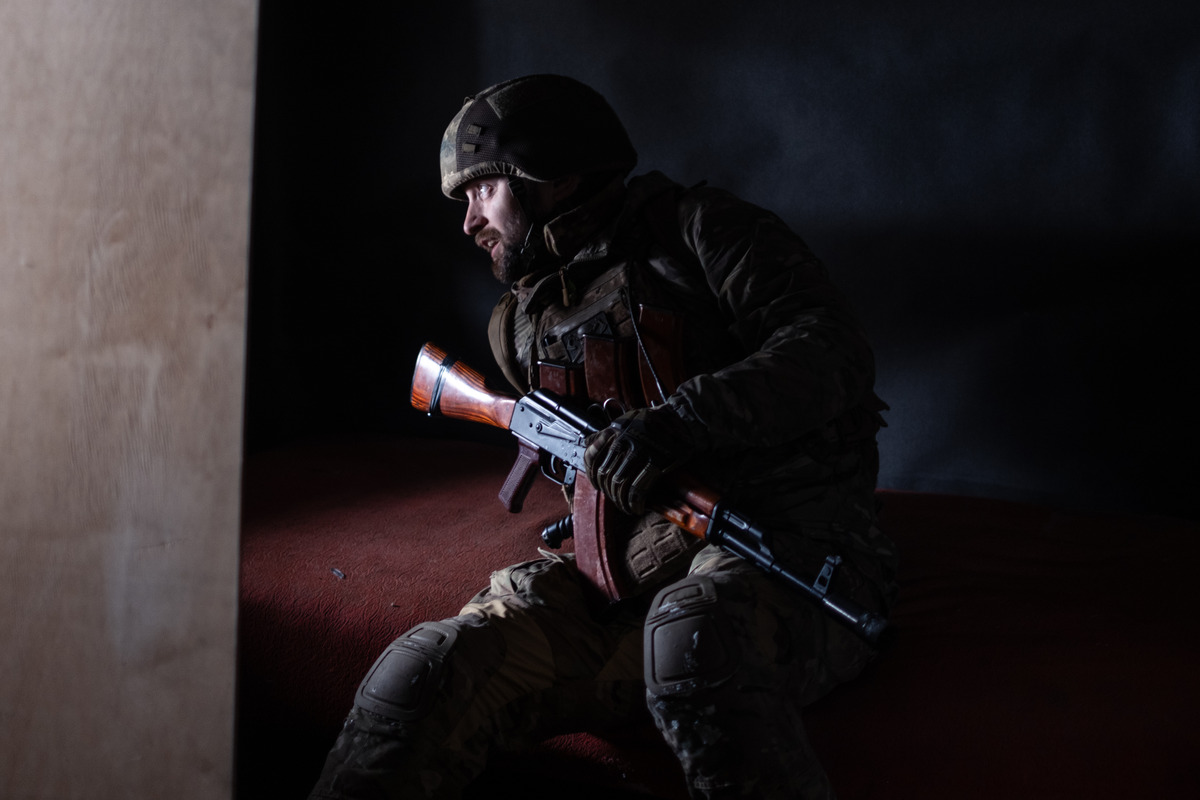
Zelensky Calls Trump’s Push for Concessions Unfair In a Feb 17 2026 Axios interview, President Volodymyr Zelensky said Donald Trump’s public urging of Ukraine to “make concessions” amounts to undue pressure, distinguishing it from talks with U.S. envoy Steve Witkoff and Jared Kushner [1]. He warned that any plan requiring cession of undisputed Donbas territory would be rejected in a Ukrainian referendum [1]. Zelensky also proposed anchoring a peace document to the current front line, believing a freeze would gain public support [1]. The war entered its fourth year, with Geneva negotiations now the focal point [1].
U.S. Envoy Declares First Day of Geneva Talks Meaningful Steve Witkoff announced that the opening session on Feb 16 2026 produced “meaningful progress” toward ending the war, praising Trump’s involvement while urging continuation on the second day [2]. Negotiations are mediated by Witkoff, Kushner, and Russia’s chief negotiator Vladimir Medinsky, with Ukrainian lead Dmytro Umerov handling practical mechanics [2]. The six‑hour session was described as tense, and both sides reported heavy drone activity that threatened the diplomatic atmosphere [2].
Territorial Stalemate Remains Core Issue Russia’s delegation, led by Medinsky, entered Geneva insisting on retaining Donetsk, Luhansk, Kherson and Zaporizhzhia, which together comprise about one‑fifth of Ukraine’s internationally recognized land [3]. Kyiv’s constitution bars any territorial cession, and Zelensky’s freeze‑front‑line proposal aligns with Ukraine’s refusal to make major concessions [1][3]. The United States suggested a limited Ukrainian withdrawal to create a “free economic zone” and offered a 15‑year security guarantee, which Kyiv deemed insufficient [3]. The contested status of the Zaporizhzhia nuclear plant added urgency to the talks [3].
Drone Skirmishes Escalate as Talks Continue The Russian defence ministry reported shooting down 43 Ukrainian drones over Russian territory and Crimea, while Ukraine’s air force intercepted roughly 100 of 126 Russian attack drones launched during the same period [2]. Both sides cited the drone activity as a destabilizing factor, yet negotiations proceeded amid the aerial clashes [2].
Sources
-
1.
The Hindu: Zelenskyy accuses Trump of undue pressure over Ukraine peace terms – Details Zelensky’s Feb 17 interview condemning Trump’s pressure, his distinction between Trump and U.S. negotiators, the proposed front‑line freeze, and the war’s four‑year timeline .
-
2.
BBC: US envoy claims “meaningful progress” as Ukraine‑Russia talks enter second day in Geneva – Highlights Steve Witkoff’s assessment of day‑one progress, the mediator roster, tense opening session, and extensive drone activity reported by both sides .
-
3.
Newsweek: Russia‑Ukraine Geneva Talks Focus on Territorial Stalemate – Explores the centrality of territorial control, Russia’s expanded delegation, Ukraine’s travel to Geneva, U.S. proposal of limited withdrawals and security guarantees, and the urgency created by the Zaporizhzhia nuclear plant situation .
Timeline
1994 – The Budapest Memorandum is signed, giving Ukraine security assurances in exchange for relinquishing its nuclear arsenal, a framework later undermined by Russia’s actions. [25]
2010 – The New START treaty limits U.S. and Russian strategic nuclear forces to 1,550 warheads each; it is set to expire in 2026. [2]
2014 – Russia annexes Crimea, violating the Budapest assurances and escalating tensions with Kyiv. [25]
2021 – Senior U.S. and Russian military contacts are suspended, halting direct dialogue before the invasion. [2]
Feb 2022 – Russia launches a full‑scale invasion of Ukraine, initiating a war that will last four years. [1][3][4]
Dec 1, 2025 – U.S. Secretary of State Marco Rubio, envoy Steve Witkoff and Jared Kushner hold a four‑hour meeting with Ukrainian officials in Florida, call it productive, and schedule senior U.S.–Russian talks in Moscow within days while noting recent Russian strikes on Kyiv. [24]
Dec 3, 2025 – NATO Secretary‑General Mark Rutte warns Putin the alliance will not retreat and urges 5 % GDP defense spending; U.S. envoy Steve Witkoff meets Putin in Brussels without reaching a deal as Ukrainian forces push Russian troops toward Kupiansk. [23]
Dec 7, 2025 – Donald Trump Jr. tells the Doha Forum that his father may walk away from Ukraine if peace talks stall, criticising U.S. efforts and highlighting a recent Ukrainian corruption scandal. [22]
Dec 7, 2025 – President Volodymyr Zelenskyy travels to London, meets PM Keir Starmer, President Macron and Chancellor Merz, discusses the “Coalition of the Willing,” and notes Trump’s criticism of his handling of the draft peace proposal. [21]
Dec 9, 2025 – Zelenskyy uses a WhatsApp group chat while flying between London and Brussels to answer reporters, stresses Ukraine will not surrender land, and notes uncertainty over U.S. security commitments during his 36‑hour European tour. [20]
Dec 9, 2025 – In London, Zelenskyy tells reporters Ukraine will not cede territory, says the U.S. plan has been trimmed to 20 points, and warns that Trump’s impatience is growing. [28]
Dec 11, 2025 – Zelenskyy convenes a video conference with about 30 allied nations, including Germany, Britain and France, to coordinate a “critical moment” in peace talks as Trump pushes for a swift settlement and European leaders propose finalising proposals over the weekend. [19]
Dec 12, 2025 – Kremlin adviser Yuri Ushakov announces Russian police and National Guard will remain in Donbas after any peace settlement, conditions a ceasefire on Ukrainian withdrawal, while Kyiv reports gains near Kupiansk. [18]
Dec 14, 2025 – Zelenskyy announces Ukraine will drop its NATO membership bid in exchange for “Article 5‑like” security guarantees, submits a revised 20‑point plan to Washington, and meets U.S. envoys in Berlin. [17]
Dec 15, 2025 – EU foreign policy chief Kaja Kallas rejects Russia’s demand for security guarantees, warns that losing Donbas could open a broader Ukrainian conquest, and notes the Kremlin’s refusal to allow Western troops on Ukrainian soil. [16]
Dec 15, 2025 – President Zelenskyy formally abandons Ukraine’s NATO bid, while Kremlin spokesman Dmitry Peskov says NATO remains a core issue in any settlement and Trump publicly dismisses NATO entry for Kyiv. [15]
Dec 15, 2025 – The United States offers unspecified security guarantees to Ukraine, presents an “Article 5‑like” document in Berlin, and European leaders pledge a multinational force; Russia launches a large drone wave amid the talks. [14]
Dec 16, 2025 – Zelenskyy says draft peace proposals from Berlin could be finalized within days, describes them as “very workable,” and notes that Russia seeks a full settlement, not a temporary cease‑fire. [13]
Dec 25, 2025 – Zelenskyy, Witkoff and Kushner hold a Christmas‑day call, call it “very good,” discuss a 20‑point plan that includes a demilitarised Donbas zone and security guarantees, while Putin demands full cession of Donetsk. [12]
Dec 28, 2025 – After a weekend of heavy Russian strikes on Kyiv, Zelenskyy meets President Donald Trump at Mar‑a‑Lago, says Russia “doesn’t want peace,” and discusses a revised 20‑point plan with the remaining 10 % of issues involving land concessions and a proposed economic free zone. [11]
Dec 28, 2025 – Zelenskyy arrives in Florida following a Kyiv missile attack, meets Trump to close gaps in the peace plan, confirms 90 % of terms are settled, and highlights a potential joint‑run Zaporizhzhia nuclear plant and a Donbas free‑zone. [10]
Dec 28, 2025 – Trump hosts Zelenskyy, declares the talks “excellent,” says Ukraine and Russia are closer to peace, notes Donbas and security guarantees dominate discussions, and hints at a follow‑up meeting with European leaders in January. [30]
Jan 3, 2026 – Kyiv hosts security‑allies talks with about 15 countries, EU and NATO representatives, and a U.S. video link; Zelenskyy says the U.S.-brokered peace plan is 90 % ready and announces a cabinet reshuffle. [9]
Jan 3, 2026 – European security advisers converge in Kyiv, outline a multilateral security guarantee with European troops and a U.S. backstop, and discuss an $800 billion reconstruction package; the next phase moves to European capitals. [29]
Jan 7, 2026 – Viktor Medvedchuk warns that the French‑British Paris declaration to deploy post‑war military hubs in Ukraine could trigger a “third world war,” while France, the UK and Ukraine sign the declaration and U.S. envoys attend. [8]
Jan 8, 2026 – Zelenskyy says a bilateral security‑guarantees document with the United States is “essentially ready,” cites Paris meetings that tackled complex issues, and awaits U.S. engagement with Moscow before finalisation. [7]
Jan 22, 2026 – Steve Witkoff tells reporters at Davos that the war hinges on one solvable issue, praises Ukraine’s negotiating team, and prepares to travel to Moscow then Abu Dhabi for working groups on military and economic matters. [6]
Jan 22, 2026 – Zelenskyy announces that trilateral talks with the United States and Russia will be held in the UAE, stresses Donbas as the main sticking point, and says he has secured U.S. security guarantees pending congressional approval. [5]
Jan 23, 2026 – Russia, Ukraine and the United States hold their first three‑way meeting in Abu Dhabi, with Trump pressuring both sides, Zelenskyy calling the talks a step toward ending the war, and Donbas remaining the primary deadlock. [3]
Jan 23, 2026 – The Abu Dhabi trilateral talks continue, described by the Kremlin as “substantive, constructive and very frank” but conditional on resolving territorial issues; the U.S. delegation includes Witkoff and Kushner, and a 20‑point U.S. plan is discussed. [4]
Feb 5, 2026 – Senior U.S. and Russian officers resume regular military‑to‑military dialogue on the margins of Abu Dhabi talks, framed by EUCOM as a peace‑building tool, and begin negotiations to extend the New START treaty that expires on Thursday. [2]
Feb 5, 2026 – Within days of the Abu Dhabi meeting, Steve Witkoff and Jared Kushner plan to travel to Moscow for senior‑level talks with President Putin, aiming to advance the peace process. [2]
Feb 18, 2026 – U.S. special envoy Steve Witkoff declares “meaningful progress” on the first day of Geneva negotiations, notes heavy drone activity on both sides, reports Ukraine’s demand for security guarantees, and records Russia’s maximalist territorial stance a week before the invasion’s fourth anniversary. [1]
Jan 2026 (following week) – France hosts the “coalition of the willing” leaders in Paris to coordinate responses to the war and present a unified position ahead of further negotiations. [9]
Late Dec 2025 / early Jan 2026 – U.S. envoys plan to deliver the finalized Berlin peace proposals to the Kremlin and hold follow‑up meetings in the United States the next weekend. [13]
Dive deeper (23 sub-stories)
-
Zelensky Blames Trump for Pressure as Geneva Talks Begin Over Donbas Stalemate
(72 articles)
-
U.S. Envoy Declares Meaningful Progress as Geneva Talks Enter Second Day
(24 articles)
-
BBC: US and Russia Resume Regular Military‑to‑Military Dialogue
-
Russia Demands Donbas Pullout as Abu Dhabi Talks Resume, Ukraine Prepares Security Guarantees
(4 articles)
-
Abu Dhabi Talks Show Constructive Dialogue but No Breakthrough, Security Guarantees Ready, Donbas Still Stalls
(9 articles)
-
Zelensky Slams Europe at Davos, Meets Trump While Ukraine Faces Winter Power Crisis
(3 articles)
-
Newsweek: Zelensky says US security guarantees reached with Trump to be signed after war ends
-
Stubb Declares Putin’s Strategic Collapse While Kremlin Echoes Trump on Ukrainian Delays
(13 articles)
-
Russia Rejects Western Peacekeeper Plan, Calls Coalition an “Axis of War” After Paris Declaration
(5 articles)
-
CNN: Russia warns Western troops in Ukraine would be 'legitimate targets' after France and UK pledge deployments
-
UK, France, Ukraine Sign Paris Declaration; Starmer Pledges Parliamentary Vote on Deployments
(2 articles)
-
Putin Declares Nearing Victory as Russia Controls One‑Fifth of Ukraine
(3 articles)
-
AP: European, Canadian leaders discuss U.S.-led peace efforts as drone-attack allegations surface
-
Zelensky Rebuts Trump, Demands U.S. Backing as Russia Presses Zaporizhzhia Offensive
(4 articles)
-
CNN: Trump–Zelensky meeting at Mar-a-Lago yields cautious tone on Donbas
-
Putin Signals Possible Territory Swap While Insisting on Full Donbas Retention
(2 articles)
-
CNN: Zelensky, Witkoff and Kushner discuss peace on Christmas Day as plan details emerge
-
AP: Zelenskyy open to demilitarized Donbas zone in peace plan
-
AP: Zelenskyy visits Warsaw as Nawrocki presses for symmetry and more promises
-
Newsweek: Russia Claims U.S. Backs Russian Land Claims in Ukraine
-
Newsweek: Trump Jr. says Trump may walk away from Ukraine at Doha Forum
-
Third‑Day Florida Talks Aim to Push U.S.–Mediated Peace Framework Amid Ongoing Hostilities
(5 articles)
-
Newsweek: Trump Strategy Criticizes NATO, Putin Secures Oil Deal with India Amid Ongoing Ukraine Conflict
All related articles (157 articles)
-
The Hindu: Zelenskyy accuses Trump of undue pressure over Ukraine peace terms
-
BBC: US envoy claims “meaningful progress” as Ukraine‑Russia talks enter second day in Geneva
-
Newsweek: Russia‑Ukraine Geneva Talks Focus on Territorial Stalemate
-
BBC: US and Russia Resume Regular Military‑to‑Military Dialogue
-
Newsweek: Russia Says Donbas Withdrawal Is the “Path to Peace” for Ukraine
-
AP: Kremlin Reports Constructive Progress in Abu Dhabi Peace Talks Amid Ongoing Conflict
-
CNN: Ukraine‑Russia‑US Trilateral Talks Advance Amid Ongoing Fighting
-
AP: U.S. Security Guarantees for Ukraine Declared Ready, Zelenskyy Says
-
AP: Zelenskyy says Ukraine‑Russia‑US talks were constructive
-
BBC: Ukraine‑Russia‑US Trilateral Talks in Abu Dhabi: Limited Progress Amid High Stakes
-
Newsweek: Zelensky says it's too early to judge Abu Dhabi trilateral talks
-
AP: Kremlin says territorial issue key obstacle to Ukraine peace as Abu Dhabi talks proceed
-
CNN: Donbas at center as Abu Dhabi trilateral talks seek territorial settlement
-
CNN: US, Ukraine and Russia hold first trilateral talks on security issues in Abu Dhabi
-
BBC: Russia, Ukraine and US to hold trilateral talks in Abu Dhabi
-
Newsweek: Russia vows Ukraine war will continue until goals are met after Putin talks with Trump envoys
-
AP: Zelenskyy blasts Europe at Davos for slow response to Russia invasion
-
Newsweek: Zelensky says US security guarantees reached with Trump to be signed after war ends
-
BBC: Zelensky says trilateral talks with US and Russia set for UAE after Davos meeting
-
Newsweek: U.S. envoy Witkoff says end of Russia-Ukraine war down to one issue
-
Newsweek: Stubb says Putin failed in every strategic aim as NATO expands with Finland and Sweden
-
CNN: Trump Davos remarks dim Ukraine peace prospects amid Greenland dispute
-
AP: Trump to meet Zelenskyy as Ukraine endures bitter winter after Russian attacks
-
Newsweek: Trump says Russia and Ukraine near end of war as Davos talks unfold
-
AP: Ukrainian delegation arrives in US for peace talks as Russia targets Ukraine's power grid
-
AP: Kremlin backs Trump view that Ukraine is delaying peace deal
-
Newsweek: Russia rejects plan for Western peacekeepers in Ukraine, calls coalition an 'axis of war'
-
CNN: Russia warns Western troops in Ukraine would be 'legitimate targets' after France and UK pledge deployments
-
The Hindu: Zelenskyy says U.S. security‑guarantees deal essentially ready to be finalised with Trump
-
Newsweek: Putin ally warns of 'third world war' after France and Britain sign Paris security declaration for Ukraine
-
BBC: Zelensky says allies have not given clear, legally binding security pledge after Paris talks
-
AP: Allies outline post-ceasefire security guarantees for Ukraine at Paris talks
-
The Hindu: Starmer says any deployment to Ukraine under UK-France-Ukraine declaration would be put to a House vote
-
AP: Ukraine’s allies in Paris agree major progress on multilayered security guarantees to deter Russia
-
BBC: UK and France agree to deploy troops in Ukraine if peace deal is struck
-
The Hindu: Zelenskyy says U.S. and Ukraine discussed territorial 'ideas' as main barrier to peace talks
-
King5 (Seattle, WA): Security advisers discuss peace proposals in Kyiv ahead of leaders' summit
-
AP: Kyiv hosts security advisers as talks on guarantees, funding advance toward Paris summit
-
The Hindu: Zelenskyy seeks U.S. leadership summit by January end as talks advance
-
The Hindu: Kyiv hosts security-allies talks as Zelensky says 15 nations attend
-
Newsweek: Zelensky invites Trump to Ukraine as peace talks gain momentum after Florida meeting
-
CNN: Putin projects confidence as Russia nears a grim milestone in Ukraine war
-
Newsweek: Zelensky says US troops discussed with Trump as peace talks intensify
-
BBC: Thorny issues threaten to derail Russia-Ukraine peace deal as talks edge toward final stage
-
AP: European, Canadian leaders discuss U.S.-led peace efforts as drone-attack allegations surface
-
Newsweek: Zelensky Pushes Back After Trump Says Putin Wants Ukraine to ‘Succeed’
-
The Hindu: Zelenskyy urges U.S. support and says he does not trust Putin
-
AP: US offers Ukraine 15-year security guarantees as part of peace plan, Zelenskyy says
-
CNN: Trump–Zelensky meeting at Mar-a-Lago yields cautious tone on Donbas
-
The Hindu: U.S. offers Ukraine 15-year security guarantees as part of peace plan, Zelenskyy says
-
BBC: Trump says progress in Ukraine talks but thorny issues remain
-
CNN: Limited progress in Trump-Zelensky peace talks as Kyiv faces Russian assault
-
Newsweek: Trump-Zelensky Mar-a-Lago meeting advances peace talks as EU reacts
-
BBC: Trump and Zelensky upbeat after talks, but no evidence of progress toward peace
-
AP: Trump hosts Zelenskyy in Florida, says Ukraine and Russia closer to peace despite tough negotiations
-
CNN: Trump-Zelensky talks at Mar-a-Lago yield no breakthrough, keep peace plan negotiations alive
-
The Hindu: Trump says Ukraine deal closer but no territorial breakthrough
-
King5 (Seattle, WA): Trump says Ukraine and Russia closer to peace after Zelenskyy talks in Florida
-
Newsweek: Trump-Zelensky meeting underway after Putin call at Mar-a-Lago
-
CNN: Zelensky, Trump to meet in Florida after weeks of intensive peace talks
-
The Hindu: Zelenskyy says peace decisions depend on Kyiv's partners ahead of Florida talks with Trump
-
BBC: Zelensky says Russia doesn't want peace ahead of Florida meeting with Trump
-
The Hindu: Trump to host Zelenskyy at Mar-a-Lago to push end to Ukraine war
-
Newsweek: Zelensky updates Trump talks after Kyiv strikes as peace plan nears completion
-
BBC: Zelensky to meet Trump in Florida to discuss US peace plan as fighting continues
-
The Hindu: Trump: Zelenskyy has nothing until I approve ahead of Florida meeting
-
AP: Zelenskyy flags unresolved issues in U.S.-Ukraine talks on ending Russia's war
-
The Hindu: Zelenskyy to meet Trump in Florida over Ukraine security guarantees
-
Newsweek: Zelensky Signals Referendum on Trump Peace Plan If Borders Change
-
The Hindu: Putin hints at territory swap in Ukraine deal, Kommersant reports
-
AP: Zelenskyy to meet Trump in Florida to discuss security guarantees and reconstruction
-
Newsweek: Zelensky to meet Trump in Florida as peace talks advance
-
Newsweek: Zelensky touts U.S. 'new ideas' for peace after talks, with revised 20-point proposal and possible Trump meeting
-
BBC: Zelensky hails new peace ideas after talks with US envoys
-
CNN: Zelensky, Witkoff and Kushner discuss peace on Christmas Day as plan details emerge
-
CNN: Zelensky offers peace concessions, puts ball in Putin's court
-
AP: Zelenskyy open to demilitarized Donbas zone in peace plan
-
BBC: Zelensky unveils updated 20-point peace plan proposing demilitarised Donbas zone and economic options
-
Newsweek: Zelensky signals concession to end Ukraine war with demilitarized zone proposal
-
The Hindu: Zelenskyy says progress in U.S.-led peace talks is solid
-
AP: Zelenskyy: U.S.-led peace drafts largely meet Kyiv’s demands as talks proceed
-
Newsweek: Zelensky says 20-point peace plan is solid with U.S.-European security guarantees
-
Newsweek: Kremlin rebuts U.S. intelligence claim Putin seeks full Ukraine and broader influence
-
BBC: Miami talks yield productive discussions but no breakthrough in Ukraine war diplomacy
-
AP: Kushner re-enters diplomacy as Miami talks push Gaza and Ukraine deals
-
AP: US says talks with Ukraine, Europe on ending war with Russia constructive
-
The Hindu: Kremlin denies three-way talks with U.S., Ukraine as Miami negotiations unfold
-
The Hindu: US intelligence says Putin's aims in Ukraine unchanged, broader European goals persist
-
The Hindu: Zelenskyy urges U.S. to pressure Russia as Miami talks unfold
-
BBC: Putin signals possible ceasefire if Russia's security is guaranteed during Rosenberg interview
-
BBC: Putin vows no more wars if West treats Russia with respect
-
CNN: Putin's marathon press conference mixes war talk with hints of peace as EU loan to Ukraine surfaces
-
AP: Zelenskyy visits Warsaw as Nawrocki presses for symmetry and more promises
-
AP: Putin says Kremlin’s Ukraine goals will be achieved as troops advance
-
AP: Kremlin Envoy to Meet U.S. Team in Miami Amid Ongoing Ukraine Peace Efforts
-
CNN: Putin Refuses Ukraine Territorial Concessions Amid Trump‑Led Peace Push
-
AP: Zelensky says Ukraine‑U.S. peace proposals could be ready within days
-
Newsweek: Russia Claims U.S. Backs Russian Land Claims in Ukraine
-
Newsweek: Zelensky Rules Out Donbas Concessions After Berlin Talks
-
AP: U.S. Agrees to Provide Security Guarantees to Ukraine in Berlin Talks
-
Newsweek: Russia Signals Openness to Ukraine EU Membership in Peace Talks
-
AP: Talks to End Russia‑Ukraine War Reach Stalemate
-
BBC: US Proposes NATO‑Style Guarantees as Ukraine Negotiates Peace, Donbas Remains Stalemate
-
Newsweek: Russia Reacts to Ukraine’s NATO Shift
-
Newsweek: EU Diplomat Rejects Russian Security Demand, Issues Donbas Warning
-
AP: Zelenskyy Offers NATO Bid Trade‑off for Binding Security Guarantees, Rejects U.S. Donetsk Concession
-
BBC: Putin’s Calculus and the International Push to End the Ukraine War
-
The Hindu: Zelenskyy offers to drop NATO bid for security guarantees but rejects US push to cede territory
-
Newsweek: Zelensky Signals Willingness to Trade NATO Bid for Bilateral Security Guarantees
-
The Hindu: Russia-Ukraine war: Is the 28-point Trump peace deal dead in the water?
-
AP: Kremlin says Russian police and National Guard will remain in Donbas after peace deal
-
AP: Zelenskyy to Convene Urgent Talks with 30 Allies Amid Trump‑Driven Peace Push
-
CNN: US Proposes Free Economic Zone in Donbas Amid Ukraine's Negotiations
-
Newsweek: Trump Urges Zelensky to Be “Realistic” on Ukraine Peace Talks
-
CNN: Ukraine responds to US peace plan as Trump signals possible European meeting
-
AP: Ukraine to give revised peace plans to US as Kyiv readies for more talks with its coalition partners
-
AP: Zelenskyy reaffirms refusal to cede land as he rallies European support
-
AP: Zelenskyy improvises WhatsApp updates during whirlwind European trip
-
BBC: Trump Criticises European Leaders and Calls for Ukraine to Cede Territory
-
Newsweek: Trump Urges Ukraine to Decide on Peace Plan by Christmas Deadline
-
The Hindu: Zelenskyy refuses to cede land to Russia as he rallies European support
-
BBC: Ukraine prepares new peace plan as Zelensky rules out giving up land
-
AP: Zelenskyy in London with European allies on the U.S. peace plan and Ukrainian security
-
CNN: Zelensky says Ukraine will refuse to concede territory to Russia as peace talks press on
-
Newsweek: Zelensky Rejects Territorial Concessions; Trump Criticizes Europe Amid Russia‑Ukraine Tensions
-
Newsweek: Trump Accuses Zelensky of Delaying 28‑Point Peace Plan Amid Ongoing Russian Attacks
-
CNN: Zelensky meets European leaders as Trump accuses him of not reading US proposal to end war
-
BBC: Zelensky heads to London for high-level Ukraine talks with European leaders
-
AP: Trump says Zelenskyy isn’t ready to accept US-authored peace proposal amid ongoing talks
-
Newsweek: Trump Jr. says Trump may walk away from Ukraine at Doha Forum
-
CNN: Ukraine peace talks in Miami end with lingering questions over security guarantees and territory
-
AP: U.S. and Ukraine to Hold Third Day of Talks on Security Framework
-
Newsweek: Trump Strategy Criticizes NATO, Putin Secures Oil Deal with India Amid Ongoing Ukraine Conflict
-
Newsweek: Putin Criticizes Ukraine Leadership and Reaffirms Russian Stance on Peace Talks
-
CNN: Putin vows Russia will seize Donbas region by any means, as Ukrainians prepare for more peace talks with US
-
BBC: Putin says Russia disagrees with parts of US plan to end Ukraine war
-
BBC: US and Ukraine Negotiators to Meet in Miami After Moscow Talks
-
AP: Europe Accuses Putin of Pretending Interest in Peace Talks After US Envoy Sessions
-
Newsweek: NATO Warns Putin: “We’re Not Going Anywhere”
-
BBC: What the latest Ukraine talks reveal about Putin’s state of mind
-
CNN: Putin’s War‑Peace Negotiations Stall as Trump Pushes for Quick End
-
AP: US‑Russia talks on Ukraine remain constructive but no breakthrough
-
AP: Key Negotiators in Ukraine Peace Talks Intensify Efforts
-
Newsweek: Putin Meets US Envoy, Claims Pokrovsk, and Warns Europe
-
BBC: Russian Advances in Donbas Prompt Ukrainian Evacuations and Desertions
-
AP: US Envoy Witkoff Meets Putin as Zelenskyy Tours Europe
-
AP: Zelenskyy Says Revised Trump Peace Plan Looks Better, Work Continues
-
BBC: Putin and Trump’s envoy set for key Ukraine talks in Moscow
-
AP: Russia‑Ukraine peace talks stall over land and security issues
-
CNN: Trump dispatches former associates to Moscow for Ukraine talks
-
BBC: Zelensky Highlights Territorial Issue as US Envoy Prepares to Meet Putin
-
CNN: US‑Ukraine Negotiations Advance, but Key Compromises Remain Unsettled
-
CNN: Trump Optimistic About Ending Ukraine War After Miami Talks
-
AP: Rubio Says U.S.–Ukraine Talks Productive, More Work Needed for Peace Deal
-
BBC: Rubio Says Ukraine Talks in Florida Are Productive, More Work Needed
-
CNN: Trump’s Florida Ukraine talks spark new diplomatic push
-
Newsweek: U.S. Draft Security Plan Would Make Russia Co‑Arbiter of Ukraine’s Post‑War Security
External resources (51 links)
- https://www.whitehouse.gov/wp-content/uploads/2025/12/2025-National-Security-Strategy.pdf (cited 4 times)
- https://www.whitehouse.gov/presidential-actions/2025/06/restricting-the-entry-of-foreign-nationals-to-protect-the-united-states-from-foreign-terrorists-and-other-national-security-and-public-safety-threats/ (cited 2 times)
- https://bidenwhitehouse.archives.gov/wp-content/uploads/2022/10/Biden-Harris-Administrations-National-Security-Strategy-10.2022.pdf (cited 1 times)
- https://www.state.gov/new-start-treaty (cited 1 times)
- https://data.unhcr.org/en/situations/ukraine (cited 1 times)
- https://www.axios.com/2025/12/02/putin-witkoff-kushner-meeting-ukraine-plan (cited 3 times)
- https://www.nytimes.com/2025/11/29/us/politics/trump-venezuela-maduro-airspace.html (cited 2 times)
- https://www.politico.com/news/2025/12/26/trump-to-politico-zelenskyy-doesnt-have-anything-until-i-approve-it-00706783 (cited 2 times)
- https://www.wsj.com/politics/national-security/trump-declares-that-airspace-around-venezuela-should-be-considered-closed-07b748ee?mod=hp_lead_pos2 (cited 2 times)
- https://abcnews.go.com/International/russia-ukraine-verge-deal-end-war-deputy-foreign/story?id=128390935 (cited 1 times)
- https://www.politico.com/news/2025/12/09/trump-dasha-burns-interview-europe-immigration-ukraine-00682016?utm_content=topic/politics&utm_source=flipboard (cited 1 times)
- https://www.politico.com/news/2025/12/26/trump-to-politico-zelenskyy-doesnt-have-anything-until-i-approve-it-00706783?utm_medium=twitter&utm_source=dlvr.it (cited 1 times)
- https://x.com/narendramodi (cited 9 times)
- https://t.co/J2iPAdArQn (cited 3 times)
- https://twitter.com/Pontifex?ref_src=twsrc%5Etfw (cited 3 times)
- https://www.facebook.com/sharer/sharer.php?u=https%3A%2F%2Fnews.sky.com%2Fstory%2Fukraine-war-latest-putin-peace-deal-china-russia-donbas-trump-india-miami-talks-12541713%3Fpostid%3D10674654%23liveblog-body&t=Pope%3A%20Trump%20remarks%20%27trying%20to%20break%20apart%27%20US-Europe%20alliance (cited 3 times)
- https://x.com/ZelenskyyUa (cited 3 times)
- https://x.com/ZelenskyyUa/status/1996888562118078798/photo/1 (cited 3 times)
- https://x.com/ralakbar/status/1996040946459512919?s=20 (cited 3 times)
- https://x.com/vonderleyen/status/2004998697231200301 (cited 3 times)
- https://t.me/YvanGilPinto/7224 (cited 2 times)
- https://truthsocial.com/@realDonaldTrump/posts/115625427648743414 (cited 2 times)
- https://truthsocial.com/@realDonaldTrump/posts/115625429081411360 (cited 2 times)
- https://x.com/alexstubb/status/2005394145624658332 (cited 2 times)
- https://x.com/donaldtusk/status/2005344651537260581 (cited 2 times)
- https://x.com/sergiykyslytsya/status/1995171474290667583?s=46&t=JBju4nG29ATwR0RetHNM8Q (cited 2 times)
- https://x.com/zelenskyyua/status/2005411973278679457?s=46 (cited 2 times)
- https://www.facebook.com/zelenskyy.official/posts/pfbid0FriaxEahcM5N1PgCiYZz7NPMi1ep8sjsWkszi5ss5eetja5m4D77jkJjaoNDBNp9l?rdid=lelntBdiHFC6EtBB# (cited 1 times)
- https://x.com/CMShehbaz/status/2005822489709142201 (cited 1 times)
- https://x.com/DNIGabbard/status/2002484806978834862 (cited 1 times)
- https://x.com/Orysiaua/status/2005578615887638611 (cited 1 times)
- https://x.com/SEPeaceMissions/status/2002826320615444873 (cited 1 times)
- https://x.com/SEPeaceMissions/status/2002876838448697741 (cited 1 times)
- https://x.com/SEPeaceMissions/status/2015152029622997116 (cited 1 times)
- https://x.com/Vizlypuzly1/status/2005342256614764648 (cited 1 times)
- https://x.com/ZelenskyyUa/status/2015062372386250962 (cited 1 times)
- https://x.com/narendramodi/status/2005899780795535587 (cited 1 times)
- https://x.com/stanovaya/status/2005947027440406925?s=48 (cited 1 times)
- http://eng.mod.gov.cn/2025xb/N/T/16425680.html (cited 3 times)
- http://eng.mod.gov.cn/2025xb/N/T/16426188.html (cited 3 times)
- https://news.sky.com/story/ukraine-war-latest-trump-putin-attack-zelenskyy-russia-frontline-peace-talks-12541713?postid=10769353#liveblog-body (cited 3 times)
- https://www.reaganfoundation.org/reagan-institute/centers/peace-through-strength/program/reagan-national-defense-survey (cited 3 times)
- https://www.telegraph.co.uk/world-news/2025/12/04/macron-trump-could-betray-ukraine-over-peace-deal/ (cited 3 times)
- https://www.bloomberg.com/news/articles/2025-12-08/zelenskiy-says-no-accord-so-far-on-eastern-ukraine-in-us-talks?embedded-checkout=true (cited 2 times)
- https://news.sky.com/story/ukraine-war-latest-russia-putin-kharkiv-sky-news-live-blog-12541713 (cited 1 times)
- https://tass.ru/politika/26026699 (cited 1 times)
- https://www.bloomberg.com/news/articles/2025-11-25/witkoff-advised-russia-on-how-to-pitch-ukraine-plan-to-trump (cited 1 times)
- https://www.iaea.org/newscenter/pressreleases/update-333-iaea-director-general-statement-on-situation-in-ukraine (cited 1 times)
- https://www.imf.org/external/datamapper/profile/RUS (cited 1 times)
- https://www.president.gov.ua/en/news/ye-deyaki-nashi-novi-ideyi-yak-nabliziti-realnij-mir-i-ce-st-102201 (cited 1 times)