Pakistan Declares Open War, Hits Kabul and Kandahar, While Russia and Iran Push for Mediation
Updated (12 articles)
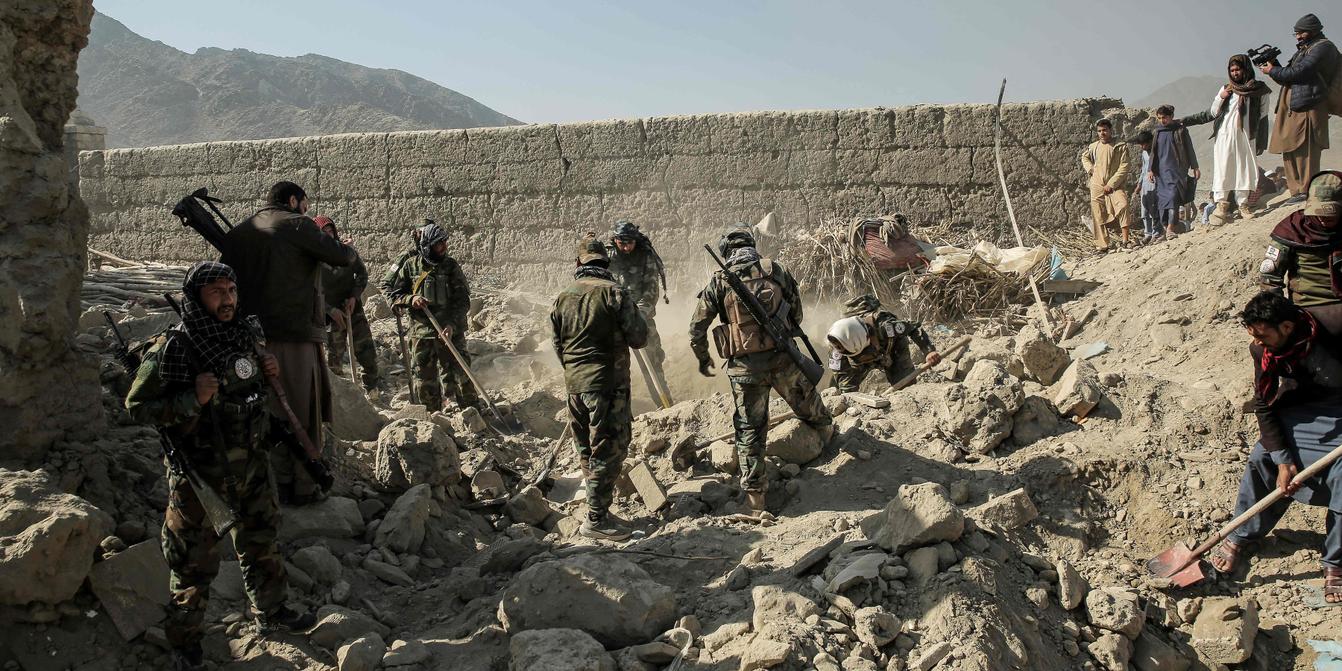
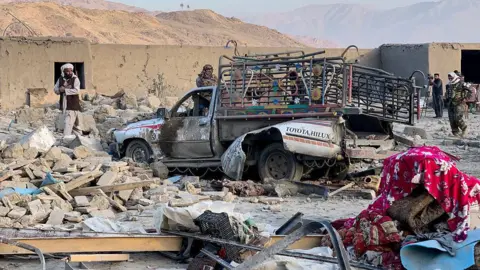
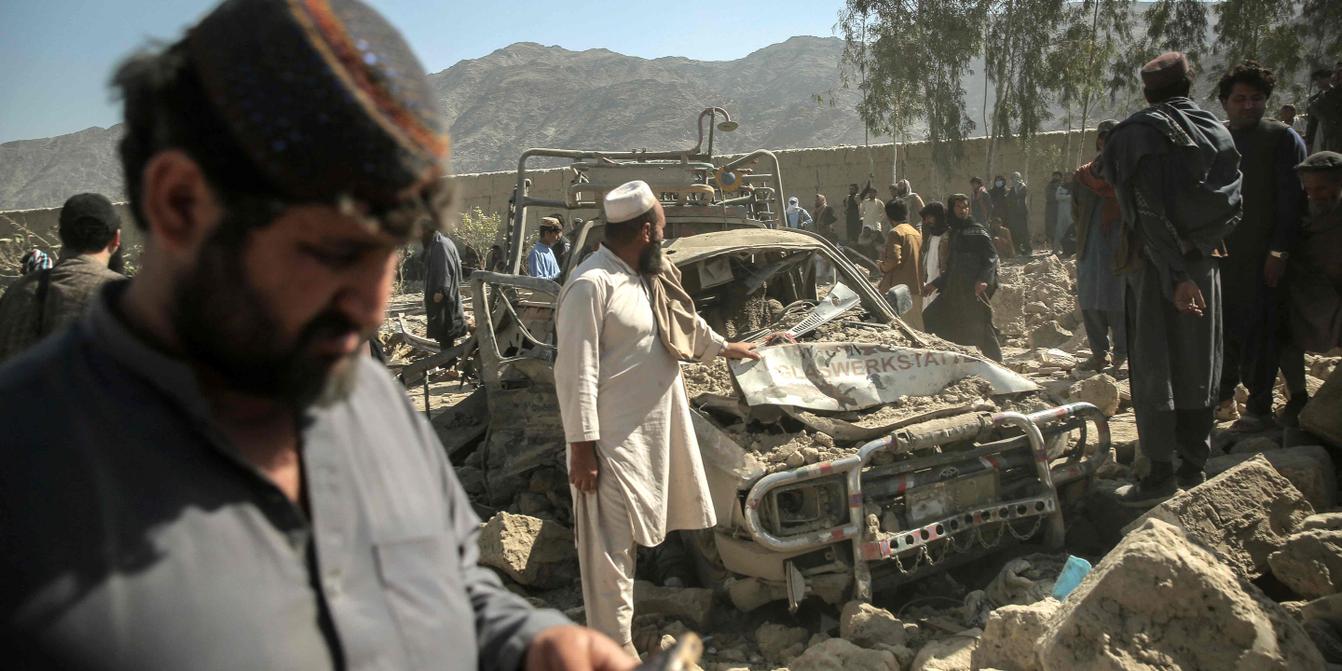
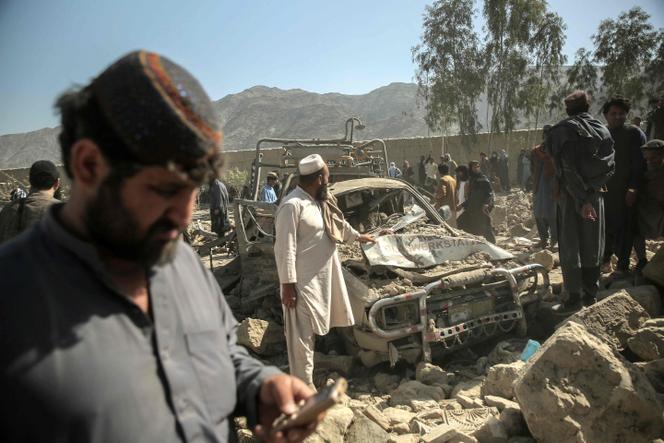
Pakistan Declares Open War and Launches Airstrikes On 27 Feb 2026 Defence Minister Khawaja Asif announced an “open war” with Afghanistan after a cross‑border attack, and Prime Minister Shehbaz Sharif vowed to crush Afghan aggression. Pakistan’s air force struck Kabul, Kandahar and Paktia in pre‑dawn raids, targeting what officials called “terrorist” camps and military facilities[1][2]. The strikes were presented as retaliation for Afghan fire along the Khyber Pakhtunkhwa frontier[3].
Taliban Reports Heavy Pakistani Losses and Captures Posts Taliban spokesman Zabihullah Mujahid claimed 55 Pakistani soldiers killed, 19 posts seized and dozens of Afghan fighters wounded, while also announcing the capture of a headquarters in Khost and over 15 outposts[1][7]. Afghan defence officials confirmed eight of their own troops died in the ground offensive but denied the scale of Pakistani losses reported by Islamabad[3].
Pakistan Claims Hundreds of Taliban Fighters Killed Information Minister Attaullah Tarar said the retaliatory operation, dubbed “Operation Ghazab lil Haq,” killed at least 133 Taliban operatives and injured more than 200[1]. Reuters data highlighted the stark military imbalance, noting Pakistan fields 660,000 personnel and 465 combat aircraft versus the Taliban’s 172,000 fighters with no air assets[1].
Russia, Iran Offer Mediation as UN Calls for Diplomacy Russia’s foreign ministry signaled willingness to mediate if requested, while Iran’s foreign minister Abbas Araghtchi offered to facilitate dialogue on X[1]. UN Secretary‑General António Guterres urged both sides to pursue diplomatic solutions and protect civilians[1][4].
Civilian Impact and Refugee Movements Escalate Explosions in Kabul injured civilians, and a missile strike near the Torkham camp wounded 13 people, prompting evacuations of refugees and closure of the crossing[4][5]. UNHCR recorded 2.9 million Afghan returnees in 2023 and nearly 80,000 in 2024, underscoring the humanitarian fallout[2].
Casualty Figures Diverge Sharply Between Parties Pakistan reports two soldiers killed and three wounded, whereas the Taliban claims 55 Pakistani deaths and the seizure of multiple posts[4][7]. Afghan officials cite eight of their own soldiers dead and 11 injured, while Pakistan asserts 133 Taliban fighters killed, illustrating a wide discrepancy in reported losses[2][6].
Sources
-
1.
The Hindu: Pakistan‑Afghanistan border clash escalates as Russia, Iran urge diplomacy: Details Pakistan’s “open war” declaration, airstrikes, casualty claims, and diplomatic overtures from Russia and Iran.
-
2.
AP: Pakistan Declares “Open War” with Afghanistan After Cross‑Border Strikes: Highlights defence minister’s announcement, airstrike locations, conflicting casualty numbers, and refugee displacement.
-
3.
Le Monde: Pakistan Declares Open War on Afghanistan Amid Escalating Border Strikes: Focuses on open‑war proclamation, prime minister’s vow, Taliban’s post captures, and Iran’s mediation offer.
-
4.
AP: Pakistan Airstrikes Hit Kabul Amid Escalating Afghanistan‑Pakistan Conflict: Reports early‑morning strikes, lack of immediate casualty data, and UN calls for civilian protection.
-
5.
BBC: Pakistan launches strikes on Kabul and Kandahar, reigniting border conflict: Describes pre‑dawn airstrikes, Taliban’s deleted post, civilian casualties, and closure of Torkham crossing.
-
6.
CNN: Afghanistan‑Pakistan Border Strikes Escalate Amid Fragile Ceasefire: Covers airstrikes, divergent casualty figures, and threats to the October cease‑fire.
-
7.
The Hindu: Afghanistan‑Pakistan border clashes intensify with strikes on Kabul and Kandahar: Notes heavy clashes after Pakistani strikes, UN diplomatic urging, and Taliban’s claim of capturing a Khost headquarters.
-
8.
Le Monde: Afghan Forces Claim Massive Cross‑Border Attacks on Pakistan After Airstrikes: Reports Afghan army’s retaliation, seizure of 15 posts, and Pakistan’s accusation of Afghan‑based militants.
-
9.
Le Monde: Pakistan airstrikes kill dozens in Afghan border provinces, Afghan officials respond: Details 22 Feb airstrikes on TTP and IS‑linked camps, civilian casualties, and UN civilian‑toll report.
-
10.
The Hindu: Pakistan Says 70 Terrorists Killed in Cross‑Border Strikes on Afghan Hideouts: Provides figures for militants killed, targets named, and Afghan government’s warning of a measured response.
-
11.
CNN: Pakistan Airstrikes Target Afghan‑Based Militants, Raising Cease‑Fire Concerns: Describes intelligence‑based strikes on seven camps, 18 civilian deaths, and potential breach of the October cease‑fire.
Timeline
2020 – Pakistan and Afghanistan sign the Doha Agreement, pledging to curb cross‑border militant activity, a commitment both sides later accuse the other of violating [9].
August 2021 – The Taliban seize control of Afghanistan, creating a new regime that Pakistan later claims fails to prevent Afghan‑based groups from attacking Pakistani soil [2].
Oct 2025 – Qatar and Turkey broker a fragile cease‑fire after deadly exchanges along the 1,600‑mile border, temporarily halting the fiercest fighting since the Taliban’s 2021 takeover [2].
Oct 2025 – An October clash erupts, killing 23 Pakistani soldiers and more than 200 Afghan Taliban fighters, underscoring the volatility that the cease‑fire seeks to contain [9].
Mid‑Oct 2025 – Pakistan closes the Torkham crossing to Afghan refugees, limiting legal crossings to a narrow repatriation corridor after the October fighting [12].
5 Dec 2025 – An overnight artillery exchange sparks a border clash; Pakistan blames “unprovoked firing” while the Taliban says Pakistan initiated the attack, and civilian homes in Spin Boldak are hit [2].
8 Feb 2026 – A UNAMA report documents 70 civilian deaths and 478 injuries in Afghanistan from Pakistani cross‑border strikes during the last three months of 2025, highlighting a rising humanitarian toll [12].
22 Feb 2026 – Pakistan conducts intelligence‑based airstrikes on seven Afghan militant camps in Nangarhar and Paktika, killing 18 civilians (including women and children) and, according to Islamabad, 70 militants linked to the TTP and IS‑KP [4][9][12].
22 Feb 2026 – Pakistan’s information ministry claims “conclusive evidence” ties the February suicide bombings in Islamabad to Afghan‑based militants, justifying the cross‑border raids [4].
26 Feb 2026 – Afghan forces launch a large‑scale cross‑border attack on Pakistani border posts in Khyber Pakhtunkhwa, claiming capture of 15 outposts and killing dozens of Pakistani soldiers, which Islamabad describes as an “unilateral” assault [1][11].
26 Feb 2026 – In pre‑dawn retaliation, Pakistan bombs Kabul, Kandahar and Paktia, saying it hits seven militant hideouts; Pakistan reports 133 Taliban fighters killed, while the Taliban claims 55 Pakistani soldiers dead and 19 posts seized [1][3][5][6][7][8].
27 Feb 2026 – Defence Minister Khawaja Asif posts on X, “our patience has run out – it is now open war between us and you,” formally escalating the conflict [5][10][7].
27 Feb 2026 – Prime Minister Shehbaz Sharif tweets, “our troops have all the necessary capability to crush any aggressive ambition,” signalling a hardline stance after the airstrikes [7][5].
27 Feb 2026 – Russia’s Foreign Ministry says it will consider mediating if both sides request, while Iran’s foreign minister offers to facilitate dialogue, both urging an immediate halt to the fighting [7].
27 Feb 2026 – UN Secretary‑General António Guterres, via spokesperson Stéphane Dujarric, says he is “following reports of the clashes with concern” and calls on Pakistan and Afghanistan to pursue diplomatic solutions [7][8][6].
Dive deeper (6 sub-stories)
-
Pakistan Declares Open War on Afghanistan, Launches Airstrikes Targeting Kabul, Kandahar, Paktia
(3 articles)
-
Pakistan Airstrikes Hit Kabul as Afghan Forces Claim Massive Cross‑Border Counterattacks
(3 articles)
-
Pakistan’s Pre‑Dawn Airstrikes on Kabul and Kandahar Trigger Escalated Border Fighting
(2 articles)
-
Pakistan Airstrikes on Afghan Border Kill Dozens, Escalate Fragile Cease‑Fire
(2 articles)
-
The Hindu: Pakistan Says 70 Terrorists Killed in Cross‑Border Strikes on Afghan Hideouts
-
BBC: Border Clashes Resume Between Pakistan and Afghan Taliban
All related articles (12 articles)
-
The Hindu: Pakistan‑Afghanistan border clash escalates as Russia, Iran urge diplomacy
-
AP: Pakistan Declares “Open War” with Afghanistan After Cross‑Border Strikes
-
Le Monde: Pakistan Declares Open War on Afghanistan Amid Escalating Border Strikes
-
AP: Pakistan Airstrikes Hit Kabul Amid Escalating Afghanistan‑Pakistan Conflict
-
BBC: Pakistan launches strikes on Kabul and Kandahar, reigniting border conflict
-
CNN: Afghanistan‑Pakistan Border Strikes Escalate Amid Fragile Ceasefire
-
The Hindu: Afghanistan‑Pakistan border clashes intensify with strikes on Kabul and Kandahar
-
Le Monde: Afghan Forces Claim Massive Cross‑Border Attacks on Pakistan After Airstrikes
-
Le Monde: Pakistan airstrikes kill dozens in Afghan border provinces, Afghan officials respond
-
The Hindu: Pakistan Says 70 Terrorists Killed in Cross‑Border Strikes on Afghan Hideouts
-
CNN: Pakistan Airstrikes Target Afghan‑Based Militants, Raising Cease‑Fire Concerns
-
BBC: Border Clashes Resume Between Pakistan and Afghan Taliban