U.S. Strike Against Iran Likely Within Weeks as Protests Rage and Iraqi Deadlock Deepens
Updated (165 articles)
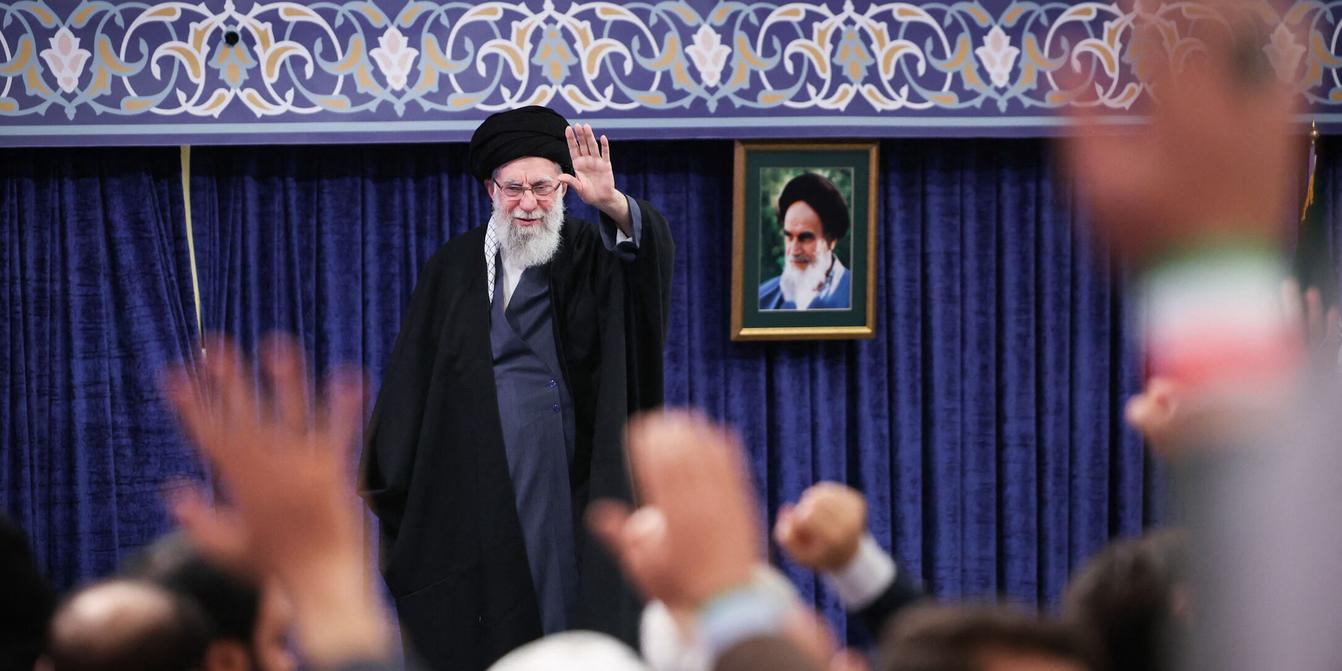
High Probability of U.S.-Israel Joint Strike A senior Trump adviser told Axios the United States faces a 90 percent chance of launching a massive U.S.–Israeli campaign against Tehran within weeks, and the USS Gerald R. Ford carrier strike group has already moved into the region [3]. Ross Harrison of the Middle East Institute argues that American attacks on Iran have become unavoidable, describing a “flash‑intervention” model as unrealistic and noting the regime’s entrenched structures would survive even the death of Supreme Leader Ali Khamenei [1].
Nationwide Iranian Protests Continue Despite Crackdown On Feb 18 anti‑regime demonstrations erupted in five provinces, with six memorial gatherings marking the end of a 40‑day mourning period and security forces deploying tear‑gas and mass arrests [3]. Human‑rights monitors estimate at least 7,000 protesters have been killed and over 50,000 detained since the movement began, while the Iranian Teachers Union staged a nationwide strike [3].
American Public Strongly Opposes New Iran Military Action Recent polls show 42 % of U.S. adults oppose missile strikes on Iran, while 70 % say the United States should not intervene even if protesters are killed [2]. Fear of escalation is high: 71 % believe strikes would provoke Iranian attacks, and 79 % are at least “somewhat” worried about Iran targeting U.S. civilians [2]. These sentiments contrast with Trump’s January red‑line warning and his hint that a decision could be made within ten days, possibly this weekend [2].
Iran Reinforces Nuclear Facilities After 2025 Twelve-Day War Tehran has covered the Taleghan 2 site at Parchin with soil after encasing it in a concrete sarcophagus, and similar fortifications are under way at the Esfahan Nuclear Technology Center and the Kolang Gaz La complex [3][1]. Iranian leaders cite the June 2025 Israeli‑U.S. “twelve‑day war” on nuclear and military sites as a lesson that informs their current defensive posture [1].
Sources
-
1.
Le Monde: Iran’s Regime Remains Resilient Despite Prospects of U.S. Strikes – Highlights expert view that U.S. attacks are inevitable yet unlikely to topple the regime, dismisses flash‑intervention, and notes Iran’s lessons from the 2025 “twelve‑day war” .
-
2.
CNN: Trump Faces Tough Choice Over Iran Red Line – Details Trump’s January warning, his later claim killings stopped, the possible weekend strike timeline, and extensive U.S. public opposition and fear of retaliation .
-
3.
ISW: Trump Adviser Warns of Imminent US‑Israel Military Action as Iran Protests Persist and Iraqi Politics Stall – Reports a 90 % strike probability, carrier group deployment, Feb 18 protests across five provinces, Iraqi political deadlock over Nouri al‑Maliki, and Iran’s nuclear site fortifications .
Related Tickers
Primary Data (2)
Quinnipac: Voters 51 – 42 Percent Oppose U.S. Joining Israel In Military Strikes On Iran’S Nuclear Sites, Quinnipiac University National Poll Finds; Vast Majority Concerned U.S. Will Get Drawn Into A War With Iran
Published (5 tables/charts)Quinnipac: 7 Out Of 10 Voters Do Not Want The U.S. To Take Military Action Against Iran For Killing Of Protesters, Quinnipiac University National Poll Finds; 70% Say Presidents Should Seek Congressional Approval Before Taking Military Action Against Another Country
Published (30 tables/charts)Timeline
2022 – Nationwide protests erupt after the death of Mahsa Amini, becoming the largest anti‑regime movement in recent memory and later serving as a benchmark for the scale of the 2025‑2026 unrest[28].
June 2025 – Israel and the United States conduct a 12‑day war, firing hundreds of Iranian ballistic missiles at Israeli towns and striking Iranian nuclear and military sites; the episode reveals Iran’s rapid missile capability and prompts Tehran to rebuild its missile stockpiles[1][30].
Dec 28, 2025 – Protests erupt in Tehran’s Grand Bazaar over soaring inflation and a record‑low rial, quickly spreading to other cities and marking the largest anti‑government wave since the 2022 Mahsa Amini uprising; demonstrators chant against Supreme Leader Ali Khamenei and call for regime change, while authorities respond with live fire and an internet shutdown[2][16].
Jan 2, 2026 – Deaths rise as protests widen to rural provinces, with seven people killed in Lorestan, Lordegan and Kouhdasht and dozens more injured, while the government announces a plan to unify exchange rates and reappoints central‑bank chief Abdolnaser Hemmati amid economic turmoil[24][23].
Jan 3, 2026 – Iran’s foreign ministry warns that any U.S. intervention would make Washington fully responsible for regional fallout, as protests spread to 17 provinces and the government unveils a subsidy‑based exchange‑rate reform to curb corruption[23].
Jan 4, 2026 – Supreme Leader Ayatollah Ali Khamenei declares that “rioters must be put in their place,” separates them from legitimate protesters, and blames foreign powers for fomenting unrest as the death toll climbs to at least 15 across more than 170 locations[28].
Jan 8, 2026 – Security forces impose a near‑total internet and phone blackout, cutting communications as protests intensify and Khamenei accuses demonstrators of acting on behalf of U.S. President Donald Trump, while the regime claims it has halted uranium enrichment to signal openness to nuclear talks[22][28].
Jan 9, 2026 – Israeli intelligence chief Shlomi Binder meets U.S. officials in Washington to discuss possible strike targets inside Iran, signaling covert coordination despite Netanyahu’s public silence[1].
Jan 9, 2026 – The EU moves to list the IRGC as a terrorist organization and the United States positions the carrier USS Abraham Lincoln in the region; President Trump warns of “very strong action” if Tehran executes detained protesters and the European Parliament bans Iranian diplomatic staff from its premises[7][14].
Jan 9, 2026 – Crown Prince Reza Pahlavi urges Iranians to take to the streets, prompting a nationwide surge of demonstrations that shut markets, trigger a fresh internet outage, and draw calls for his return, while the regime labels the unrest as foreign‑backed rioting[27][21].
Jan 10, 2026 – The exiled crown prince’s call spurs Thursday‑night protests across Tehran and other cities, leading authorities to cut international calls and further restrict internet access, while security forces report dozens of fatalities and thousands of arrests[19][27].
Jan 11, 2026 – Rights groups report at least 116 deaths and over 2,600 detentions as protests enter a two‑week mark, while state TV acknowledges security‑force casualties but omits protester deaths; President Trump publicly declares that killings are stopping and that the U.S. stands ready to help, even as the U.S. and UK begin a partial withdrawal from Al‑Udeid air base in Qatar[18][11].
Jan 12, 2026 – Activists tally 544 deaths, including 496 protesters, and more than 10,600 arrests, while Trump says Iran has proposed negotiations and the Iranian parliament speaker threatens to target U.S. bases if attacked[17][17].
Jan 13, 2026 – Reza Pahlavi declares the regime “at the end of the road,” urges international backing, and outlines a 100‑day interim plan for a democratic transition, while Trump hints at renewed military action, posts “HELP IS ON ITS WAY,” and threatens “very strong action” if protesters are harmed[25][15].
Jan 14, 2026 – President Trump consults his national‑security team, demands a confirmed death toll, and signals that the U.S. may take “strong” measures, while former Defense Secretary Leon Panetta urges some U.S. response to preserve credibility; analysts warn that limited “flash” strikes could backfire[13][12].
Jan 15, 2026 – Trump tells reporters that the killing of protesters is “stopping,” asserts there is no U.S. plan to execute Iranians, and notes a partial U.S. and UK withdrawal from Al‑Udeid, while Iranian foreign minister Abbas Araghchi denies any imminent hangings and warns the U.S. against repeating past mistakes[11][11].
Jan 16, 2026 – Exiled crown prince Reza Pahlavi urges the world to back the protests, calls for a surgical strike on IRGC leadership, pushes for economic pressure, expulsion of diplomats, and satellite internet to sustain connectivity amid the crackdown[5].
Jan 17, 2026 – Supreme Leader Khamenei publicly acknowledges that “thousands” have been killed in the protests, describes the killings as “inhuman,” and blames the United States, while the death toll is reported at about 3,090 by HRANA and internet access remains at roughly 2 % of normal levels[4].
Jan 23, 2026 – Eyewitnesses describe a live‑fire crackdown in Isfahan on Jan 9, with security forces using birdshot and tear gas, while Khamenei vows to crush “destructive elements” and the Revolutionary Guard texts citizens to avoid gatherings[3].
Jan 24, 2026 – A senior Iranian official warns that a regime collapse would benefit Israel, while President Trump orders the USS Abraham Lincoln carrier strike group toward Iranian waters and cites past operations as precedents; Iran’s foreign minister warns of full‑scale retaliation if attacked[9].
Jan 26, 2026 – Meta disables Instagram follower lists for accounts based in Iran to hinder regime data‑extraction efforts, aiming to protect protesters from surveillance after reports that officials were mapping social networks to target demonstrators[8].
Jan 28, 2026 – Human‑rights groups verify over 6,000 deaths—including 5,800 protesters—and report that families must pay roughly $7,000 or have bodies reclassified as Basij martyrs to retrieve corpses, while a near‑total communications blackout continues to obscure reporting[2].
Jan 31, 2026 – Israeli Prime Minister Benjamin Netanyahu privately lobbies President Trump for a maximalist U.S. strike and regime‑change action against Iran, urging a “golden moment” while publicly remaining silent; Israeli military intelligence chief Shlomi Binder meets U.S. officials to discuss Iranian strike targets[1].
Feb 4, 2026 – Supreme Leader Khamenei warns that a U.S. attack would trigger a regional war yet permits Iran to re‑enter nuclear negotiations, while the economic collapse that sparked the protests leaves the rial at a record 1.42 million per dollar and the regime authorizes harsh repression, logging more than 6,700 deaths according to activists[6].
Feb 19, 2026 – A Trump adviser estimates a 90 % chance of a U.S. strike within weeks, citing stalled nuclear talks, and the USS Gerald R. Ford carrier strike group moves into the region; anti‑regime protests erupt in five provinces despite a harsh crackdown, with human‑rights groups reporting at least 7,000 killed and over 50,000 detained[29].
Feb 21, 2026 – Middle East Institute expert Ross Harrison argues that U.S. strikes on Iran are becoming inevitable but unlikely to topple the regime, noting that even killing Supreme Leader Khamenei would not dismantle Iran’s entrenched political structures and that the June 2025 “twelve‑day war” informs Tehran’s current defensive posture[30].
Dive deeper (25 sub-stories)
-
Le Monde: Iran’s Regime Remains Resilient Despite Prospects of U.S. Strikes
-
Trump Mulls Iran Strike Within Ten Days as Public Rejects Military Action
(20 articles)
-
Trump Adviser Forecasts 90% Likelihood of US‑Israel Strike Amid Iran Protests and Iraqi Stalemate
(58 articles)
-
Iran‑U.S. Tensions Ease as Nuclear Talks Planned After Naval Skirmish
(6 articles)
-
Netanyahu Intensifies Private Lobbying for U.S.-Led Regime Change in Iran
(6 articles)
-
Iran’s Jan 8 Mass Rally Triggers Deadliest Post‑Revolution Crackdown, Thousands Killed
(3 articles)
-
EU Poised to Terror‑List Iran’s Guard as Death Toll Surpasses 6,000
(3 articles)
-
Newsweek: Meta Limits Instagram Follower Visibility for Iranian Users
-
Trump’s Pledge to Aid Iranian Protesters Prompts Crown Prince’s Call for Regime Collapse
(2 articles)
-
Iranian Prosecutor Rejects Trump’s Claim of 800 Executions Halted Amid Ongoing Crackdown
(13 articles)
-
Iranian Security Forces Use Live Fire in Isfahan Protest Crackdown, Hospitals Overrun
(10 articles)
-
Iran Threatens Retaliation After Trump Calls for Regime Change Amid Escalating Protest Crackdown
(3 articles)
-
Newsweek: Diaspora Iranians describe ongoing crackdown as protests persist
-
Hackers Hijack Iran TV, Death Toll Tops 4,000, US Carrier Moves Toward Region
(17 articles)
-
AP: Thousands rally peacefully in California in support of protesters in Iran
-
Iran’s Supreme Leader Hides Amid Escalating Nationwide Protests and Economic Collapse
(2 articles)
-
Newsweek: Iranian state TV warns Trump with bullet won’t miss as protests widen
-
AP: World rallies show support for Iran protests, AP photo gallery captures
-
AP: AP photo gallery captures protests, politics and daily life around the world
-
CNN: Iran expands high-tech playbook to crush protests
-
Iran’s Nationwide Protests Quelled After Brutal Crackdown Following Reimposed UN Sanctions
(4 articles)
-
Iran’s Second‑Week Uprising Sees PMOI Call for Democracy, 116 Dead
(2 articles)
-
BBC: Protester climbs balcony at Iranian embassy in London as two arrests are reported
-
Iran Protests Reach 111 Cities, Death Toll Rises Amid Economic Collapse
(6 articles)
-
Newsweek: Iran's president warns officials may go to hell as protests widen over economy
All related articles (165 articles)
-
Le Monde: Iran’s Regime Remains Resilient Despite Prospects of U.S. Strikes
-
CNN: Trump Faces Tough Choice Over Iran Red Line
-
ISW: Trump Adviser Warns of Imminent US‑Israel Military Action as Iran Protests Persist and Iraqi Politics Stall
-
AP: Iran’s Dec‑Jan Protests Escalate, Prompt U.S. Naval Response and Nuclear‑Talk Overtures
-
AP: Iran’s Supreme Leader Seeks to Defuse U.S. Threat Amid Brutal Protest Crackdown
-
BBC: Israel’s Quiet Push for U.S.‑Led Regime Change in Iran
-
AP: Iran’s January 2026 protests: hope, crackdown and a deadly toll
-
CNN: Trump’s Options After Iran’s Deadly Crackdown
-
AP: EU Moves Toward Sanctioning Iran’s Revolutionary Guard Amid Protest Crackdown
-
BBC: Iran’s anti‑government protests turn deadly, families face new hurdles
-
AP: Iran’s Death Toll Tops 6,000 as U.S. Carrier Arrives Amid Currency Collapse
-
Newsweek: Iran’s State Media Contrast Domestic Protests with U.S. ICE Unrest
-
Newsweek: Meta Limits Instagram Follower Visibility for Iranian Users
-
Newsweek: Exiled Crown Prince Says Trump Could Accelerate Iran Regime’s Collapse
-
Newsweek: Iran’s Officials Warn Regional Collapse Amid U.S. Military Threats
-
AP: Iran’s Nationwide Protests Escalate Into Deadliest Crackdown Since 1979
-
AP: Iranian prosecutor denies Trump claim 800 prisoners spared from execution
-
BBC: Eyewitness recounts Isfahan crackdown as protests spread across Iran
-
CNN: Iran's internet blackout coincides with deadly crackdown on protests
-
AP: Iran reports government death toll from protests at 3,117 as tensions rise
-
AP: Iran warns Trump against aggression toward Khamenei as protests intensify
-
Newsweek: Diaspora Iranians describe ongoing crackdown as protests persist
-
AP: Hackers disrupt Iran state TV to back exiled crown prince amid crackdown
-
Newsweek: Iran warns US of full-scale war after Trump calls for regime change
-
CNN: Khamenei says thousands killed in Iran protests, blames Trump for inciting unrest
-
AP: Thousands rally peacefully in California in support of protesters in Iran
-
AP: US-based activist agency reports 3,919 deaths in Iran protests
-
King5 (Seattle, WA): Khamenei brands Trump a criminal, blames protesters for thousands of deaths
-
AP: Khamenei brands Trump a criminal over Iran protests as toll climbs
-
BBC: Iran's supreme leader acknowledges thousands killed in protests and blames US
-
Newsweek: Trump calls for new leadership in Iran after Khamenei criticism
-
Newsweek: Khamenei Calls Trump a Criminal, Thousands Dead in Iran Protests
-
AP: Iran cleric calls for executions of detained protesters as crackdown continues
-
CNN: Iran protests fall silent as crackdown persists and diplomacy looms
-
Newsweek: Trump praises Iran for canceling over 800 hangings as tensions persist
-
AP: Trump thanks Iran for canceling mass hangings amid protests
-
BBC: Exiled crown prince urges world to back Iran protests and target IRGC
-
BBC: Iran's Supreme Leader in hiding as protests test regime's future
-
AP: Mideast allies urge Trump to delay Iran strikes amid protests and sanctions
-
AP: U.S. warns Iran that all options are on the table at UN Security Council
-
CNN: Trump delays Iran strike as Tehran pauses executions and allies push for deescalation
-
BBC: Trump signals possible Iran action as signs of intervention rise
-
AP: UN Security Council to hold emergency meeting on Iran protests as toll climbs
-
CNN: Trump says Iran has no plan for executions as US weighs options amid crackdown
-
BBC: Trump says Iran has no plan to execute protesters
-
Newsweek: Trump threatens Iran strikes, Netanyahu sees golden opportunity
-
AP: Iran protests surge, echoing 1979 chaos as crackdown widens
-
AP: Iran signals fast trials and executions for protesters amid crackdown
-
King5 (Seattle, WA): Trump says killings of Iran protesters have stopped as Tehran signals fast trials ahead
-
AP: Trump says killing of Iran protesters has stopped as Tehran signals fast trials
-
BBC: BBC hears from families of Iran protesters killed in crackdown
-
Newsweek: Iranian state TV warns Trump with bullet won’t miss as protests widen
-
Newsweek: Toll in Iran protests tops thousands amid disputed figures
-
CNN: Trump weighs Iran strike as administration weighs retaliation risks
-
BBC: Trump vows 'very strong action' if Iran executes protesters
-
Newsweek: Yemen’s Ansar Allah warns Trump of dire consequences if U.S. strikes Iran
-
CNN: Trump weighs strikes on Iran as protests intensify and regime weakens
-
BBC: Trump vows very strong action if Iran executes protesters
-
CNN: Death toll in Iran's protests tops 2,403 as Trump warns against executions
-
AP: World rallies show support for Iran protests, AP photo gallery captures
-
AP: AP photo gallery captures protests, politics and daily life around the world
-
AP: Iran protests death toll tops 2,500 as calls abroad resume after shutdown
-
AP: Trump weighs options as Iran protests intensify with disputed death toll
-
Newsweek: Jan 13, 2026: Trump warns of 'very strong action' if Iran hangs protesters as death toll surpasses 2,000
-
CNN: Trump signals renewed Iran intervention as polls show tepid support
-
CNN: Iran expands high-tech playbook to crush protests
-
CNN: Israel stays quiet as Iran protests expand and Trump decision looms
-
BBC: Iran protests intensify but regime holds firm amid sanctions and crackdown
-
AP: Iran protests widen as economy crisis and internet crackdown deepen
-
Newsweek: Iran uprising deepens as crackdown widens and exiled prince gains momentum
-
Newsweek: Trump weighs military options amid Iran crackdown
-
BBC: Iran protests widen as death toll rises and Trump weighs action
-
BBC: Trump weighs Iran options as crackdown escalates
-
CNN: Iran unrest tests the Islamic Republic as crackdown looms and external pressure grows
-
Newsweek: U.S. warns Americans in Iran to evacuate as protests widen and communications fail
-
BBC: Eyewitnesses describe deadly crackdown across Iran protests
-
CNN: Protests widen across Iran as bazaar shopkeepers spark nationwide unrest
-
BBC: Iran's rulers face biggest challenge since 1979 revolution
-
AP: Iran’s leadership under pressure as protests intensify
-
BBC: Referee and student among hundreds killed in Iran protests
-
CNN: Iran’s troubled regime cracks down as Trump ratchets up pressure
-
CNN: Death toll rises to at least 544 as Iran protests enter third week and internet blackout continues
-
BBC: Trump mulls 'very strong' military options as Iran protests enter third week
-
CNN: Iran protest death toll tops 544 as internet blackout persists and international voices call for dialogue
-
AP: Death toll in protest crackdown in Iran spikes to at least 544, activists say
-
BBC: Iran warns of retaliation; hundreds killed as protests widen
-
CNN: Trump weighs potential military intervention in Iran
-
Newsweek: Iran Protests Claim Over 500 Lives as Internet Blackout Persists
-
Newsweek: Iran opposition declares country ready for democracy amid deadly protests
-
AP: Iranian protests intensify; Israel watching closely
-
Newsweek: Iran warns of retaliation as Trump weighs military options
-
King5 (Seattle, WA): Death toll in crackdown on protests in Iran spikes to at least 544, activists say
-
AP: Iran protests reach two-week mark as death toll rises to at least 116 on Sunday
-
CNN: Iran protests spread and death toll mounts amid internet blackout
-
Newsweek: Iran prosecutor general threatens protestors with death penalty as crackdown widens
-
The Hindu: Fresh protests in Iran persist as internet blackout continues
-
King5 (Seattle, WA): Iran protests reach two-week mark as crackdown intensifies
-
BBC: Protester climbs balcony at Iranian embassy in London as two arrests are reported
-
Newsweek: Iran's exiled prince says Trump gives protesters "great strength"
-
AP: Iran's exiled crown prince mobilizes protests as Iran’s demonstrations widen
-
AP: Iran protests persist as crackdown looms after internet shutdown
-
BBC: Khamenei brands protesters vandals as Iran's protests enter 13th day
-
Newsweek: Iran accuses Trump and Netanyahu of inciting violence as protests grow
-
CNN: Iran protests enter 13th day as internet blackout deepens and calls for regime change rise
-
King5 (Seattle, WA): Iran protests persist as Khamenei signals crackdown amid internet blackout
-
CNN: Protests widen as Iran's bazaaris lead 13th day of nationwide challenge to regime
-
Newsweek: Iran protests intensify as analysts warn regime survival remains uncertain
-
Newsweek: Khamenei predicts Trump will fall as Iran’s protests deepen amid internet blackout
-
CNN: Reza Pahlavi rallies protesters as monarchy question looms in Iran
-
CNN: Iran protests enter 13th day as internet blackout persists and crackdown looms
-
BBC: Trump's warning looms over Iran protests response
-
CNN: Iran faces renewed protests as regime warns of heavy crackdown after war
-
BBC: Protests in Iran surge as demonstrators call for return of exiled prince Reza Pahlavi
-
BBC: Iran protests widen as crowds call for end to regime and monarchy
-
The Hindu: Iran cut off from world as Khamenei warns protesters
-
The Hindu: Iran protests escalate as state TV blames foreign agents for fires; toll rises amid crackdown
-
CNN: Iran experiences nationwide internet blackout as protests spread and pressure on regime grows
-
King5 (Seattle, WA): Iran internet and phones cut as exiled prince’s call spurs protests
-
AP: Iran internet blackout amid protests led by exiled crown prince
-
Newsweek: Iran protests escalate as regime faces wider dissent and Trump intervention talk
-
AP: Iran's 50-year protest arc spans revolution to internet shutdown
-
BBC: Tehran and major Iranian cities see large protests as internet blackout spreads
-
The Hindu: Nationwide internet blackout in Iran as protests called by exiled crown prince escalate
-
Newsweek: Iran warns U.S. that Trump-era comments amount to interference as protests spread nationwide
-
BBC: Violent clashes widen as Iran protests spread to 111 cities on 11th day
-
Newsweek: Iran’s chief justice vows 'no leniency' as nationwide protests and international warnings escalate
-
Newsweek: Widespread anti-government protests spread to 92 cities; HRANA reports 36 dead and 2,076 detained
-
Newsweek: Largest day of anti-regime protests sweeps Iran as clashes and strikes disrupt major cities
-
AP: Security forces fire tear gas to disperse sit-in at Tehran’s Grand Bazaar amid currency collapse
-
BBC: At least 36 people killed in 10 days of protests across Iran as videos show tear gas and clashes
-
The Hindu: Shopkeepers’ December 28 strike over rial collapse sparks nationwide protests as economy and foreign tensions deepen Iran’s crisis
-
BBC: Verified videos show anti-government protests in at least 17 Iranian provinces as authorities escalate force
-
Newsweek: Khamenei reportedly plans Moscow escape as nationwide Iranian protests grow and U.S. warns of action
-
Newsweek: Map and ISW data show protests spreading across Iran as authorities tighten crackdown
-
The Hindu: Iran vows no leniency for rioters as protests persist
-
BBC: Iran protests intensify amid economic crisis, sanctions bite, and regional shifts
-
Newsweek: Iran fears new US attack as protests grip nation
-
Newsweek: Iran anti-government protests spread to dozens of cities as toll rises and U.S. warnings escalate
-
BBC: Iran protests enter ninth day as Trump renews intervention threat
-
The Hindu: Iran's leader says rioters must be put in their place as protest death toll reaches at least 15
-
King5 (Seattle, WA): Iran's leader says rioters must be put in their place as protest death toll rises to at least 15
-
AP: Iran’s leader says rioters must be put in their place as protest death toll reaches at least 15
-
BBC: Iran denounces Trump's intervention warning as protests escalate and deaths rise
-
The Hindu: Khamenei vows not to yield as protests persist and U.S. threats loom
-
CNN: Trump threatens intervention as Iran protests turn deadly
-
The Hindu: Death toll rises to at least 10 in violence around Iran protests
-
AP: Trump and top Iranian officials exchange threats as Iran protests widen
-
Newsweek: Conservatives Break With Trump Over Iran Threat
-
The Hindu: Iran protests widen across cities as economic grievances persist
-
Newsweek: Iran protests widen as U.S. intervention threats escalate tensions
-
Newsweek: Iran’s exiled crown prince appeals to Trump as protests widen amid rial slump
-
CNN: Trump warns Iran protesters as troop levels stay unchanged
-
BBC: Trump warns Iran as eight die in Iran protests
-
AP: Iran protests widen; at least seven killed as unrest expands to rural provinces
-
BBC: Six killed as Iran protests enter fifth day amid currency crisis
-
The Hindu: At least seven killed as Iran protests widen to rural areas
-
Newsweek: Deadly protests widen in Iran as inflation and rial collapse fuel crisis
-
Newsweek: Iran's president warns officials may go to hell as protests widen over economy
-
Newsweek: Exiled crown prince says Iran regime has reached end of the road as protests escalate
-
BBC: Iran security force member killed as protests enter fourth day
-
Newsweek: Iran regime under pressure as protests spread and sanctions tighten
-
CNN: Iran’s ailing supreme leader sticks to old playbook as protests mount and crises deepen
-
BBC: Iran protests enter third day as currency hits record low; central bank chief resigns and replacement named
-
CNN: Iran protests surge as rial hits record low and central bank chief resigns
-
AP: Iran protests erupt as rial hits record low and central bank chief resigns
External resources (135 links)
- https://www.state.gov/releases/office-of-the-spokesperson/2025/09/completion-of-un-sanctions-snapback-on-iran/ (cited 1 times)
- http://exhibits.lib.usu.edu/exhibits/show/tehrangeles/everyday/westwoodblvd (cited 4 times)
- https://www.ipsos.com/sites/default/files/ct/news/documents/2025-06/Reuters%20Ipsos%20U.S.%20Iran%20Survey%20Topline%2006%2023%202025.pdf (cited 3 times)
- https://poll.qu.edu/poll-release?releaseid=3925 (cited 1 times)
- https://poll.qu.edu/poll-release?releaseid=3945 (cited 1 times)
- https://www.ipsos.com/sites/default/files/ct/news/documents/2026-01/Ipsos%20Poll%20on%20Iran%20Topline%20January%202026_0.pdf (cited 1 times)
- https://www.axios.com/2026/02/18/iran-war-trump-military-strikes-nuclear-talks (cited 4 times)
- https://edition.cnn.com/2025/10/19/middleeast/how-western-sanctions-iran-hurt-middle-class-intl (cited 3 times)
- https://newsroom.ap.org/detail/IranwarnsUStroopsandIsraelwillbetargetsifAmericastrikesoverprotestsasdeathtollrises/ae5add408f0dbc724962d41cc37c939a/text (cited 3 times)
- https://www.iranintl.com/en/202601020703 (cited 3 times)
- https://www.reuters.com/world/middle-east/israel-pushes-lebanon-army-search-more-intrusively-hezbollah-arms-sources-say-2025-11-10/ (cited 2 times)
- https://www.aljazeera.com/news/2026/1/13/trump-cancels-iran-meetings-urges-protesters-to-take-over-institutions (cited 1 times)
- https://www.axios.com/2024/11/15/iran-israel-destroyed-active-nuclear-weapons-research-facility (cited 1 times)
- https://www.foxnews.com/politics/worlds-largest-aircraft-carrier-heads-middle-east-iran-nuclear-tensions-spike-dramatically (cited 1 times)
- https://www.nytimes.com/2026/01/13/world/middleeast/iran-protester-deaths.html (cited 1 times)
- https://www.nytimes.com/2026/01/15/world/middleeast/israel-iran-protests-netanyahu.html (cited 1 times)
- https://www.reuters.com/world/americas/only-33-americans-approve-us-strike-venezuela-reutersipsos-poll-finds-2026-01-05/ (cited 1 times)
- https://www.reuters.com/world/middle-east/iranian-mourning-ceremonies-prompt-new-crackdowns-echo-1979-revolution-2026-02-18/ (cited 1 times)
- https://www.washingtonpost.com/tablet/2026/01/05/jan-3-4-2026-washington-post-poll-venezuela-military-action/ (cited 1 times)
- https://www.wsj.com/world/middle-east/major-trump-briefing-on-iran-options-planned-for-tuesday-5827429f?gaa_at=eafs&gaa_n=AWEtsqfinqqirBxvQxy9HQdwzHkE2ds7KPwpQmo2R4cbYO44OCiNnNHYUsn6OMJnG5A%3D&gaa_ts=6964ff0a&gaa_sig=GAxI6b_JRB1_lhcFrIdvSU94phiNbg6nnnT3nf3-4sPnugT03u5byKBx791MR6nj4P2ZI3FxkMY1bBnh9_HSww%3D%3D (cited 1 times)
- https://www.wsj.com/world/middle-east/trump-iran-plans-military-strikes-diplomacy-e74b1d8b?gaa_at=eafs&gaa_n=AWEtsqdJfEYDIe3lwSiUHlXn3dyoNSJ4qTQnZl3xJNgESstSNdxRaD5DhJfGkWIb4zk%3D&gaa_ts=6965b0ee&gaa_sig=wLcgNuJ3sWWgOdrRo-koH9FVycVNOMNVTy9IQNcas6epsGp5pqEDCmKFEp646osxcOfLgu-_jLKkCXTNQEnJAQ%3D%3D (cited 1 times)
- https://x.com/ZelenskyyUa (cited 6 times)
- https://x.com/USABehFarsi/status/2011030631799492990 (cited 5 times)
- https://x.com/LAPDPIO/status/2010537788832379023 (cited 4 times)
- https://x.com/USAttyEssayli/status/2010523710906863648 (cited 4 times)
- https://x.com/alilarijani_ir/status/2011121345933795394?s=20 (cited 4 times)
- https://x.com/LindseyGrahamSC/status/2010079615071510702 (cited 3 times)
- https://x.com/drpezeshkian (cited 3 times)
- https://x.com/mikepompeo (cited 3 times)
- https://truthsocial.com/@realDonaldTrump/posts/115863379883214601 (cited 2 times)
- https://www.instagram.com/p/DTdYTL8k275/ (cited 2 times)
- https://x.com/IRIMFA (cited 2 times)
- https://x.com/Khamenei_fa (cited 2 times)
- https://x.com/LawkGhafuri/status/2023469613527568609 (cited 2 times)
- https://x.com/LindseyGrahamSC/status/2011558652159934673 (cited 2 times)
- https://x.com/POTUS (cited 2 times)
- https://x.com/PeteHegseth/status/2010085131776921687?s=20 (cited 2 times)
- https://x.com/alexstubb/status/2010365892882825606 (cited 2 times)
- https://x.com/bundeskanzler/status/2009702406993654110?s=20 (cited 2 times)
- https://x.com/gidonsaar/status/2010304866271543559 (cited 2 times)
- https://x.com/khamenei_ir?lang=en (cited 2 times)
- https://x.com/marcorubio/status/2009860483143102793 (cited 2 times)
- https://x.com/metpoliceuk/status/2010039383177461933 (cited 2 times)
- https://x.com/netblocks/status/2010026855852847321?s=46 (cited 2 times)
- https://x.com/nikitabier/status/2009439007630086397?s=20 (cited 2 times)
- https://t.me/farsna/406494 (cited 1 times)
- https://t.me/farsna/408792 (cited 1 times)
- https://t.me/isna94/363209 (cited 1 times)
- https://truthsocial.com/@realDonaldTrump/posts/115824439366264186 (cited 1 times)
- https://truthsocial.com/@realDonaldTrump/posts/115888317758045915 (cited 1 times)
- https://truthsocial.com/@realDonaldTrump/posts/115968824541011312 (cited 1 times)
- https://www.instagram.com/p/DTKuKvsiZcK/ (cited 1 times)
- https://www.instagram.com/p/DTKvrexj9gt/ (cited 1 times)
- https://www.instagram.com/p/DTLWlfDCOnv/ (cited 1 times)
- https://www.instagram.com/p/DTLk2wjD_5w/ (cited 1 times)
- https://www.instagram.com/p/DTNT1YHjaP3/ (cited 1 times)
- https://www.instagram.com/p/DTNTvEdiOET/ (cited 1 times)
- https://www.instagram.com/p/DTNlDjbjNZp/ (cited 1 times)
- https://www.instagram.com/p/DTNtXnmFA0U/ (cited 1 times)
- https://www.instagram.com/p/DTNzLSECLoy/ (cited 1 times)
- https://www.instagram.com/p/DTQ06Pwgo-F/ (cited 1 times)
- https://www.instagram.com/p/DTQaP2liWDP/ (cited 1 times)
- https://www.instagram.com/p/DTQf-JaAYPW/ (cited 1 times)
- https://www.instagram.com/p/DTQkM8lDPu-/ (cited 1 times)
- https://www.instagram.com/p/DTQpWxAFESy/ (cited 1 times)
- https://www.instagram.com/p/DTQqxVGDYlB/ (cited 1 times)
- https://www.instagram.com/p/DTQrstpiJhT/ (cited 1 times)
- https://www.instagram.com/reel/DTHFPxlieUU/ (cited 1 times)
- https://www.instagram.com/reel/DTPyBlNCfHv/ (cited 1 times)
- https://x.com/AmirMiresmaeili/status/2024128951610638744 (cited 1 times)
- https://x.com/AvichayAdraee/status/1999827456325222890 (cited 1 times)
- https://x.com/FSeifikaran/status/2024136558664732929?s=20 (cited 1 times)
- https://x.com/GhonchehAzad/status/2009319292576387194 (cited 1 times)
- https://x.com/HouseForeignGOP/status/2008678159882088615?s=20 (cited 1 times)
- https://x.com/IranIntl/status/2024144772957339900 (cited 1 times)
- https://x.com/LauraLoomer/status/2009279687852261421?s=20 (cited 1 times)
- https://x.com/LawkGhafuri/status/2023470599323218007 (cited 1 times)
- https://x.com/LebarmyOfficial/status/2000158668914930063 (cited 1 times)
- https://x.com/LindseyGrahamSC/status/2007128883359826022?s=20 (cited 1 times)
- https://x.com/MarioLeb79/status/2024147311891206297?s=20 (cited 1 times)
- https://x.com/MonitorX99800/status/2007867930957226216?s=20 (cited 1 times)
- https://x.com/PahlaviReza/status/2007139691494084909 (cited 1 times)
- https://x.com/PahlaviReza/status/2010173354821791846 (cited 1 times)
- https://x.com/RepMTG/status/2007129865078927659?s=20 (cited 1 times)
- https://x.com/StateDept/status/2009800586682872001 (cited 1 times)
- https://x.com/ejei_org/status/2008108579300217224 (cited 1 times)
- https://x.com/khamenei_ir/status/2007450336743588191 (cited 1 times)
- https://x.com/khamenei_ir/status/2012563061828399158 (cited 1 times)
- https://x.com/netblocks/status/2012355141492425182?s=20 (cited 1 times)
- https://x.com/tamarafardypor/status/2008938752945909968 (cited 1 times)
- https://almadapaper.net/427252/ (cited 6 times)
- https://www.amnesty.org/en/latest/news/2026/01/iran-massacre-of-protesters-demands-global-diplomatic-action-to-signal-an-end-to-impunity/ (cited 4 times)
- https://www.google.com/search?sca_esv=8fde19770ec83b87&rlz=1C1VDKB_enUS1132US1132&q=mike+pompeo&si=AMgyJEtULK0SKwwDiAHLrI671RJyYgtaDw2hAmA7ik6ymWiYOa54IsNeEgVJbUofuL6ok053yCenZ3ypyz0QGy7czELmwJhXou8Ke_SfApiyTEwCllFaxC4%3D&sa=X&sqi=2&ved=2ahUKEwj0rdKQie6RAxX9Q0EAHcoXG4cQyNoBKAB6BAgVEAA&ictx=1 (cited 3 times)
- https://hughhewitt.com/president-trump-returns-to-the-hugh-hewitt-show (cited 2 times)
- https://lafd.org/alert/update-auto-vs-ped-01112026-inc1083 (cited 2 times)
- https://shafaq.com/ar/%D8%B3%DB%8C%D8%A7%D8%B3%D8%A9/%D8%A7%D9%84-%D8%B7%D8%A7%D8%B1-%D8%A7%D9%84%D8%AA%D9%86%D8%B3%D9%8A%D9%82%D9%8A-%D9%8A%D8%AA%D8%AC%D9%87-%D9%84%D8%A7%D8%AC%D8%AA%D9%85%D8%A7%D8%B9-%D8%AD%D8%A7%D8%B3%D9%85-%D9%82%D8%A8%D9%84-%D9%86%D9%87%D8%A7%D9%8A%D8%A9-%D9%85%D9%87%D9%84%D8%A9-%D9%85%D9%8A%D8%B1%D9%83%D9%8A%D8%A9-%D8%AC%D8%AF%D9%8A%D8%AF%D8%A9 (cited 2 times)
- https://www.naharnet.com/stories/en/318437-govt-says-army-to-take-at-least-4-months-for-n-litani-disarmament (cited 2 times)
- https://youtu.be/5qQkTGqZeTk?si=trbkDkIcWGHm_XNl&t=734 (cited 2 times)
- (cited 1 times)
- https://964media.com/650794/ (cited 1 times)
- https://aawsat.com/العالم-العربي/المشرق-العربي/5241885-الجيش-اللبناني-يعتمد-مقاربة-أمنية-سياسية-لتنفيذ-ثاني-مراحل-حصر (cited 1 times)
- https://alssaa.com/post/show/41580-iraqi-parliamentary-elections-2025 (cited 1 times)
- https://archive.is/20260113171721/https:/www.reuters.com/world/middle-east/about-2000-killed-iran-protests-official-says-2026-01-13/#selection-1291.130-1291.140 (cited 1 times)
- https://archive.ph/7mRHd#selection-1303.13-1303.18 (cited 1 times)
- https://archive.ph/x6F7F#selection-1295.0-1295.184 (cited 1 times)
- https://en.964media.com/44639/ (cited 1 times)
- https://globalaffairs.org/research/public-opinion-survey/slight-boost-american-support-active-us-role-world (cited 1 times)
- https://ina.iq/ar/political/253839-.html (cited 1 times)
- https://isis-online.org/isis-reports/imagery-update-all-entrances-to-esfahan-tunnel-complex-are-now-completely-buried (cited 1 times)
- https://isis-online.org/isis-reports/imagery-update-concrete-sarcophagus-at-taleghan-2-nears-completion (cited 1 times)
- https://isis-online.org/isis-reports/imagery-update-new-developments-at-pickaxe-mountain-tunnel-entrances (cited 1 times)
- https://isis-online.org/isis-reports/imagery-update-taleghan-2-facility-is-now-being-buried (cited 1 times)
- https://isis-online.org/isis-reports/parchin-possible-nuclear-weapons-related-site-in-iran#:~:text=The%20Parchin%20military%20complex%2C%20located,nuclear%20weapons%20work%20is%20ambiguous. (cited 1 times)
- https://news.sky.com/story/minneapolis-clashes-in-us-city-after-second-ice-shooting-in-space-of-week-13494453 (cited 1 times)
- https://rsf.org/en/country/iran?utm_source=chatgpt.com (cited 1 times)
- https://shafaq.com/ar/سیاسة/فيحان-يحذر-من-رادات-خارجية-تهدد-السلم-العالمي-وي-كد-على-دبلوماسية-الهوية-الوطنية (cited 1 times)
- https://thestateofiraq.com/2026/01/28/sudanis-endgame-backed-by-trump/ (cited 1 times)
- https://today.lorientlejour.com/article/1495056/lebanon-ready-to-expand-role-within-mechanism-salam.html (cited 1 times)
- https://www.arabnews.com/node/2629313/middle-east (cited 1 times)
- https://www.bing.com/ck/a?!&&p=1b42ac44020f3de9d7daee6112c1f549de6de564f8d91502be03c2d7d79a8374JmltdHM9MTc2NzEzOTIwMA&ptn=3&ver=2&hsh=4&fclid=24c05a7b-dba0-6e8d-1f70-4e79da6b6f70&psq=Iran+12+day+war+Newsweek&u=a1aHR0cHM6Ly93d3cubmV3c3dlZWsuY29tL3RpbWVsYXBzZS1tYXAtc2hvd3MtYXJlYXMtc3RydWNrLWlzcmFlbC1pcmFuLXdhci0yMDkwMzkx (cited 1 times)
- https://www.bing.com/ck/a?!&&p=3dfbc1b01c7dd022ba790930cd11045e962d07956f6eb3fa1365e358475ef8daJmltdHM9MTc2NzEzOTIwMA&ptn=3&ver=2&hsh=4&fclid=24c05a7b-dba0-6e8d-1f70-4e79da6b6f70&psq=snapback+sanctions+IRan+Newsweek&u=a1aHR0cHM6Ly93d3cubmV3c3dlZWsuY29tL2lyYW4tc25hcGJhY2stc2FuY3Rpb25zLXVuLW51Y2xlYXItcHJvZ3JhbS13ZWFwb25zLXRocmVhdC0yMTIwODU1 (cited 1 times)
- https://www.context-switcher.api.bbc.com/news/articles/cj9rengvnp9o (cited 1 times)
- https://www.criticalthreats.org/analysis/iran-update-february-11-2026 (cited 1 times)
- https://www.criticalthreats.org/analysis/iran-update-february-17-2026 (cited 1 times)
- https://www.criticalthreats.org/analysis/iran-update-february-5-2026 (cited 1 times)
- https://www.criticalthreats.org/analysis/israeli-retaliatory-strikes-on-iran (cited 1 times)
- https://www.dohainstitute.org/en/PoliticalStudies/Pages/The_US_and_Iran_Concur_Maliki_Had_to_Go.aspx (cited 1 times)
- https://www.en-hrana.org/day-50-of-the-protests-intensification-of-security-prosecutions-and-uncertainty-regarding-the-status-of-detainees/ (cited 1 times)
- https://www.en-hrana.org/day-seventeen-of-irans-protests-continued-internet-shutdown-spike-in-figures-and-intensifying-global-reactions/ (cited 1 times)
- https://www.en-hrana.org/detailed-report-on-the-tenth-day-of-protests-36-dead-in-285-demonstrations/ (cited 1 times)
- https://www.kurdistan24.net/ar/story/890035/slug (cited 1 times)
- https://www.pbs.org/wgbh/frontline/article/in-their-own-words-sunnis-on-their-treatment-in-malikis-iraq/ (cited 1 times)
- https://www.radiozamaneh.com/879238/ (cited 1 times)
- https://www.rudawarabia.net/arabic/middleeast/iraq/280620256 (cited 1 times)
- https://www.washingtoninstitute.org/policy-analysis/profile-kataib-sayyid-al-shuhada (cited 1 times)