Iran Signals Conditional Talk Readiness as U.S. Naval Buildup Intensifies
Updated (71 articles)
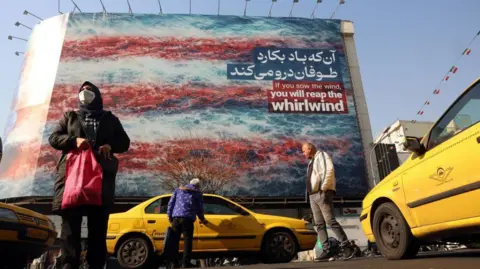
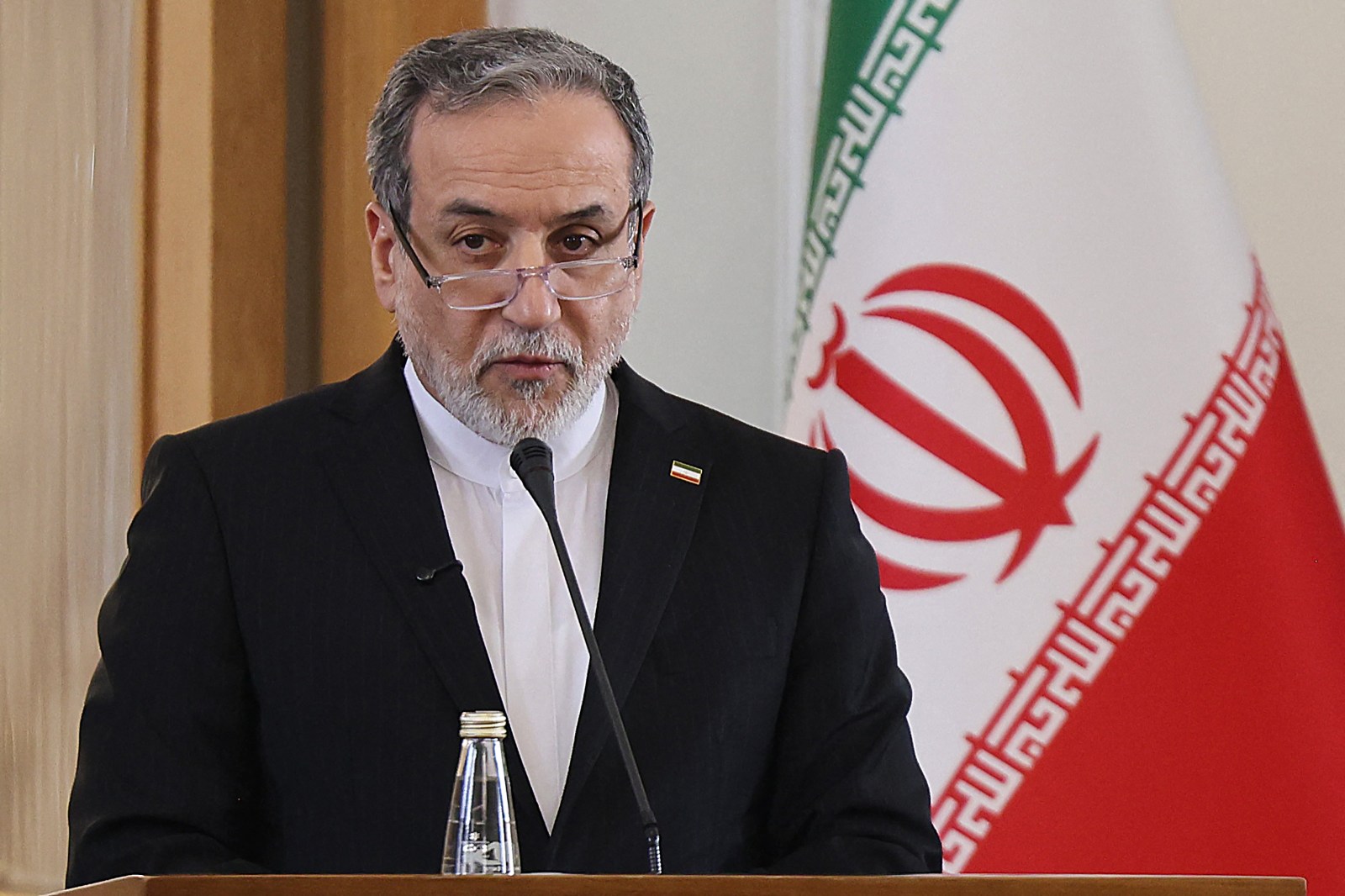
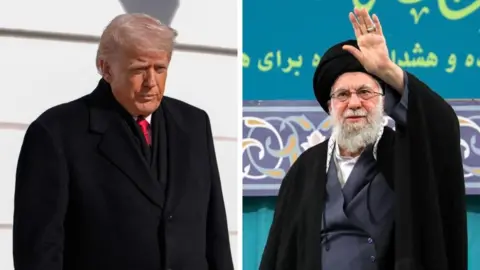
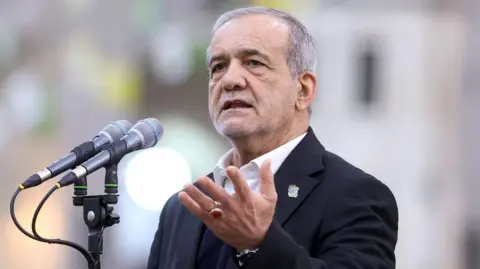
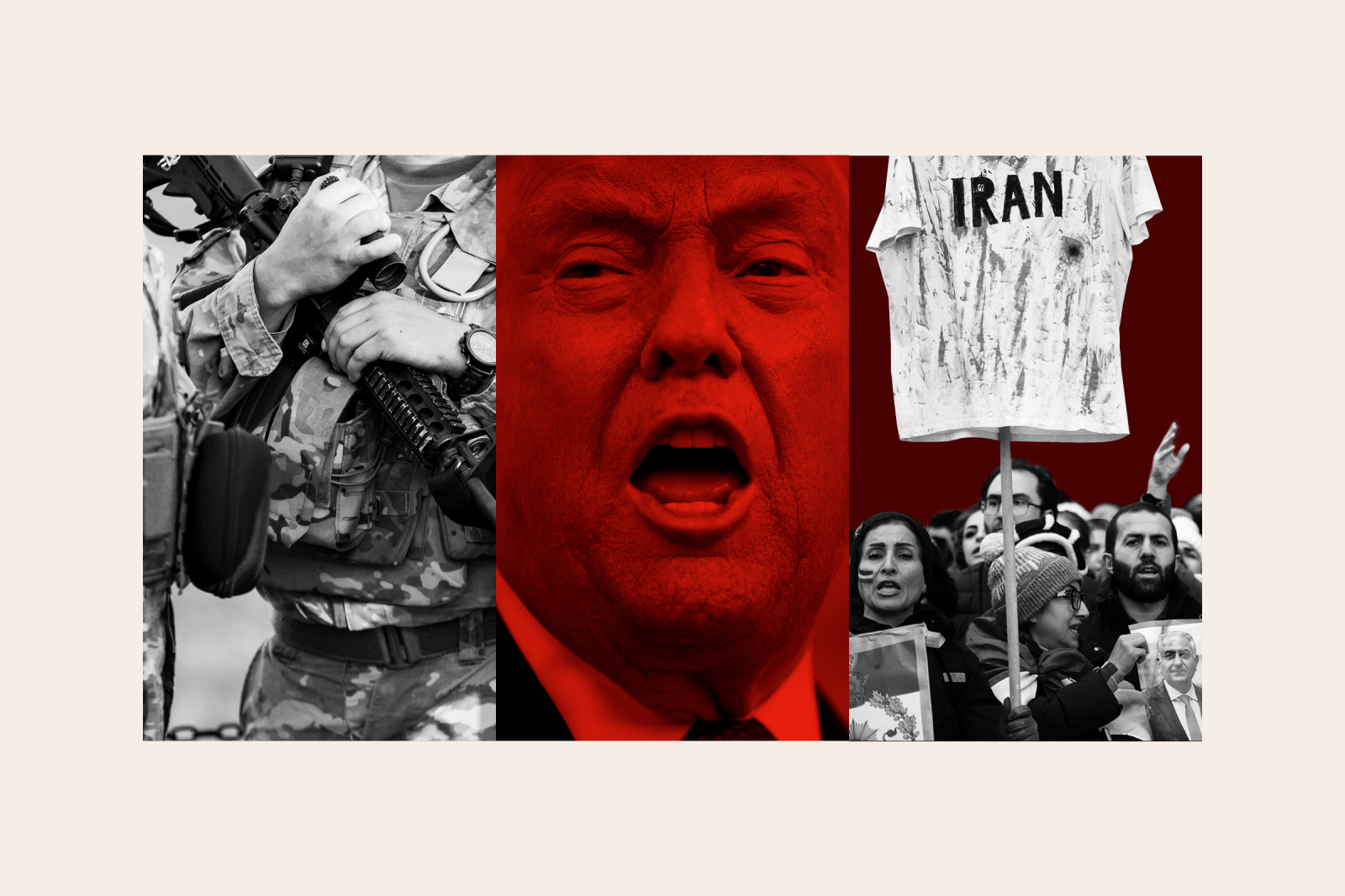
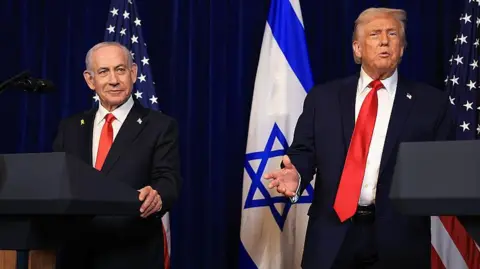
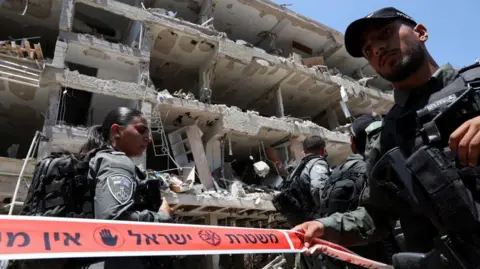

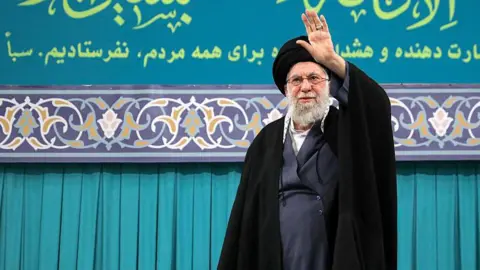
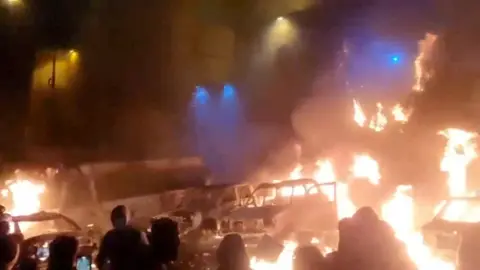
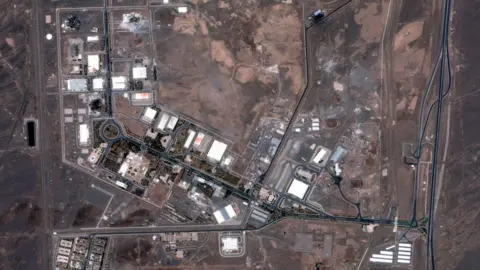
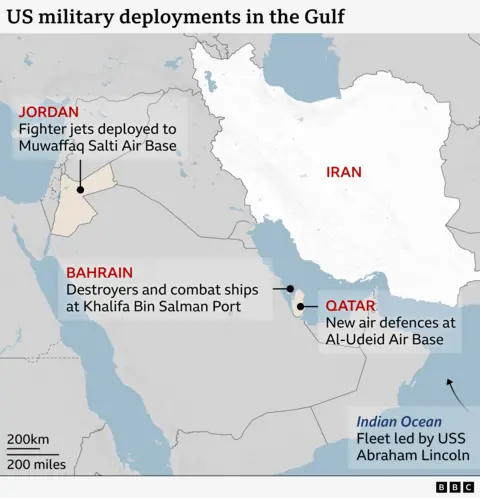
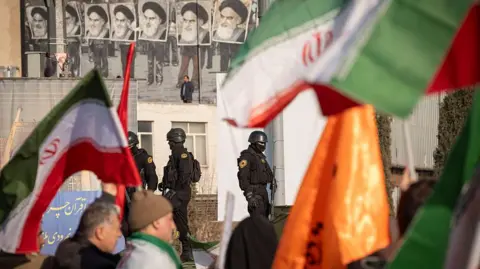
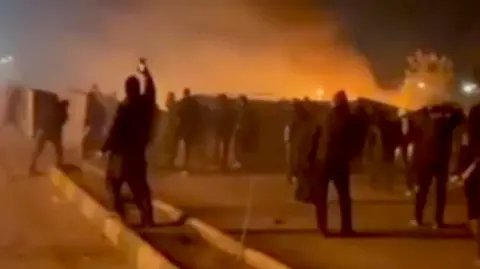
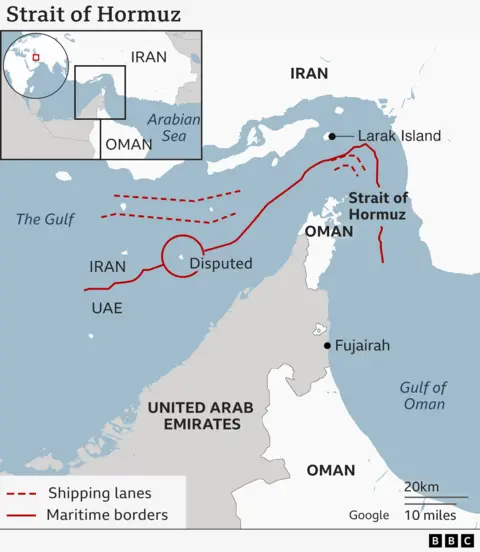
Iran Announces Conditional Readiness for U.S. Talks President Masoud Pezeshkian declared on February 2‑3 that Tehran will negotiate with Washington only if a “threat‑free environment” is guaranteed, instructing Foreign Minister Abbas Araghchi to pursue talks under those terms[1][2]. Pezeshkian hinted at an Istanbul meeting on Friday, inviting U.S. envoy Steve Witkoff and ministers from Egypt, Oman, Pakistan, Qatar, Saudi Arabia and the UAE[1]. The announcement marks a reversal from years of Tehran’s refusal to engage under pressure[2].
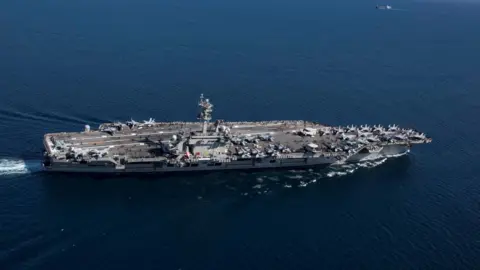
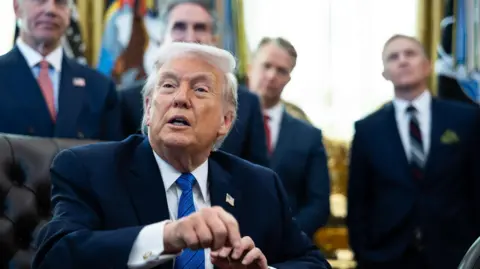
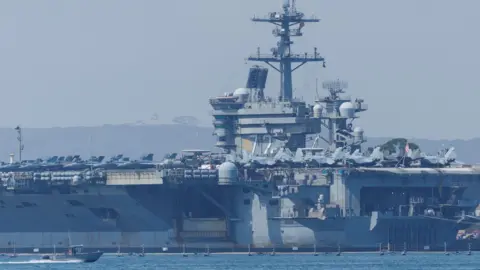
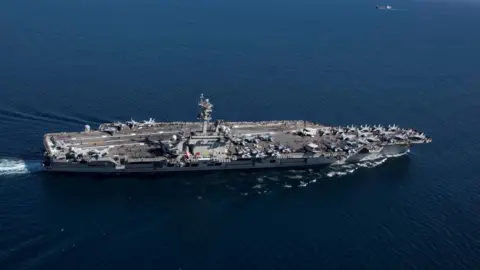
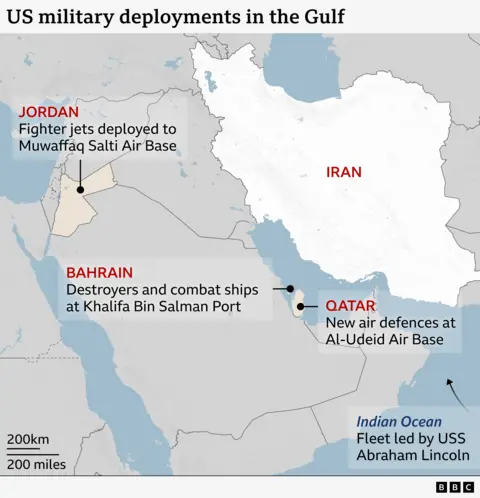
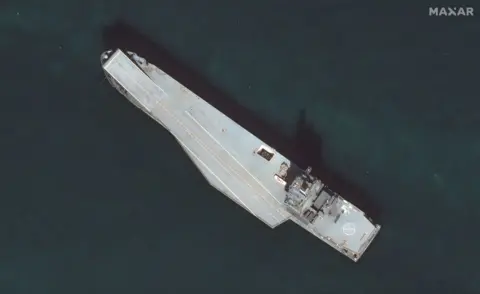
U.S. Deploys Carrier Group and Issues Ultimatum President Donald Trump warned Iran that a “massive Armada” led by the nuclear‑powered carrier USS Abraham Lincoln and Tomahawk‑armed destroyers is sailing toward the Gulf, demanding an end to uranium enrichment and protest killings[1][9]. The carrier strike group entered the Central Command area on January 30 and has been joined by additional fighter jets, drones and support vessels[11][18]. Trump framed the naval buildup as leverage to force a “fair and equitable” nuclear deal, while also stating he hopes a deal can avert conflict[4].
Iran Offers Limited Nuclear Concessions, Missile Program Remains Blocker Tehran signaled willingness to hand over 400 kg of highly enriched uranium and accept zero‑enrichment under a multinational consortium, but insisted the ballistic‑missile programme would not be discussed[1]. Foreign Minister Araghchi reiterated that any talks must be “fair, logical and just” and explicitly excluded negotiations on missile or defensive capabilities[7][8]. This stance reflects Iran’s view that its missile arsenal is a core security issue, even as U.S. threats intensify.
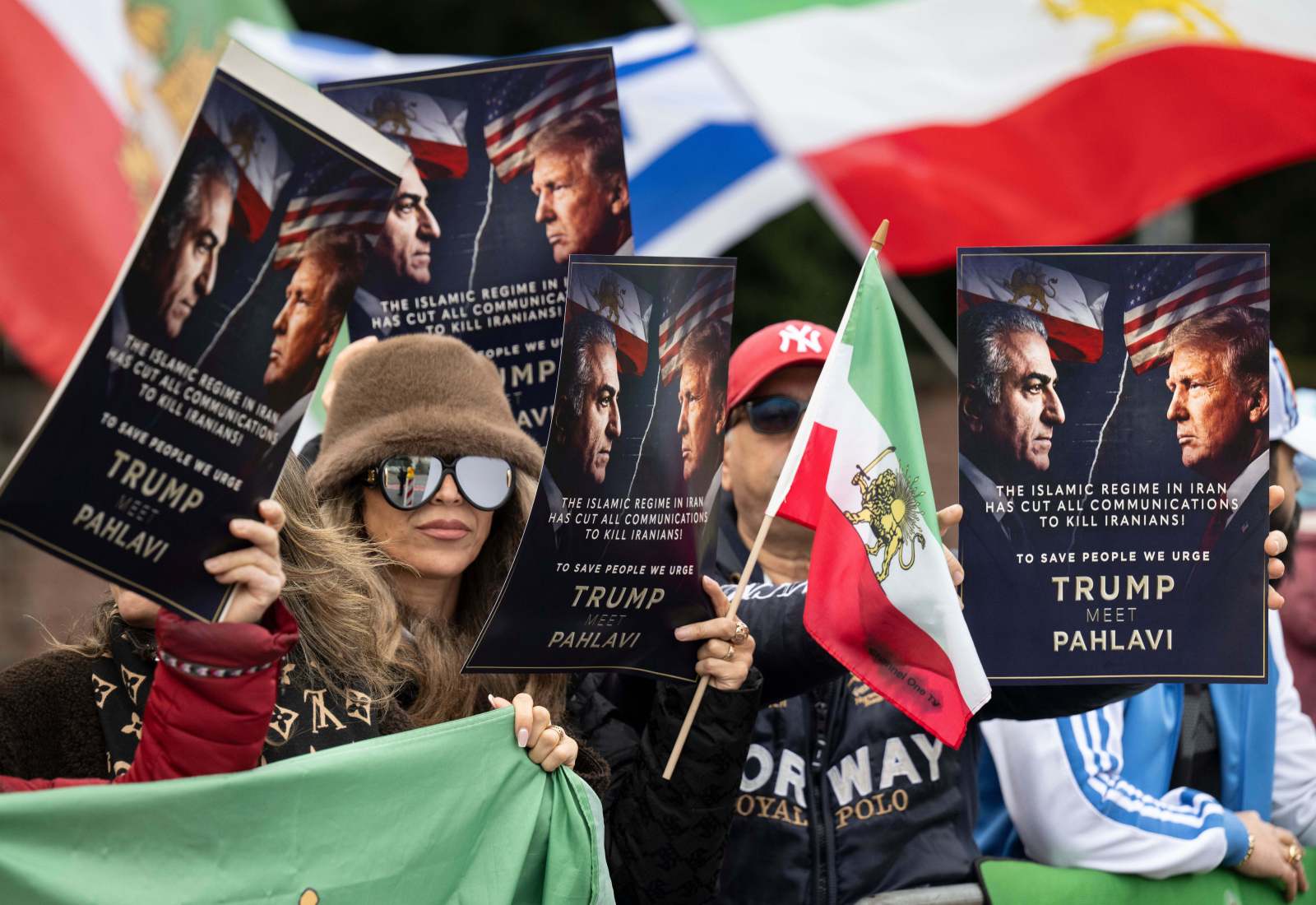
Human‑Rights Toll Fuels Diplomatic Pressure The crackdown on anti‑government protests since late December has left at least 6,300‑6,848 dead according to HRANA and other monitors, with tens of thousands detained[3][9]. The European Union added the Islamic Revolutionary Guard Corps to its terrorist list, prompting Tehran to summon EU ambassadors[3][13]. Turkey’s President Erdogan and Russia’s President Putin offered to mediate de‑escalation, while regional ministers are being invited to the prospective Istanbul talks[7].
Contrasting Claims on Negotiation Initiation Iranian officials assert that Pezeshkian’s order obliges Tehran to seek talks, yet the foreign ministry later denied any formal request from Iran, stating “no request exists on our side”[1][19]. This discrepancy highlights divergent narratives: some outlets report a proactive Iranian overture, while others emphasize Tehran’s insistence on equal‑footed, threat‑free diplomacy.
Sources
-
1.
BBC: Iran Signals Readiness for US Negotiations Amid Heightened Regional Tensions: Reports Pezeshkian’s conditional talk offer, potential Istanbul meeting, and U.S. naval threats.
-
2.
Newsweek: Trump’s Nuclear Pressure Prompts Iran to Seek Talks: Details Iran’s reversal, June 2025 strikes, and U.S. political reactions.
-
3.
AP: Turkey Pushes for US‑Iran Talks Amid Rising Tensions: Describes Turkish mediation effort, carrier deployment, and EU IRGC terrorist designation.
-
4.
The Hindu: Iranian President Orders Nuclear Talks Amid U.S. Military Threats: Notes Pezeshkian’s announcement, Trump’s optimism, and carrier movement.
-
5.
BBC: Israel’s Quiet Push for U.S.-Led Regime Change in Iran: Highlights Netanyahu’s lobbying, Israeli intelligence meetings, and regime‑change considerations.
-
6.
CNN: Trump’s Iran Options Remain Limited Amid Naval Buildup and Regime Weakness: Analyzes limited strike options, carrier group reduction, and Iranian military weakness.
-
7.
CNN: Iran Signals Openness to US Nuclear Talks While Rejecting Dictation and Missile Negotiations: Covers Araghchi’s conditions, missile exclusion, and Turkish/Russian diplomatic offers.
-
8.
BBC: Trump Claims Iran Wants Nuclear Deal as U.S. Buildup Continues: Reports Trump’s claim Iran prefers a deal, Araghchi’s stance, and protest death figures.
-
9.
BBC: Trump Urges Iran to Abandon Nuclear Program and Halt Protest Killings Amid US Fleet Buildup: Details Trump’s two‑condition ultimatum and EU sanctions on IRGC.
-
10.
Newsweek: Iranians Brace for Possible U.S. Attack Amid Rising Tensions: Describes protest death toll, naval buildup, and Iranian public sentiment.
-
11.
BBC: Iran’s Heightened Risk of Escalation as US Carrier Group Arrives: Notes carrier deployment, protest crackdown severity, and Tehran’s war‑declaration stance.
-
12.
CNN: Iran’s Options to Respond if Trump Orders a Strike: Outlines Iran’s missile/drones, proxy militia pledges, and Hormuz threat.
-
13.
CNN: Trump’s Options After Iran’s Deadly Crackdown: Summarizes crackdown, “Massive Armada,” nuclear demand, and EU IRGC terrorist label.
-
14.
CNN: Trump Considers Major New Strike on Iran Amid Stalled Nuclear Talks: Reports Trump’s strike deliberations, Iranian adviser’s retaliation warning, and carrier movement.
-
15.
Newsweek: Iran Threatens Unprecedented Retaliation After Trump Revives Strike Threat: Details Iranian retaliation warning, carrier armada, and U.S. troop risk assessment.
-
16.
BBC: Potential Outcomes if the U.S. Strikes Iran: Explores limited strike scenarios, regime‑change possibilities, and Hormuz disruption risks.
-
17.
BBC: Trump Warns Iran “Time Is Running Out” as US Forces Surge in Gulf: Highlights Trump’s ultimatum, carrier group surge, and protest death counts.
-
18.
CNN: US Air Drills Intensify as Trump Threatens Iran Over Protest Crackdown: Covers multi‑day air drills, carrier arrival, and Iranian “finger on the trigger” warning.
-
19.
Newsweek: Iran Says It Has Not Requested Negotiations After Trump Claims Deal Is Possible: Reports Araghchi’s denial of any negotiation request despite Trump’s claim.
Timeline
Dec 22, 2025 – Iran declares its ballistic‑missile programme “defensive and non‑negotiable,” saying the missiles are solely for deterrence and “will never be a subject of talks” [29].
Dec 27, 2025 – President Masoud Pezeshkian tells the Supreme Leader’s website that Iran is at “full‑scale war” with the United States, Israel and Europe, calling the conflict “more complicated and more difficult” than the 1980‑88 Iran‑Iraq war [26].
Dec 30, 2025 – Tehran vows a “harsh and discouraging response” to any attack, while President Trump reiterates the prospect of renewed military action during a meeting with Benjamin Netanyahu [25].
Jan 2, 2026 – Trump posts on Truth Social that the U.S. is “locked and loaded and ready to go” to rescue Iranian protesters, prompting Iran’s foreign ministry to warn Washington it will bear full responsibility for any consequences [23].
Jan 3, 2026 – A group of Republican conservatives publicly rebuke Trump’s “locked and loaded” threat, and Iran’s foreign ministry warns the United States will be held accountable for any intervention [24].
Jan 13, 2026 – Trump signals “very strong options” against Iran; parliamentary speaker Mohammad Bagher Qalibaf says all U.S. bases and ships in the region would be legitimate targets, and President Pezeshkian promises a “harsh and discouraging response” to any attack [18].
Jan 13, 2026 – Trump announces a 25 % tariff on any country that does business with Iran, describing the order as “final and conclusive” and effective immediately [19].
Jan 13, 2026 – The president weighs a range of military responses to the anti‑government protests that began on Dec 28 (death toll ≈ 544), while allies press for sanctions, cyber actions and diplomatic isolation [20].
Jan 13, 2026 – Defense officials brief Trump on covert, cyber and long‑range missile strike options; the same day Iran’s foreign minister says Tehran is “open to talks” but remains “prepared for war” [21].
Jan 13, 2026 – Trump again weighs military action, imposes the 25 % tariff, and tasks special envoy Steve Witkoff with engaging Tehran; senior officials assemble a “suite of options” for the president [22].
Jan 14, 2026 – Yemen’s Ansar Allah (Houthi) movement warns Trump that any U.S. or Israeli aggression against Iran will bring “dire consequences” for the aggressors [16].
Jan 15, 2026 – Trump threatens “very strong” strikes on Iran amid the crackdown; retired Israeli Lt. Gen. Amir Avivi says Israel would support a U.S. operation, and Prime Minister Netanyahu sees a “golden opportunity” to weaken Tehran [15].
Jan 16, 2026 – Egypt, Oman, Saudi Arabia and Qatar privately urge Trump to delay any strike, warning of regional destabilisation and a drop in oil prices; the U.N. ambassador says military action remains on the table [14].
Jan 16, 2026 – After a week of nationwide protests, Iran’s streets fall silent; Trump hints that protest killings may have stopped, while analysts note Tehran’s leverage is weakened after June 2025 nuclear‑site strikes and Israel’s 12‑day campaign [13].
Jan 20, 2026 – Iran’s armed forces spokesman Gen. Abolfazl Shekarchi warns that any aggression toward Supreme Leader Ayatollah Ali Khamenei will be met with “strong retaliation,” as Trump calls Khamenei “a sick man” and urges new Iranian leadership [12].
Jan 21, 2026 – The USS Abraham Lincoln carrier group, after transiting the Strait of Malacca, heads west toward the Middle East, placing a U.S. naval asset within striking range of Iran [12].
Jan 28, 2026 – U.S. Air Forces Central Command launches multi‑day drills to demonstrate rapid‑deployment capability; Trump renews his “massive Armada” warning and the Abraham Lincoln carrier strike group arrives in the region [11].
Jan 29, 2026 – Trump posts “time is running out” as a “massive Armada” moves toward Iran, while Iran’s foreign minister Abbas Araghchi says the armed forces have “fingers on the trigger” and stand ready to respond [10].
Jan 30, 2026 – President Pezeshkian announces Iran will negotiate with the United States only in a “threat‑free, fair and just” environment, instructing Foreign Minister Abbas Araghchi to pursue talks; media report a possible meeting in Istanbul on Friday with U.S. envoy Steve Witkoff and regional foreign ministers [1].
Jan 30, 2026 – Foreign Minister Araghchi says Iran is ready for “meaningful, logical and fair” nuclear talks but will not discuss its missile programme, while Trump claims Tehran “prefers a deal over war” and warns the window for a nuclear agreement is closing [8][4].
Jan 30, 2026 – The USS Abraham Lincoln carrier strike group moves into the U.S. Central Command area near Iran, intensifying the risk of rapid escalation as Iran endures its “most severe protest crackdown since 1979” [5].
Jan 30, 2026 – Trump urges Iran to halt its nuclear programme and stop killing protesters “by the thousands,” threatening a “massive Armada” of ships already sailing toward Iran [3].
Jan 31, 2026 – Israeli Defence Intelligence officer Danny Citrinowicz reports Prime Minister Netanyahu’s private lobbying of the U.S. for a maximalist strike on Iran, while Israeli military intelligence chief Shlomi Binder meets U.S. officials to discuss possible targets [2].
Jan 31, 2026 – Analysts note Trump’s “Iran options” have narrowed to precise strikes or broader bombardment after the U.S. naval buildup shifts from two carrier groups to a single one, and Iran’s armed forces remain weakened after Israel’s 12‑day campaign [7].
Feb 2, 2026 – President Pezeshkian orders the start of nuclear negotiations with the United States, saying a negotiation framework will be ready in the coming days, while Trump expresses optimism that a deal can avert conflict [27].
Feb 3, 2026 – Iran signals readiness for U.S. talks, with Pezeshkian directing Foreign Minister Araghchi to seek negotiations only under a “threat‑free” environment; potential talks are slated for Istanbul, and the U.S. carrier group remains on station [1].
Feb 3, 2026 – Trump’s “nuclear pressure” campaign appears to have forced Tehran to reverse its long‑standing refusal, as Iran orders its foreign minister to open U.S. negotiations; analysts warn the shift reflects fear of further U.S. action rather than genuine trust [6].
Dive deeper (13 sub-stories)
-
Iran Offers Conditional Nuclear Talks as Trump Deploys Carrier Group to Gulf
(18 articles)
-
Netanyahu Intensifies Private Lobbying for U.S.-Led Regime Change in Iran
(6 articles)
-
BBC: Trump urges Iran to abandon nuclear program and halt protest killings amid US fleet buildup
-
U.S. Carrier Group Deploys as Trump Threatens Strike Amid Iran’s Deadly Protests
(6 articles)
-
Trump Deploys Massive Armada as Iran’s Crackdown Leaves Thousands Dead
(23 articles)
-
CNN: Trump weighs strike on Iran as protests flare and oil markets brace
-
Newsweek: California Pistachios Helped Shape Iran’s Economic Struggle Amid Protests and Tariff Threats
-
Trump Announces Immediate 25% Tariff on Iran‑Linked Trade, Raising US Prices and Tensions
(8 articles)
-
Newsweek: Iran pulls out of BRICS naval drill with China and Russia at last minute
-
Newsweek: Germany's Merz says Iran regime near end amid protests
-
Newsweek: Iran vows to crush enemies after president declares war on US
-
Iran Declares Full‑Scale War with United States, Israel, Europe Ahead of Netanyahu‑Trump Meeting
(3 articles)
-
The Hindu: Iran says missile programme is defensive and non-negotiable
All related articles (71 articles)
-
BBC: Iran Signals Readiness for US Negotiations Amid Heightened Regional Tensions
-
Newsweek: Trump’s Nuclear Pressure Prompts Iran to Seek Talks
-
AP: Turkey Pushes for US‑Iran Talks Amid Rising Tensions
-
The Hindu: Iranian President Orders Nuclear Talks Amid U.S. Military Threats
-
BBC: Israel’s Quiet Push for U.S.‑Led Regime Change in Iran
-
CNN: Trump’s Iran Options Remain Limited Amid Naval Buildup and Regime Weakness
-
CNN: Iran Signals Openness to US Nuclear Talks While Rejecting Dictation and Missile Negotiations
-
BBC: Trump Claims Iran Wants Nuclear Deal as U.S. Buildup Continues
-
BBC: Trump urges Iran to abandon nuclear program and halt protest killings amid US fleet buildup
-
Newsweek: Iranians Brace for Possible U.S. Attack Amid Rising Tensions
-
BBC: Iran’s heightened risk of escalation as US carrier group arrives
-
CNN: Iran’s Options to Respond if Trump Orders a Strike
-
CNN: Trump’s Options After Iran’s Deadly Crackdown
-
CNN: Trump Considers Major New Strike on Iran Amid Stalled Nuclear Talks
-
Newsweek: Iran Threatens Unprecedented Retaliation After Trump Revives Strike Threat
-
BBC: Potential Outcomes if the U.S. Strikes Iran
-
BBC: Trump warns Iran “time is running out” as US forces surge in Gulf
-
CNN: US Air Drills Intensify as Trump Threatens Iran Over Protest Crackdown
-
Newsweek: Iran Says It Has Not Requested Negotiations After Trump Claims Deal Is Possible
-
AP: Iran warns Trump against aggression toward Khamenei as protests intensify
-
Newsweek: Iran warns Trump with threat to set fire to their world
-
Newsweek: Iran warns US of full-scale war after Trump calls for regime change
-
Newsweek: Trump calls for new leadership in Iran after Khamenei criticism
-
CNN: Iran protests fall silent as crackdown persists and diplomacy looms
-
AP: Mideast allies urge Trump to delay Iran strikes amid protests and sanctions
-
Newsweek: US weapons stockpile examined amid potential war with Iran
-
CNN: Trump weighs strike on Iran as protests flare and oil markets brace
-
Newsweek: Iran could retaliate more aggressively if U.S. intervenes, experts warn
-
Newsweek: Trump threatens Iran strikes, Netanyahu sees golden opportunity
-
CNN: Analysts map potential US targets and risks in possible Iran strike
-
CNN: Trump weighs Iran strike as administration weighs retaliation risks
-
Newsweek: California Pistachios Helped Shape Iran’s Economic Struggle Amid Protests and Tariff Threats
-
Newsweek: Yemen’s Ansar Allah warns Trump of dire consequences if U.S. strikes Iran
-
CNN: Trump weighs strikes on Iran as protests intensify and regime weakens
-
AP: Trump's tariffs on Iran could raise prices in the US
-
AP: Trump weighs options as Iran protests intensify with disputed death toll
-
CNN: Trump signals renewed Iran intervention as polls show tepid support
-
CNN: Israel stays quiet as Iran protests expand and Trump decision looms
-
Newsweek: Iran's military assessed against US as Tehran vows retaliation amid Trump threats
-
Newsweek: Iran pulls out of BRICS naval drill with China and Russia at last minute
-
BBC: Trump threatens 25% tariffs on countries trading with Iran amid protests and sanctions
-
Newsweek: Trump weighs military options amid Iran crackdown
-
BBC: Trump briefed on covert and military options for Iran as tariffs and protests rise
-
Newsweek: Germany's Merz says Iran regime near end amid protests
-
CNN: Trump imposes 25% tariffs on countries doing business with Iran, potentially hitting China
-
BBC: Trump weighs Iran options as crackdown escalates
-
AP: Trump says Iran wants to talk as protest death toll rises
-
AP: Trump weighs military action on Iran as protests intensify
-
Newsweek: Trump imposes 25% tariff on countries trading with Iran amid protests
-
CNN: Iran says prepared for war but open to talks as protests kill over 500
-
Newsweek: U.S. warns Americans in Iran to evacuate as protests widen and communications fail
-
Yonhap: Trump imposes 25% tariff on any country doing business with Iran, effective immediately
-
BBC: Trump mulls 'very strong' military options as Iran protests enter third week
-
CNN: Trump weighs potential military intervention in Iran
-
AP: Iranian protests intensify; Israel watching closely
-
Newsweek: Iran accuses Trump and Netanyahu of inciting violence as protests grow
-
Newsweek: Iran warns U.S. that Trump-era comments amount to interference as protests spread nationwide
-
Newsweek: Iran’s chief justice vows 'no leniency' as nationwide protests and international warnings escalate
-
Newsweek: Iran fears new US attack as protests grip nation
-
AP: Trump and top Iranian officials exchange threats as Iran protests widen
-
Newsweek: Conservatives Break With Trump Over Iran Threat
-
CNN: Trump warns Iran protesters as troop levels stay unchanged
-
Newsweek: Iran developing chemical and biological warheads for long-range missiles, report says
-
Newsweek: Iran warns of harsh response to any attack after Trump threat
-
AP: Iranian president pledges harsh response to aggression in apparent rebuke to Trump warning
-
Newsweek: Iran vows to crush enemies after president declares war on US
-
Newsweek: Iran says it is in a full-scale war with the US, ready for decisive response
-
The Hindu: Iran's president says country is in full-scale war with West
-
AP: Iran's president says the country is in a full-scale war with the U.S., Israel and Europe ahead of Netanyahu-Trump talks
-
The Hindu: Iran says missile programme is defensive and non-negotiable
-
Newsweek: Trump Threatens to Strike Iran if It Re‑starts Nuclear Program Without Deal
External resources (23 links)
- https://www.eia.gov/international/content/analysis/special_topics/SHIP_Act/SHIP-Act_2025.pdf (cited 1 times)
- https://www.govinfo.gov/app/details/BILLS-119hr6500ih?utm_source=chatgpt.com (cited 1 times)
- https://www.state.gov/releases/office-of-the-spokesperson/2025/09/completion-of-un-sanctions-snapback-on-iran/ (cited 1 times)
- https://www.ipsos.com/sites/default/files/ct/news/documents/2025-06/Reuters%20Ipsos%20U.S.%20Iran%20Survey%20Topline%2006%2023%202025.pdf (cited 2 times)
- https://edition.cnn.com/2026/02/01/middleeast/iran-diplomat-araghchi-interview-intl (cited 1 times)
- https://www.reuters.com/world/americas/only-33-americans-approve-us-strike-venezuela-reutersipsos-poll-finds-2026-01-05/ (cited 1 times)
- https://www.washingtonpost.com/tablet/2026/01/05/jan-3-4-2026-washington-post-poll-venezuela-military-action/ (cited 1 times)
- https://www.wsj.com/world/middle-east/trump-iran-plans-military-strikes-diplomacy-e74b1d8b?gaa_at=eafs&gaa_n=AWEtsqdJfEYDIe3lwSiUHlXn3dyoNSJ4qTQnZl3xJNgESstSNdxRaD5DhJfGkWIb4zk%3D&gaa_ts=6965b0ee&gaa_sig=wLcgNuJ3sWWgOdrRo-koH9FVycVNOMNVTy9IQNcas6epsGp5pqEDCmKFEp646osxcOfLgu-_jLKkCXTNQEnJAQ%3D%3D (cited 1 times)
- https://x.com/netblocks/status/2010750871274160361?s=46 (cited 6 times)
- https://x.com/newtgingrich/status/2010677659546648616 (cited 3 times)
- https://x.com/YvetteCooperMP/status/2010767038344581389?s=20 (cited 2 times)
- https://x.com/drpezeshkian (cited 2 times)
- https://x.com/metpoliceuk/status/2010039383177461933 (cited 2 times)
- https://x.com/LindseyGrahamSC/status/2007128883359826022?s=20 (cited 1 times)
- https://x.com/MonitorX99800/status/2007867930957226216?s=20 (cited 1 times)
- https://x.com/RepMTG/status/2007129865078927659?s=20 (cited 1 times)
- https://x.com/alishamkhani_ir/status/2016582565390655585?s=20 (cited 1 times)
- https://x.com/drpezeshkian/status/2018551558959710505?s=20 (cited 1 times)
- https://x.com/khamenei_ir/status/2007450336743588191 (cited 1 times)
- https://x.com/khamenei_ir/status/2012563061828399158 (cited 1 times)
- https://globalaffairs.org/research/public-opinion-survey/slight-boost-american-support-active-us-role-world (cited 1 times)
- https://www.bing.com/ck/a?!&&p=302e892761936c6d391ff9b80cbb4cf3e55326a7a8dbaf2ac23ca6e3831d2c8aJmltdHM9MTc2ODM0ODgwMA&ptn=3&ver=2&hsh=4&fclid=24c05a7b-dba0-6e8d-1f70-4e79da6b6f70&psq=Al+Udeid+Air+Base+in+Qatar+Newsweek+June+23&u=a1aHR0cHM6Ly93d3cubmV3c3dlZWsuY29tL2lyYW4tdHJ1bXAtc3RyaWtlcy1hbC11ZGVpZC1haXItYmFzZS1xYXRhci0xMTM1NzA0NQ (cited 1 times)
- https://www.opec.org/assets/assetdb/asb-2025.pdf (cited 1 times)