Trump Warns Khamenei Ahead of Friday Muscat Talks as US Naval Buildup Intensifies
Updated (74 articles)
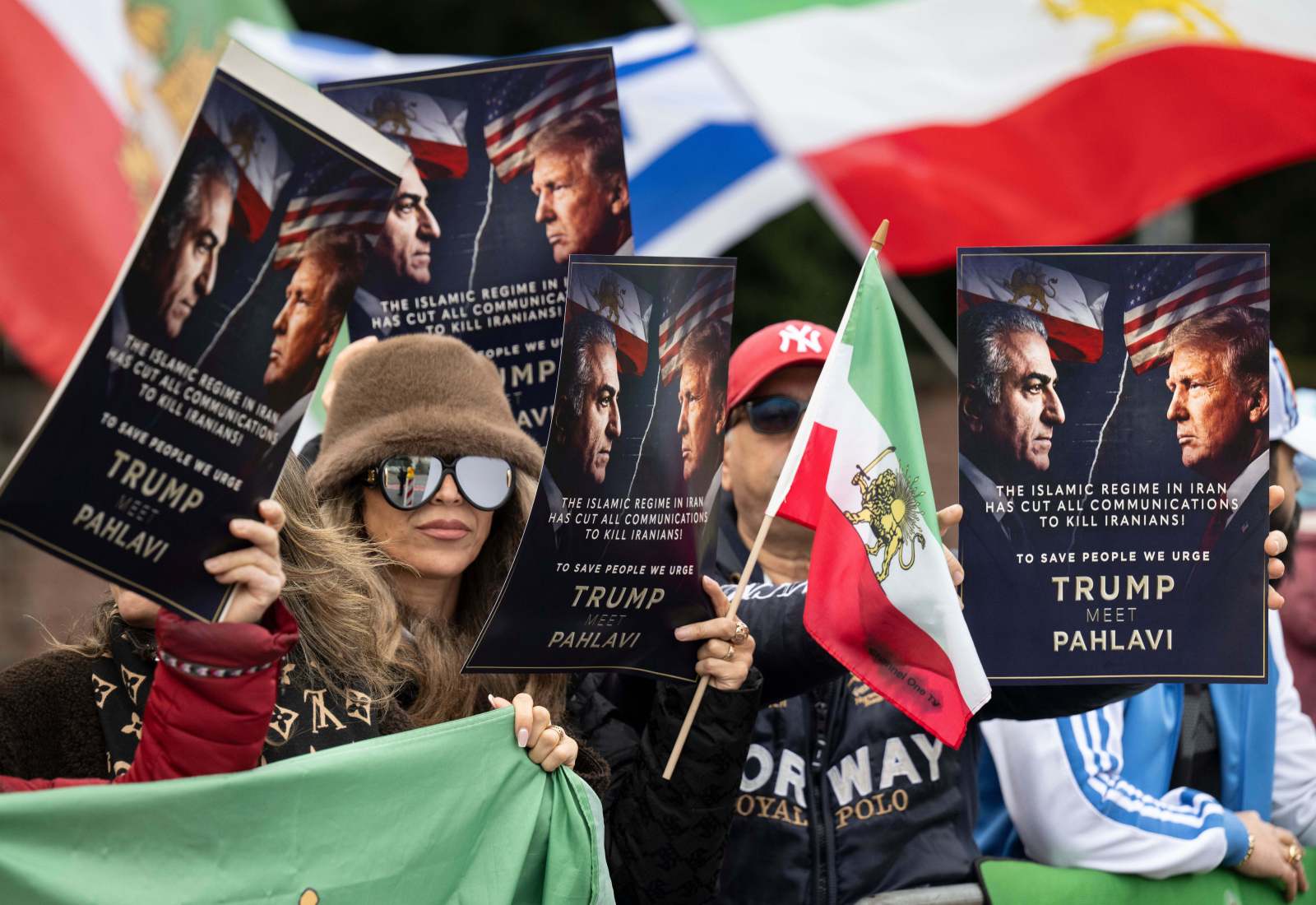
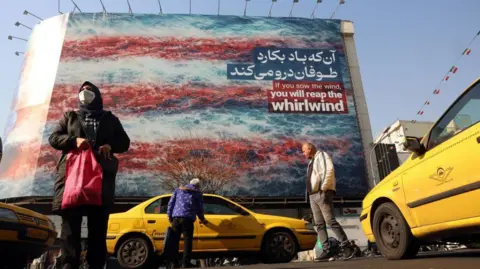
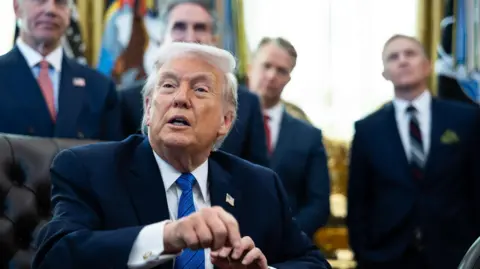
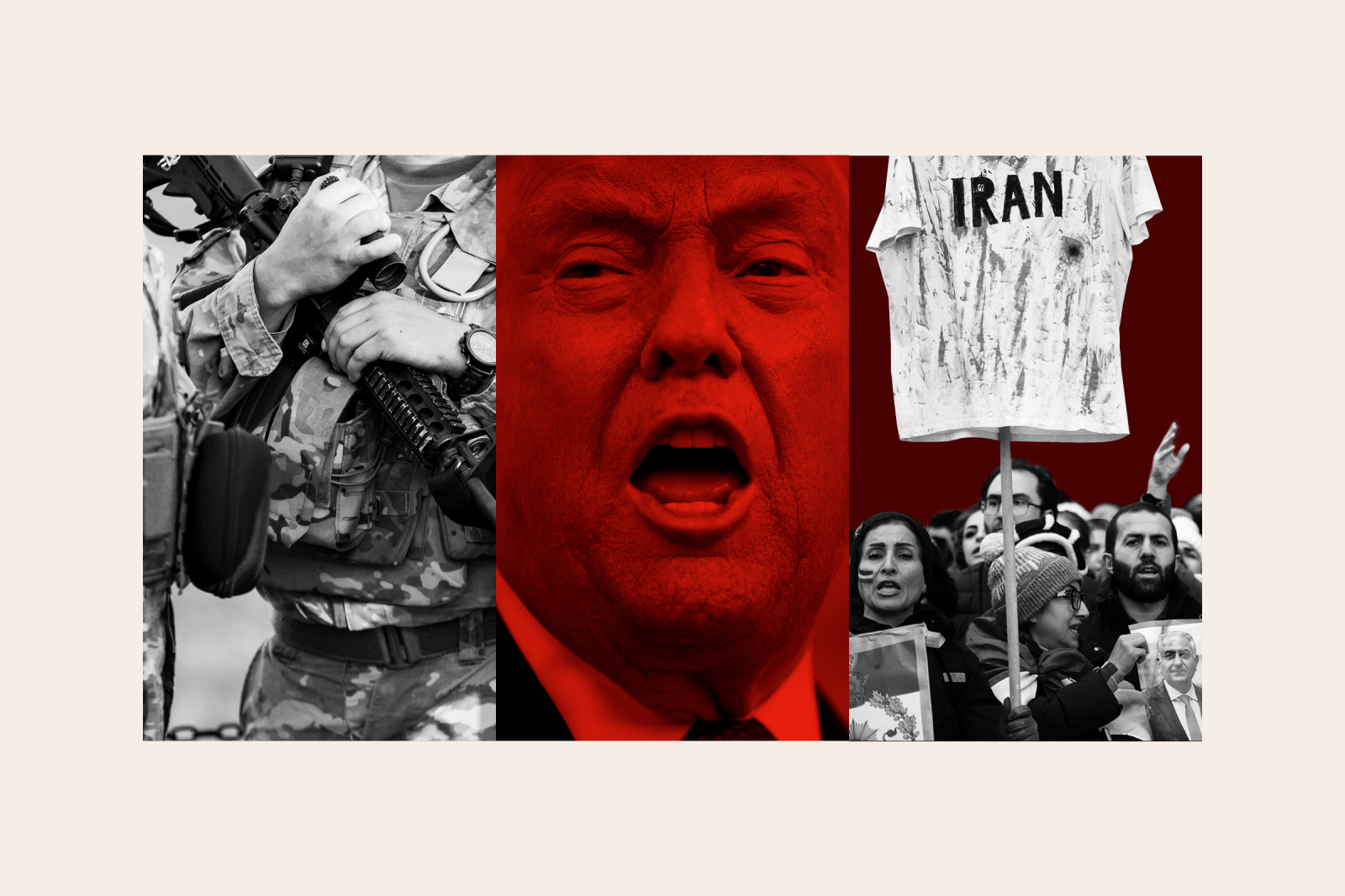
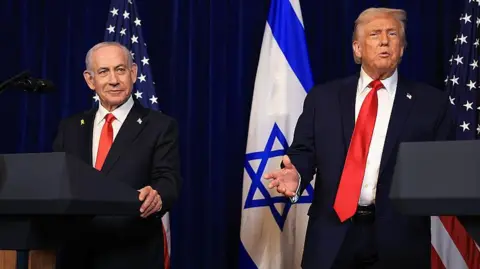
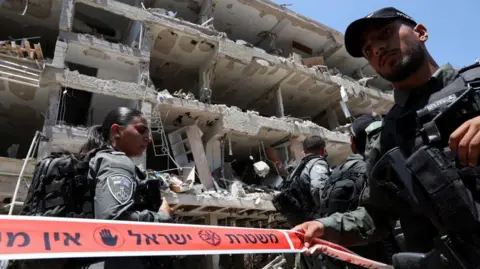
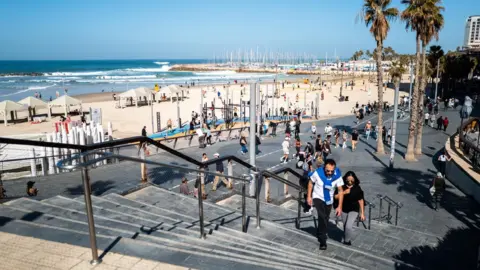
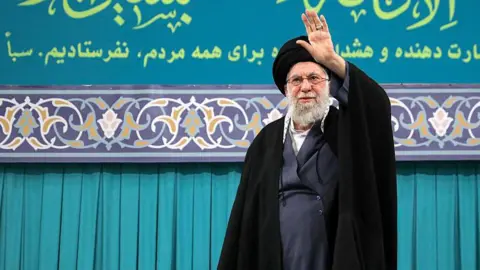
Trump’s Direct Warning to Iran’s Leader In an NBC interview aired on Feb 4, President Donald Trump told Ayatollah Ali Khamenei he should be “very worried” and warned of “very hard” retaliation if Tehran does not meet U.S. demands [1][2][3]. The comment came as Tehran continued to expand its nuclear activities, prompting the president to link the warning to the upcoming diplomatic engagement [1]. Trump’s message emphasized both nuclear cessation and an end to the mass killings of protesters [1][2].
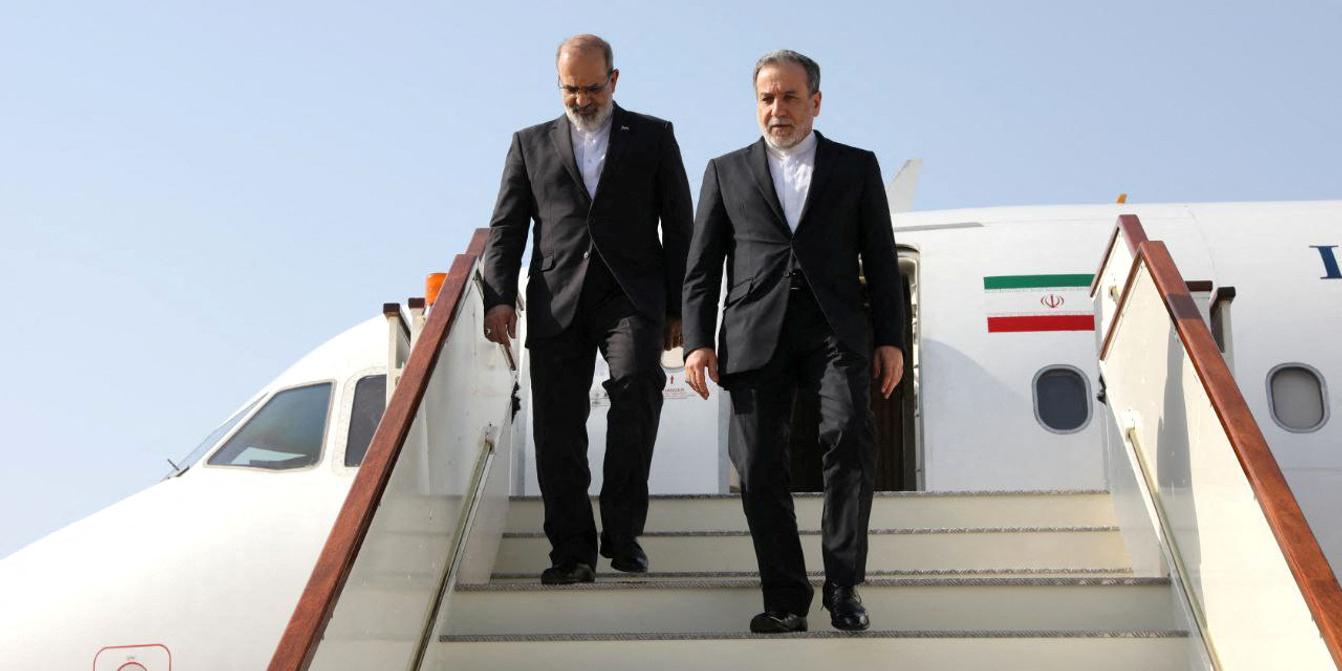
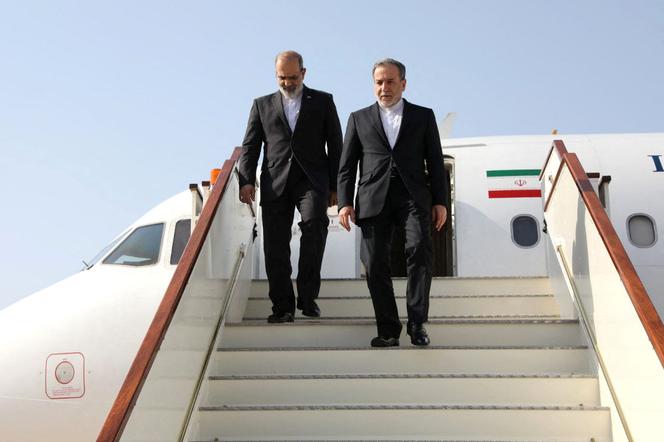
Friday Muscat Negotiations Set Between U.S. Envoy and Iranian Minister Iranian Foreign Minister Abbas Araghchi and U.S. special envoy Steve Witkoff are scheduled to meet Friday around 10 a.m. in Muscat, Oman, after the venue was shifted from Turkey following Arab pressure [1][2][3]. The United States will press for limits on Iran’s nuclear work, ballistic‑missile program, terrorist sponsorship and human‑rights abuses, while Tehran says the talks will focus solely on its nuclear program and sanction relief [1][2][3]. Both sides acknowledge the talks are the first formal contact since the June 2025 U.S. strikes on Iranian nuclear facilities [3].
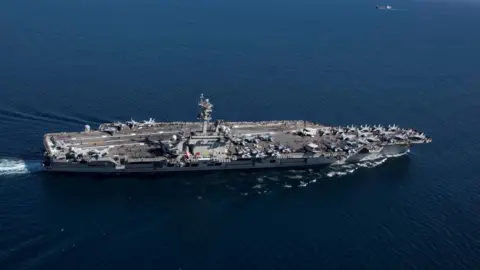
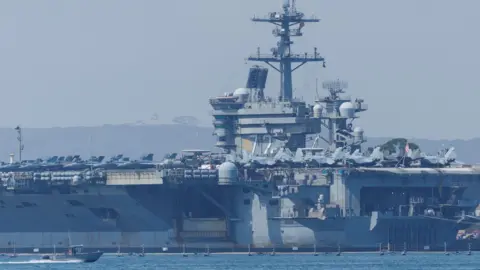
US Military Posture Escalates Around Iran The White House confirmed the deployment of the nuclear‑powered carrier USS Abraham Lincoln and several Tomahawk‑armed destroyers to the region, describing the force as a “substantial air‑and‑naval strike group” ready to act if Tehran rejects U.S. terms [1][2][9]. A U.S. aircraft carrier shot down an Iranian drone in the Arabian Sea, and IRGC gunboats later threatened a U.S.–flagged tanker in the Strait of Hormuz [1]. The naval buildup is presented as pressure to compel Tehran back to the negotiating table [2][9].
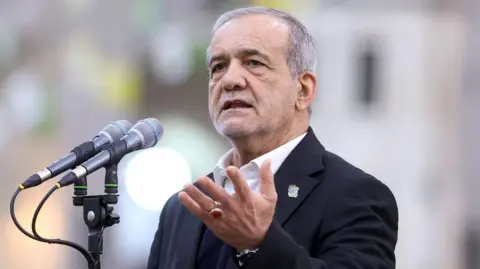
Iran Shows Missile Capability and Sets Red Lines State‑run Press TV reported the underground deployment of the Khorramshahr‑4 ballistic missile, capable of striking targets over 1,240 miles away with a 3,300‑pound warhead [1]. Iranian Foreign Minister Araghchi reiterated that missile and defensive‑system issues are off‑limits for discussion, warning that any U.S. aggression would trigger an immediate, decisive response [10][11]. Tehran’s stance underscores its insistence on “fair and just” talks without external dictation [10].
Human‑Rights Crisis Fuels Diplomatic Tension A nationwide crackdown on anti‑government protests since late December has resulted in thousands of deaths, with HRANA documenting over 6,400 fatalities and tens of thousands of arrests [1][12][5]. Trump demanded that Iran halt both its nuclear program and the killing of protesters as preconditions for avoiding a U.S. strike [1][12]. The humanitarian fallout is amplifying pressure on both capitals to find a diplomatic outlet before the situation escalates further [5][12].
Regional Actors Offer Mediation Amid Divergent Goals Turkey announced plans to convene U.S. envoy Steve Witkoff with senior Iranian officials by week’s end, while Russia’s President Vladimir Putin expressed readiness to monitor de‑escalation efforts [6][10]. The European Union added the IRGC to its terrorist list, prompting Tehran to summon EU ambassadors [6]. Multiple regional leaders, including Oman, Egypt, Qatar, Saudi Arabia and the UAE, are expected to attend the Muscat talks, reflecting a broad, albeit fragmented, diplomatic push to contain the crisis [4][6][10].
Sources
-
1.
CNN: Trump warns Iran’s supreme leader of “very worried” stance ahead of Muscat talks – Details Trump’s warning, U.S. naval actions, missile showcase, and Friday Muscat agenda .
-
2.
Le Monde: Trump warns Iran’s Supreme Leader as US‑Iran talks loom in Oman – Highlights NBC interview, venue shift to Oman, broader U.S. agenda, and protest‑crackdown context .
-
3.
AP (Feb 5): Iran‑U.S. Nuclear Talks Set for Friday in Oman Amid Heightened Tensions – Confirms Friday Muscat meeting, Trump’s warning, Tehran’s “different” format, and regional leader positions .
-
4.
BBC (Feb 3): Iran Signals Readiness for US Negotiations Amid Heightened Regional Tensions – Reports Iranian president’s conditional readiness, potential Istanbul venue, and missile‑program obstacle .
-
5.
Newsweek (Feb 3): Trump’s Nuclear Pressure Prompts Iran to Seek Talks – Describes Iran’s policy reversal, June 2025 strikes impact, and internal pressure on Tehran .
-
6.
AP (Feb 2): Turkey Pushes for US‑Iran Talks Amid Rising Tensions – Notes Turkish mediation effort, carrier deployment, and EU IRGC terrorist designation .
-
7.
The Hindu (Feb 2): Iranian President Orders Nuclear Talks Amid U.S. Military Threats – Covers Iranian president’s order, U.S. optimism, and carrier group movement .
-
8.
BBC (Jan 31): Israel’s Quiet Push for U.S.-Led Regime Change in Iran – Explores Israeli lobbying for maximalist strike, potential regime‑change options, and recent missile exchanges .
-
9.
CNN (Jan 31): Trump’s Iran Options Remain Limited Amid Naval Buildup and Regime Weakness – Analyzes limited U.S. strike options, carrier group reduction, and Iranian military weakness .
-
10.
CNN (Jan 30): Iran Signals Openness to US Nuclear Talks While Rejecting Dictation and Missile Negotiations – Reports Iran’s conditional openness, missile red line, and upcoming drills .
-
11.
BBC (Jan 30): Trump Claims Iran Wants Nuclear Deal as U.S. Buildup Continues – Features Trump’s claim Iran prefers a deal, Iranian missile exclusion, and human‑rights death toll .
-
12.
BBC (Jan 30): Trump urges Iran to abandon nuclear program and halt protest killings amid US fleet buildup – Summarizes Trump’s two‑condition demand, Iranian retaliation warning, and EU sanctions .
-
13.
Newsweek (Jan 30): Iranians Brace for Possible U.S. Attack Amid Rising Tensions – Highlights protest death estimates, naval buildup, public fear, and IRGC preparedness .
-
14.
BBC (Jan 30): Iran’s heightened risk of escalation as US carrier group arrives – Details carrier group arrival, protest crackdown severity, and Tehran’s war‑declaration stance .
Timeline
Dec 12, 2025 – President Donald Trump warns the United States will strike any new Iranian nuclear site if Tehran restarts its program without a deal, citing the June 2025 U.S.–Israeli strikes that destroyed key enrichment facilities. [25]
Dec 22, 2025 – Iran’s foreign‑ministry spokesman declares the ballistic‑missile programme defensive and non‑negotiable, insisting the missiles exist solely to deter aggression. [28]
Dec 28, 2025 – President Masoud Pezeshkian states Iran is in a full‑scale war with the United States, Europe and Israel, comparing the conflict to the 1980‑88 Iran‑Iraq war and noting a stronger military than during the June 2025 air campaign. [24]
Dec 30, 2025 – President Pezeshkian posts on X that any “cruel aggression” against Iran will meet a harsh and discouraging response, echoing Tehran’s rebuke of Trump’s nuclear warnings. [23]
Dec 31, 2025 – Reports reveal the IRGC is developing chemical and biological warheads for ballistic missiles, while Trump warns the United States could back Israeli strikes if Tehran rebuilds its long‑range missile capability. [22]
Jan 5, 2026 – Trump tells Iran it will be “hit very hard” if more protesters die, as protests spread to 222 locations and Israeli Prime Minister Netanyahu outlines a possible “Operation Iron Strike” against Iran. [21]
Jan 8, 2026 – Iran accuses the United States of a “campaign of interference” that mixes sanctions, information warfare and threats, after Trump threatens a hard‑line response to the protest crackdown. [20]
Jan 12, 2026 – Trump says the U.S. military is weighing “very strong options” in response to Iran’s third‑week protests, notes drone overflights of crowds and discusses restoring internet access with Elon Musk’s Starlink. [19]
Jan 13, 2026 – Trump imposes a 25 % tariff on any country doing business with Iran, calling the measure “final and conclusive” and linking it to the ongoing protest death toll. [18]
Jan 13, 2026 – U.S. officials brief Trump on a broad toolbox of covert, cyber and long‑range missile‑strike options against Iran, highlighting the range of possible actions. [15]
Jan 13, 2026 – German politician Friedrich Merz declares the Iranian regime “near its end” amid deadly protests and urges the EU to list the IRGC as a terrorist organization. [16]
Jan 13, 2026 – Trump states Iran wants to negotiate with Washington, while Oman’s foreign minister travels to Tehran to mediate the talks. [17]
Jan 14, 2026 – Trump tells his national‑security team he needs a confirmed death‑toll for Iranian protesters, noting five different figures, and signals the administration will act accordingly. [13]
Jan 14, 2026 – Trump urges Iran to abandon its nuclear programme and stop killing protesters, warning of a “massive Armada” of ships already sailing toward Iran. [3]
Jan 14, 2026 – Trump claims Iran prefers a nuclear deal over war, saying the outcome depends on Tehran’s choices, while Iran’s foreign minister repeats that missile‑defence systems are off the negotiating table. [4]
Jan 15, 2026 – The U.S. carrier strike group USS Abraham Lincoln moves into the Central Command area near Iran, heightening the risk of a broader confrontation. [5]
Jan 21, 2026 – Iran’s armed‑forces spokesman Gen. Abolfazl Shekarchi warns that any aggression toward Supreme Leader Khamenei will trigger strong retaliation, after Trump calls the ayatollah a “sick man.” [10]
Jan 29, 2026 – Analysts outline possible outcomes of a U.S. strike on Iran, ranging from limited precision attacks to regime‑change scenarios that could spark civil war and disrupt the Strait of Hormuz. [9]
Jan 30, 2026 – Trump says Iran wants a nuclear deal and warns its window to negotiate is closing as a U.S. naval buildup approaches Iranian waters; Iran’s foreign minister reiterates that missile‑defence systems are non‑negotiable. [4]
Jan 30, 2026 – Trump demands Iran halt its nuclear programme and stop killing protesters, threatening a “massive Armada” of ships; Iran’s foreign minister warns of rapid retaliation and keeps “fingers on the trigger.” [3]
Jan 31, 2026 – Israeli military‑intelligence chief Shlomi Binder meets U.S. intelligence officials in Washington to discuss possible strike targets inside Iran, reflecting private lobbying for a maximalist U.S. attack. [2]
Jan 31, 2026 – Turkey works to convene U.S. envoy Steve Witkoff and senior Iranian officials for talks by week’s end, while the EU designates the IRGC as a terrorist organization, prompting Tehran to summon EU ambassadors. [7]
Feb 2, 2026 – President Masoud Pezeshkian orders the start of nuclear negotiations with the United States, saying a negotiation framework will be ready in days as the U.S. moves a carrier group toward West Asia. [26]
Feb 3, 2026 – Pezeshkian announces Iran will negotiate with the U.S. only in a “threat‑free environment,” directing Foreign Minister Abbas Araghchi to pursue talks under those conditions. [1]
Feb 4, 2026 – Trump warns Ayatollah Ali Khamenei that the United States is “very worried” and that any new Iranian nuclear site will meet “very hard” retaliation, ahead of scheduled Muscat talks. [30]
Feb 5, 2026 – Trump tells NBC the Iranian Supreme Leader should be “very worried” as both sides prepare for their first formal Muscat talks, while Iran showcases the long‑range Khorramshahr‑4 missile. [6]
Feb 5, 2026 – In Muscat, Iranian Foreign Minister Abbas Araghchi and U.S. special envoy Steve Witkoff meet to discuss limits on nuclear work, ballistic missiles, terrorism sponsorship and human‑rights issues. [6]
Dive deeper (14 sub-stories)
-
Trump Warns Khamenei Ahead of Friday Muscat Talks as U.S. Buildup Intensifies
(11 articles)
-
Iran Opens Negotiations With U.S. After Trump’s Threats, Bunker‑Buster Fallout
(10 articles)
-
Netanyahu Intensifies Private Lobbying for U.S.-Led Regime Change in Iran
(6 articles)
-
BBC: Trump urges Iran to abandon nuclear program and halt protest killings amid US fleet buildup
-
U.S. Carrier Group Deploys as Trump Threatens Strike Amid Iran’s Deadly Protests
(6 articles)
-
Trump Deploys Massive Armada as Iran’s Crackdown Leaves Thousands Dead
(23 articles)
-
CNN: Trump weighs strike on Iran as protests flare and oil markets brace
-
Newsweek: California Pistachios Helped Shape Iran’s Economic Struggle Amid Protests and Tariff Threats
-
Trump Announces Immediate 25% Tariff on Iran‑Linked Trade, Raising US Prices and Tensions
(8 articles)
-
Newsweek: Iran pulls out of BRICS naval drill with China and Russia at last minute
-
Newsweek: Germany's Merz says Iran regime near end amid protests
-
Newsweek: Iran vows to crush enemies after president declares war on US
-
Iran Declares Full‑Scale War with United States, Israel, Europe Ahead of Netanyahu‑Trump Meeting
(3 articles)
-
The Hindu: Iran says missile programme is defensive and non-negotiable
All related articles (74 articles)
-
CNN: Trump warns Iran’s supreme leader of “very worried” stance ahead of Muscat talks
-
Le Monde: Trump warns Iran’s Supreme Leader as US‑Iran talks loom in Oman
-
AP: Iran‑U.S. Nuclear Talks Set for Friday in Oman Amid Heightened Tensions
-
BBC: Iran Signals Readiness for US Negotiations Amid Heightened Regional Tensions
-
Newsweek: Trump’s Nuclear Pressure Prompts Iran to Seek Talks
-
AP: Turkey Pushes for US‑Iran Talks Amid Rising Tensions
-
The Hindu: Iranian President Orders Nuclear Talks Amid U.S. Military Threats
-
BBC: Israel’s Quiet Push for U.S.‑Led Regime Change in Iran
-
CNN: Trump’s Iran Options Remain Limited Amid Naval Buildup and Regime Weakness
-
CNN: Iran Signals Openness to US Nuclear Talks While Rejecting Dictation and Missile Negotiations
-
BBC: Trump Claims Iran Wants Nuclear Deal as U.S. Buildup Continues
-
BBC: Trump urges Iran to abandon nuclear program and halt protest killings amid US fleet buildup
-
Newsweek: Iranians Brace for Possible U.S. Attack Amid Rising Tensions
-
BBC: Iran’s heightened risk of escalation as US carrier group arrives
-
CNN: Iran’s Options to Respond if Trump Orders a Strike
-
CNN: Trump’s Options After Iran’s Deadly Crackdown
-
CNN: Trump Considers Major New Strike on Iran Amid Stalled Nuclear Talks
-
Newsweek: Iran Threatens Unprecedented Retaliation After Trump Revives Strike Threat
-
BBC: Potential Outcomes if the U.S. Strikes Iran
-
BBC: Trump warns Iran “time is running out” as US forces surge in Gulf
-
CNN: US Air Drills Intensify as Trump Threatens Iran Over Protest Crackdown
-
Newsweek: Iran Says It Has Not Requested Negotiations After Trump Claims Deal Is Possible
-
AP: Iran warns Trump against aggression toward Khamenei as protests intensify
-
Newsweek: Iran warns Trump with threat to set fire to their world
-
Newsweek: Iran warns US of full-scale war after Trump calls for regime change
-
Newsweek: Trump calls for new leadership in Iran after Khamenei criticism
-
CNN: Iran protests fall silent as crackdown persists and diplomacy looms
-
AP: Mideast allies urge Trump to delay Iran strikes amid protests and sanctions
-
Newsweek: US weapons stockpile examined amid potential war with Iran
-
CNN: Trump weighs strike on Iran as protests flare and oil markets brace
-
Newsweek: Iran could retaliate more aggressively if U.S. intervenes, experts warn
-
Newsweek: Trump threatens Iran strikes, Netanyahu sees golden opportunity
-
CNN: Analysts map potential US targets and risks in possible Iran strike
-
CNN: Trump weighs Iran strike as administration weighs retaliation risks
-
Newsweek: California Pistachios Helped Shape Iran’s Economic Struggle Amid Protests and Tariff Threats
-
Newsweek: Yemen’s Ansar Allah warns Trump of dire consequences if U.S. strikes Iran
-
CNN: Trump weighs strikes on Iran as protests intensify and regime weakens
-
AP: Trump's tariffs on Iran could raise prices in the US
-
AP: Trump weighs options as Iran protests intensify with disputed death toll
-
CNN: Trump signals renewed Iran intervention as polls show tepid support
-
CNN: Israel stays quiet as Iran protests expand and Trump decision looms
-
Newsweek: Iran's military assessed against US as Tehran vows retaliation amid Trump threats
-
Newsweek: Iran pulls out of BRICS naval drill with China and Russia at last minute
-
BBC: Trump threatens 25% tariffs on countries trading with Iran amid protests and sanctions
-
Newsweek: Trump weighs military options amid Iran crackdown
-
BBC: Trump briefed on covert and military options for Iran as tariffs and protests rise
-
Newsweek: Germany's Merz says Iran regime near end amid protests
-
CNN: Trump imposes 25% tariffs on countries doing business with Iran, potentially hitting China
-
BBC: Trump weighs Iran options as crackdown escalates
-
AP: Trump says Iran wants to talk as protest death toll rises
-
AP: Trump weighs military action on Iran as protests intensify
-
Newsweek: Trump imposes 25% tariff on countries trading with Iran amid protests
-
CNN: Iran says prepared for war but open to talks as protests kill over 500
-
Newsweek: U.S. warns Americans in Iran to evacuate as protests widen and communications fail
-
Yonhap: Trump imposes 25% tariff on any country doing business with Iran, effective immediately
-
BBC: Trump mulls 'very strong' military options as Iran protests enter third week
-
CNN: Trump weighs potential military intervention in Iran
-
AP: Iranian protests intensify; Israel watching closely
-
Newsweek: Iran accuses Trump and Netanyahu of inciting violence as protests grow
-
Newsweek: Iran warns U.S. that Trump-era comments amount to interference as protests spread nationwide
-
Newsweek: Iran’s chief justice vows 'no leniency' as nationwide protests and international warnings escalate
-
Newsweek: Iran fears new US attack as protests grip nation
-
AP: Trump and top Iranian officials exchange threats as Iran protests widen
-
Newsweek: Conservatives Break With Trump Over Iran Threat
-
CNN: Trump warns Iran protesters as troop levels stay unchanged
-
Newsweek: Iran developing chemical and biological warheads for long-range missiles, report says
-
Newsweek: Iran warns of harsh response to any attack after Trump threat
-
AP: Iranian president pledges harsh response to aggression in apparent rebuke to Trump warning
-
Newsweek: Iran vows to crush enemies after president declares war on US
-
Newsweek: Iran says it is in a full-scale war with the US, ready for decisive response
-
The Hindu: Iran's president says country is in full-scale war with West
-
AP: Iran's president says the country is in a full-scale war with the U.S., Israel and Europe ahead of Netanyahu-Trump talks
-
The Hindu: Iran says missile programme is defensive and non-negotiable
-
Newsweek: Trump Threatens to Strike Iran if It Re‑starts Nuclear Program Without Deal
External resources (23 links)
- https://www.eia.gov/international/content/analysis/special_topics/SHIP_Act/SHIP-Act_2025.pdf (cited 1 times)
- https://www.govinfo.gov/app/details/BILLS-119hr6500ih?utm_source=chatgpt.com (cited 1 times)
- https://www.state.gov/releases/office-of-the-spokesperson/2025/09/completion-of-un-sanctions-snapback-on-iran/ (cited 1 times)
- https://www.ipsos.com/sites/default/files/ct/news/documents/2025-06/Reuters%20Ipsos%20U.S.%20Iran%20Survey%20Topline%2006%2023%202025.pdf (cited 2 times)
- https://edition.cnn.com/2026/02/01/middleeast/iran-diplomat-araghchi-interview-intl (cited 1 times)
- https://www.reuters.com/world/americas/only-33-americans-approve-us-strike-venezuela-reutersipsos-poll-finds-2026-01-05/ (cited 1 times)
- https://www.washingtonpost.com/tablet/2026/01/05/jan-3-4-2026-washington-post-poll-venezuela-military-action/ (cited 1 times)
- https://www.wsj.com/world/middle-east/trump-iran-plans-military-strikes-diplomacy-e74b1d8b?gaa_at=eafs&gaa_n=AWEtsqdJfEYDIe3lwSiUHlXn3dyoNSJ4qTQnZl3xJNgESstSNdxRaD5DhJfGkWIb4zk%3D&gaa_ts=6965b0ee&gaa_sig=wLcgNuJ3sWWgOdrRo-koH9FVycVNOMNVTy9IQNcas6epsGp5pqEDCmKFEp646osxcOfLgu-_jLKkCXTNQEnJAQ%3D%3D (cited 1 times)
- https://x.com/netblocks/status/2010750871274160361?s=46 (cited 6 times)
- https://x.com/newtgingrich/status/2010677659546648616 (cited 3 times)
- https://x.com/YvetteCooperMP/status/2010767038344581389?s=20 (cited 2 times)
- https://x.com/drpezeshkian (cited 2 times)
- https://x.com/metpoliceuk/status/2010039383177461933 (cited 2 times)
- https://x.com/LindseyGrahamSC/status/2007128883359826022?s=20 (cited 1 times)
- https://x.com/MonitorX99800/status/2007867930957226216?s=20 (cited 1 times)
- https://x.com/RepMTG/status/2007129865078927659?s=20 (cited 1 times)
- https://x.com/alishamkhani_ir/status/2016582565390655585?s=20 (cited 1 times)
- https://x.com/drpezeshkian/status/2018551558959710505?s=20 (cited 1 times)
- https://x.com/khamenei_ir/status/2007450336743588191 (cited 1 times)
- https://x.com/khamenei_ir/status/2012563061828399158 (cited 1 times)
- https://globalaffairs.org/research/public-opinion-survey/slight-boost-american-support-active-us-role-world (cited 1 times)
- https://www.bing.com/ck/a?!&&p=302e892761936c6d391ff9b80cbb4cf3e55326a7a8dbaf2ac23ca6e3831d2c8aJmltdHM9MTc2ODM0ODgwMA&ptn=3&ver=2&hsh=4&fclid=24c05a7b-dba0-6e8d-1f70-4e79da6b6f70&psq=Al+Udeid+Air+Base+in+Qatar+Newsweek+June+23&u=a1aHR0cHM6Ly93d3cubmV3c3dlZWsuY29tL2lyYW4tdHJ1bXAtc3RyaWtlcy1hbC11ZGVpZC1haXItYmFzZS1xYXRhci0xMTM1NzA0NQ (cited 1 times)
- https://www.opec.org/assets/assetdb/asb-2025.pdf (cited 1 times)