Trump Gives Iran 10‑15 Days, Deploys Two Carriers as Draft Deal Looms
Updated (110 articles)
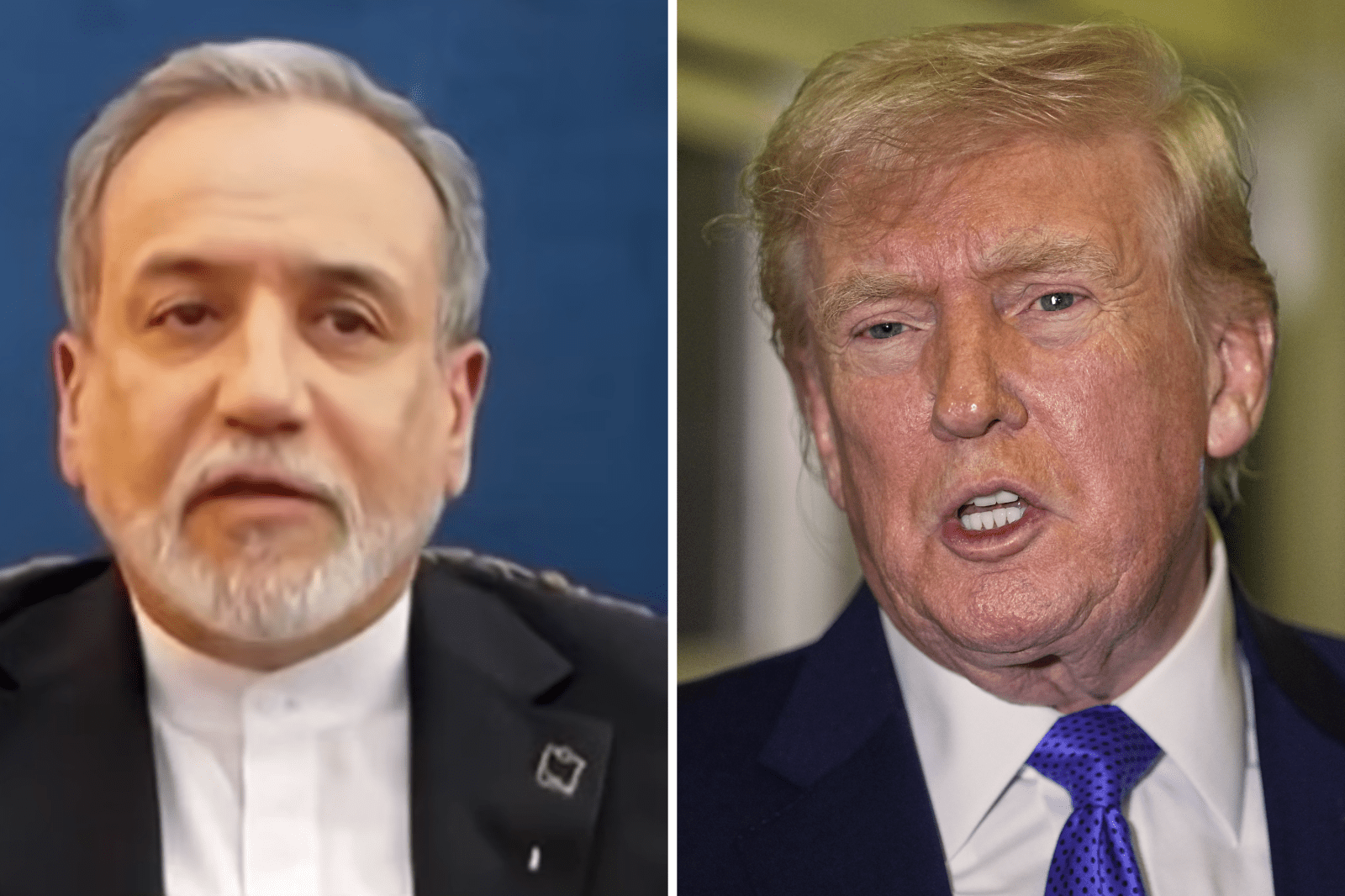
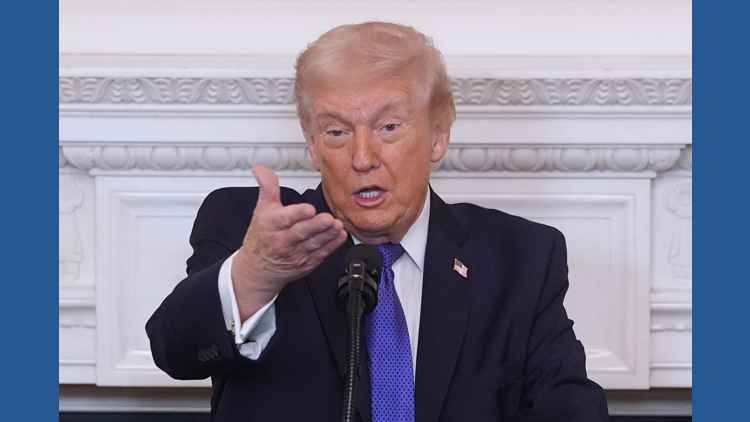
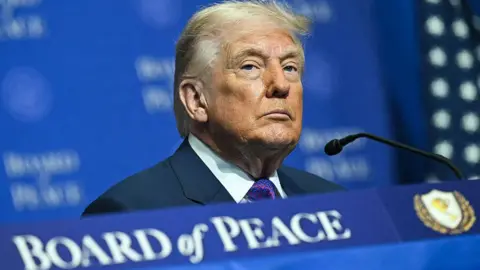
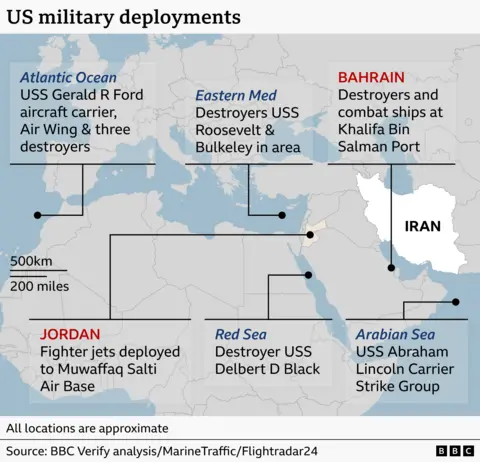
Trump’s ultimatum and limited‑strike talk dominate U.S. posture. President Donald Trump repeatedly told reporters on Feb 18‑20 that the United States will decide within “10‑15 days, pretty much maximum” whether to launch a limited strike against Iran if Tehran does not present a satisfactory nuclear agreement, warning that “bad things” will follow a missed deadline [11][12][13][16][17][18]. He framed the deadline as a diplomatic lever while simultaneously signaling readiness for kinetic action, a stance echoed across multiple outlets.
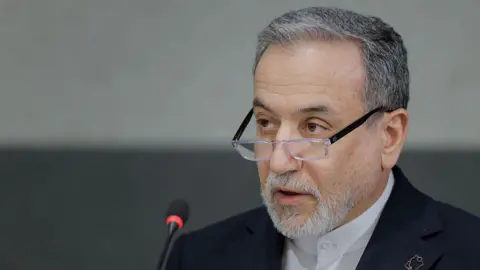
Iran promises a draft nuclear accord within days. Foreign Minister Abbas Araghchi announced on Feb 20 that Tehran will deliver a written draft of a nuclear deal to U.S. Special Envoy Steve Witkoff within the next two to three days and hopes “real, serious negotiations” can begin within a week [3][5][6][7][9][15][20]. Araghchi stressed Iran is “prepared for war as much as for peace,” underscoring the parallel tracks of negotiation and deterrence.
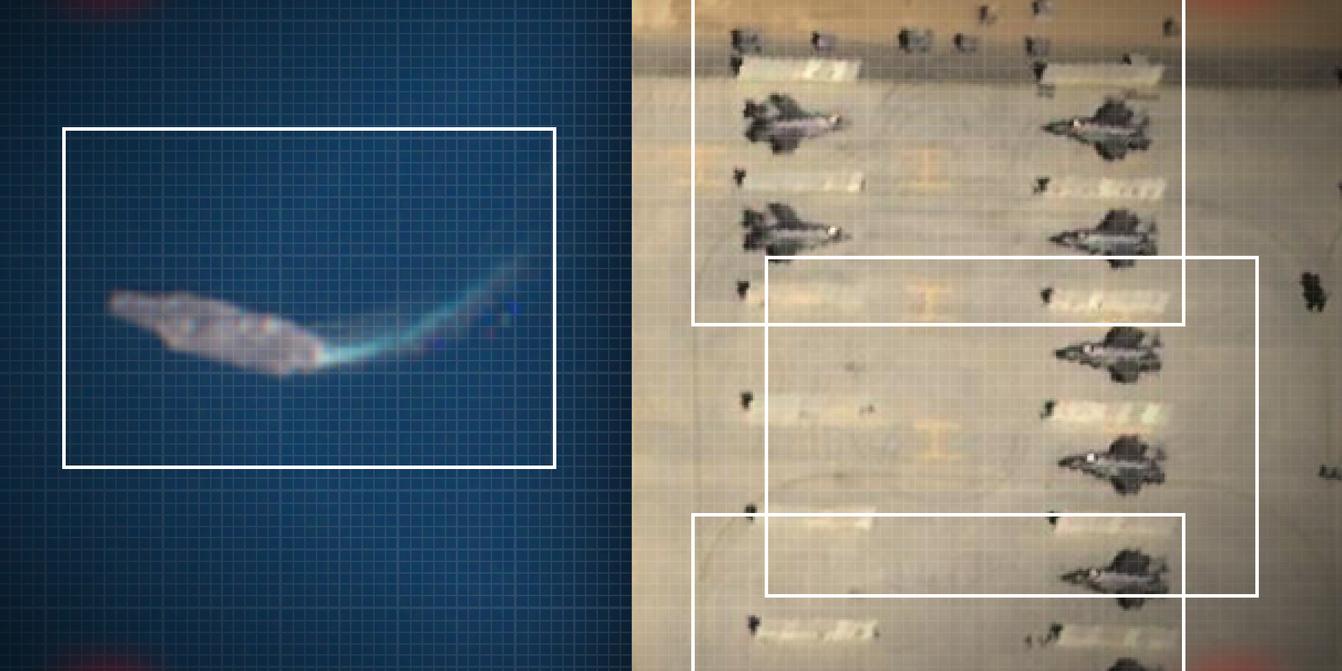
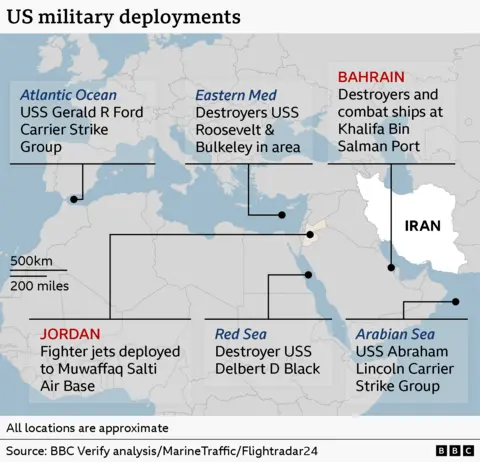
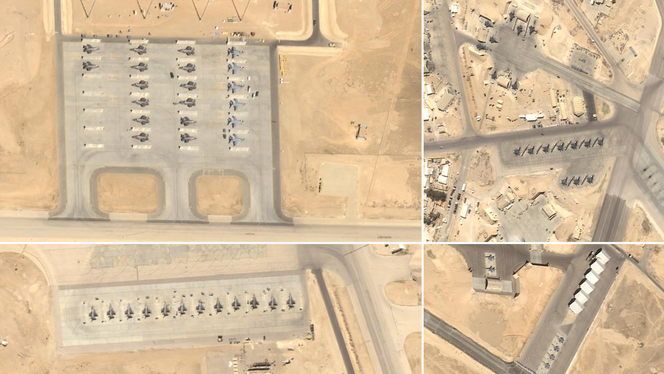
U.S. builds its largest West‑Asia force since 2003. The Pentagon has moved two carrier strike groups—USS Gerald R. Ford and USS Abraham Lincoln—into the eastern Mediterranean and Arabian Sea, accompanied by dozens of destroyers, refueling tankers, and over 100 combat aircraft, including F‑35, F‑22, F‑15, and electronic‑warfare E/A‑18 Growlers [2][8][14][15][17][20]. Satellite imagery shows U.S. combat jets at Jordan’s Muwaffaq Salti base rising from 30 on Feb 18 to 59 by Feb 20, marking an unprecedented air‑and‑naval buildup while ground troops remain limited [2][8].
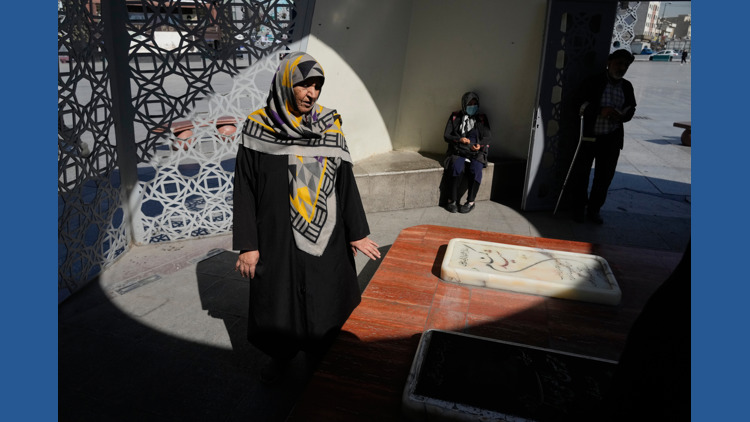
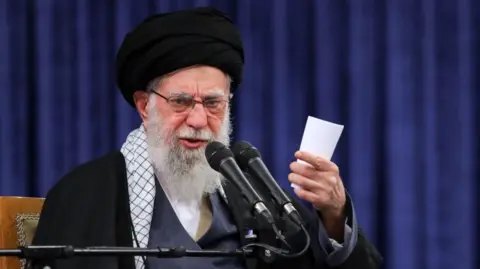
Regional stakes rise as Iran fortifies sites and threatens U.S. bases. Iran has reinforced several nuclear facilities with concrete and soil piles and conducted joint live‑fire naval drills with Russia near the Strait of Hormuz, signaling both defensive preparation and strategic signaling [8][9][10][15][18][20]. Tehran warned that any U.S. attack on its territory would make all regional U.S. bases “legitimate targets” under Article 51 of the UN Charter, while its missile and drone arsenals remain capable of striking U.S. forces and Israel [1][10][13][19].
Sources
-
1.
CNN: Iran’s Retaliation Playbook as Trump Threatens Strike: Details Iran’s asymmetric capabilities, missile/drone reach, and proxy constraints, linking them to Trump’s strike warnings .
-
2.
Le Monde: U.S. Military Buildup Near Iran Intensifies After Geneva Nuclear Talks: Reports unprecedented air‑and‑naval buildup, satellite counts of U.S. jets at Jordan base, and the “principle agreement” from Geneva .
-
3.
The Hindu: Trump Mulls Limited Strikes as Iran Says Deal Draft Nears Completion: Highlights Trump’s limited‑strike consideration, Araghchi’s draft‑deal timeline, and U.S. deployment of warships and aircraft .
-
4.
ISW: Iran’s Nuclear Standoff, Domestic Unrest, and Hezbollah’s Calculus (Feb 20 2026): Notes Trump’s 10‑15‑day deadline, Araghchi’s dispute over zero‑enrichment demand, and Hezbollah’s possible responses .
-
5.
BBC: Trump Mulls Limited Strike on Iran Amid Ongoing Nuclear Talks: Covers Trump’s deadline, Araghchi’s draft‑deal promise, carrier deployments, and domestic U.S. political constraints .
-
6.
King5 (Seattle, WA): Trump warns limited strikes as Iran eyes imminent nuclear deal: Reports Trump’s limited‑strike option, Araghchi’s draft‑deal timeline, and the movement of the Gerald R. Ford carrier group .
-
7.
AP: Trump Signals Possible Limited Strikes on Iran as Tehran Nears Draft Deal: Details Trump’s “considering” stance, Araghchi’s draft‑deal timeline, and the carrier strike group’s transit through the Strait of Gibraltar .
-
8.
CNN: US Positions Massive Military Hardware Near Iran as Diplomatic Talks Continue: Describes two carrier groups, F‑35 arrivals in Jordan, and Iran’s fortification of nuclear sites .
-
9.
Newsweek: Iran’s Foreign Minister Warns Against U.S. Military Action as Trump Sets Nuclear Deal Deadline: Highlights Araghchi’s “no military solution” claim, Trump’s deadline, and Iran‑Russia rescue drill near Hormuz .
-
10.
The Hindu: Iran warns U.S. bases in region would be “legitimate targets” if attacked: Details Iran’s UN letter invoking Article 51, threats to U.S. bases, and the scale of U.S. regional footprint .
-
11.
CNN: Trump Extends Iran Timeline, Launches $10 B Board of Peace, and Pushes Health, UFO and Voting Initiatives: Notes the 10‑15‑day decision window and the $10 billion Board of Peace .
-
12.
BBC: Trump Issues New Iran Ultimatum Amid Growing Military Buildup: Reports Trump’s mixed diplomatic‑military message and the largest post‑2003 U.S. buildup .
-
13.
ISW: Trump Sets Ten‑Day Deadline as US Buildup Ramps Up Near Iran: Covers Trump’s ten‑day deadline, carrier deployment, and Iran‑Russia naval drill .
-
14.
AP: Pentagon Deploys Largest U.S. Naval and Air Force Buildup to Middle East Amid Iran Nuclear Tensions: Details two carrier groups, 10,700 service members, and the lack of large ground forces .
-
15.
King5 (Seattle, WA): Trump warns of ‘bad things’ if Iran doesn’t make a deal as second US carrier nears Mideast: Highlights the second carrier’s movement, Iran’s UN envoy threat, and regional evacuations .
-
16.
CNN: Trump Extends Iran Decision Timeline, Announces $10 B Board of Peace Funding and Global Commitments: Announces the decision timeline, $10 billion pledge, and international support for Gaza .
-
17.
CNN: Trump Mulls Iran Options Amid Largest Middle‑East Buildup in 22 Years: Explores strike options from limited hits to regime change, carrier positioning, and advisory splits .
-
18.
AP: Trump warns Iran of “bad things” if deal stalls: Reports carrier movement, joint Iran‑Russia drills, and allied evacuations .
-
19.
The Hindu: Tehran Reenters Global Geopolitical Spotlight: Provides background on JCPOA, Trump’s 2025 strikes, and Gulf investors’ stance .
-
20.
The Hindu: Iran‑U.S. military tension rises as talks stall and drills intensify: Details Trump’s weekend decision timeline, Iran‑Russia naval drill, and contested negotiation scope .
Related Tickers
Videos (3)
Primary Data (1)
Quinnipac: 7 Out Of 10 Voters Do Not Want The U.S. To Take Military Action Against Iran For Killing Of Protesters, Quinnipiac University National Poll Finds; 70% Say Presidents Should Seek Congressional Approval Before Taking Military Action Against Another Country
Published (30 tables/charts)Timeline
Dec 27‑28 2025 – Iran’s president declares a full‑scale war with the United States, Europe and Israel, comparing the conflict to the 1980‑89 Iran‑Iraq war and saying Tehran’s military is now stronger than during the brief 2025 Israel‑Iran clash; the statement follows the June 2025 twelve‑day air campaign in which the U.S. dropped more than 125 aircraft and used the GBU‑57 bunker‑busting bomb, and Iran’s retaliatory missile strike on Qatar’s Al‑Udeid air base [24], [25].
Dec 30 2025 – Iran’s president pledges a harsh response to any U.S. aggression, while President Trump warns that a renewed Iranian nuclear program will trigger “very big, very powerful ships” and a possible strike, recalling the June 2025 air war that killed nearly 1,100 Iranians and prompted an Iranian missile barrage that killed 28 Israelis [23].
Jan 13 2026 – Trump tells reporters that Iran wants to negotiate, noting at least 646 protest deaths; Oman’s foreign minister visits Tehran as a mediator, and Iran’s foreign minister Abbas Araghchi claims the situation is “under total control” and blames Israel and the U.S. for the unrest [22].
Jan 23 2026 – Trump announces on Air Force One that a massive U.S. armada is heading toward Iran, saying “maybe we won’t have to use it,” as the USS Abraham Lincoln carrier and other warships move into the region; death‑toll figures from the crackdown vary, with activists citing over 4,500 deaths versus the Iranian government’s 3,117 [21].
Jan 26 2026 – Iran unveils a giant anti‑U.S. mural in Tehran’s Enghelab Square depicting a damaged carrier and the slogan “If you sow the wind, you will reap the whirlwind”; Trump claims the U.S. has halted an 800‑person execution plan and that any strike would make June’s attacks look like “peanuts,” while the USS Abraham Lincoln and a U.S. F‑15E squadron head toward the Middle East [20].
Jan 30 2026 – Trump publicly weighs a major limited strike on Iran, saying the next attack would be “far worse” than the June 2025 strike and that he is “considering” limited action while negotiations continue; the U.S. surges forces, deploying the USS Abraham Lincoln carrier strike group, THAAD and Patriot batteries to Qatar, an E‑11A communications jet, and dozens of F‑35, F‑15E and Growler aircraft, marking the largest Middle‑East buildup since the 2003 Iraq invasion [17], [18]; the administration cites Operation Midnight Hammer (July 2025) as a precedent for deadline‑driven strikes [1].
Feb 2 2026 – Iran’s president orders the start of nuclear talks with the United States, while Trump says a deal could prevent military action; the U.S. threatens a strike and moves an aircraft‑carrier group toward West Asia, heightening pressure after the deadly protest crackdown [15].
Feb 4 2026 – In an NBC interview, Trump warns Ayatollah Ali Khamenei that the U.S. knows of Iran’s plans to open a new nuclear site and will retaliate “very hard”; Iran confirms a nuclear‑talks session in Muscat for Feb 6, and the White House notes a substantial air‑and‑naval strike force poised near Iran after an Iranian drone approaches a U.S. carrier [30].
Feb 6 2026 – U.S. and Iranian negotiators meet in Muscat, with special envoy Steve Witkoff, Jared Kushner and Iran’s foreign minister Abbas Araghchi present; Washington pushes to add Iran’s missile program and regional activities to the agenda, while Tehran insists talks stay nuclear‑only; the meeting occurs less than a month after a protest crackdown that may have killed over 30,000 people, and the USS Abraham Lincoln carrier group sails to pressure Tehran [29].
Feb 7 2026 – Indirect talks take place in Muscat with U.S. Central Command commander Adm. Brad Cooper attending; Trump calls the talks “very good” and warns of “steep consequences” if a nuclear deal fails, promising further discussions early the next week [12].
Feb 17 2026 – Iran briefly closes part of the Strait of Hormuz for live‑fire drills, firing missiles into the water and disrupting a route that carries ~20 % of global oil; Geneva negotiations produce a “guiding principles” framework, and the USS Gerald R. Ford carrier group departs the Caribbean for the mid‑Atlantic, delaying its arrival to the Persian Gulf [11].
Feb 18 2026 – Geneva talks yield a tentative “principle agreement” on Iran’s nuclear program, with both sides agreeing to exchange detailed proposals within two weeks; Iran again shuts a section of the Strait of Hormuz for IRGC drills, while Vice President J.D. Vance says Trump has set non‑negotiable “red lines” that Tehran has not yet met [10].
Feb 19 2026 – Trump tells the world it will know in “probably, 10 days” whether the U.S. reaches a deal or launches military action; the U.S. deploys the USS Gerald R. Ford and USS Abraham Lincoln carrier strike groups to the Mediterranean and Gulf of Oman, creating a 12‑warship presence; Iran and Russia conduct joint naval drills simulating a hijacked‑ship rescue and briefly close the Strait of Hormuz; Supreme Leader Khamenei posts a Quranic verse urging resistance; U.S. officials plan a War Powers Act vote, though passage looks unlikely [3], [4], [5], [8], [9].
Feb 20 2026 – Trump gives Tehran a 10‑15‑day deadline to submit a draft nuclear agreement, warning that “bad things will happen” if missed, while saying he still prefers diplomacy; Iran’s foreign minister Abbas Araghchi promises a draft within two‑to‑three days and disputes the U.S. demand for zero enrichment; the U.S. moves the world’s largest carrier, USS Gerald R. Ford, into the region and positions “hundreds of jets and warships” for a possible limited strike; Democrats file a War Powers resolution demanding congressional approval before any attack [1], [2], [6], [7], [27].
Feb 21 2026 – Geneva negotiators announce a “principle agreement” on Iran’s nuclear program; the U.S. shifts to an unprecedented air‑and‑naval buildup, stationing 30 combat jets at Jordan’s Muwaffaq Salti base on Feb 18 and increasing to 59 by Feb 20, while keeping ground troops limited; Gulf allies express reservations but host the growing U.S. fleet; analysts note Hezbollah may intervene if it perceives a U.S./Israeli attempt to topple Tehran, outlining four possible response scenarios [28], [26]; the United States announces a conditions‑based pull‑out of its remaining Syrian bases over the next two months [27].
Dive deeper (17 sub-stories)
-
Trump Threatens Iran Strike as U.S. Deploys Two Carriers and Massive Buildup
(27 articles)
-
Le Monde: U.S. Military Buildup Near Iran Intensifies After Geneva Nuclear Talks
-
Trump Issues 10‑15‑Day Deal Deadline as Iran Nears Draft Nuclear Accord
(28 articles)
-
Iran Declares U.S. Regional Bases Legitimate Targets Following Trump Threat
(4 articles)
-
Trump Gives 10‑15‑Day Window on Iran, Launches $10 B Board of Peace, Secures Global Gaza Aid
(4 articles)
-
Trump Weighs Iran Strike as U.S. Carriers Deploy and Joint Naval Drills Intensify
(8 articles)
-
AP: Rubio to brief Netanyahu on US‑Iran nuclear talks amid rising military posture
-
Trump’s Private Envoys Push Gaza Ceasefire, Iran Talks, and Ukraine Negotiations Amid U.S. Gridlock
(10 articles)
-
Iran President Urges Fair Talks as U.S. Carrier Downs Drone, Tensions Escalate
(6 articles)
-
BBC: Trump urges Iran to abandon nuclear program and halt protest killings amid US fleet buildup
-
U.S. Carrier Group Arrives as Iran Unveils Blood‑Stained Billboard Amid Death‑Toll Dispute
(8 articles)
-
U.S. Weapon Stockpile Shrinks While Trump Orders Assets for Possible Iran Strike
(5 articles)
-
Newsweek: Iran vows to crush enemies after president declares war on US
-
Iran Declares Full‑Scale War with United States, Israel, Europe Ahead of Netanyahu‑Trump Meeting
(3 articles)
-
AP: Iran and U.S. reaffirm diplomacy at UN as gap on nuclear deal remains wide
-
The Hindu: Iran says missile programme is defensive and non-negotiable
-
Newsweek:
All related articles (110 articles)
-
CNN: Iran’s Retaliation Playbook as Trump Threatens Strike
-
Le Monde: U.S. Military Buildup Near Iran Intensifies After Geneva Nuclear Talks
-
The Hindu: Trump Mulls Limited Strikes as Iran Says Deal Draft Nears Completion
-
ISW: Iran’s Nuclear Standoff, Domestic Unrest, and Hezbollah’s Calculus (Feb 20 2026)
-
BBC: Trump Mulls Limited Strike on Iran Amid Ongoing Nuclear Talks
-
King5 (Seattle, WA): Trump warns limited strikes as Iran eyes imminent nuclear deal
-
AP: Trump Signals Possible Limited Strikes on Iran as Tehran Nears Draft Deal
-
CNN: US Positions Massive Military Hardware Near Iran as Diplomatic Talks Continue
-
Newsweek: Iran’s Foreign Minister Warns Against U.S. Military Action as Trump Sets Nuclear Deal Deadline
-
The Hindu: Iran warns U.S. bases in region would be “legitimate targets” if attacked
-
CNN: Trump Extends Iran Timeline, Launches $10 B Board of Peace, and Pushes Health, UFO and Voting Initiatives
-
BBC: Trump Issues New Iran Ultimatum Amid Growing Military Buildup
-
ISW: Trump Sets Ten‑Day Deadline as US Buildup Ramps Up Near Iran
-
AP: Pentagon Deploys Largest U.S. Naval and Air Force Buildup to Middle East Amid Iran Nuclear Tensions
-
King5 (Seattle, WA): Trump warns of ‘bad things’ if Iran doesn’t make a deal as second US carrier nears Mideast
-
CNN: Trump Extends Iran Decision Timeline, Announces $10 B Board of Peace Funding and Global Commitments
-
CNN: Trump Mulls Iran Options Amid Largest Middle‑East Buildup in 22 Years
-
AP: Trump warns Iran of “bad things” if deal stalls
-
The Hindu: Tehran Reenters Global Geopolitical Spotlight
-
The Hindu: Iran‑U.S. military tension rises as talks stall and drills intensify
-
BBC: Trump warns world has ten days to see Iran deal or military action
-
BBC: US Deploys Two Aircraft Carriers as Tensions Rise with Iran
-
BBC: US Deploys Carrier Groups as Iran Signals Defiance Over Washington’s Demands
-
Newsweek: Iran and Russia Conduct Joint Naval Drills Amid Growing U.S. Military Presence
-
Newsweek: Trump Signals New Military Options as Iran Talks Stall
-
BBC: White House Presses Iran to Negotiate as U.S. Warships Deploy
-
CNN: Trump’s Opaque Rationale as He Inches Toward Possible War with Iran
-
AP: Rubio to brief Netanyahu on US‑Iran nuclear talks amid rising military posture
-
CNN: US Military Poised for Iran Strike This Weekend, Trump Yet to Decide
-
BBC: U.S. Plans Large‑Scale Troop Pullout from Syria Amid Rising Iran Tensions
-
Newsweek: Six Indicators Suggest Imminent US‑Iran Conflict
-
CNN: Trump’s private envoys wrestle with Gaza, Iran and Ukraine
-
CNN: Geneva Talks Yield Mixed Progress on Iran, Ukraine and U.S. Domestic Gridlock
-
AP: Iran’s Temporary Closure of the Strait of Hormuz Raises Global Oil Concerns
-
AP: Iran Temporarily Closes Strait of Hormuz Amid Geneva Nuclear Talks
-
CNN: Trump’s Diplomacy with Iran Stalls as Geneva Talks End Without Clear Deal
-
Newsweek: Iran Says “General Agreement” Reached With U.S. on Nuclear Talks
-
Newsweek: Rubio warns Iran “difficult” ahead of Geneva talks
-
AP: Iran, U.S. Consider Second Nuclear Talks Amid Post‑War Tensions
-
AP: US and Iran Hold Indirect Talks in Oman Amid Military Posturing
-
BBC: Iran‑U.S. Talks in Oman Signal Tentative Nuclear Dialogue
-
Le Monde: US‑Iran Nuclear Talks Begin in Oman Amid Diverging Agendas
-
CNN: Trump Faces Tough Choices Over Iran Amid Low Approval
-
CNN: Trump warns Iran’s supreme leader of “very worried” stance ahead of Muscat talks
-
Le Monde: Trump warns Iran’s Supreme Leader as US‑Iran talks loom in Oman
-
AP: Iran‑U.S. Nuclear Talks Set for Friday in Oman Amid Heightened Tensions
-
The Hindu: Iran President Calls for Negotiations as U.S. Downs Drone
-
AP: Iran’s President Calls for Fair Talks as U.S. Shoots Down Drone
-
Newsweek: U.S. Fighter Jet Downs Iranian Shahed Drone Near Carrier Abraham Lincoln
-
CNN: US Carrier Downs Iranian Drone Amid Rising Tensions and Stalled Talks
-
AP: U.S. Navy F‑35C Downs Iranian Shahed‑139 Drone Near Carrier
-
BBC: US forces down Iranian drone near carrier amid rising tensions
-
BBC: Iran Signals Readiness for US Negotiations Amid Heightened Regional Tensions
-
Newsweek: Trump’s Nuclear Pressure Prompts Iran to Seek Talks
-
AP: Turkey Pushes for US‑Iran Talks Amid Rising Tensions
-
The Hindu: Iranian President Orders Nuclear Talks Amid U.S. Military Threats
-
BBC: Iran’s Supreme Leader Threatens Regional War Over Possible U.S. Attack
-
Newsweek: Iran’s Supreme Leader Warns U.S. Attack Will Trigger Regional War
-
AP: Iran’s Supreme Leader Threatens Regional War Over Possible U.S. Attack
-
Newsweek: U.S. Warns Iran’s IRGC Over Live‑Fire Drills in Strait of Hormuz
-
CNN: Trump’s Iran Options Remain Limited Amid Naval Buildup and Regime Weakness
-
CNN: Iran Signals Openness to US Nuclear Talks While Rejecting Dictation and Missile Negotiations
-
BBC: Trump Claims Iran Wants Nuclear Deal as U.S. Buildup Continues
-
CNN: US Forces Surge in Middle East as Trump Mulls Iran Strike
-
Newsweek: U.S. Carrier Deploys as Trump Issues Final Warning to Iran
-
BBC: Trump urges Iran to abandon nuclear program and halt protest killings amid US fleet buildup
-
Newsweek: Iranians Brace for Possible U.S. Attack Amid Rising Tensions
-
BBC: Iran’s heightened risk of escalation as US carrier group arrives
-
CNN: Iran’s Options to Respond if Trump Orders a Strike
-
Newsweek: Iran Deploys 1,000 Drones as U.S. Armada Moves Toward Region
-
CNN: Trump Considers Major New Strike on Iran Amid Stalled Nuclear Talks
-
Newsweek: Iran Threatens Unprecedented Retaliation After Trump Revives Strike Threat
-
BBC: Potential Outcomes if the U.S. Strikes Iran
-
BBC: Trump warns Iran “time is running out” as US forces surge in Gulf
-
CNN: US Air Drills Intensify as Trump Threatens Iran Over Protest Crackdown
-
Newsweek: Trump Issues New Ultimatum to Iran, Threatening “Far Worse” Strikes
-
Newsweek: Iran Says It Has Not Requested Negotiations After Trump Claims Deal Is Possible
-
CNN: US Conducts Middle‑East Air Drills as Iran Tensions Rise
-
CNN: Tehran Braces for U.S. Naval Presence Amid Post‑Crackdown Tension
-
Newsweek: Iran Unveils Blood‑Stained Billboard Targeting U.S. Carrier Amid Rising Tensions
-
Newsweek: Trump Says U.S. Navy Deploys Large Armada Near Iran Amid Ongoing Tensions
-
CNN: USS Abraham Lincoln Carrier Strike Group Moves Into Indian Ocean Amid Rising US‑Iran Tensions
-
AP: USS Abraham Lincoln Carrier Deploys to Middle East Amid Iran Tensions
-
AP: Iran’s New Anti‑US Mural Highlights Escalating Tehran‑Washington Tensions
-
King5 (Seattle, WA): Iran’s IRGC Commander Threatens US as Warships Move Toward Region
-
AP: Iran’s IRGC Commander Threatens US as Warships Approach
-
Newsweek: Iran rejects Trump's claim of halted executions as U.S. ships move toward Iran
-
Newsweek: Trump warns of armada heading to Iran amid protests
-
Newsweek: Iran warns it will use everything it has as U.S. moves forces
-
Newsweek: Trump threatens to wipe Iran's regime off the face of the Earth as tensions rise
-
Newsweek: Iran warns Trump with threat to set fire to their world
-
CNN: Arab states help de-escalate US-Iran tensions as US moves carrier group to Middle East
-
Newsweek: US weapons stockpile examined amid potential war with Iran
-
Newsweek: Iran could retaliate more aggressively if U.S. intervenes, experts warn
-
CNN: Analysts map potential US targets and risks in possible Iran strike
-
Newsweek: Iran's military assessed against US as Tehran vows retaliation amid Trump threats
-
AP: Trump says Iran wants to talk as protest death toll rises
-
Newsweek: Iran developing chemical and biological warheads for long-range missiles, report says
-
Newsweek: Iran warns of harsh response to any attack after Trump threat
-
AP: Iranian president pledges harsh response to aggression in apparent rebuke to Trump warning
-
Newsweek: Iran vows to crush enemies after president declares war on US
-
Newsweek: Iran says it is in a full-scale war with the US, ready for decisive response
-
The Hindu: Iran's president says country is in full-scale war with West
-
AP: Iran's president says the country is in a full-scale war with the U.S., Israel and Europe ahead of Netanyahu-Trump talks
-
AP: Iran and U.S. reaffirm diplomacy at UN as gap on nuclear deal remains wide
-
The Hindu: Iran says missile programme is defensive and non-negotiable
-
Newsweek: Trump Threatens to Strike Iran if It Re‑starts Nuclear Program Without Deal
-
Newsweek:
-
Newsweek: Iran Issues Final Warning to U.S. Warships as Naval Drill Concludes
-
Newsweek: Trump’s Middle East Policy Sparks Debate Over Peace Claims
External resources (160 links)
- https://www.youtube.com/watch?v=jT_ldEXjkZ0 (cited 2 times)
- https://www.youtube.com/watch?v=pEDN_5dlMC8 (cited 1 times)
- https://www.youtube.com/watch?v=t4qwTmQF9yc (cited 1 times)
- https://www.eia.gov/international/analysis/country/irn (cited 2 times)
- https://www.eia.gov/todayinenergy/detail.php?id=65504 (cited 2 times)
- https://usun.usmission.gov/u-s-representative-to-the-united-nations-ambassador-mike-waltzs-interview-with-tony-perkins-of-the-salem-news-channel/ (cited 1 times)
- https://mei.edu/publication/hezbollahs-regional-activities-support-irans-proxy-networks/ (cited 1 times)
- https://poll.qu.edu/poll-release?releaseid=3945 (cited 1 times)
- https://www.wsj.com/world/middle-east/syria-us-troops-withdraw-a97a2665 (cited 3 times)
- https://edition.cnn.com/2026/02/01/middleeast/iran-diplomat-araghchi-interview-intl (cited 2 times)
- https://www.axios.com/2026/02/18/trump-iran-meeting-military-strike (cited 2 times)
- https://www.reuters.com/world/middle-east/can-lebanon-disarm-hezbollah-2025-08-06/ (cited 2 times)
- https://www.reutersconnect.com/all?search=all%3AL1N3YF0BU&linkedFromStory=true (cited 2 times)
- https://www.aljazeera.com/news/2024/10/22/hezbollah-takes-responsibility-for-drone-attack-on-netanyahu-holiday-home (cited 1 times)
- https://www.axios.com/2026/02/03/iran-us-nuclear-negotiations-format (cited 1 times)
- https://www.foxnews.com/politics/worlds-largest-aircraft-carrier-heads-middle-east-iran-nuclear-tensions-spike-dramatically (cited 1 times)
- https://www.iranintl.com/en/liveblog/202601258930 (cited 1 times)
- https://www.reuters.com/world/middle-east/hezbollah-says-lebanon-cabinet-decision-seek-state-monopoly-arms-is-grave-sin-2025-08-06/ (cited 1 times)
- https://www.reuters.com/world/middle-east/hezbollah-strikes-israel-gaza-war-anniversary-fears-grow-over-middle-east-2024-10-07/ (cited 1 times)
- https://www.reuters.com/world/middle-east/iran-issues-notam-over-planned-rocket-launches-thursday-us-faa-says-2026-02-18/ (cited 1 times)
- https://www.reuters.com/world/middle-east/iraq-iran-sign-deal-tighten-border-security-2023-03-19/ (cited 1 times)
- https://www.reuters.com/world/middle-east/one-man-killed-israeli-incursion-into-south-lebanon-lebanese-state-media-says-2025-10-30/ (cited 1 times)
- https://www.reuters.com/world/middle-east/unidentified-drone-kills-pkk-member-injures-another-near-iraqs-sulaymaniyah-2025-07-19/ (cited 1 times)
- https://www.reuters.com/world/us/us-control-oil-dollars-heaps-pressure-iraq-over-iranian-influence-2026-01-23/ (cited 1 times)
- https://www.washingtonpost.com/national-security/2026/02/19/trump-iran-attack-military/ (cited 1 times)
- https://www.wral.com/news/ap/018c2-lebanons-financial-recovery-will-rest-on-security-and-political-reforms-economy-minister-says/ (cited 1 times)
- https://x.com/observelebanon/status/2024186791113208169?s=46 (cited 3 times)
- https://www.facebook.com/share/v/1KKH93N2KS/ (cited 2 times)
- https://x.com/Entekhab_News/status/2024845655001239975?s=20 (cited 2 times)
- https://x.com/ifrc/status/2011790950574531015 (cited 2 times)
- https://x.com/netblocks/status/2011838716562542678 (cited 2 times)
- https://t.me/almanarnews/220271 (cited 1 times)
- https://t.me/farsna/408848 (cited 1 times)
- https://truthsocial.com/@realDonaldTrump/posts/115968824541011312 (cited 1 times)
- https://www.facebook.com/nabihberri/posts/pfbid0UyCX4YLrET3UGVRinkYDtaaQ6TyJXqne3AFx6di9sXv8zm8NP7oHPNUR2yxkZmZhl?rdid=k2pdWYSU3cEi1xaf (cited 1 times)
- https://www.facebook.com/profile.php?id=100005902210403 (cited 1 times)
- https://www.facebook.com/share/p/16VdcnYSy3/ (cited 1 times)
- https://www.facebook.com/share/r/16qSoWjiyY/ (cited 1 times)
- https://x.com/ALJADEEDNEWS/status/1962924930552467601 (cited 1 times)
- https://x.com/ALJADEEDNEWS/status/2024366579870261395?s=20 (cited 1 times)
- https://x.com/AvichayAdraee/status/1970482692182700519 (cited 1 times)
- https://x.com/AvichayAdraee/status/1981680901672124691 (cited 1 times)
- https://x.com/CENTCOM/status/2013647979673010637 (cited 1 times)
- https://x.com/CENTCOM/status/2015815632302801143 (cited 1 times)
- https://x.com/CdricLabrousse/status/2024232205774463333 (cited 1 times)
- https://x.com/EndlessWint_r/status/2024836536940761414 (cited 1 times)
- https://x.com/FSeifikaran/status/2024938251199431086?s=20 (cited 1 times)
- https://x.com/HengawO/status/2024196636256452937?s=20 (cited 1 times)
- https://x.com/IDF/status/1997718694898606343?s=20 (cited 1 times)
- https://x.com/IranObserver0/status/1996871455900946913 (cited 1 times)
- https://x.com/LBpresidency/status/1957344935193059790 (cited 1 times)
- https://x.com/LBpresidency/status/1970273108469706756 (cited 1 times)
- https://x.com/LBpresidency/status/1976888501472735332 (cited 1 times)
- https://x.com/LawkGhafuri/status/2023470599323218007 (cited 1 times)
- https://x.com/LindseyGrahamSC/status/2015931978936103039 (cited 1 times)
- https://x.com/ManotoNews/status/2024799201889010124?s=20 (cited 1 times)
- https://x.com/PressTV/status/1960005122794435009 (cited 1 times)
- https://x.com/QalaatAlMudiq/status/2023477482876530870 (cited 1 times)
- https://x.com/RadioFarda_/status/2024498397940441537?s=20 (cited 1 times)
- https://x.com/RudawEnglish/status/2024200042651754539?s=20 (cited 1 times)
- https://x.com/alarabytv/status/2024364869676314801?s=46 (cited 1 times)
- https://x.com/alishamkhani_ir/status/2016582565390655585?s=20 (cited 1 times)
- https://x.com/araghchi (cited 1 times)
- https://x.com/araghchi/status/2016568541399445735 (cited 1 times)
- https://x.com/defencehq/status/2014459690638344339?s=46&t=QxzOMiC4we0qkulaZlO4vg (cited 1 times)
- https://x.com/drpezeshkian/status/2018551558959710505?s=20 (cited 1 times)
- https://x.com/faytuksnetwork/status/2024185521950367949?s=46 (cited 1 times)
- https://x.com/faytuksnetwork/status/2024206589050118195?s=46 (cited 1 times)
- https://x.com/idfonline/status/1863657296422732177 (cited 1 times)
- https://x.com/nawafsalam/status/1957409055149899827 (cited 1 times)
- https://x.com/notamify/status/2024247770509447229?s=20 (cited 1 times)
- https://x.com/suwayda24/status/2024508768554537382 (cited 1 times)
- https://x.com/vvanwilgenburg/status/1950090047425769965?s=20 (cited 1 times)
- https://www.almanar.com.lb/article/562952/ (cited 4 times)
- (cited 3 times)
- https://outrider.org/ (cited 3 times)
- https://www.alaraby.co.uk/politics/تراجع-قوى-إضافية-عن-دعم-نوري-المالكي-يوسع-انقسام-الإطار-التنسيقي (cited 3 times)
- https://www.carnegie.org/ (cited 3 times)
- https://www.enabbaladi.net/796343/%d8%ad%d8%b3%d9%86-%d8%a7%d9%84%d8%a3%d8%b7%d8%b1%d8%b4-%d9%8a%d9%88%d8%b6%d8%ad-%d8%a3%d8%b3%d8%a8%d8%a7%d8%a8-%d8%ae%d8%b1%d9%88%d8%ac%d9%87-%d9%85%d9%86-%d8%a7%d9%84%d8%b3%d9%88%d9%8a%d8%af%d8%a7/ (cited 3 times)
- https://www.ynet.co.il/news/article/sj8wtdxuwg (cited 3 times)
- https://almanar.com.lb/article/236622/?s=tg (cited 2 times)
- https://baghdadtoday.news/293580-.html (cited 2 times)
- https://defapress.ir/fa/news/812674 (cited 2 times)
- https://defapress.ir/fa/news/813880 (cited 2 times)
- https://tasnimnews.ir/fa/news/1404/11/21/3513582 (cited 2 times)
- https://theconversation.com/israel-has-invaded-lebanon-six-times-in-the-past-50-years-a-timeline-of-events-240157 (cited 2 times)
- https://www.almanar.com.lb/article/124377/ (cited 2 times)
- https://www.bcaresearch.com/marketing/matt-gertken (cited 2 times)
- https://www.bing.com/ck/a?!&&p=8b801433ae68c44f5453de72e45c10b1e846f1ca098dafb67ed046fcab4f8c53JmltdHM9MTc2OTY0NDgwMA&ptn=3&ver=2&hsh=4&fclid=31294c2b-4a98-6c6c-3c6d-5ac24bca6d43&psq=USS+Abraham+Lincoln+Newsweek&u=a1aHR0cHM6Ly93d3cubmV3c3dlZWsuY29tL21hcC1zaG93cy11c3MtYWJyYWhhbS1saW5jb2xuLXBhdGgtdG93YXJkLWlyYW4tcHJvdGVzdHMtY29udGludWUtMTEzNzE4MDQ (cited 2 times)
- https://www.chathamhouse.org/2021/06/how-hezbollah-holds-sway-over-lebanese-state/05-influence-over-military-and-security (cited 2 times)
- https://www.criticalthreats.org/analysis/iran-update-february-17-2026 (cited 2 times)
- https://www.criticalthreats.org/analysis/iran-update-october-1-2024 (cited 2 times)
- https://www.criticalthreats.org/analysis/israels-victory-in-lebanon (cited 2 times)
- https://www.fdd.org/team/behnam-ben-taleblu/ (cited 2 times)
- https://www.fmprc.gov.cn/wjbzhd/202601/t20260115_11813505.shtml (cited 2 times)
- https://www.ifrc.org/article/ifrc-mourns-killing-one-iranian-red-crescent-colleague (cited 2 times)
- https://www.iribnews.ir/fa/news/5721875 (cited 2 times)
- https://www.irna.ir/news/86081645/ (cited 2 times)
- https://www.maariv.co.il/news/military/article-1286628 (cited 2 times)
- https://www.newsguardrealitycheck.com/p/ai-videos-fill-void-amid-iran-internet-blackout (cited 2 times)
- https://www.opec.org/assets/assetdb/asb-2025.pdf (cited 2 times)
- https://www.safdiearchitects.com/projects/united-states-institute-of-peace (cited 2 times)
- https://www.tasnimnews.ir/fa/news/1404/11/15/3509151 (cited 2 times)
- https://www.tasnimnews.ir/fa/news/1404/12/01/3521734/ (cited 2 times)
- https://almadapaper.net/425943/ (cited 1 times)
- https://almadapaper.net/427064/ (cited 1 times)
- https://almadapaper.net/427252/ (cited 1 times)
- https://apps.dtic.mil/sti/tr/pdf/ADA496916.pdf (cited 1 times)
- https://arabcenterdc.org/resource/lebanons-political-forces-oppose-a-war-with-israel/ (cited 1 times)
- https://assets.newsweek.com/wp-content/uploads/2025/08/2691909-how-israel-could-exploit-irans-ethnic-divides.jpg (cited 1 times)
- https://carnegieendowment.org/research/2020/03/the-transformation-of-the-iraqi-syrian-border-from-a-national-to-a-regional-frontier?lang=en¢er=middle-east (cited 1 times)
- https://defapress.ir/fa/news/813106/ (cited 1 times)
- https://defapress.ir/fa/news/813277 (cited 1 times)
- https://en.964media.com/45299/ (cited 1 times)
- https://english.aawsat.com/arab-world/5241904-hezbollah-rejects-disarmament-plan-and-government%E2%80%99s-four-month-timeline (cited 1 times)
- https://nationalinterest.org/blog/middle-east-watch/irans-strategy-of-delay (cited 1 times)
- https://newlinesmag.com/spotlight/life-returns-to-al-bukamal-after-iranian-militias-flee/ (cited 1 times)
- https://nournews.ir/fa/news/276131 (cited 1 times)
- https://nournews.ir/fa/news/276335 (cited 1 times)
- https://rojhelat.info/en/12117 (cited 1 times)
- https://syriacpress.com/blog/2025/11/05/hezbollahs-ideology-no-end-in-sight/ (cited 1 times)
- https://tasnimnews.ir/en/news/2026/02/19/3521035/iranian-russian-naval-forces-conduct-mock-hijacked-ship-rescue-in-joint-drills (cited 1 times)
- https://tasnimnews.ir/fa/news/1404/11/29/3520507 (cited 1 times)
- https://tbg.airframes.io/ (cited 1 times)
- https://thenewregion.com/posts/3682 (cited 1 times)
- https://thisisbeirut.com.lb/articles/1322452/what-options-for-hezbollah-after-lebanon-s-decision-to-disarm-it (cited 1 times)
- https://today.lorientlejour.com/article/1490729/iranian-foreign-minister-abbas-araghchi-arrives-in-beirut.html (cited 1 times)
- https://www.alahad.iq/?page=article&itemId=247171 (cited 1 times)
- https://www.almanar.com.lb/article/172317/?s=tg (cited 1 times)
- https://www.almanar.com.lb/article/251422/ (cited 1 times)
- https://www.arabnews.com/node/2603593/amp (cited 1 times)
- https://www.bing.com/ck/a?!&&p=2cddb51d14ef76e9b599de147f99bb1def9946dac9bb94a2ac8593a04478dd77JmltdHM9MTc2OTEyNjQwMA&ptn=3&ver=2&hsh=4&fclid=31294c2b-4a98-6c6c-3c6d-5ac24bca6d43&psq=Trump+Iran&u=a1aHR0cHM6Ly93d3cucmV1dGVycy5jb20vd29ybGQvbWlkZGxlLWVhc3QvdXMtbWlsaXRhcnktYXNzZXRzLWhlYWRpbmctbWlkZGxlLWVhc3QtZXZlbi10cnVtcC1iYWNrcy1vZmYtdG91Z2hlc3QtaXJhbi0yMDI2LTAxLTIyLw (cited 1 times)
- https://www.bing.com/ck/a?!&&p=2f764b001b8f718152361d90da32fc483ff7d27555ebf932b6babadc1a203aa5JmltdHM9MTc2OTEyNjQwMA&ptn=3&ver=2&hsh=4&fclid=31294c2b-4a98-6c6c-3c6d-5ac24bca6d43&psq=USS+Abraham+Newsweek&u=a1aHR0cHM6Ly93d3cubmV3c3dlZWsuY29tL3Bob3Rvcy11cy1haXJjcmFmdC1jYXJyaWVyLXdlc3QtcGFjaWZpYy1pcmFuLXRlbnNpb25zLTExMzgzOTE1 (cited 1 times)
- https://www.bing.com/ck/a?!&&p=302e892761936c6d391ff9b80cbb4cf3e55326a7a8dbaf2ac23ca6e3831d2c8aJmltdHM9MTc2ODM0ODgwMA&ptn=3&ver=2&hsh=4&fclid=24c05a7b-dba0-6e8d-1f70-4e79da6b6f70&psq=Al+Udeid+Air+Base+in+Qatar+Newsweek+June+23&u=a1aHR0cHM6Ly93d3cubmV3c3dlZWsuY29tL2lyYW4tdHJ1bXAtc3RyaWtlcy1hbC11ZGVpZC1haXItYmFzZS1xYXRhci0xMTM1NzA0NQ (cited 1 times)
- https://www.bing.com/ck/a?!&&p=40b3e932505231d92a99e37c323c13c7c311dfd6ea662ef346f9fea0714ff168JmltdHM9MTc2OTEyNjQwMA&ptn=3&ver=2&hsh=4&fclid=31294c2b-4a98-6c6c-3c6d-5ac24bca6d43&psq=3%2c117+people%2c+death+Iran&u=a1aHR0cHM6Ly91ay5uZXdzLnlhaG9vLmNvbS9pcmFuaWFuLXN0YXRlLXR2LWlzc3Vlcy1maXJzdC0wMzA1MTIzMDkuaHRtbA (cited 1 times)
- https://www.bing.com/ck/a?!&&p=65e0516d046020389640ccff0832ad6b9bf7e11b7dc1521552dea5cc311b1a05JmltdHM9MTc2OTY0NDgwMA&ptn=3&ver=2&hsh=4&fclid=31294c2b-4a98-6c6c-3c6d-5ac24bca6d43&psq=Iran+drills+Newsweek&u=a1aHR0cHM6Ly93d3cubmV3c3dlZWsuY29tL2lyYW4tdXBkYXRlLXVzLW1pbGl0YXJ5LXRvLXBlcmZvcm0tc2hvdy1vZi1zdHJlbmd0aC1pbi1taWRkbGUtZWFzdC0xMTQyNzg4OQ (cited 1 times)
- https://www.centcom.mil/MEDIA/PRESS-RELEASES/Press-Release-View/Article/4407029/us-forces-continue-strikes-on-isis-targets-in-syria/ (cited 1 times)
- https://www.criticalthreats.org/analysis/iran-update-february-11-2026 (cited 1 times)
- https://www.criticalthreats.org/analysis/iran-update-february-5-2026 (cited 1 times)
- https://www.criticalthreats.org/analysis/iran-update-january-11-2026 (cited 1 times)
- https://www.criticalthreats.org/analysis/iran-update-june-26-2025 (cited 1 times)
- https://www.eremnews.com/news/arab-world/bxhk26s (cited 1 times)
- https://www.fdd.org/analysis/op_eds/2025/04/20/qassems-speech-on-lebanons-national-defense-strategy-indicates-hezbollah-will-remain-armed/ (cited 1 times)
- https://www.jpost.com/israel-news/defense-news/article-871549 (cited 1 times)
- https://www.jpost.com/middle-east/iran-news/article-881050 (cited 1 times)
- https://www.kan.org.il/content/kan-news/defense/1000328/ (cited 1 times)
- https://www.kurdistan24.net/ar/story/888783/%D9%87%D8%AC%D9%88%D9%85-%D8%A8%D9%85%D8%B3%D9%8A%D8%B1%D8%A7%D8%AA-%D9%88%D8%B5%D9%88%D8%A7%D8%B1%D9%8A%D8%AE-%D9%8A%D8%B3%D8%AA%D9%87%D8%AF%D9%81-%D9%85%D9%82%D8%B1%D8%A7-%D9%84%D8%AD%D8%B2%D8%A8-%D8%A7%D9%84%D8%AD%D8%B1%D9%8A%D8%A9-%D8%A7%D9%84%D9%83%D9%88%D8%B1%D8%AF%D8%B3%D8%AA%D8%A7%D9%86%D9%8A-%D9%88%D8%B3%D9%82%D9%88%D8%B7-%D8%B6%D8%AD%D8%A7%D9%8A%D8%A7 (cited 1 times)
- https://www.kurdistan24.net/ar/story/890035/slug (cited 1 times)
- https://www.kurdistan24.net/ar/story/894928/%D9%85%D8%B1%D8%A7%D8%B3%D9%84-%D9%83%D9%88%D8%B1%D8%AF%D8%B3%D8%AA%D8%A7%D9%86-24-%D9%82%D8%AA%D9%84%D9%89-%D8%AC%D8%B1%D8%A7%D8%A1-%D8%A7%D8%B3%D8%AA%D9%87%D8%AF%D8%A7%D9%81-%D8%B3%D9%8A%D8%A7%D8%B1%D8%A9-%D8%A8%D8%A7%D9%84%D9%82%D8%B1%D8%A8-%D9%85%D9%86-%D8%B3%D9%8A%D8%B7%D8%B1%D8%A9-%D9%83%DB%95%DA%B5%DB%95%D9%88%D8%A7%D9%86-%D8%A8%D8%A7%D9%84%D8%B3%D9%84%D9%8A%D9%85%D8%A7%D9%86%D9%8A%D8%A (cited 1 times)
- https://www.majalla.com/node/329453/%D9%88%D8%AB%D8%A7%D8%A6%D9%82-%D9%88%D9%85%D8%B0%D9%83%D8%B1%D8%A7%D8%AA/%D8%A7%D9%84%D9%85%D8%AC%D9%84%D8%A9-%D8%AA%D9%86%D8%B4%D8%B1-%D8%A7%D9%84%D9%86%D8%B5-%D8%A7%D9%84%D8%AD%D8%B1%D9%81%D9%8A-%D9%84%D9%80%D8%A7%D9%84%D8%A7%D8%AA%D9%81%D8%A7%D9%82-%D8%A7%D9%84%D8%B4%D8%A7%D9%85%D9%84-%D8%A8%D9%8A%D9%86-%D8%A7%D9%84%D8%AD%D9%83%D9%88%D9%85%D8%A9-%D8%A7%D9%84%D8%B3%D9%88%D8%B1%D9%8A%D8%A9-%D9%88%D9%82%D8%B3%D8%AF (cited 1 times)
- https://www.naharnet.com/stories/en/309547-israel-says-hezbollah-fired-two-missiles-at-occupied-shebaa-farms (cited 1 times)
- https://www.naharnet.com/stories/en/318443-katz-says-israel-won-t-withdraw-as-long-as-hezbollah-has-arms (cited 1 times)
- https://www.naharnet.com/stories/en/318493-report-berri-led-contacts-with-hezbollah-seek-to-prevent-it-from-backing-iran-militarily (cited 1 times)
- https://www.newarab.com/news/israeli-army-fortifying-positions-south-lebanon (cited 1 times)
- https://www.tasnimnews.com/fa/news/1404/10/18/3490915/ (cited 1 times)
- https://www.timesofisrael dot (cited 1 times)
- https://www.timesofisrael.com/liveblog_entry/iran-and-russia-to-conduct-navy-drill-in-sea-of-oman-and-northern-indian-ocean/ (cited 1 times)
- https://www.voanews.com/a/iraq-moves-iranian-kurdish-groups-away-from-border-/7265414.html (cited 1 times)
- https://www.washingtoninstitute.org/policy-analysis/hezbollah-nervously-watches-iran-washington-should-double-down-disarmament (cited 1 times)
- https://www.washingtoninstitute.org/policy-analysis/sudani-general-manager-how-militias-view-iraqs-new-prime-minister (cited 1 times)