Trump Signs $1.2 Trillion Bill as DHS Funding Deadline Fuels ICE Reform Stalemate
Updated (45 articles)
-
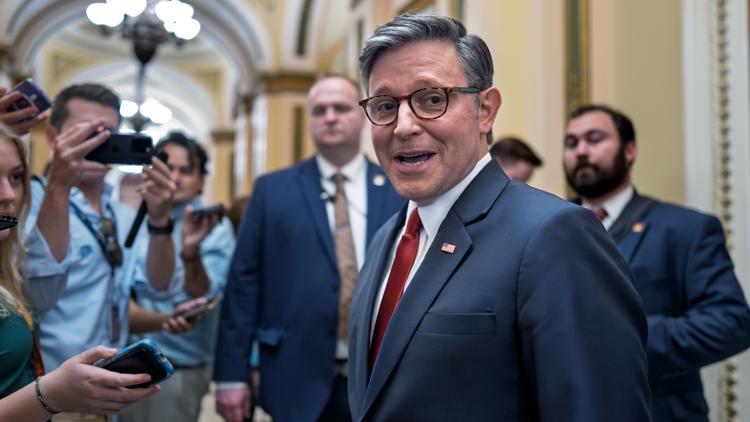
 Image: NewsweekWASHINGTON, DC – JANUARY 23: U.S. Speaker of the House Mike Johnson (R-LA) delivers remarks during the annual March for Life rally on the National Mall on January 23, 2026 in Washington, DC. Anti-abortion activists attended the annual march to mark the anniversary of the Supreme Court’s, now overturned, 1973 Roe v. Wade ruling which legalized abortion in all 50 states. (Photo by Kevin Dietsch/Getty Images) Source Full size
-
Image: NewsweekWASHINGTON, DC – JANUARY 23: U.S. Speaker of the House Mike Johnson (R-LA) delivers remarks during the annual March for Life rally on the National Mall on January 23, 2026 in Washington, DC. Anti-abortion activists attended the annual march to mark the anniversary of the Supreme Court’s, now overturned, 1973 Roe v. Wade ruling which legalized abortion in all 50 states. (Photo by Kevin Dietsch/Getty Images) Source Full size
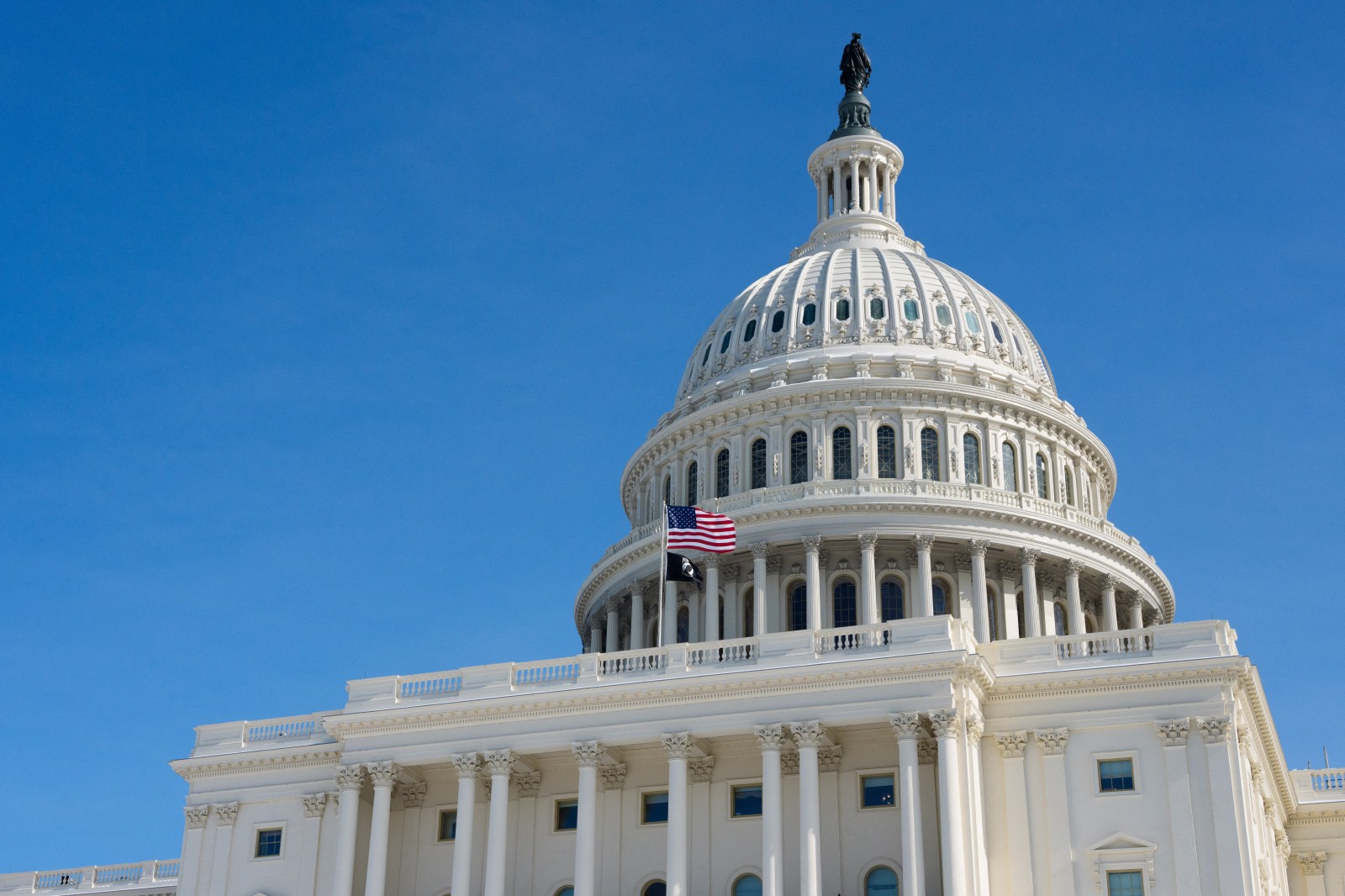

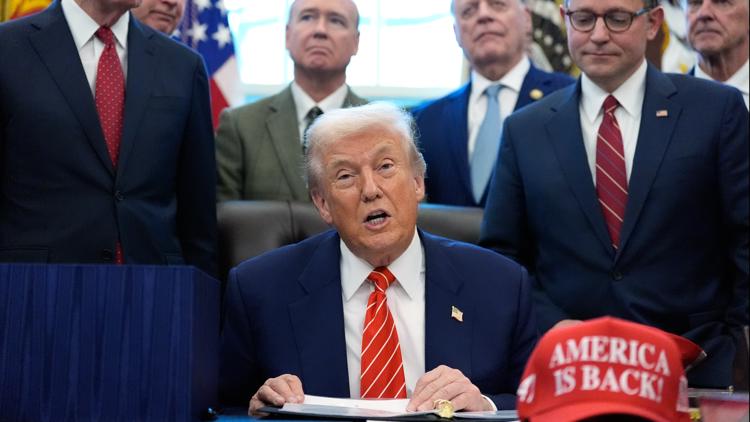
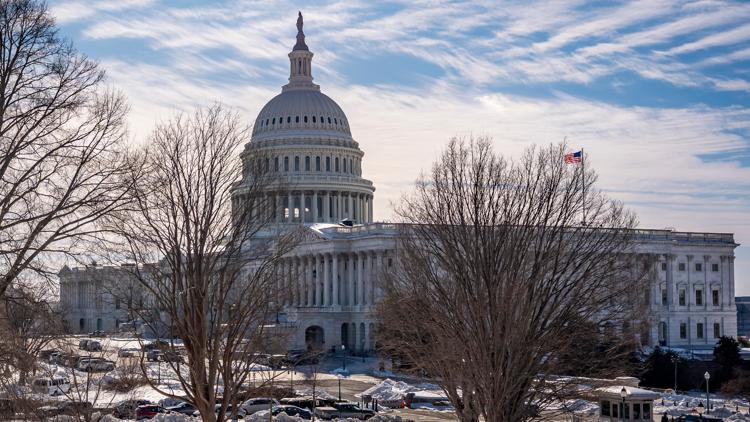
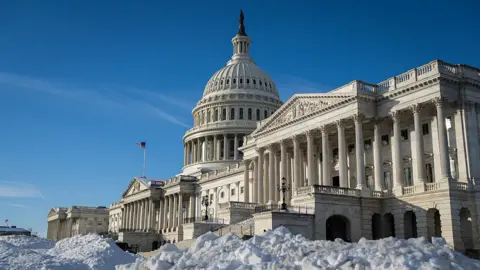

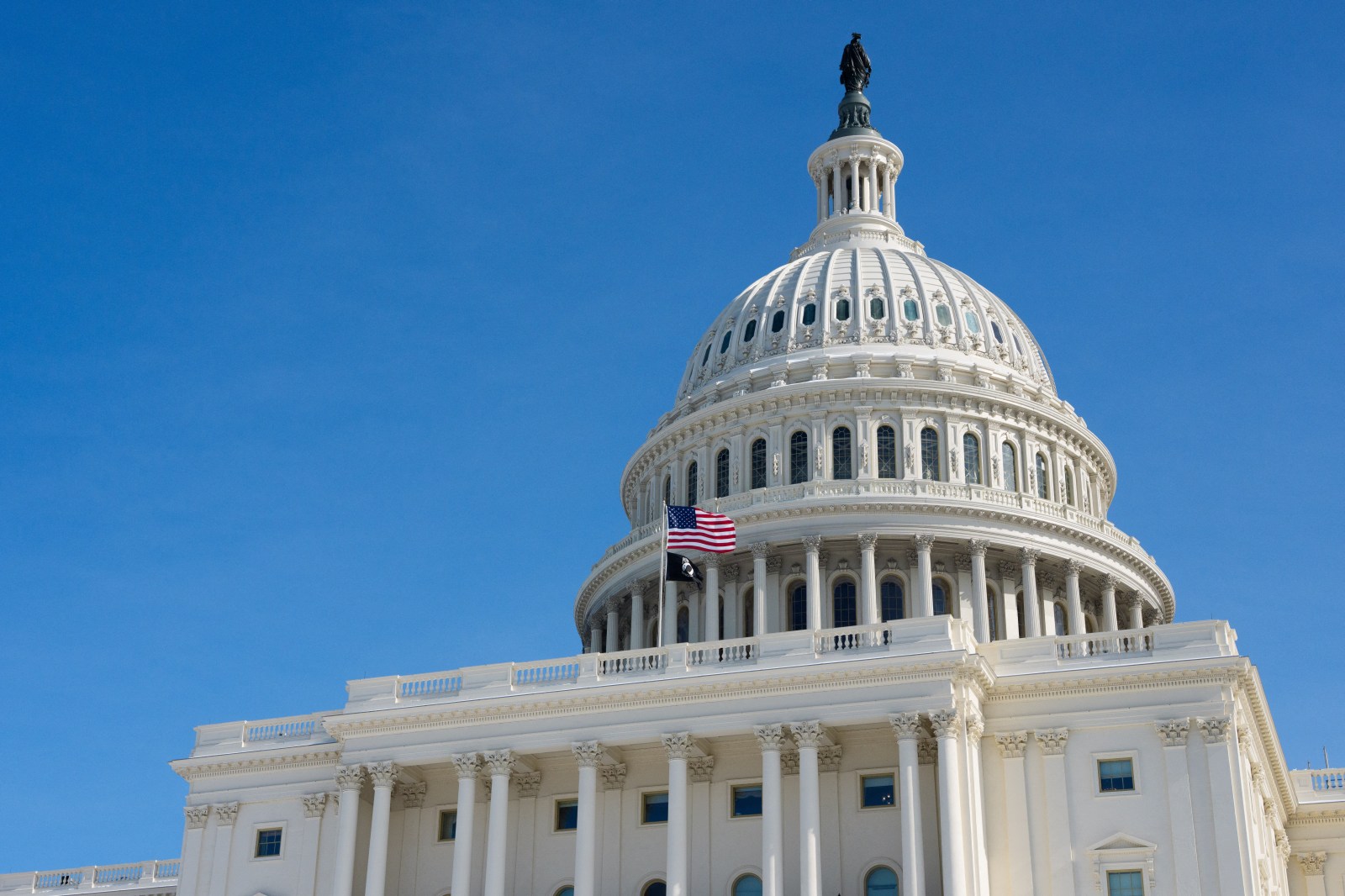
Spending package ends partial shutdown, funds government through September President Donald Trump signed a $1.2 trillion spending bill on Feb 3, ending the four‑day partial shutdown and providing full funding for all federal agencies through Sept 30 while limiting Department of Homeland Security (DHS) appropriations to Feb 13 [2][3][4][5][6][7][8][9][10][11][12][13][14][15][16][17][18][19][20]. The House approved the measure by a narrow 217‑214 vote, with 21 Democrats joining Republicans and 21 Republicans siding with Democrats [3][5][6][8][9][10][14][15]. The Senate passed the companion package 71‑29, separating DHS funding from the main appropriations to give lawmakers time for immigration‑policy negotiations [2][4][11][12][14][16][17][18][19][20]. President Trump urged a “no‑changes” vote and posted on Truth Social that the bill must be sent to his desk without delay [2][7][8][9][10][13][15][16][17][19].
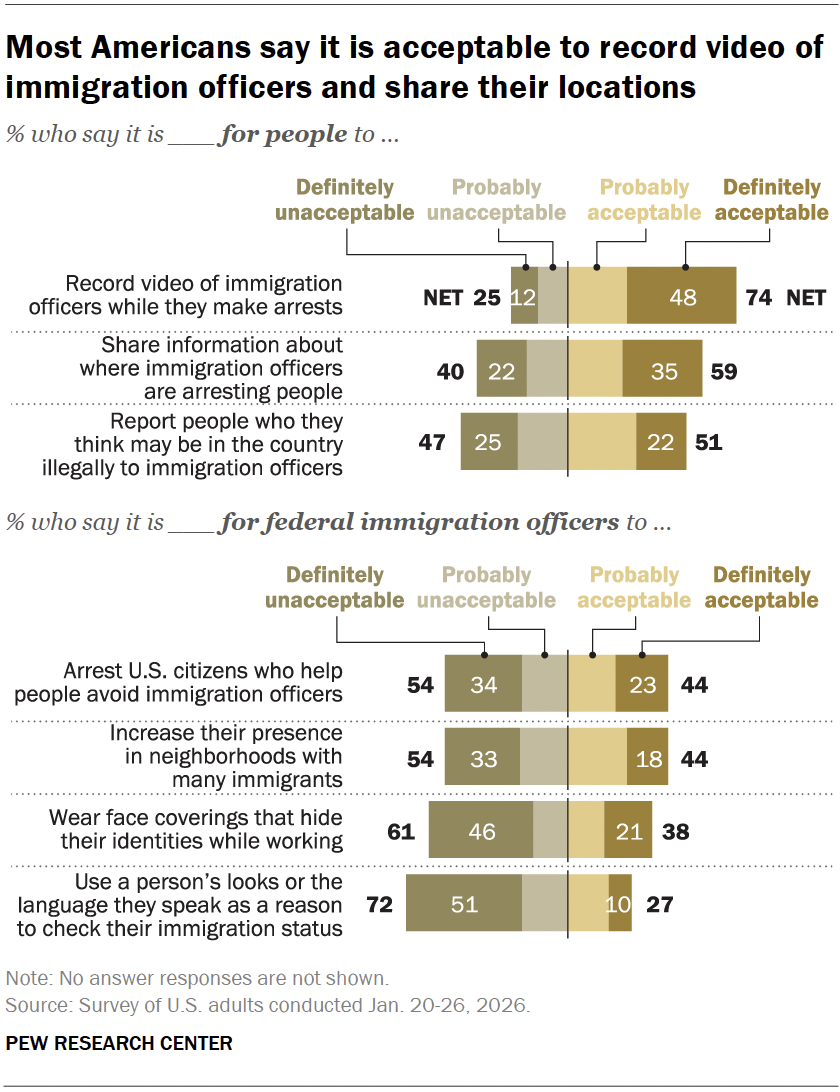
Bipartisan body‑camera compromise emerges amid ICE controversy DHS Secretary Kristi Noem announced that all Homeland Security officers in Minneapolis will receive body‑worn cameras immediately, marking the only bipartisan concession in the negotiations [1][3][4][5][6][7][8][9][10][11][12][13][14][15][16][17][18][19][20]. The $20 million allocation for cameras is included in the spending bill, and Noem signaled plans to expand the program nationwide as funding permits [3][4][5][6][7][8][9][10][11][12][13][14][15][16][17][18][19][20]. Democrats cite the camera rollout as a baseline demand, while Republicans view it as a limited concession that does not address broader ICE reform requests [1][3][4][7][8][9][11][12][13][15][16][17][18][19][20].
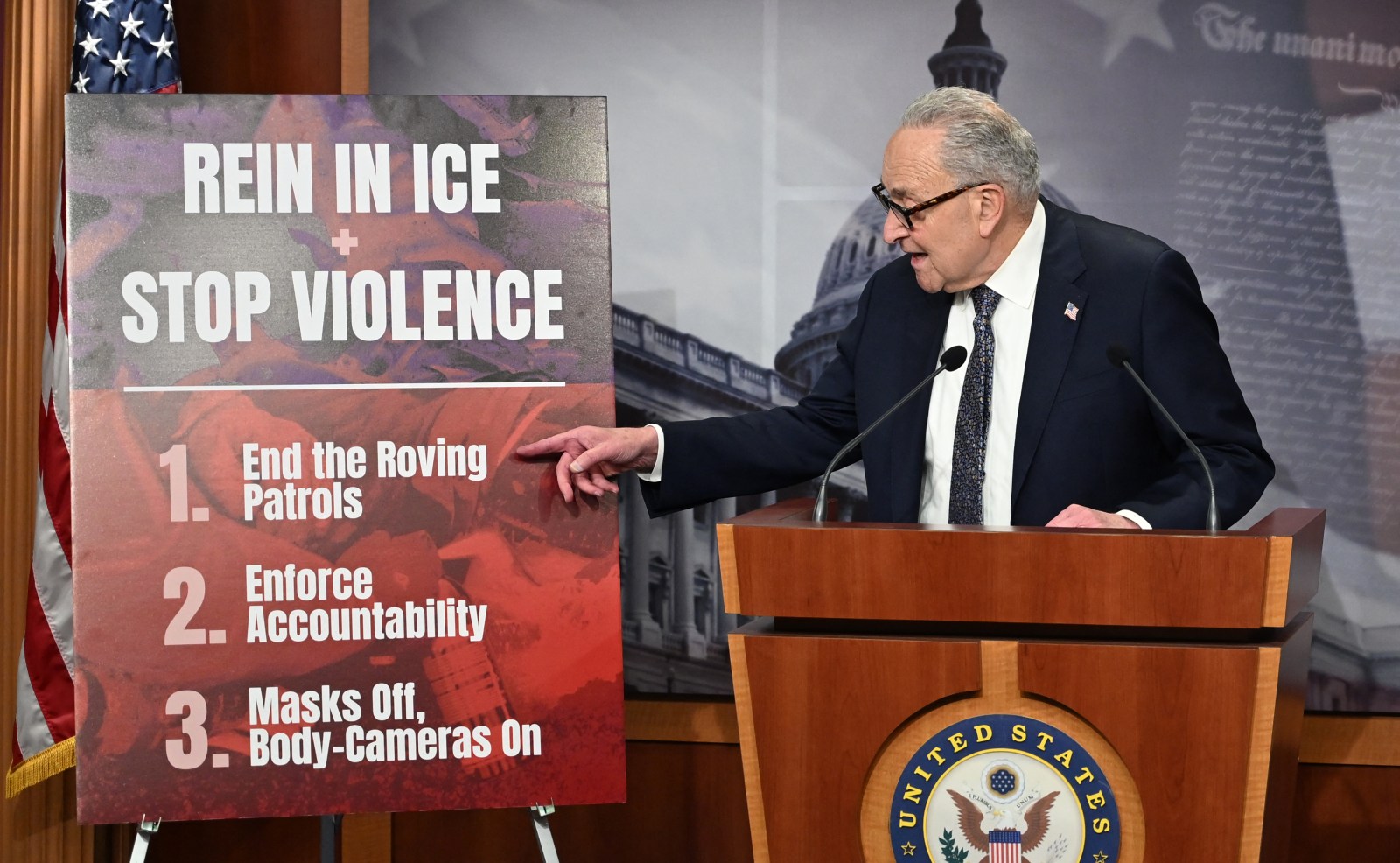
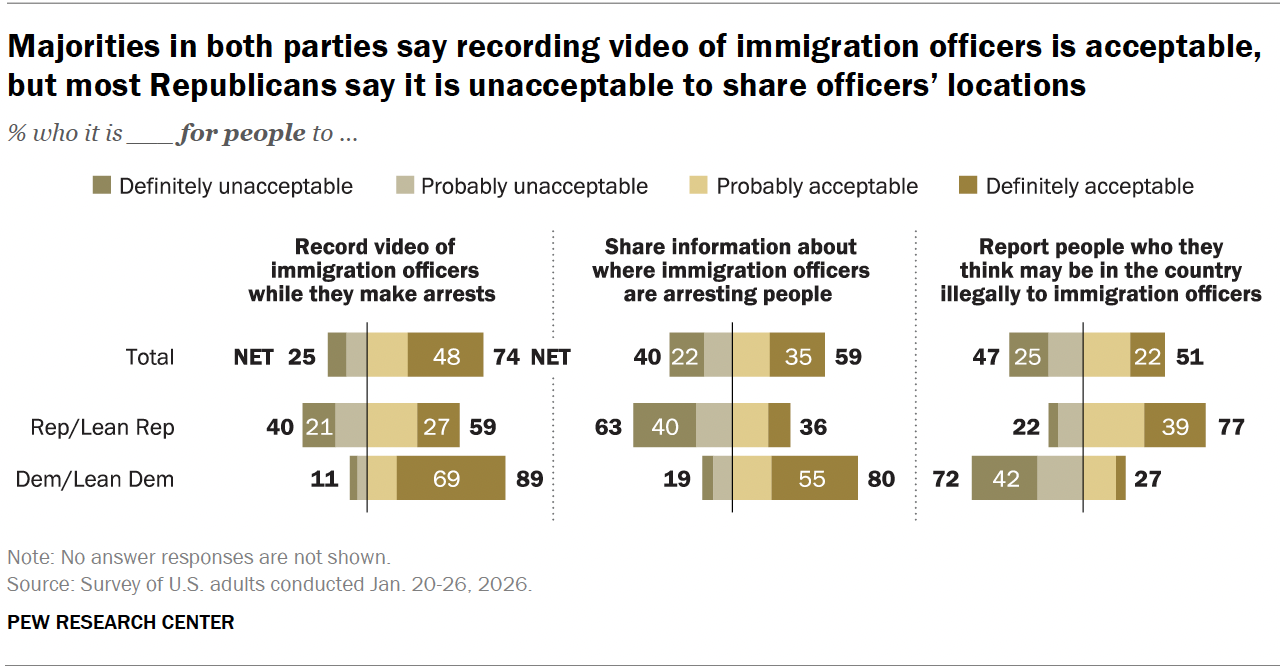
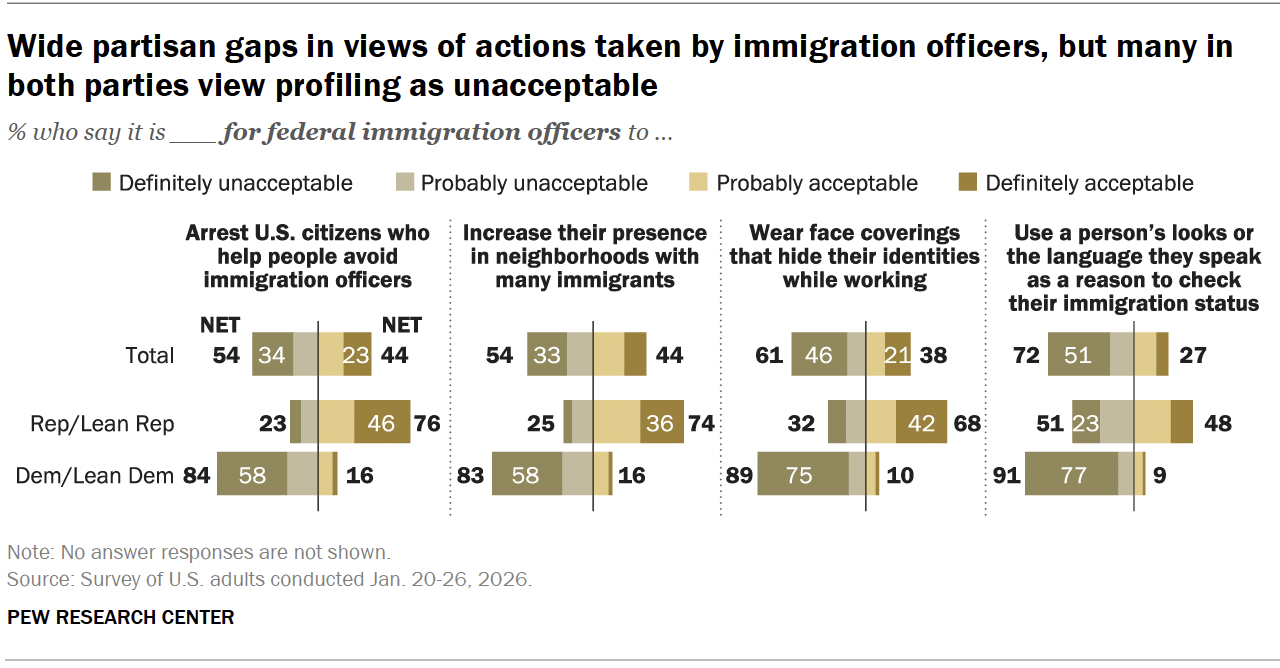
Democrats push sweeping ICE reforms tied to the two‑week DHS stopgap Senate Majority Leader Chuck Schumer and House Democratic Leader Hakeem Jeffries demand that ICE agents be unmasked, carry visible identification, obtain judicial warrants before raids, end “roving patrols,” and submit to independent oversight and a code of conduct [1][3][4][7][8][9][11][12][13][15][16][17][18][19][20]. They also seek a ban on agents wearing masks and mandatory body‑camera use beyond Minneapolis [1][3][4][7][8][9][11][12][13][15][16][17][18][19][20]. The Democratic caucus threatens to withhold any further DHS funding after Feb 13 unless these reforms are enacted, creating a potential second shutdown [2][3][4][5][6][7][8][9][10][11][12][13][15][16][17][18][19][20].
Republican leaders reject most reform demands, doubt deal before deadline Speaker Mike Johnson and Senate Majority Leader John Thune have ruled out Democratic calls for ICE agents to be unmasked or for ending sanctuary cities, emphasizing that such measures are “non‑starter” items [1][2][5][6][8][9][10][13][14][15][18][19]. GOP lawmakers also oppose attaching additional provisions such as the SAVE Act, though some Freedom Caucus members initially pushed for full DHS funding [8][9][10][14]. Both chambers expressed skepticism that a comprehensive ICE‑reform agreement can be reached before the Feb 13 funding cutoff, warning that the shutdown could extend if negotiations stall [1][13][15][16][18][19].
Sources
-
1.
CNN: ICE Reform Talks Falter as DHS Shutdown Deadline Looms: Details the collapse of bipartisan ICE reform talks, the two‑week DHS funding window, and the sole bipartisan body‑camera agreement, while noting Republican resistance and looming shutdown .
-
2.
AP: Trump Signs $1.2 Trillion Spending Bill to End Partial Government Shutdown: Reports Trump’s signing of the bill, the narrow House vote, Democratic ICE reform demands, and Trump’s meeting with Colombian President Petro .
-
3.
Newsweek: Trump Signs $1.2 Trillion Bill Ending Four‑Day Government Shutdown: Highlights the vote split, the Feb 13 DHS deadline, potential ICE funding showdown, and a poll showing Trump’s approval dip .
-
4.
BBC: Trump signs $1.2 tn budget ending shutdown, DHS funding deadline looms: Covers the budget signing, DHS two‑week funding, Democratic ICE and body‑camera reforms, and broader legislative context .
-
5.
WBNS (Columbus, OH): Trump Signs $1.2 Trillion Funding Bill, Ends Partial Shutdown and Sets Up New Immigration Fight: Emphasizes the DHS funding limit, Jeffries’ warning on ICE reforms, and the partisan vote dynamics .
-
6.
King5 (Seattle, WA): Trump signs $1.2 trillion bill, ending partial shutdown and sparking new immigration fight: Mirrors WBNS focus on DHS funding cutoff and Democratic reform conditions .
-
7.
AP: Trump Pushes “No Changes” Funding Deal as Government Reopens, While Immigration, Arts and Rare‑Earth Policies Heat Up: Adds Trump’s “no‑changes” demand, body‑camera rollout, Haitian TPS injunction, Kennedy Center closure, and rare‑earth reserve plan .
-
8.
AP: Trump Pushes House to End Partial Shutdown Amid Immigration Standoff: Highlights Trump’s urgent vote call, Democratic ICE reform block, and internal GOP disputes over the SAVE Act .
-
9.
WBNS (Columbus, OH): Trump urges House to vote quickly to end partial government shutdown: Focuses on Trump’s rapid‑vote plea, Democratic ICE demands, and Senate’s temporary DHS funding .
-
10.
King5 (Seattle, WA): Trump Urges House to Vote Quickly on Funding Amid Partial Shutdown: Similar to WBNS, stressing Trump’s urgency, Democratic ICE conditions, and Republican SAVE Act push .
-
11.
BBC: Partial U.S. Government Shutdown Enters Third Day Amid DHS Funding Dispute: Reports the shutdown’s third day, two‑week DHS stopgap, and Democratic ICE reform ties .
-
12.
Newsweek: Partial Government Shutdown Likely Extends Into Week as Funding Deal Awaits House Approval: Notes the shutdown’s continuation, Senate vote details, and ICE shooting‑driven reform proposals .
-
13.
AP: House Speaker Johnson Says No Quick Vote as Partial Shutdown Persists: Describes Johnson’s delay, Trump‑Senate DHS deal, and Democratic ICE reform demands .
-
14.
Newsweek: Speaker Johnson Says Republicans Will Fund Government as Vote Looms: Highlights Republican funding pledge, Senate’s 71‑29 vote, and Democratic split over ICE .
-
15.
CNN: Federal shutdown likely to linger until Tuesday as House grapples with funding vote: Projects shutdown extension, rule‑vote obstacle, and Democratic ICE reform conditions .
-
16.
AP: Trump Negotiates Quick Deal with Democrats to Avert New Shutdown: Details Trump’s rapid negotiation with Schumer, two‑week DHS extension, and ICE shooting‑driven reform push .
-
17.
Newsweek: U.S. Government Enters Partial Shutdown Over Immigration Funding Dispute: Describes the shutdown’s start, funding gaps, and Minneapolis shootings sparking ICE reform calls .
-
18.
WBNS (Columbus, OH): Senate Approves Funding Bill Amid Push for ICE Restrictions: Covers Senate’s 71‑29 vote, Minneapolis deaths, and Democratic ICE reform demands .
-
19.
King5 (Seattle, WA): Senate approves bipartisan spending bill, sends to House for vote: Mirrors WBNS, emphasizing Senate approval and ICE reform ties .
-
20.
BBC: US Government Partially Shuts Down After Senate Funding Deal: Reports the funding lapse, Trump’s deal after shootings, and Democratic ICE reform agenda .
Primary Data (4)
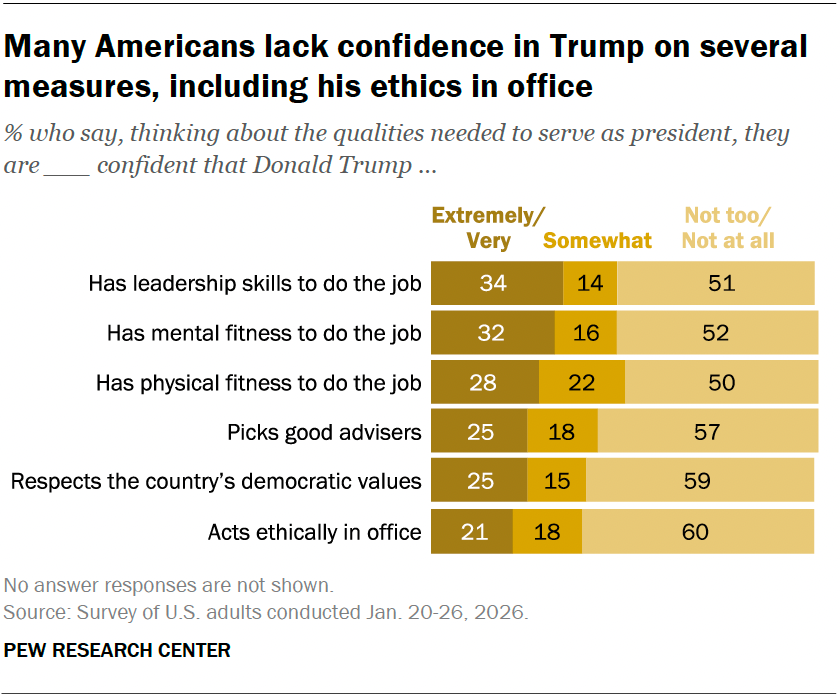
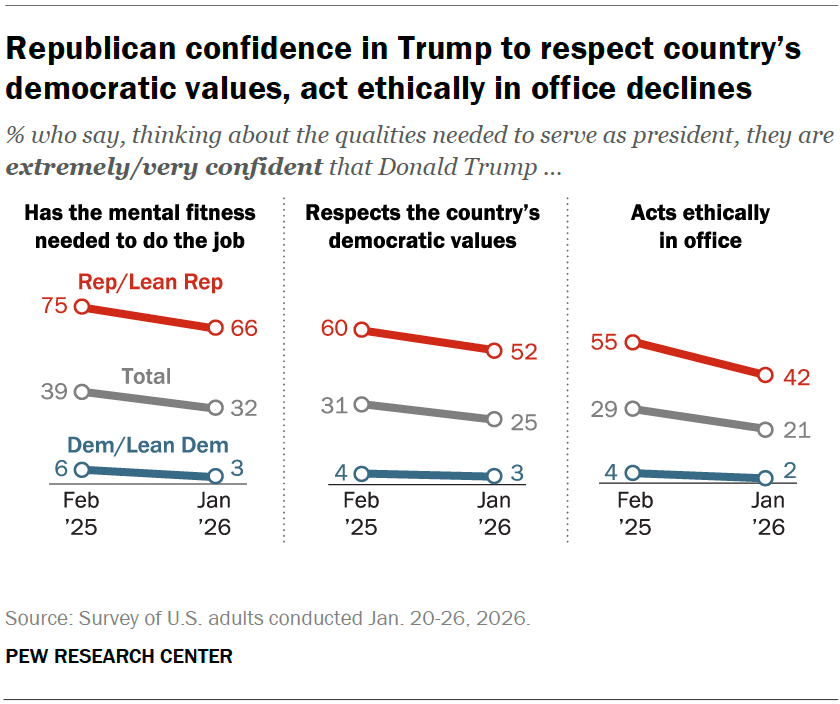
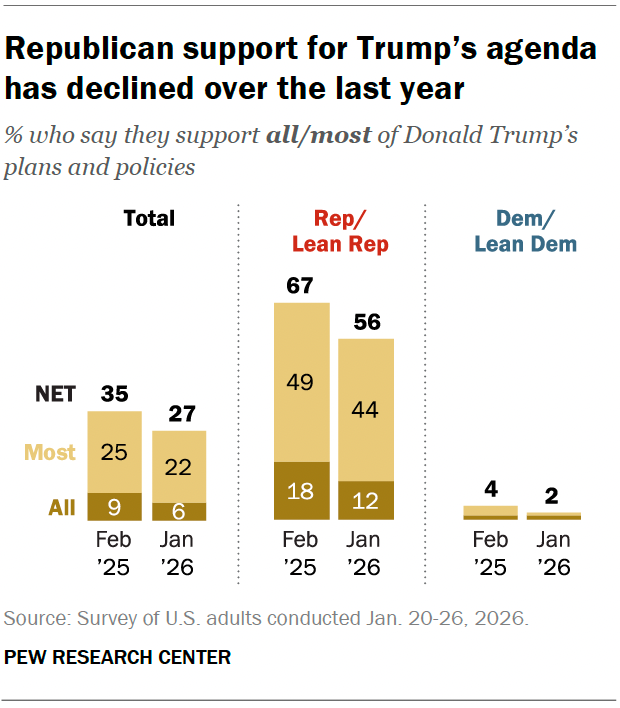
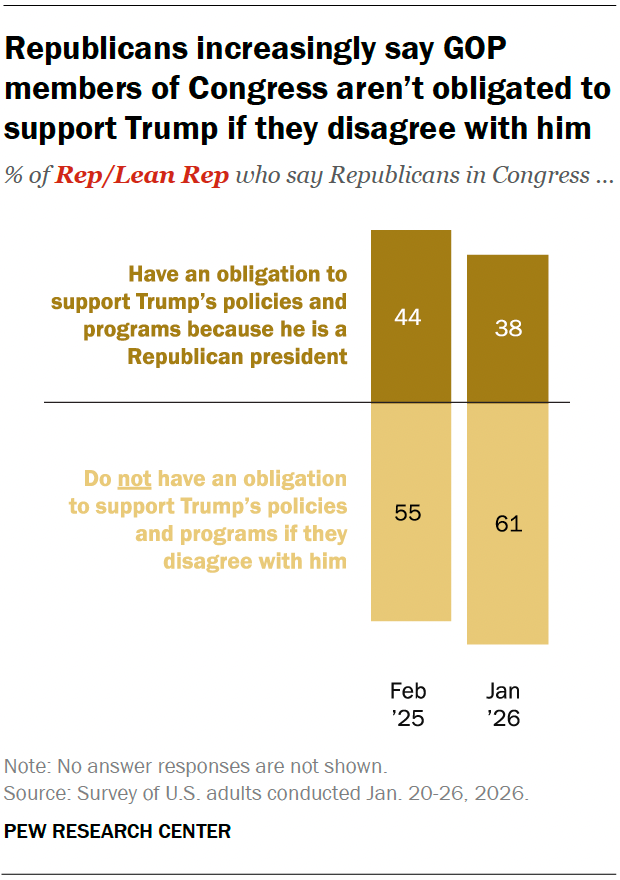
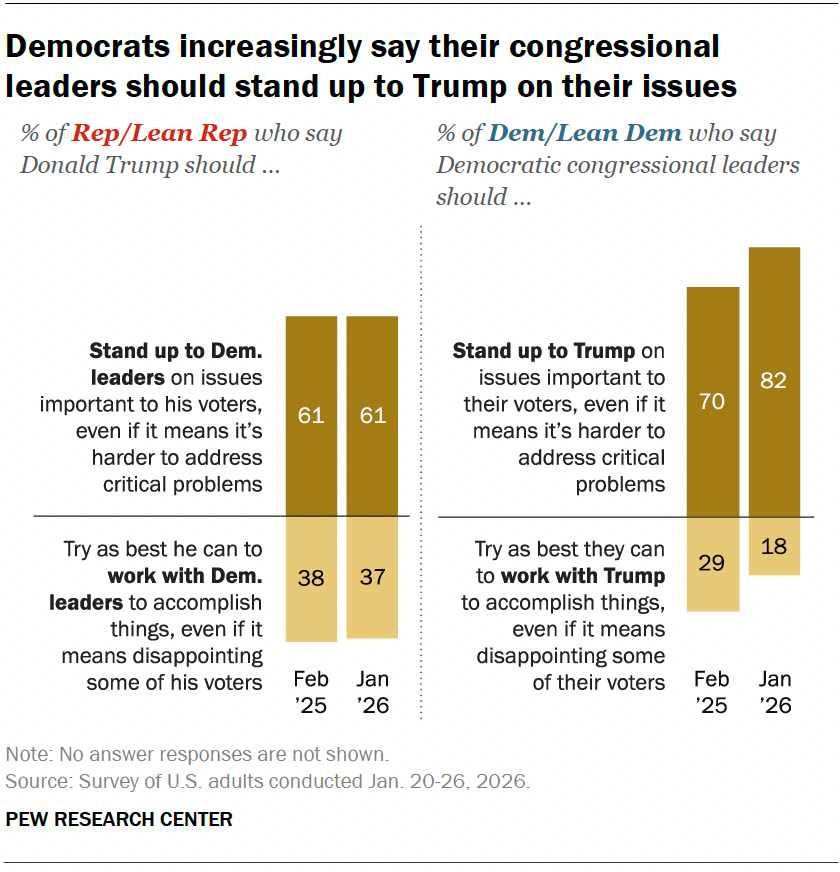
Pew: Confidence in Trump Dips, and Fewer Now Say They Support His Policies and Plans
Published (6 tables/charts)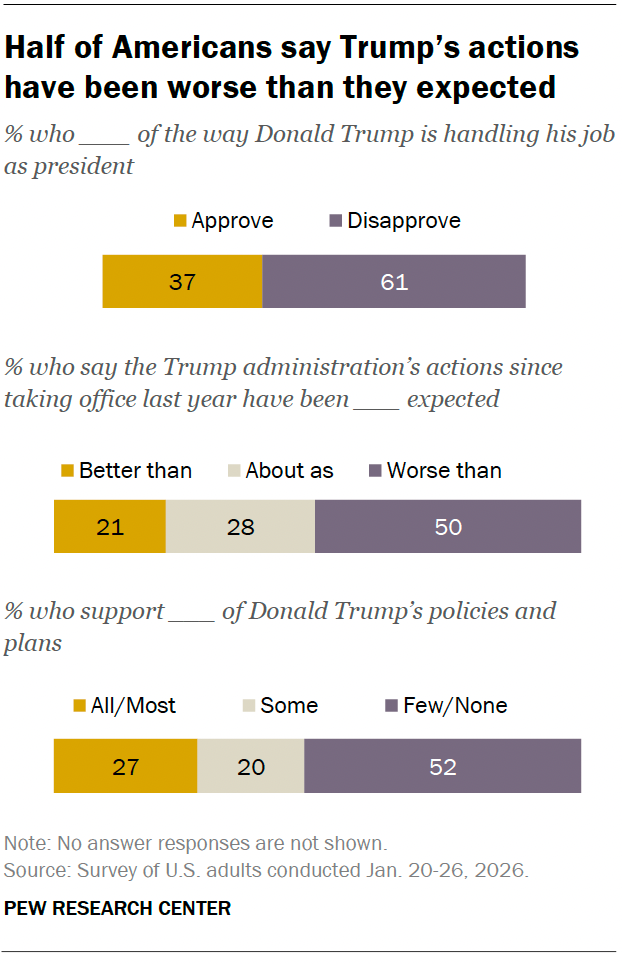
Videos (1)
Timeline
Jan 24, 2026 – Democrats urge the Senate to block DHS funding after the fatal shooting of Alex Pretti in Minneapolis, arguing that ICE must leave the city and that the bill lacks adequate reforms; they cite the earlier killing of Renee Good as evidence of a pattern of violence. [24]
Jan 25, 2026 – Senate Democratic leader Chuck Schumer posts on X that Democrats will vote “no” on any spending package containing DHS money, calling the Minneapolis shooting “appalling” and the bill “woefully inadequate to rein in the abuses of ICE.” [21]
Jan 26, 2026 – Senate Democrats announce they will block the DHS appropriations bill following the Minneapolis shooting, raising the risk of a partial shutdown when funding expires Jan 30; House leaders plan to reconvene to modify the appropriations package. [20]
Jan 26, 2026 – Lawmakers cite the ICU‑nurse shooting as a catalyst for the funding debate, with the House preparing to vote on a revised six‑bill package and Democrats demanding major ICE reforms tied to any DHS funding. [19]
Jan 28, 2026 – Prediction‑market odds of a shutdown climb above 75 % after the Minneapolis ICE shootings; Senate Democrats present a “masks off, body cameras on” list demanding ICE agents wear identification, use warrants, and end roving patrols, while Republicans warn a DHS funding freeze would endanger border security. [17]
Jan 28, 2026 – Democrats push a sweeping ICE overhaul, demanding mandatory body cameras, mask removal, and patrol limits, while the Congressional Hispanic Caucus proposes diverting $75 billion from immigration enforcement, highlighting intra‑party pressure on immigration policy. [18]
Jan 29, 2026 – The White House and Senate intensify talks to split DHS funding from the broader appropriations bill, aiming for a two‑week stopgap that would keep most agencies funded through September while ICE reforms are debated. [16]
Jan 30, 2026 – Senate leaders race to preserve the bipartisan spending deal, agreeing to separate DHS funding for a two‑week extension and inserting Democratic “guardrails” such as mandatory body‑camera funding for ICE agents; Lindsey Graham objects to language he says treats ICE unfairly. [14][13][12]
Jan 30, 2026 – Democrats and the White House finalize a two‑week DHS stopgap, with President Trump praising the bipartisan effort on social media and urging a “much needed Bipartisan ‘YES’ vote.” [29]
Jan 30, 2026 – The Senate passes the $1.2 trillion spending bill 71‑29, funding most agencies through September and providing a two‑week DHS extension, after intense negotiations sparked by the Minneapolis killings; Schumer calls the nation “reaching a breaking point” and demands ICE mask bans and body‑camera use. [26][27][12]
Jan 31, 2026 – The funding lapse begins at midnight Saturday as the Senate’s bill funds all agencies except DHS, which receives only a two‑week allocation; the White House orders agencies to prepare shutdown plans, noting the 2025 43‑day shutdown as a cautionary precedent. [3]
Feb 1, 2026 – House Speaker Mike Johnson tells Meet the Press that Republicans will back the funding bill to keep the government open, while the Senate’s 71‑29 package awaits House action and President Trump urges a bipartisan “YES” vote to avoid a shutdown. [11]
Feb 2, 2026 – The partial shutdown enters its third day as the Senate’s two‑week DHS stopgap remains in place; Democrats continue to demand ICE reforms such as mandatory body cameras and mask bans, linking them to any further DHS funding. [2]
Feb 3, 2026 – President Trump signs the $1.2 trillion budget, ending the partial shutdown; the bill funds DHS only through Feb 13, a compromise tied to the Minneapolis shootings, and Trump warns there can be “no changes” to the legislation. [1][6][7][8][9][10]
Feb 4, 2026 – ICE reform talks stall as DHS funding expires in two weeks, raising the prospect of a shutdown that could halt airport security and Coast Guard operations; DHS Secretary Kristi Noem announces mandatory body‑camera deployment for all Homeland Security officers in Minneapolis. [5]
Feb 2026 (future) – The Kennedy Center is slated to close for two years starting July 4 for renovations, and the administration launches “Project Vault,” a $12 billion rare‑earth mineral stockpile aimed at reducing reliance on China. [7]
2025 (historical) – The previous government shutdown, lasting 43 days from October 1 to November 14, 2025, becomes the longest in U.S. history, costing $11 billion in GDP and furloughing 900,000 workers, providing a backdrop for lawmakers’ urgency to avoid a repeat. [3][4]
Dive deeper (33 sub-stories)
-
CNN: ICE Reform Talks Falter as DHS Shutdown Deadline Looms
-
AP: Trump Signs $1.2 Trillion Spending Bill to End Partial Government Shutdown
-
Newsweek: Trump Signs $1.2 Trillion Bill Ending Four‑Day Government Shutdown
-
BBC: Trump signs $1.2 tn budget ending shutdown, DHS funding deadline looms
-
Trump Signs $1.2 Trillion Funding Bill, Ends Partial Shutdown, Limits DHS Funding
(2 articles)
-
AP: Trump Pushes “No Changes” Funding Deal as Government Reopens, While Immigration, Arts and Rare‑Earth Policies Heat Up
-
Trump Demands Immediate House Vote as Partial Shutdown Persists, ICE Reform Standoff Deepens
(2 articles)
-
Trump Pushes Immediate House Vote While Senate Funding Temporarily Restores DHS Amid ICE Standoff
(2 articles)
-
Partial U.S. Government Shutdown Enters Third Day as Senate Passes DHS Stopgap
(2 articles)
-
Partial Federal Shutdown Likely Extends Into Week as House Deliberates DHS Funding Bill
(2 articles)
-
Newsweek: Speaker Johnson Says Republicans Will Fund Government as Vote Looms
-
AP: Trump Negotiates Quick Deal with Democrats to Avert New Shutdown
-
Newsweek: U.S. Government Enters Partial Shutdown Over Immigration Funding Dispute
-
Senate Passes $ Funding Bill with ICE Reform Conditions, Sends to House
(3 articles)
-
BBC: US Government Partially Shuts Down After Senate Funding Deal
-
Senate Passes Bipartisan Funding Bill, Splits DHS Money After Protester Deaths
(3 articles)
-
BBC: Trump says Congress reaches bipartisan funding deal, DHS bill removed
-
Newsweek: Trump Warns Against Government Shutdown as Deadline Looms
-
AP: Democrats, White House Agree to Two‑Week DHS Funding Deal to Stave Off Shutdown
-
CNN: Senate Funding Deal Stalls as Lawmakers Block Quick Vote
-
AP: Deal to Fund Homeland Security Averts Partial Shutdown
-
Newsweek: Senate Deal Splits DHS Funding to Avert Shutdown
-
King5 (Seattle, WA): Democrats, White House Reach Two‑Week DHS Funding Deal to Avert Shutdown
-
CNN: White House and Senate Edge Toward Deal to Avert Government Shutdown
-
Shutdown Risk Tops 75% as Senate Deadlock Over ICE Funding Persists
(2 articles)
-
CNN: Democrats Push ICE Overhaul as Shutdown Threat Grows
-
Newsweek: Senate Standoff Over ICE Funding Threatens Partial Shutdown
-
CNN: Lawmakers weigh DHS funding options amid looming shutdown
-
AP: Democrats Block DHS Funding Bill After Minnesota Shooting, Raising Shutdown Risk
-
Schumer Blocks DHS Funding After Minneapolis Shooting, Raising Jan 30 Shutdown Threat
(3 articles)
-
CNN: Senate Democrats Block DHS Funding After Minnesota Shooting, Raising Shutdown Risk
-
Newsweek: Democrats Urge Senate to Block DHS Funding After Second Minneapolis Shooting
-
CNN: Liberal Democrats push for shutdown clash over ICE funding but face resistance in Democratic ranks
All related articles (45 articles)
-
CNN: ICE Reform Talks Falter as DHS Shutdown Deadline Looms
-
AP: Trump Signs $1.2 Trillion Spending Bill to End Partial Government Shutdown
-
Newsweek: Trump Signs $1.2 Trillion Bill Ending Four‑Day Government Shutdown
-
BBC: Trump signs $1.2 tn budget ending shutdown, DHS funding deadline looms
-
WBNS (Columbus, OH): Trump Signs $1.2 Trillion Funding Bill, Ends Partial Shutdown and Sets Up New Immigration Fight
-
King5 (Seattle, WA): Trump signs $1.2 trillion bill, ending partial shutdown and sparking new immigration fight
-
AP: Trump Pushes “No Changes” Funding Deal as Government Reopens, While Immigration, Arts and Rare‑Earth Policies Heat Up
-
AP: Trump Pushes House to End Partial Shutdown Amid Immigration Standoff
-
WBNS (Columbus, OH): Trump urges House to vote quickly to end partial government shutdown
-
King5 (Seattle, WA): Trump Urges House to Vote Quickly on Funding Amid Partial Shutdown
-
BBC: Partial U.S. Government Shutdown Enters Third Day Amid DHS Funding Dispute
-
Newsweek: Partial Government Shutdown Likely Extends Into Week as Funding Deal Awaits House Approval
-
AP: House Speaker Johnson Says No Quick Vote as Partial Shutdown Persists
-
Newsweek: Speaker Johnson Says Republicans Will Fund Government as Vote Looms
-
CNN: Federal shutdown likely to linger until Tuesday as House grapples with funding vote
-
AP: Trump Negotiates Quick Deal with Democrats to Avert New Shutdown
-
Newsweek: U.S. Government Enters Partial Shutdown Over Immigration Funding Dispute
-
WBNS (Columbus, OH): Senate Approves Funding Bill Amid Push for ICE Restrictions
-
King5 (Seattle, WA): Senate approves bipartisan spending bill, sends to House for vote
-
BBC: US Government Partially Shuts Down After Senate Funding Deal
-
King5 (Seattle, WA): Senate Approves Trump‑Backed Funding Deal, Sends Bill to House
-
AP: Senate approves bipartisan funding deal amid immigration‑related deaths
-
CNN: Senate Approves DHS Funding Stopgap, Shifting Shutdown Pressure to House
-
BBC: Trump says Congress reaches bipartisan funding deal, DHS bill removed
-
Newsweek: Trump Warns Against Government Shutdown as Deadline Looms
-
AP: Democrats, White House Agree to Two‑Week DHS Funding Deal to Stave Off Shutdown
-
WBNS (Columbus, OH): Senate Leaders Push Bipartisan Funding Deal to Avert Partial Shutdown
-
King5 (Seattle, WA): Senate Leaders Race to Preserve Bipartisan Funding Deal Amid Immigration‑Raid Demands
-
CNN: Senate Funding Deal Stalls as Lawmakers Block Quick Vote
-
AP: Deal to Fund Homeland Security Averts Partial Shutdown
-
Newsweek: Senate Deal Splits DHS Funding to Avert Shutdown
-
King5 (Seattle, WA): Democrats, White House Reach Two‑Week DHS Funding Deal to Avert Shutdown
-
CNN: White House and Senate Edge Toward Deal to Avert Government Shutdown
-
Newsweek: Shutdown Threat Grows as Senate Standoff Over ICE Funding Intensifies
-
CNN: Democrats Push ICE Overhaul as Shutdown Threat Grows
-
AP: Partial Shutdown Looms as Democrats Push ICE Reforms
-
Newsweek: Senate Standoff Over ICE Funding Threatens Partial Shutdown
-
CNN: Lawmakers weigh DHS funding options amid looming shutdown
-
AP: Democrats Block DHS Funding Bill After Minnesota Shooting, Raising Shutdown Risk
-
Newsweek: Schumer Threatens DHS Funding Block, Raising Shutdown Odds After Minneapolis Shooting
-
WBNS (Columbus, OH): Senate Democrats Threaten DHS Funding Block After Minneapolis Shooting
-
King5 (Seattle, WA): Senate Democrats Threaten DHS Funding Block After Minneapolis Shooting, Raising Shutdown Risk
-
CNN: Senate Democrats Block DHS Funding After Minnesota Shooting, Raising Shutdown Risk
-
Newsweek: Democrats Urge Senate to Block DHS Funding After Second Minneapolis Shooting
-
CNN: Liberal Democrats push for shutdown clash over ICE funding but face resistance in Democratic ranks
External resources (32 links)
- https://www.youtube.com/watch?v=ChJQJk-DRy0 (cited 5 times)
- https://www.whitehouse.gov/wp-content/uploads/2026/01/M-26-06-Status-of-Agency-Operations.pdf (cited 1 times)
- https://storage.courtlistener.com/recap/gov.uscourts.mnd.230757/gov.uscourts.mnd.230757.9.0.pdf (cited 4 times)
- https://www.pewresearch.org/politics/2026/01/29/confidence-in-trump-dips-and-fewer-now-say-they-support-his-policies-and-plans/?utm_source=AdaptiveMailer&utm_medium=email&utm_campaign=26-01-29%20W185%20Main%20Report&org=982&lvl=100&ite=17283&lea=4831761&ctr=0&par=1&trk=a0DQm00000AFTqLMAX (cited 2 times)
- https://news.gallup.com/poll/652970/economy-immigration-abortion-democracy-driving-voters.aspx (cited 1 times)
- https://www.pewresearch.org/politics/2026/01/29/how-americans-see-immigration-officers-behaviors-and-civilian-actions/ (cited 1 times)
- https://www.pewresearch.org/short-reads/2026/01/29/few-americans-support-trumps-proposed-takeover-of-greenland/ (cited 1 times)
- https://www.foxnews.com/politics/fox-news-poll-donald-trump-starts-2026-44-approval (cited 2 times)
- https://www.nytimes.com/interactive/2026/01/26/polls/times-siena-national-poll-crosstabs.html (cited 2 times)
- https://apnorc.org/ (cited 1 times)
- https://apnorc.org/projects/the-public-is-concerned-about-trumps-policy-priorities/ (cited 1 times)
- https://www.foxnews.com/politics/fox-news-poll-59-voters-say-ice-too-aggressive-up-10-points-since-july.amp (cited 1 times)
- https://www.washingtonpost.com/immigration/2026/01/24/ice-bodycams-cameras-shootings-immigration/ (cited 1 times)
- https://t.co/Kudein7xDD (cited 3 times)
- https://t.co/e8SaId9wSh (cited 3 times)
- https://x.com/CraigCaplan/status/2018766819301962183 (cited 3 times)
- https://x.com/MayorFrey (cited 3 times)
- https://x.com/MayorFrey/status/2016517831538446802/photo/1 (cited 3 times)
- https://x.com/RSprouseNews/status/2016909916594659647/photo/1 (cited 3 times)
- https://x.com/SenAdamSchiff (cited 3 times)
- https://t.co/Ka1PGmkjC8 (cited 1 times)
- https://truthsocial.com/@realDonaldTrump/posts/115444894900287475 (cited 1 times)
- https://truthsocial.com/@realDonaldTrump/posts/115980912926614287 (cited 1 times)
- https://x.com/SenCortezMasto/status/2015171786464272788?s=20 (cited 1 times)
- https://x.com/SenJackyRosen/status/2015172486392857019 (cited 1 times)
- https://x.com/SenSchumer/status/2015211069493350505?s=20 (cited 1 times)
- https://x.com/larry_kudlow/status/2016224613332594894 (cited 1 times)
- https://x.com/senschumer/status/2015211069493350505?s=46&t=qU0z4facBVHBA7cU852O_Q (cited 1 times)
- https://harvardharrispoll.com/wp-content/uploads/2026/02/HHP_Jan2026_KeyResults.pdf (cited 3 times)
- https://legal.un.org/ilc/texts/instruments/english/conventions/9_2_1963.pdf (cited 3 times)
- https://polymarket.com/event/will-there-be-another-us-government-shutdown-by-january-31%5d (cited 1 times)
- https://www.google.com/search?sca_esv=5181a7324ff7032e&sxsrf=ANbL-n76eCXZj5dEDs7I9aa25YJYL5YWCw:1769602006800&q=longest+government+shutdown+in+history+newsweek+kate+plummer&tbm=nws&source=lnms&fbs=ADc_l-aN0CWEZBOHjofHoaMMDiKp0UJuhqwKhR0QUhF54-6jIZ4fQLFxpd-X3cjBjwn-bveyDdFq6p_1Ihh_Ql-GGwzDrx965YmoBHPdZqjpk_wLciuzfT0zYEETKYhT-v-68s2N0siSQUn0ek-SfpaLnT_O-M8iRVsaKrS90mtY0TqHY3jexZoSSO3OJsTxFW1wBMlOkFsnPBTNlYaGdXa7SLEmkCVeaA&sa=X&ved=2ahUKEwimjYmYma6SAxWLZkEAHR0WMeAQ0pQJegQIGBAB&biw=759&bih=731&dpr=1.25&aic=0 (cited 1 times)