Trump’s Private Envoys Push Gaza Ceasefire, Iran Talks While U.S. Faces Domestic Gridlock
Updated (83 articles)
Freelance peace team leads Trump’s back‑channel diplomacy Real‑estate billionaire Steve Witkoff and former adviser Jared Kushner head a private “peace‑keeping” network that meets Russian, Ukrainian and Iranian officials in Geneva and prepares a Board of Peace session in Washington, operating outside formal State Department channels[1].
Gaza ceasefire holds but remains fragile Their 20‑point plan halted active fighting, secured the release of hostages and prisoners, and attracted a pledged $5 billion for reconstruction, yet Hamas has not fully disarmed and recent Israeli airstrikes that killed civilians threaten to unravel the truce[1].
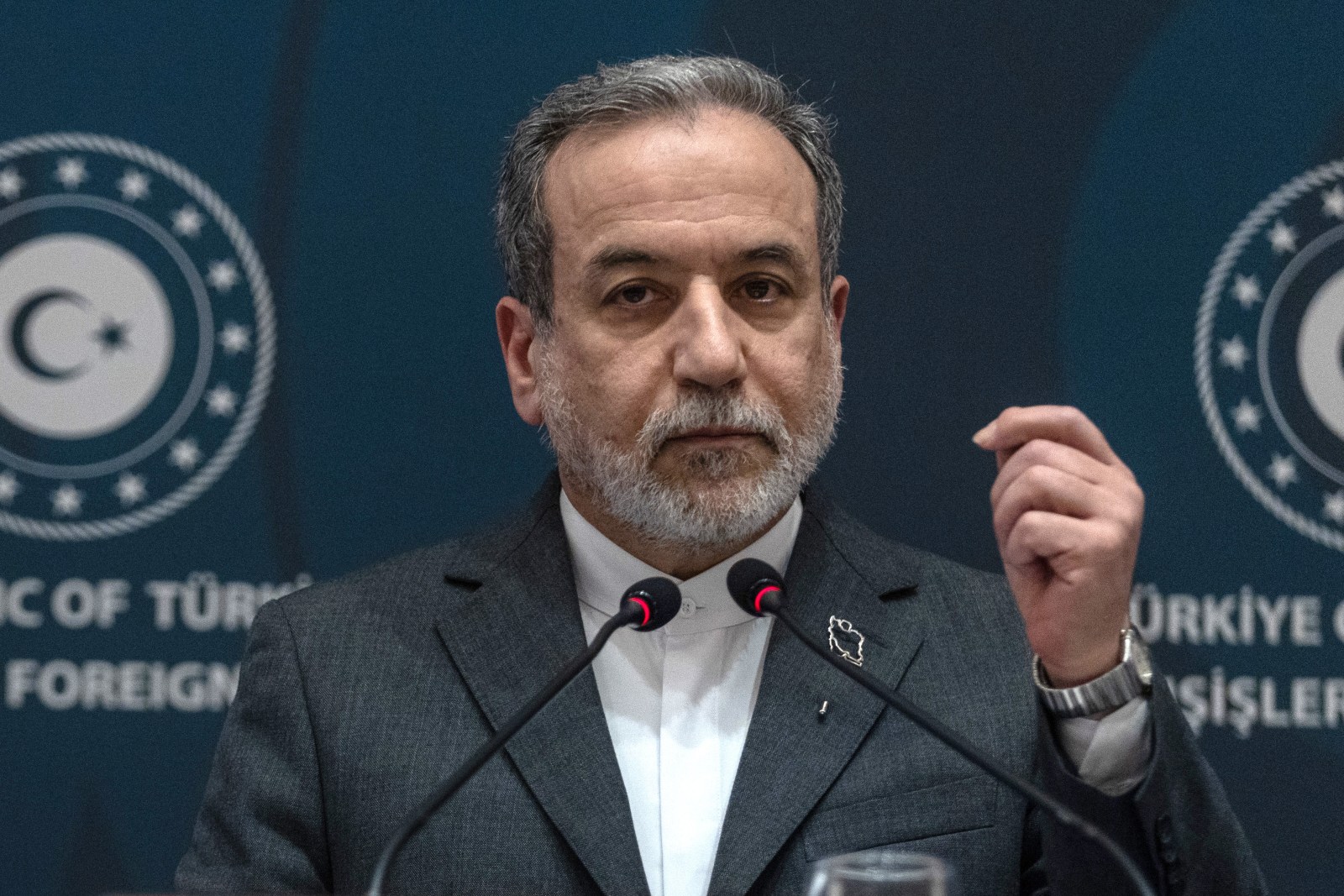
Iran talks achieve vague guiding principles amid red‑line disputes In Geneva, Iran’s foreign minister Abbas Araghchi and U.S. envoys agreed on a framework of “guiding principles,” but Tehran rejected key U.S. demands and has not acknowledged U.S. red lines, while Vice President JD Vance said the talks “went well” in parts[1][2]. Simultaneously Iran temporarily closed part of the Strait of Hormuz for IRGC drills, and the U.S. carrier USS Gerald R. Ford moved toward the mid‑Atlantic, delaying its Gulf arrival[3][4].
Ukraine‑Russia negotiations confront Moscow’s intentions Witkoff and Kushner joined Russian and Ukrainian negotiators, focusing on practical mechanisms; Kyiv’s lead negotiator Rustem Umerov said talks would continue, while Kyiv mayor Vitaliy Klitschko reported over 1,000 residential buildings without heat after Russian attacks on a power plant[1][2].
U.S. domestic gridlock hampers broader agenda The Department of Homeland Security remains partially shut down after the White House rejected a Democratic counteroffer on immigration enforcement, and polling shows a majority of American adults oppose a new war with Iran, adding pressure on Trump’s diplomatic push[1][2].
Sources
-
1.
CNN: Trump’s private envoys wrestle with Gaza, Iran and Ukraine – Details the freelance peace team’s composition, the precarious Gaza ceasefire, Iran’s partial progress, Ukraine talks, and domestic U.S. opposition to another Iran war.
-
2.
CNN: Geneva Talks Yield Mixed Progress on Iran, Ukraine and U.S. Domestic Gridlock – Highlights the “guiding principles” framework with Iran, practical focus in Ukraine talks, DHS shutdown, and Iran’s Strait of Hormuz drill.
-
3.
AP: Iran Temporarily Closes Strait of Hormuz Amid Geneva Nuclear Talks – Reports Iran’s brief Hormuz closure for live‑fire drills, optimism expressed by Araghchi, Trump’s affirmation of involvement, and modest oil‑price dip after talks.
-
4.
CNN: Trump’s Diplomacy with Iran Stalls as Geneva Talks End Without Clear Deal – Notes the vague outcome of Geneva talks, Vance’s red‑line comments, Israeli warnings, and continued U.S. naval pressure.
-
5.
Newsweek: Iran Says “General Agreement” Reached With U.S. on Nuclear Talks – Claims Iran achieved a “general agreement,” outlines Iran’s refusal to negotiate missile issues, and describes the heightened military environment surrounding the talks.
-
6.
AP: Iran, U.S. Consider Second Nuclear Talks Amid Post‑War Tensions – Describes the prospect of a second negotiation round after the June war, Trump’s escalated naval pressure, and Iran’s halted enrichment with IAEA access still barred.
Primary Data (1)
Quinnipac: 7 Out Of 10 Voters Do Not Want The U.S. To Take Military Action Against Iran For Killing Of Protesters, Quinnipiac University National Poll Finds; 70% Say Presidents Should Seek Congressional Approval Before Taking Military Action Against Another Country
Published (0 tables/charts)Timeline
Dec 22, 2025 – Iran’s foreign ministry declares its ballistic‑missile programme “defensive and non‑negotiable,” insisting the arsenal deters aggression and will not be discussed in any talks, a stance framed by recent June‑2025 war tensions [29].
Dec 24, 2025 – Iran and the United States reaffirm commitment to diplomacy at a UN Security Council meeting, while the IAEA reports over 440 kg of uranium enriched to 60 % and both sides acknowledge a wide gap on the nuclear deal [26].
Dec 27, 2025 – President Masoud Pezeshkian tells the Supreme Leader’s website that Iran is in a “full‑scale war” with the United States, Israel and Europe, warning the conflict is more complex than the 1980‑88 Iran‑Iraq war and foreshadowing the upcoming Netanyahu‑Trump summit [25].
Dec 28, 2025 – Pezeshkian repeats the full‑scale war claim, citing the June 12‑day Iran‑Israel conflict and U.S. strikes on Iranian nuclear sites as evidence of an escalating multilateral confrontation [24].
Dec 28, 2025 – Iran’s president reiterates the war declaration on the Supreme Leader’s site, emphasizing Western attempts to destabilize Tehran ahead of the Netanyahu‑Trump talks [28].
Dec 29, 2025 – Iran’s military vows to crush its enemies after the president’s war proclamation, signaling a hardline alignment between civilian leadership and the armed forces [23].
Jan 2, 2026 – President Trump posts on Truth Social that the United States is “locked and loaded” to intervene if Iranian protesters are killed, while the White House stresses no troop movements have occurred [22].
Jan 3, 2026 – Several U.S. conservatives publicly criticize Trump’s Iran threat, and Iran’s foreign ministry warns Washington it will bear full responsibility for any consequences of U.S. interference [21].
Jan 8, 2026 – Iran tells the United States that recent U.S. statements and actions constitute a campaign of interference, linking the rhetoric to a broader “economic and financial war” that fuels nationwide protests [20].
Jan 9, 2026 – Iran’s UN ambassador accuses President Trump and Israeli Prime Minister Netanyahu of inciting violence in Iran, arguing their rhetoric could turn peaceful demonstrations into violent disorder [19].
Jan 12, 2026 – Trump tells the BBC the U.S. is weighing “very strong options” against Iran as protests enter a third week, and a U.S. official confirms he has been briefed on possible strikes and cyber‑weapons [18].
Jan 12, 2026 – Trump announces a 25 % tariff on any country doing business with Iran, calling the order “final and conclusive,” while the White House says diplomacy remains the first option [30].
Jan 13, 2026 – Trump imposes a 25 % tariff on Iran trade; Iran’s foreign minister says Tehran is ready for war but also signals openness to negotiations after Trump mentions a meeting [17].
Jan 14, 2026 – Yemen’s Ansar Allah warns Trump that any U.S. or Israeli aggression against Iran will bring “dire consequences,” reinforcing the Axis of Resistance narrative [16].
Jan 15, 2026 – Trump threatens “massive” strikes on Iran if it rebuilds its military, while Israeli Prime Minister Netanyahu privately urges the U.S. to launch a maximalist attack, seeing a “golden moment” for regime‑change [14].
Jan 16, 2026 – Egypt, Oman, Saudi Arabia and Qatar privately urge Trump to delay any Iran strike, warning of regional destabilisation and global economic fallout; oil prices dip as the U.S. appears to pause [13].
Jan 20, 2026 – Iran’s military chief warns Trump that any aggression toward Iran will be met with a decisive response, and the U.S. carrier USS Abraham Lincoln moves westward toward the Middle East [12].
Jan 28, 2026 – U.S. Air Forces Central Command conducts multi‑day drills to showcase rapid deployment, while Trump posts “Time is running out” and reiterates demands for a nuclear‑free Iran and an end to protest killings [11].
Jan 30, 2026 – Trump tells Iran it must halt nuclear weapons development and stop killing protesters “by the thousands” or face a “massive Armada,” and he urges Tehran to come to the table for a fair nuclear deal [4].
Jan 30, 2026 – At a White House briefing, Trump claims Iran prefers a deal over war, saying the outcome depends on Tehran’s choices, while Iran’s foreign minister reiterates that missile‑defence systems are off‑limits in negotiations [5].
Jan 31, 2026 – Israeli intelligence chief Shlomi Binder meets U.S. officials in Washington to discuss Iranian strike targets, and former Defence Intelligence officer Danny Citrinowicz reports Netanyahu privately lobbies the U.S. for a regime‑change strike [3].
Feb 2, 2026 – Turkey arranges a meeting between U.S. envoy Steve Witkoff and senior Iranian officials, aiming for a week‑end dialogue, while the carrier USS Abraham Lincoln and destroyers position in the region as a show of force [10].
Feb 2, 2026 – President Masoud Pezeshkian orders the start of nuclear negotiations with the United States, directing officials to prepare a negotiation framework within days [27].
Feb 3, 2026 – Iran signals readiness for U.S. talks only in a “threat‑free” environment, with President Pezeshkian instructing Foreign Minister Abbas Araghchi to pursue negotiations under those conditions; potential Istanbul talks may involve regional foreign ministers [2].
Feb 5, 2026 – Trump warns Iran’s Supreme Leader Ayatollah Khamenei to be “very worried” ahead of Muscat talks, while Iran showcases the long‑range Khorramshahr‑4 missile and threatens swift retaliation to any U.S. strike [9].
Feb 6, 2026 – In Oman, Iranian Foreign Minister Abbas Araghchi calls the mediated talks a “good beginning” focused exclusively on nuclear issues, while the U.S. delegation (Steve Witkoff, Jared Kushner) seeks to raise missile and proxy concerns [1].
Feb 11, 2026 – Iran and the United States consider a second round of nuclear talks after the June war and protest crackdown, with U.S. officials warning of near‑term missile capability despite no weapons program yet [8].
Feb 17, 2026 – Iran temporarily shuts the Strait of Hormuz for live‑fire drills, the first such closure since U.S. threats began, while Geneva negotiations continue and Trump affirms his involvement aboard Air Force One [7].
Feb 18, 2026 – Steve Witkoff and Jared Kushner lead Trump’s private “freelance peace” team in Geneva, securing a tentative Gaza ceasefire and advancing Iran negotiations despite red‑line disputes; Vice President JD Vance says talks “went well” but Iran still rejects key U.S. demands [6].
Dive deeper (16 sub-stories)
-
Trump’s Private Envoys Secure Gaza Truce While Iran Talks Stall and Ukraine Negotiations Press On
(4 articles)
-
Iran Claims General Agreement With United States on Nuclear Talks, Opening Drafting Phase
(22 articles)
-
US‑Iran Indirect Oman Talks Advance Nuclear Dialogue Amid Sanctions and Naval Buildup
(4 articles)
-
Netanyahu Intensifies Private Lobbying for U.S.-Led Regime Change in Iran
(6 articles)
-
BBC: Trump urges Iran to abandon nuclear program and halt protest killings amid US fleet buildup
-
U.S. Carrier Strike Group Arrives as Iran’s Crackdown Fuels Escalation Risk
(24 articles)
-
Trump Signals Possible Iran Strike as US Carrier Group Deploys to Middle East
(4 articles)
-
CNN: Trump weighs strike on Iran as protests flare and oil markets brace
-
Newsweek: California Pistachios Helped Shape Iran’s Economic Struggle Amid Protests and Tariff Threats
-
Trump Announces Immediate 25% Tariff on Iran‑Linked Trade, Raising US Prices and Tensions
(8 articles)
-
Newsweek: Iran pulls out of BRICS naval drill with China and Russia at last minute
-
Newsweek: Germany's Merz says Iran regime near end amid protests
-
Newsweek: Iran vows to crush enemies after president declares war on US
-
Iran Declares Full‑Scale War with United States, Israel, Europe Ahead of Netanyahu‑Trump Meeting
(3 articles)
-
AP: Iran and U.S. reaffirm diplomacy at UN as gap on nuclear deal remains wide
-
The Hindu: Iran says missile programme is defensive and non-negotiable
All related articles (83 articles)
-
CNN: Trump’s private envoys wrestle with Gaza, Iran and Ukraine
-
CNN: Geneva Talks Yield Mixed Progress on Iran, Ukraine and U.S. Domestic Gridlock
-
AP: Iran Temporarily Closes Strait of Hormuz Amid Geneva Nuclear Talks
-
CNN: Trump’s Diplomacy with Iran Stalls as Geneva Talks End Without Clear Deal
-
Newsweek: Iran Says “General Agreement” Reached With U.S. on Nuclear Talks
-
AP: Iran, U.S. Consider Second Nuclear Talks Amid Post‑War Tensions
-
AP: US and Iran Hold Indirect Talks in Oman Amid Military Posturing
-
BBC: Iran‑U.S. Talks in Oman Signal Tentative Nuclear Dialogue
-
CNN: Trump Faces Tough Choices Over Iran Amid Low Approval
-
CNN: Trump warns Iran’s supreme leader of “very worried” stance ahead of Muscat talks
-
AP: Iran‑U.S. Nuclear Talks Set for Friday in Oman Amid Heightened Tensions
-
BBC: Iran Signals Readiness for US Negotiations Amid Heightened Regional Tensions
-
Newsweek: Trump’s Nuclear Pressure Prompts Iran to Seek Talks
-
AP: Turkey Pushes for US‑Iran Talks Amid Rising Tensions
-
The Hindu: Iranian President Orders Nuclear Talks Amid U.S. Military Threats
-
BBC: Israel’s Quiet Push for U.S.‑Led Regime Change in Iran
-
CNN: Trump’s Iran Options Remain Limited Amid Naval Buildup and Regime Weakness
-
CNN: Iran Signals Openness to US Nuclear Talks While Rejecting Dictation and Missile Negotiations
-
BBC: Trump Claims Iran Wants Nuclear Deal as U.S. Buildup Continues
-
BBC: Trump urges Iran to abandon nuclear program and halt protest killings amid US fleet buildup
-
Newsweek: Iranians Brace for Possible U.S. Attack Amid Rising Tensions
-
BBC: Iran’s heightened risk of escalation as US carrier group arrives
-
CNN: Iran’s Options to Respond if Trump Orders a Strike
-
CNN: Trump’s Options After Iran’s Deadly Crackdown
-
CNN: Trump Considers Major New Strike on Iran Amid Stalled Nuclear Talks
-
Newsweek: Iran Threatens Unprecedented Retaliation After Trump Revives Strike Threat
-
BBC: Potential Outcomes if the U.S. Strikes Iran
-
BBC: Trump warns Iran “time is running out” as US forces surge in Gulf
-
CNN: US Air Drills Intensify as Trump Threatens Iran Over Protest Crackdown
-
Newsweek: Iran Says It Has Not Requested Negotiations After Trump Claims Deal Is Possible
-
AP: Iran warns Trump against aggression toward Khamenei as protests intensify
-
Newsweek: Iran warns Trump with threat to set fire to their world
-
Newsweek: Iran warns US of full-scale war after Trump calls for regime change
-
Newsweek: Trump calls for new leadership in Iran after Khamenei criticism
-
CNN: Iran protests fall silent as crackdown persists and diplomacy looms
-
AP: Mideast allies urge Trump to delay Iran strikes amid protests and sanctions
-
Newsweek: US weapons stockpile examined amid potential war with Iran
-
CNN: Trump weighs strike on Iran as protests flare and oil markets brace
-
Newsweek: Iran could retaliate more aggressively if U.S. intervenes, experts warn
-
Newsweek: Trump threatens Iran strikes, Netanyahu sees golden opportunity
-
CNN: Analysts map potential US targets and risks in possible Iran strike
-
CNN: Trump weighs Iran strike as administration weighs retaliation risks
-
Newsweek: California Pistachios Helped Shape Iran’s Economic Struggle Amid Protests and Tariff Threats
-
Newsweek: Yemen’s Ansar Allah warns Trump of dire consequences if U.S. strikes Iran
-
CNN: Trump weighs strikes on Iran as protests intensify and regime weakens
-
AP: Trump's tariffs on Iran could raise prices in the US
-
AP: Trump weighs options as Iran protests intensify with disputed death toll
-
CNN: Trump signals renewed Iran intervention as polls show tepid support
-
CNN: Israel stays quiet as Iran protests expand and Trump decision looms
-
Newsweek: Iran's military assessed against US as Tehran vows retaliation amid Trump threats
-
Newsweek: Iran pulls out of BRICS naval drill with China and Russia at last minute
-
BBC: Trump threatens 25% tariffs on countries trading with Iran amid protests and sanctions
-
Newsweek: Trump weighs military options amid Iran crackdown
-
BBC: Trump briefed on covert and military options for Iran as tariffs and protests rise
-
Newsweek: Germany's Merz says Iran regime near end amid protests
-
CNN: Trump imposes 25% tariffs on countries doing business with Iran, potentially hitting China
-
BBC: Trump weighs Iran options as crackdown escalates
-
AP: Trump says Iran wants to talk as protest death toll rises
-
AP: Trump weighs military action on Iran as protests intensify
-
Newsweek: Trump imposes 25% tariff on countries trading with Iran amid protests
-
CNN: Iran says prepared for war but open to talks as protests kill over 500
-
Newsweek: U.S. warns Americans in Iran to evacuate as protests widen and communications fail
-
Yonhap: Trump imposes 25% tariff on any country doing business with Iran, effective immediately
-
BBC: Trump mulls 'very strong' military options as Iran protests enter third week
-
CNN: Trump weighs potential military intervention in Iran
-
AP: Iranian protests intensify; Israel watching closely
-
Newsweek: Iran accuses Trump and Netanyahu of inciting violence as protests grow
-
Newsweek: Iran warns U.S. that Trump-era comments amount to interference as protests spread nationwide
-
Newsweek: Iran’s chief justice vows 'no leniency' as nationwide protests and international warnings escalate
-
Newsweek: Iran fears new US attack as protests grip nation
-
AP: Trump and top Iranian officials exchange threats as Iran protests widen
-
Newsweek: Conservatives Break With Trump Over Iran Threat
-
CNN: Trump warns Iran protesters as troop levels stay unchanged
-
Newsweek: Iran developing chemical and biological warheads for long-range missiles, report says
-
Newsweek: Iran warns of harsh response to any attack after Trump threat
-
AP: Iranian president pledges harsh response to aggression in apparent rebuke to Trump warning
-
Newsweek: Iran vows to crush enemies after president declares war on US
-
Newsweek: Iran says it is in a full-scale war with the US, ready for decisive response
-
The Hindu: Iran's president says country is in full-scale war with West
-
AP: Iran's president says the country is in a full-scale war with the U.S., Israel and Europe ahead of Netanyahu-Trump talks
-
AP: Iran and U.S. reaffirm diplomacy at UN as gap on nuclear deal remains wide
-
The Hindu: Iran says missile programme is defensive and non-negotiable
-
Newsweek: Trump Threatens to Strike Iran if It Re‑starts Nuclear Program Without Deal
External resources (27 links)
- https://www.eia.gov/todayinenergy/detail.php?id=65504 (cited 2 times)
- https://www.eia.gov/international/content/analysis/special_topics/SHIP_Act/SHIP-Act_2025.pdf (cited 1 times)
- https://www.govinfo.gov/app/details/BILLS-119hr6500ih?utm_source=chatgpt.com (cited 1 times)
- https://www.state.gov/releases/office-of-the-spokesperson/2025/09/completion-of-un-sanctions-snapback-on-iran/ (cited 1 times)
- https://www.ipsos.com/sites/default/files/ct/news/documents/2025-06/Reuters%20Ipsos%20U.S.%20Iran%20Survey%20Topline%2006%2023%202025.pdf (cited 2 times)
- https://poll.qu.edu/poll-release?releaseid=3945 (cited 1 times)
- https://edition.cnn.com/2026/02/01/middleeast/iran-diplomat-araghchi-interview-intl (cited 1 times)
- https://www.reuters.com/world/americas/only-33-americans-approve-us-strike-venezuela-reutersipsos-poll-finds-2026-01-05/ (cited 1 times)
- https://www.washingtonpost.com/tablet/2026/01/05/jan-3-4-2026-washington-post-poll-venezuela-military-action/ (cited 1 times)
- https://www.wsj.com/world/middle-east/trump-iran-plans-military-strikes-diplomacy-e74b1d8b?gaa_at=eafs&gaa_n=AWEtsqdJfEYDIe3lwSiUHlXn3dyoNSJ4qTQnZl3xJNgESstSNdxRaD5DhJfGkWIb4zk%3D&gaa_ts=6965b0ee&gaa_sig=wLcgNuJ3sWWgOdrRo-koH9FVycVNOMNVTy9IQNcas6epsGp5pqEDCmKFEp646osxcOfLgu-_jLKkCXTNQEnJAQ%3D%3D (cited 1 times)
- https://x.com/netblocks/status/2010750871274160361?s=46 (cited 6 times)
- https://x.com/newtgingrich/status/2010677659546648616 (cited 3 times)
- https://x.com/YvetteCooperMP/status/2010767038344581389?s=20 (cited 2 times)
- https://x.com/drpezeshkian (cited 2 times)
- https://x.com/metpoliceuk/status/2010039383177461933 (cited 2 times)
- https://x.com/LindseyGrahamSC/status/2007128883359826022?s=20 (cited 1 times)
- https://x.com/MonitorX99800/status/2007867930957226216?s=20 (cited 1 times)
- https://x.com/RepMTG/status/2007129865078927659?s=20 (cited 1 times)
- https://x.com/alishamkhani_ir/status/2016582565390655585?s=20 (cited 1 times)
- https://x.com/drpezeshkian/status/2018551558959710505?s=20 (cited 1 times)
- https://x.com/khamenei_ir/status/2007450336743588191 (cited 1 times)
- https://x.com/khamenei_ir/status/2012563061828399158 (cited 1 times)
- https://outrider.org/ (cited 3 times)
- https://www.carnegie.org/ (cited 3 times)
- https://globalaffairs.org/research/public-opinion-survey/slight-boost-american-support-active-us-role-world (cited 1 times)
- https://www.bing.com/ck/a?!&&p=302e892761936c6d391ff9b80cbb4cf3e55326a7a8dbaf2ac23ca6e3831d2c8aJmltdHM9MTc2ODM0ODgwMA&ptn=3&ver=2&hsh=4&fclid=24c05a7b-dba0-6e8d-1f70-4e79da6b6f70&psq=Al+Udeid+Air+Base+in+Qatar+Newsweek+June+23&u=a1aHR0cHM6Ly93d3cubmV3c3dlZWsuY29tL2lyYW4tdHJ1bXAtc3RyaWtlcy1hbC11ZGVpZC1haXItYmFzZS1xYXRhci0xMTM1NzA0NQ (cited 1 times)
- https://www.opec.org/assets/assetdb/asb-2025.pdf (cited 1 times)