Trump Issues 10‑15‑Day Deal Deadline as U.S. Buildup Peaks Near Iran
Updated (110 articles)
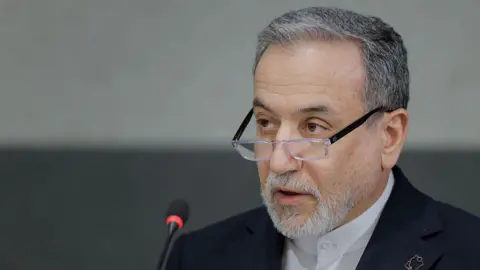
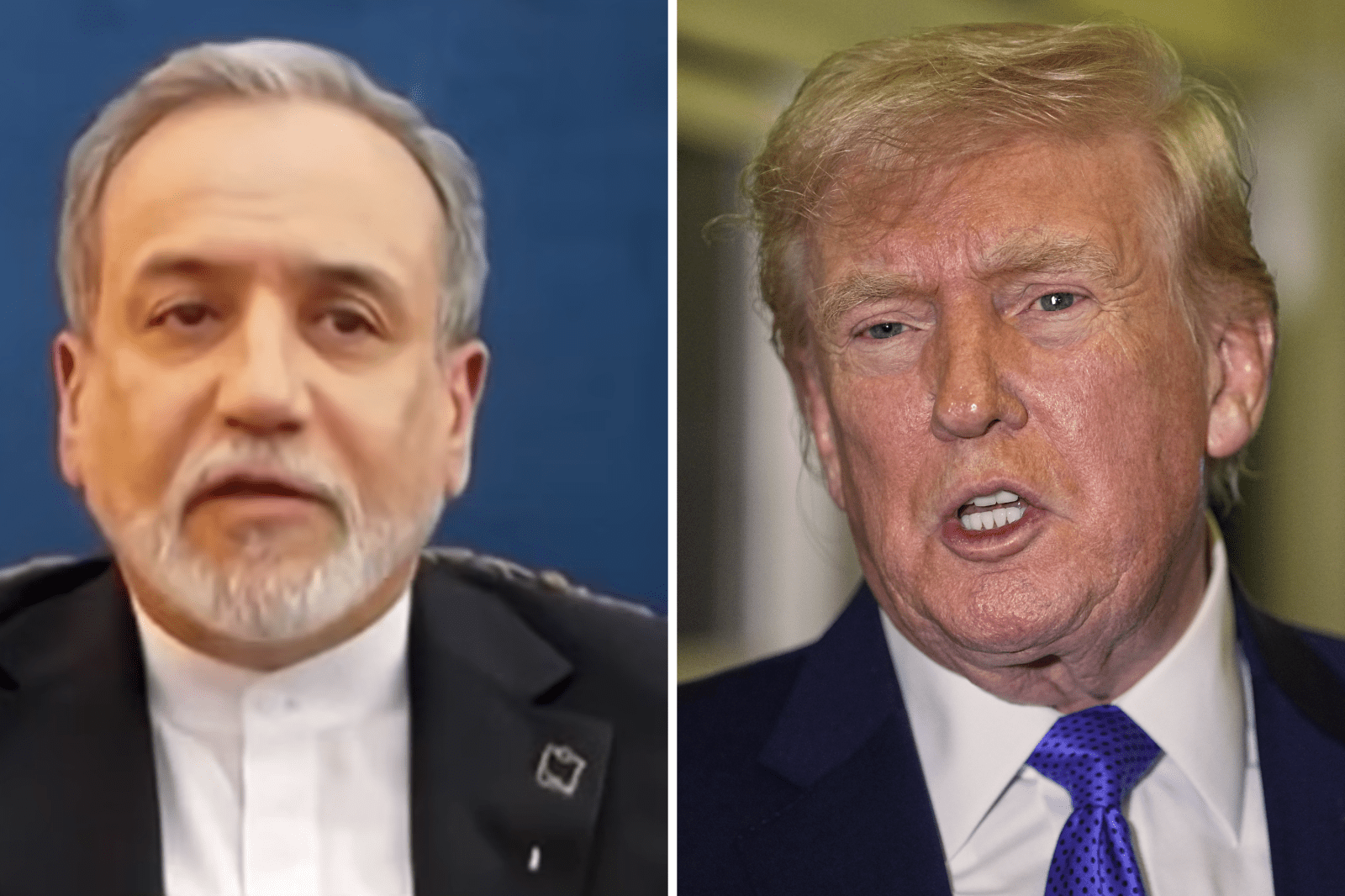
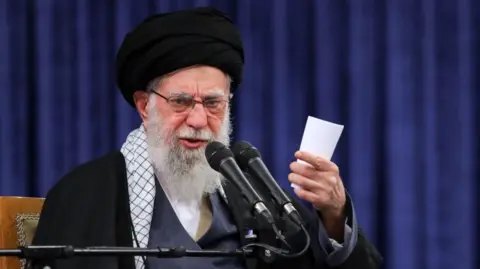
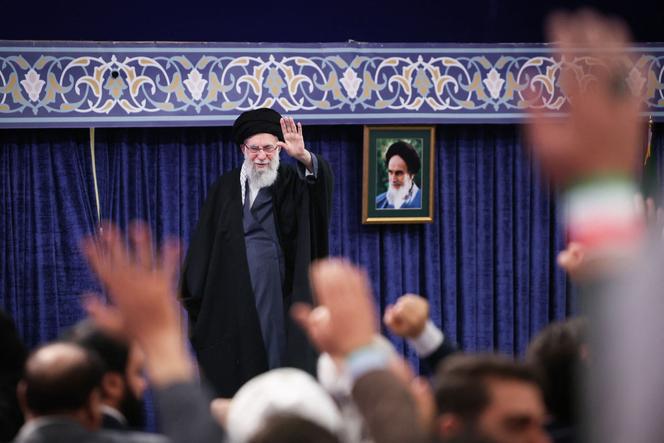
Trump Sets 10‑15‑Day Deadline While Iran Prepares Draft Deal President Donald Trump told reporters on Feb 20‑21 that the United States will decide within “10‑15 days, pretty much maximum” whether to launch a limited strike, warning Tehran of “bad things” if a deal is not reached [6][8][7][4][13]. Iranian Foreign Minister Abbas Araghchi announced on MSNOW’s “Morning Joe” that a draft nuclear agreement would be ready in the next two to three days, with “real, serious negotiations” possible within a week [4][7][8][6]. Trump’s timeline echoes earlier deadlines he set in 2025, linking diplomatic pressure to a potential military option [6][13][18]. Both sides publicly claim readiness for war and peace, heightening the risk of miscalculation [2][5][11]. The ultimatum follows a “principle agreement” reached at Geneva on Feb 17, though negotiators remain divided on enrichment limits [3][10][14].
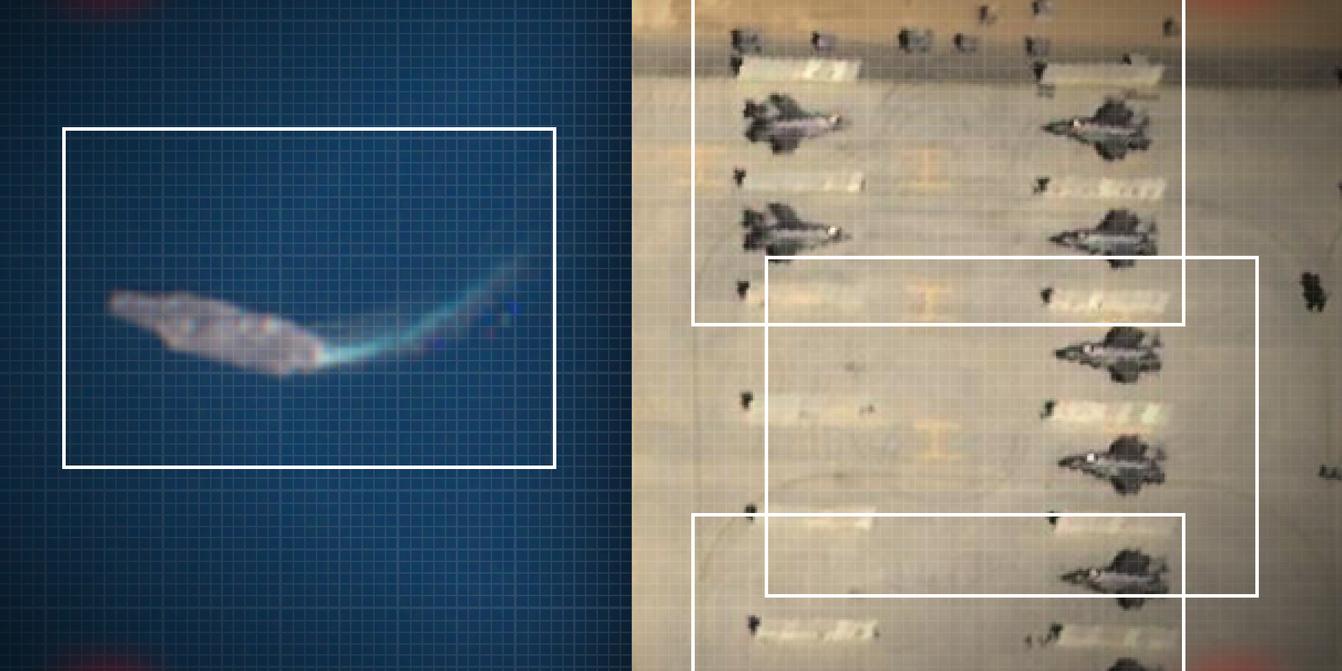
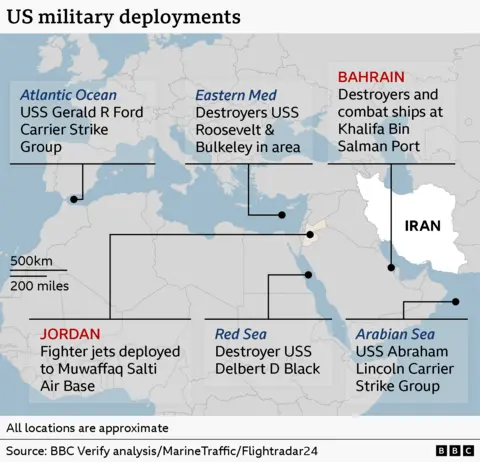
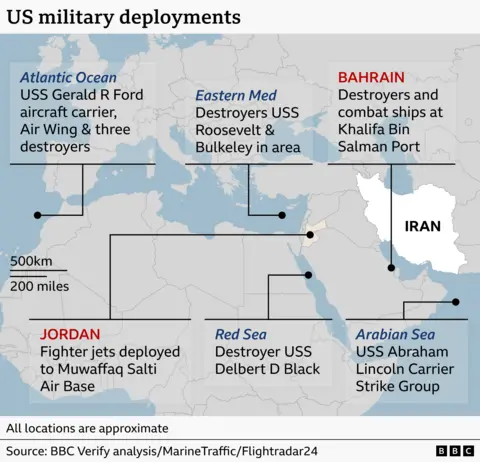
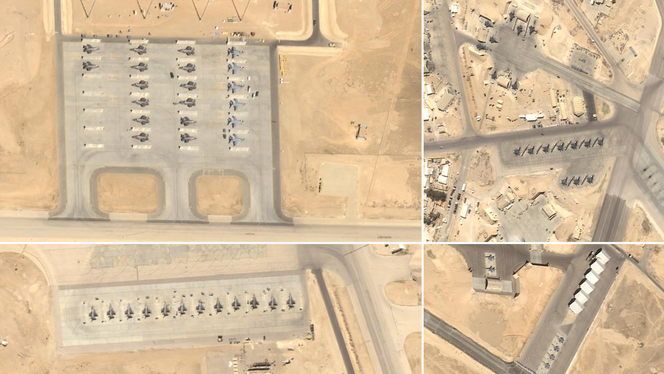
U.S. Deploys Largest Middle‑East Buildup Since 2003 The Pentagon moved the world’s largest carrier, USS Gerald R. Ford, and the carrier USS Abraham Lincoln, together with destroyers, F‑35, F‑22, F‑15, F‑16 fighters and dozens of support aircraft, to the eastern Mediterranean and Arabian Sea [15][9][13][14][3]. Satellite imagery showed 30 combat jets at Jordan’s Muwaffaq Salti base on Feb 18, rising to 59 by Feb 20, while Prince Sultan Air Base in Saudi Arabia received multiple E‑3 Sentries and refueling tankers [3][9]. Over 10,700 service members now operate from the two carrier groups, marking the biggest U.S. presence in West Asia since the 2003 Iraq invasion [15][14][19]. Regional monarchies host the fleet but express reservations about Washington’s war‑like posture [3][11]. Despite the scale, ground forces remain limited, reflecting a focus on air‑and‑naval power [3][15].
Iran Reinforces Nuclear Facilities and Shows Missile‑Drone Readiness Tehran has buried key structures at several nuclear sites under concrete and soil piles, a defensive measure observed via satellite after the U.S. buildup [9][5]. Iranian officials report that missile and drone inventories—including Shahed suicide drones and more than 20 ballistic missile types—have been replenished following the June 2025 strikes on Israel [2][5]. IRGC commanders inspected air‑defense zones in Tabriz, Babolsar, Birjand, the Shahid Nezafat naval base and an underground missile facility, signaling last‑minute combat readiness [5]. Iran’s foreign minister warned that any U.S. kinetic action would be met with decisive, proportional retaliation [11][19]. Analysts note that despite the fortifications, most enriched nuclear material remains intact, underscoring the urgency of a diplomatic solution [18][2].
Regional Proxies and Allies Brace for Escalation Iraqi militias (Kataeb Hezbollah, Harakat al‑Nujaba), Lebanon’s Hezbollah and Yemen’s Houthi forces pledged to defend Tehran, with Kataeb commander Abu Hussein al‑Hamidawi urging global loyalists to prepare for all‑out war [2][5][16]. Gulf allies host the expanding U.S. fleet but voice concern over potential spillover, while Israel’s Netanyahu warned of an “unimaginable” response if Iran attacks [16][14][19]. Russia conducted a joint live‑fire naval drill with Iran near the Strait of Hormuz, rehearsing anti‑ship and hijack‑response scenarios [11][14][19]. The United States warned that closing the Strait of Hormuz could trigger a global recession, as Iran retains the capability to disrupt oil and LNG flows [2][10]. Proxy readiness and great‑power drills amplify the risk of a broader regional conflict [5][16].
Domestic Unrest Persists Amid Diplomatic Pressure Iran recorded at least 20 anti‑regime protests across eight provinces on Feb 20, five of them drawing over 1,000 participants, while the regime sentenced at least 26 demonstrators, including a minor, to death [5][20]. The crackdown follows months of severe repression after the June 2025 strikes, fueling nationalist sentiment and influencing Tehran’s external posture [20][5]. Protesters continue to demand political freedoms despite the government’s claim of “war‑or‑peace” readiness [4][5]. International observers note that internal instability may affect Iran’s negotiating leverage in the Geneva talks [14][20]. The convergence of internal dissent, external threats, and diplomatic deadlock creates a volatile environment for the coming weeks [5][14].
Sources
-
1.
Le Monde: Iran: Even Decapitating the Supreme Leader Won’t Topple the Regime: Analyzes U.S. ultimatum, Iran’s lessons from June 2025 strikes, and Trump’s limited‑strike ideas, arguing killing Khamenei won’t end the regime .
-
2.
CNN: Iran’s Retaliation Playbook as Trump Threatens Strike: Details U.S. force buildup, Iran’s missile/drone stockpiles, proxy commitments, and Hormuz disruption risks .
-
3.
Le Monde: U.S. Military Buildup Near Iran Intensifies After Geneva Nuclear Talks: Reports satellite evidence of 30‑then‑59 U.S. combat jets in Jordan and regional allies’ mixed reactions .
-
4.
The Hindu: Trump Mulls Limited Strikes as Iran Says Deal Draft Nears Completion: Highlights Trump’s limited‑strike consideration, Araghchi’s draft‑deal timeline, and disputes over enrichment demands .
-
5.
ISW: Iran’s Nuclear Standoff, Domestic Unrest, and Hezbollah’s Calculus (Feb 20 2026): Notes Trump’s 10‑15‑day deadline, Iran’s military inspections, protest deaths, and Hezbollah’s possible responses .
-
6.
BBC: Trump Mulls Limited Strike on Iran Amid Ongoing Nuclear Talks: Covers Trump’s deadline, Geneva draft, U.S. carrier deployment, and domestic political constraints .
-
7.
King5: Trump warns limited strikes as Iran eyes imminent nuclear deal: Reports Trump’s limited‑strike option, Araghchi’s draft timeline, carrier movement, and congressional pushback .
-
8.
AP: Trump Signals Possible Limited Strikes on Iran as Tehran Nears Draft Deal: Summarizes Trump’s limited‑strike talk, Araghchi’s draft, carrier group transit, and UN‑based retaliation warnings .
-
9.
CNN: US Positions Massive Military Hardware Near Iran as Diplomatic Talks Continue: Details two carrier groups, stealth fighters in Jordan, and Iran’s nuclear site fortifications .
-
10.
Newsweek: Iran’s Foreign Minister Warns Against U.S. Military Action as Trump Sets Nuclear Deal Deadline: Features Araghchi’s “no military solution” claim, Trump’s deadline, and Iran‑Russia rescue drill .
-
11.
The Hindu: Iran warns U.S. bases in region would be “legitimate targets” if attacked: Presents Iran’s UN letter invoking Article 51, threats to U.S. bases, and joint Iran‑Russia naval drill .
-
12.
CNN: Trump Extends Iran Timeline, Launches $10 B Board of Peace, and Pushes Health, UFO and Voting Initiatives: Announces 10‑15‑day window, $10 billion Board of Peace, and unrelated domestic policy moves .
-
13.
BBC: Trump Issues New Iran Ultimatum Amid Growing Military Buildup: Combines diplomatic language with threat of air campaign, notes largest buildup since 2003 .
-
14.
ISW: Trump Sets Ten‑Day Deadline as US Buildup Ramps Up Near Iran: Reports 10‑day deadline, carrier deployment, Iran‑Russia drill, and protest surge .
-
15.
AP: Pentagon Deploys Largest U.S. Naval and Air Force Buildup to Middle East Amid Iran Nuclear Tensions: Details carrier groups, fighter jets, and lack of large ground force .
-
16.
King5: Trump warns of ‘bad things’ if Iran doesn’t make a deal as second US carrier nears Mideast: Highlights carrier movement, 10‑15‑day deadline, UN envoy threat, and allied evacuations .
-
17.
CNN: Trump Extends Iran Decision Timeline, Announces $10 B Board of Peace Funding and Global Commitments: Announces decision window, Board of Peace funding, and Gaza aid .
-
18.
CNN: Trump Mulls Iran Options Amid Largest Middle‑East Buildup in 22 Years: Explores strike options, lack of target list, and IAEA’s material assessment .
-
19.
AP: Trump warns Iran of “bad things” if deal stalls: Reports carrier transit, live‑fire drill with Russia, and allied evacuations .
-
20.
The Hindu: Tehran Reenters Global Geopolitical Spotlight: Provides historical context, Trump’s renewed negotiations, Gulf investors’ stance, and domestic unrest impact .
Related Tickers
Videos (3)
Primary Data (1)
Quinnipac: 7 Out Of 10 Voters Do Not Want The U.S. To Take Military Action Against Iran For Killing Of Protesters, Quinnipiac University National Poll Finds; 70% Say Presidents Should Seek Congressional Approval Before Taking Military Action Against Another Country
Published (30 tables/charts)Timeline
Dec 22, 2025 – Iran’s foreign‑ministry spokesman declares its ballistic‑missile programme “defensive and non‑negotiable,” insisting the arsenal deters aggression and will not be discussed in any deal, a stance shaped by the June 2025 12‑day war that saw Israel and the United States strike Iranian nuclear and missile sites[24].
July 2025 – The United States carries out Operation Midnight Hammer, a limited strike on Iranian nuclear facilities after publicly setting a two‑week deadline, establishing a pattern of using tight timelines to pressure Tehran[1].
June 2025 – U.S. B‑2 bombers launch a coordinated attack on three Iranian nuclear installations, demonstrating the capability to conduct large‑scale strikes while diplomatic talks continue[17].
June 2025 – Israel and the United States conduct a 12‑day war against Iran, targeting nuclear, missile and military sites; Iran later frames its missile programme as purely defensive in response[24][28].
Jan 12, 2026 – President Donald Trump tells reporters that “Iran wants to negotiate,” while Omani officials travel to Tehran to mediate, signaling a brief diplomatic opening amid rising tensions[23].
Jan 13‑15, 2026 – Analysts map potential U.S. strike targets, warning that any new attack must avoid civilian areas to prevent alienating Iranian protestors and to limit political fallout[22].
Jan 15‑16, 2026 – Arab states—including Qatar, Oman, Saudi Arabia and Egypt—press Washington and Tehran to restrain, the United States moves the USS Abraham Lincoln carrier strike group toward the Gulf, and the UN Security Council convenes to call for restraint[21].
Jan 27, 2026 – A billboard in Tehran’s Enghelab Square depicts the USS Abraham Lincoln drenched in blood with the caption “If you sow the wind, you will reap the whirlwind,” while Trump asserts that U.S. ships are positioned “just in case” a conflict erupts[20].
Jan 28, 2026 – Trump posts on Truth Social that a “massive Armada” led by the Abraham Lincoln carrier is heading toward Iran and warns Tehran of “far worse” attacks if it does not accept U.S. terms[19].
Jan 29, 2026 – Iran’s former security council secretary Ali Shamkhani warns on X that any U.S. strike will trigger “immediate, comprehensive, and unprecedented” retaliation against the United States, Israel and their supporters; Trump revives the strike threat and orders the carrier armada to conduct drills[18].
Jan 30, 2026 – The United States surges forces to the Middle East: the USS Abraham Lincoln carrier strike group arrives in the Arabian Sea, THAAD and Patriot batteries deploy to Al Udeid Air Base, and a multiday combat‑power exercise begins, echoing the June 2025 B‑2 operation[17].
Feb 2, 2026 – Turkey seeks to convene U.S. envoy Steve Witkoff with Iranian leaders by week’s end, while the USS Abraham Lincoln and destroyers remain on station; the EU designates the IRGC as a terrorist organization, prompting Tehran to label all EU militaries terrorist[16].
Feb 3, 2026 – Iran signals readiness for U.S. talks if “threat‑free” conditions exist; Trump tells reporters he is “considering” limited strikes and estimates “10‑15 days” for a deal, while potential Istanbul talks are floated amid massive protest deaths[15].
Feb 3‑4, 2026 – Iranian President Masoud Pezeshkian orders “fair and equitable” negotiations; an F‑35C from the USS Abraham Lincoln shoots down an approaching Iranian Shahed‑139 drone in international waters, heightening the risk of direct conflict[14].
Feb 4‑5, 2026 – In an NBC interview, Trump warns Supreme Leader Ayatollah Ali Khamenei of “very hard” retaliation if Tehran proceeds with a new nuclear site; Iran confirms Friday talks in Muscat and the White House shifts the venue from Turkey after Arab pressure, while Secretary of State Marco Rubio stresses that any agreement must also curb Iran’s missile program and regional proxies[30].
Feb 5, 2026 – Iran’s foreign minister Abbas Araghchi announces that the Oman talks will occur on Friday (Feb 7), thanking Muscat for facilitating the meeting and underscoring Tehran’s willingness to negotiate nuclear limits[13].
Feb 6, 2026 – Trump’s approval falls below 40 %; he frames the upcoming Oman talks as Iran’s “last chance” and warns that failure could lead to “bad things,” while the United States prepares a broader agenda that includes missiles, regional influence and human‑rights issues[12].
Feb 6, 2026 – U.S. and Iranian negotiators meet in Muscat, with special envoy Steve Witkoff, Jared Kushner and Araghchi present; the United States presses for a comprehensive package beyond nuclear limits, while Tehran insists talks stay nuclear‑focused[29].
Feb 16, 2026 – Secretary of State Marco Rubio declares Iran “very difficult” to reach a real deal because “radical Shia clerics” make theological decisions; the United States adds a second carrier, the USS Gerald R Ford, to the region, and Iran offers to dilute its 60 % enriched uranium in exchange for sanctions relief[11].
Feb 17, 2026 – Iran claims a “general agreement” has been reached with the United States in Geneva, laying groundwork for a draft deal text, while Supreme Leader Khamenei warns that pre‑determined negotiation outcomes are “wrong and foolish”[10].
Feb 18, 2026 – Iran temporarily closes parts of the Strait of Hormuz, disrupting about 20 % of global oil flow; the United States’ Central Command warns of unsafe behavior near its forces but does not comment on the closure, and Supreme Leader Khamenei threatens a “slap” that could cripple the world’s strongest army[9].
Feb 19, 2026 – Trump tells the world that “over the next, probably, 10 days” it will see whether the United States reaches a nuclear deal with Iran or launches military action; the Board of Peace expands its scope beyond Gaza, and Congress plans a War Powers Act vote, though passage looks unlikely[3].
Feb 19, 2026 – The United States deploys two carrier strike groups—the USS Gerald R Ford heading toward the Mediterranean and the USS Abraham Lincoln positioned off Oman—providing “800‑sortie” daily strike capacity and reinforcing Trump’s ten‑day deadline[4].
Feb 19, 2026 – Washington demands Iran halt uranium enrichment, limit missile ranges, stop backing armed groups and improve human‑rights conditions; Supreme Leader Khamenei weighs a limited war over surrender, while regional analysts warn a U.S. strike could destabilize the Gulf and spark power vacuums[5].
Feb 20, 2026 – Trump says he is “considering a limited military strike on Iran” to force a curtailment of Tehran’s nuclear program, adding that the world will know “within the next, probably, 10 days” whether a deal or action occurs[1].
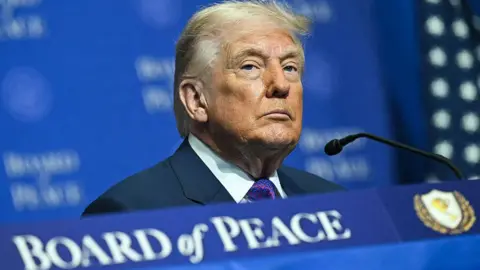
Feb 20, 2026 – At a Board of Peace meeting, Trump delivers a new ultimatum that mixes diplomatic language with the threat of a fresh U.S. air campaign, echoing his contradictory foreign‑policy impulses[2].
Feb 20, 2026 – Trump reiterates that limited strikes remain an option while Iran’s foreign minister promises a draft nuclear agreement in “two to three days”; the USS Gerald R Ford carrier strike group moves from the Caribbean into the Mediterranean, marking the largest U.S. Middle‑East deployment in decades[7].
Feb 20, 2026 – The United States sets a ten‑day deadline for Iran to present substantive nuclear steps by the end of February; the Gerald R Ford carrier heads to the region, Iran conducts a joint naval drill with Russia on Feb 19, and Israel and Lebanon brace for possible Hezbollah involvement while the United States announces a conditions‑based pull‑out of its remaining Syrian bases over the next two months[26].
Feb 21, 2026 – The United States shifts to an air‑and‑naval posture, amassing unprecedented combat‑jet numbers in Jordan (30 on Feb 18, rising to 59 by Feb 20) and keeping ground troops limited, while Geneva talks conclude with a “principle agreement” on Iran’s nuclear program[27].
Feb 21, 2026 – Analysts warn that a rapid “flash” U.S. strike like the January Venezuela operation is unrealistic; even decapitating Supreme Leader Khamenei would not topple the regime, and the current standoff functions as an ultimatum rather than genuine negotiations, shaped by lessons from the June 2025 12‑day war[28].
Dive deeper (15 sub-stories)
-
Trump Issues Ten‑Day Ultimatum as US Carrier Fleet Moves Toward Iran Amid Draft Deal Talks
(28 articles)
-
Trump Threatens Iran, Tehran Warns U.S. Bases Are Legitimate Targets
(6 articles)
-
Le Monde: U.S. Military Buildup Near Iran Intensifies After Geneva Nuclear Talks
-
Trump Signals Possible Limited Strike on Iran Within Ten Days as U.S. Carrier Fleet Closes In
(36 articles)
-
Trump Gives 10‑15‑Day Window on Iran, Launches $10 B Board of Peace, Secures Global Gaza Aid
(4 articles)
-
Iran Escalates Naval Drills and Strait Closure as Trump Mulls Strike
(6 articles)
-
AP: Rubio to brief Netanyahu on US‑Iran nuclear talks amid rising military posture
-
Trump’s Private Envoys Push Gaza Ceasefire, Iran Talks, and Ukraine Negotiations Amid U.S. Gridlock
(10 articles)
-
Iran President Urges Fair Talks as U.S. Carrier Downs Drone, Tensions Escalate
(6 articles)
-
U.S. Weapon Stockpile Shrinks While Trump Orders Assets for Possible Iran Strike
(5 articles)
-
Newsweek: Iran vows to crush enemies after president declares war on US
-
Iran Declares Full‑Scale War with United States, Israel, Europe Ahead of Netanyahu‑Trump Meeting
(3 articles)
-
AP: Iran and U.S. reaffirm diplomacy at UN as gap on nuclear deal remains wide
-
The Hindu: Iran says missile programme is defensive and non-negotiable
-
Newsweek:
All related articles (110 articles)
-
Le Monde: Iran: Even Decapitating the Supreme Leader Won’t Topple the Regime
-
CNN: Iran’s Retaliation Playbook as Trump Threatens Strike
-
Le Monde: U.S. Military Buildup Near Iran Intensifies After Geneva Nuclear Talks
-
The Hindu: Trump Mulls Limited Strikes as Iran Says Deal Draft Nears Completion
-
ISW: Iran’s Nuclear Standoff, Domestic Unrest, and Hezbollah’s Calculus (Feb 20 2026)
-
BBC: Trump Mulls Limited Strike on Iran Amid Ongoing Nuclear Talks
-
King5 (Seattle, WA): Trump warns limited strikes as Iran eyes imminent nuclear deal
-
AP: Trump Signals Possible Limited Strikes on Iran as Tehran Nears Draft Deal
-
CNN: US Positions Massive Military Hardware Near Iran as Diplomatic Talks Continue
-
Newsweek: Iran’s Foreign Minister Warns Against U.S. Military Action as Trump Sets Nuclear Deal Deadline
-
The Hindu: Iran warns U.S. bases in region would be “legitimate targets” if attacked
-
CNN: Trump Extends Iran Timeline, Launches $10 B Board of Peace, and Pushes Health, UFO and Voting Initiatives
-
BBC: Trump Issues New Iran Ultimatum Amid Growing Military Buildup
-
ISW: Trump Sets Ten‑Day Deadline as US Buildup Ramps Up Near Iran
-
AP: Pentagon Deploys Largest U.S. Naval and Air Force Buildup to Middle East Amid Iran Nuclear Tensions
-
King5 (Seattle, WA): Trump warns of ‘bad things’ if Iran doesn’t make a deal as second US carrier nears Mideast
-
CNN: Trump Extends Iran Decision Timeline, Announces $10 B Board of Peace Funding and Global Commitments
-
CNN: Trump Mulls Iran Options Amid Largest Middle‑East Buildup in 22 Years
-
AP: Trump warns Iran of “bad things” if deal stalls
-
The Hindu: Tehran Reenters Global Geopolitical Spotlight
-
The Hindu: Iran‑U.S. military tension rises as talks stall and drills intensify
-
BBC: Trump warns world has ten days to see Iran deal or military action
-
BBC: US Deploys Two Aircraft Carriers as Tensions Rise with Iran
-
BBC: US Deploys Carrier Groups as Iran Signals Defiance Over Washington’s Demands
-
Newsweek: Iran and Russia Conduct Joint Naval Drills Amid Growing U.S. Military Presence
-
Newsweek: Trump Signals New Military Options as Iran Talks Stall
-
BBC: White House Presses Iran to Negotiate as U.S. Warships Deploy
-
CNN: Trump’s Opaque Rationale as He Inches Toward Possible War with Iran
-
AP: Rubio to brief Netanyahu on US‑Iran nuclear talks amid rising military posture
-
CNN: US Military Poised for Iran Strike This Weekend, Trump Yet to Decide
-
BBC: U.S. Plans Large‑Scale Troop Pullout from Syria Amid Rising Iran Tensions
-
Newsweek: Six Indicators Suggest Imminent US‑Iran Conflict
-
CNN: Trump’s private envoys wrestle with Gaza, Iran and Ukraine
-
CNN: Geneva Talks Yield Mixed Progress on Iran, Ukraine and U.S. Domestic Gridlock
-
AP: Iran’s Temporary Closure of the Strait of Hormuz Raises Global Oil Concerns
-
AP: Iran Temporarily Closes Strait of Hormuz Amid Geneva Nuclear Talks
-
CNN: Trump’s Diplomacy with Iran Stalls as Geneva Talks End Without Clear Deal
-
Newsweek: Iran Says “General Agreement” Reached With U.S. on Nuclear Talks
-
Newsweek: Rubio warns Iran “difficult” ahead of Geneva talks
-
AP: Iran, U.S. Consider Second Nuclear Talks Amid Post‑War Tensions
-
AP: US and Iran Hold Indirect Talks in Oman Amid Military Posturing
-
BBC: Iran‑U.S. Talks in Oman Signal Tentative Nuclear Dialogue
-
Le Monde: US‑Iran Nuclear Talks Begin in Oman Amid Diverging Agendas
-
CNN: Trump Faces Tough Choices Over Iran Amid Low Approval
-
CNN: Trump warns Iran’s supreme leader of “very worried” stance ahead of Muscat talks
-
Le Monde: Trump warns Iran’s Supreme Leader as US‑Iran talks loom in Oman
-
AP: Iran‑U.S. Nuclear Talks Set for Friday in Oman Amid Heightened Tensions
-
The Hindu: Iran President Calls for Negotiations as U.S. Downs Drone
-
AP: Iran’s President Calls for Fair Talks as U.S. Shoots Down Drone
-
Newsweek: U.S. Fighter Jet Downs Iranian Shahed Drone Near Carrier Abraham Lincoln
-
CNN: US Carrier Downs Iranian Drone Amid Rising Tensions and Stalled Talks
-
AP: U.S. Navy F‑35C Downs Iranian Shahed‑139 Drone Near Carrier
-
BBC: US forces down Iranian drone near carrier amid rising tensions
-
BBC: Iran Signals Readiness for US Negotiations Amid Heightened Regional Tensions
-
Newsweek: Trump’s Nuclear Pressure Prompts Iran to Seek Talks
-
AP: Turkey Pushes for US‑Iran Talks Amid Rising Tensions
-
The Hindu: Iranian President Orders Nuclear Talks Amid U.S. Military Threats
-
BBC: Iran’s Supreme Leader Threatens Regional War Over Possible U.S. Attack
-
Newsweek: Iran’s Supreme Leader Warns U.S. Attack Will Trigger Regional War
-
AP: Iran’s Supreme Leader Threatens Regional War Over Possible U.S. Attack
-
Newsweek: U.S. Warns Iran’s IRGC Over Live‑Fire Drills in Strait of Hormuz
-
CNN: Trump’s Iran Options Remain Limited Amid Naval Buildup and Regime Weakness
-
CNN: Iran Signals Openness to US Nuclear Talks While Rejecting Dictation and Missile Negotiations
-
BBC: Trump Claims Iran Wants Nuclear Deal as U.S. Buildup Continues
-
CNN: US Forces Surge in Middle East as Trump Mulls Iran Strike
-
Newsweek: U.S. Carrier Deploys as Trump Issues Final Warning to Iran
-
Newsweek: Iranians Brace for Possible U.S. Attack Amid Rising Tensions
-
BBC: Iran’s heightened risk of escalation as US carrier group arrives
-
CNN: Iran’s Options to Respond if Trump Orders a Strike
-
Newsweek: Iran Deploys 1,000 Drones as U.S. Armada Moves Toward Region
-
CNN: Trump Considers Major New Strike on Iran Amid Stalled Nuclear Talks
-
Newsweek: Iran Threatens Unprecedented Retaliation After Trump Revives Strike Threat
-
BBC: Potential Outcomes if the U.S. Strikes Iran
-
BBC: Trump warns Iran “time is running out” as US forces surge in Gulf
-
CNN: US Air Drills Intensify as Trump Threatens Iran Over Protest Crackdown
-
Newsweek: Trump Issues New Ultimatum to Iran, Threatening “Far Worse” Strikes
-
Newsweek: Iran Says It Has Not Requested Negotiations After Trump Claims Deal Is Possible
-
CNN: US Conducts Middle‑East Air Drills as Iran Tensions Rise
-
CNN: Tehran Braces for U.S. Naval Presence Amid Post‑Crackdown Tension
-
Newsweek: Iran Unveils Blood‑Stained Billboard Targeting U.S. Carrier Amid Rising Tensions
-
Newsweek: Trump Says U.S. Navy Deploys Large Armada Near Iran Amid Ongoing Tensions
-
CNN: USS Abraham Lincoln Carrier Strike Group Moves Into Indian Ocean Amid Rising US‑Iran Tensions
-
AP: USS Abraham Lincoln Carrier Deploys to Middle East Amid Iran Tensions
-
AP: Iran’s New Anti‑US Mural Highlights Escalating Tehran‑Washington Tensions
-
King5 (Seattle, WA): Iran’s IRGC Commander Threatens US as Warships Move Toward Region
-
AP: Iran’s IRGC Commander Threatens US as Warships Approach
-
Newsweek: Iran rejects Trump's claim of halted executions as U.S. ships move toward Iran
-
Newsweek: Trump warns of armada heading to Iran amid protests
-
Newsweek: Iran warns it will use everything it has as U.S. moves forces
-
Newsweek: Trump threatens to wipe Iran's regime off the face of the Earth as tensions rise
-
Newsweek: Iran warns Trump with threat to set fire to their world
-
CNN: Arab states help de-escalate US-Iran tensions as US moves carrier group to Middle East
-
Newsweek: US weapons stockpile examined amid potential war with Iran
-
Newsweek: Iran could retaliate more aggressively if U.S. intervenes, experts warn
-
CNN: Analysts map potential US targets and risks in possible Iran strike
-
Newsweek: Iran's military assessed against US as Tehran vows retaliation amid Trump threats
-
AP: Trump says Iran wants to talk as protest death toll rises
-
Newsweek: Iran developing chemical and biological warheads for long-range missiles, report says
-
Newsweek: Iran warns of harsh response to any attack after Trump threat
-
AP: Iranian president pledges harsh response to aggression in apparent rebuke to Trump warning
-
Newsweek: Iran vows to crush enemies after president declares war on US
-
Newsweek: Iran says it is in a full-scale war with the US, ready for decisive response
-
The Hindu: Iran's president says country is in full-scale war with West
-
AP: Iran's president says the country is in a full-scale war with the U.S., Israel and Europe ahead of Netanyahu-Trump talks
-
AP: Iran and U.S. reaffirm diplomacy at UN as gap on nuclear deal remains wide
-
The Hindu: Iran says missile programme is defensive and non-negotiable
-
Newsweek: Trump Threatens to Strike Iran if It Re‑starts Nuclear Program Without Deal
-
Newsweek:
-
Newsweek: Iran Issues Final Warning to U.S. Warships as Naval Drill Concludes
-
Newsweek: Trump’s Middle East Policy Sparks Debate Over Peace Claims
External resources (160 links)
- https://www.youtube.com/watch?v=jT_ldEXjkZ0 (cited 2 times)
- https://www.youtube.com/watch?v=pEDN_5dlMC8 (cited 1 times)
- https://www.youtube.com/watch?v=t4qwTmQF9yc (cited 1 times)
- https://www.eia.gov/international/analysis/country/irn (cited 2 times)
- https://www.eia.gov/todayinenergy/detail.php?id=65504 (cited 2 times)
- https://usun.usmission.gov/u-s-representative-to-the-united-nations-ambassador-mike-waltzs-interview-with-tony-perkins-of-the-salem-news-channel/ (cited 1 times)
- https://mei.edu/publication/hezbollahs-regional-activities-support-irans-proxy-networks/ (cited 1 times)
- https://poll.qu.edu/poll-release?releaseid=3945 (cited 1 times)
- https://www.wsj.com/world/middle-east/syria-us-troops-withdraw-a97a2665 (cited 3 times)
- https://edition.cnn.com/2026/02/01/middleeast/iran-diplomat-araghchi-interview-intl (cited 2 times)
- https://www.axios.com/2026/02/18/trump-iran-meeting-military-strike (cited 2 times)
- https://www.reuters.com/world/middle-east/can-lebanon-disarm-hezbollah-2025-08-06/ (cited 2 times)
- https://www.reutersconnect.com/all?search=all%3AL1N3YF0BU&linkedFromStory=true (cited 2 times)
- https://www.aljazeera.com/news/2024/10/22/hezbollah-takes-responsibility-for-drone-attack-on-netanyahu-holiday-home (cited 1 times)
- https://www.axios.com/2026/02/03/iran-us-nuclear-negotiations-format (cited 1 times)
- https://www.foxnews.com/politics/worlds-largest-aircraft-carrier-heads-middle-east-iran-nuclear-tensions-spike-dramatically (cited 1 times)
- https://www.iranintl.com/en/liveblog/202601258930 (cited 1 times)
- https://www.reuters.com/world/middle-east/hezbollah-says-lebanon-cabinet-decision-seek-state-monopoly-arms-is-grave-sin-2025-08-06/ (cited 1 times)
- https://www.reuters.com/world/middle-east/hezbollah-strikes-israel-gaza-war-anniversary-fears-grow-over-middle-east-2024-10-07/ (cited 1 times)
- https://www.reuters.com/world/middle-east/iran-issues-notam-over-planned-rocket-launches-thursday-us-faa-says-2026-02-18/ (cited 1 times)
- https://www.reuters.com/world/middle-east/iraq-iran-sign-deal-tighten-border-security-2023-03-19/ (cited 1 times)
- https://www.reuters.com/world/middle-east/one-man-killed-israeli-incursion-into-south-lebanon-lebanese-state-media-says-2025-10-30/ (cited 1 times)
- https://www.reuters.com/world/middle-east/unidentified-drone-kills-pkk-member-injures-another-near-iraqs-sulaymaniyah-2025-07-19/ (cited 1 times)
- https://www.reuters.com/world/us/us-control-oil-dollars-heaps-pressure-iraq-over-iranian-influence-2026-01-23/ (cited 1 times)
- https://www.washingtonpost.com/national-security/2026/02/19/trump-iran-attack-military/ (cited 1 times)
- https://www.wral.com/news/ap/018c2-lebanons-financial-recovery-will-rest-on-security-and-political-reforms-economy-minister-says/ (cited 1 times)
- https://x.com/observelebanon/status/2024186791113208169?s=46 (cited 3 times)
- https://www.facebook.com/share/v/1KKH93N2KS/ (cited 2 times)
- https://x.com/Entekhab_News/status/2024845655001239975?s=20 (cited 2 times)
- https://x.com/ifrc/status/2011790950574531015 (cited 2 times)
- https://x.com/netblocks/status/2011838716562542678 (cited 2 times)
- https://t.me/almanarnews/220271 (cited 1 times)
- https://t.me/farsna/408848 (cited 1 times)
- https://truthsocial.com/@realDonaldTrump/posts/115968824541011312 (cited 1 times)
- https://www.facebook.com/nabihberri/posts/pfbid0UyCX4YLrET3UGVRinkYDtaaQ6TyJXqne3AFx6di9sXv8zm8NP7oHPNUR2yxkZmZhl?rdid=k2pdWYSU3cEi1xaf (cited 1 times)
- https://www.facebook.com/profile.php?id=100005902210403 (cited 1 times)
- https://www.facebook.com/share/p/16VdcnYSy3/ (cited 1 times)
- https://www.facebook.com/share/r/16qSoWjiyY/ (cited 1 times)
- https://x.com/ALJADEEDNEWS/status/1962924930552467601 (cited 1 times)
- https://x.com/ALJADEEDNEWS/status/2024366579870261395?s=20 (cited 1 times)
- https://x.com/AvichayAdraee/status/1970482692182700519 (cited 1 times)
- https://x.com/AvichayAdraee/status/1981680901672124691 (cited 1 times)
- https://x.com/CENTCOM/status/2013647979673010637 (cited 1 times)
- https://x.com/CENTCOM/status/2015815632302801143 (cited 1 times)
- https://x.com/CdricLabrousse/status/2024232205774463333 (cited 1 times)
- https://x.com/EndlessWint_r/status/2024836536940761414 (cited 1 times)
- https://x.com/FSeifikaran/status/2024938251199431086?s=20 (cited 1 times)
- https://x.com/HengawO/status/2024196636256452937?s=20 (cited 1 times)
- https://x.com/IDF/status/1997718694898606343?s=20 (cited 1 times)
- https://x.com/IranObserver0/status/1996871455900946913 (cited 1 times)
- https://x.com/LBpresidency/status/1957344935193059790 (cited 1 times)
- https://x.com/LBpresidency/status/1970273108469706756 (cited 1 times)
- https://x.com/LBpresidency/status/1976888501472735332 (cited 1 times)
- https://x.com/LawkGhafuri/status/2023470599323218007 (cited 1 times)
- https://x.com/LindseyGrahamSC/status/2015931978936103039 (cited 1 times)
- https://x.com/ManotoNews/status/2024799201889010124?s=20 (cited 1 times)
- https://x.com/PressTV/status/1960005122794435009 (cited 1 times)
- https://x.com/QalaatAlMudiq/status/2023477482876530870 (cited 1 times)
- https://x.com/RadioFarda_/status/2024498397940441537?s=20 (cited 1 times)
- https://x.com/RudawEnglish/status/2024200042651754539?s=20 (cited 1 times)
- https://x.com/alarabytv/status/2024364869676314801?s=46 (cited 1 times)
- https://x.com/alishamkhani_ir/status/2016582565390655585?s=20 (cited 1 times)
- https://x.com/araghchi (cited 1 times)
- https://x.com/araghchi/status/2016568541399445735 (cited 1 times)
- https://x.com/defencehq/status/2014459690638344339?s=46&t=QxzOMiC4we0qkulaZlO4vg (cited 1 times)
- https://x.com/drpezeshkian/status/2018551558959710505?s=20 (cited 1 times)
- https://x.com/faytuksnetwork/status/2024185521950367949?s=46 (cited 1 times)
- https://x.com/faytuksnetwork/status/2024206589050118195?s=46 (cited 1 times)
- https://x.com/idfonline/status/1863657296422732177 (cited 1 times)
- https://x.com/nawafsalam/status/1957409055149899827 (cited 1 times)
- https://x.com/notamify/status/2024247770509447229?s=20 (cited 1 times)
- https://x.com/suwayda24/status/2024508768554537382 (cited 1 times)
- https://x.com/vvanwilgenburg/status/1950090047425769965?s=20 (cited 1 times)
- https://www.almanar.com.lb/article/562952/ (cited 4 times)
- (cited 3 times)
- https://outrider.org/ (cited 3 times)
- https://www.alaraby.co.uk/politics/تراجع-قوى-إضافية-عن-دعم-نوري-المالكي-يوسع-انقسام-الإطار-التنسيقي (cited 3 times)
- https://www.carnegie.org/ (cited 3 times)
- https://www.enabbaladi.net/796343/%d8%ad%d8%b3%d9%86-%d8%a7%d9%84%d8%a3%d8%b7%d8%b1%d8%b4-%d9%8a%d9%88%d8%b6%d8%ad-%d8%a3%d8%b3%d8%a8%d8%a7%d8%a8-%d8%ae%d8%b1%d9%88%d8%ac%d9%87-%d9%85%d9%86-%d8%a7%d9%84%d8%b3%d9%88%d9%8a%d8%af%d8%a7/ (cited 3 times)
- https://www.ynet.co.il/news/article/sj8wtdxuwg (cited 3 times)
- https://almanar.com.lb/article/236622/?s=tg (cited 2 times)
- https://baghdadtoday.news/293580-.html (cited 2 times)
- https://defapress.ir/fa/news/812674 (cited 2 times)
- https://defapress.ir/fa/news/813880 (cited 2 times)
- https://tasnimnews.ir/fa/news/1404/11/21/3513582 (cited 2 times)
- https://theconversation.com/israel-has-invaded-lebanon-six-times-in-the-past-50-years-a-timeline-of-events-240157 (cited 2 times)
- https://www.almanar.com.lb/article/124377/ (cited 2 times)
- https://www.bcaresearch.com/marketing/matt-gertken (cited 2 times)
- https://www.bing.com/ck/a?!&&p=8b801433ae68c44f5453de72e45c10b1e846f1ca098dafb67ed046fcab4f8c53JmltdHM9MTc2OTY0NDgwMA&ptn=3&ver=2&hsh=4&fclid=31294c2b-4a98-6c6c-3c6d-5ac24bca6d43&psq=USS+Abraham+Lincoln+Newsweek&u=a1aHR0cHM6Ly93d3cubmV3c3dlZWsuY29tL21hcC1zaG93cy11c3MtYWJyYWhhbS1saW5jb2xuLXBhdGgtdG93YXJkLWlyYW4tcHJvdGVzdHMtY29udGludWUtMTEzNzE4MDQ (cited 2 times)
- https://www.chathamhouse.org/2021/06/how-hezbollah-holds-sway-over-lebanese-state/05-influence-over-military-and-security (cited 2 times)
- https://www.criticalthreats.org/analysis/iran-update-february-17-2026 (cited 2 times)
- https://www.criticalthreats.org/analysis/iran-update-october-1-2024 (cited 2 times)
- https://www.criticalthreats.org/analysis/israels-victory-in-lebanon (cited 2 times)
- https://www.fdd.org/team/behnam-ben-taleblu/ (cited 2 times)
- https://www.fmprc.gov.cn/wjbzhd/202601/t20260115_11813505.shtml (cited 2 times)
- https://www.ifrc.org/article/ifrc-mourns-killing-one-iranian-red-crescent-colleague (cited 2 times)
- https://www.iribnews.ir/fa/news/5721875 (cited 2 times)
- https://www.irna.ir/news/86081645/ (cited 2 times)
- https://www.maariv.co.il/news/military/article-1286628 (cited 2 times)
- https://www.newsguardrealitycheck.com/p/ai-videos-fill-void-amid-iran-internet-blackout (cited 2 times)
- https://www.opec.org/assets/assetdb/asb-2025.pdf (cited 2 times)
- https://www.safdiearchitects.com/projects/united-states-institute-of-peace (cited 2 times)
- https://www.tasnimnews.ir/fa/news/1404/11/15/3509151 (cited 2 times)
- https://www.tasnimnews.ir/fa/news/1404/12/01/3521734/ (cited 2 times)
- https://almadapaper.net/425943/ (cited 1 times)
- https://almadapaper.net/427064/ (cited 1 times)
- https://almadapaper.net/427252/ (cited 1 times)
- https://apps.dtic.mil/sti/tr/pdf/ADA496916.pdf (cited 1 times)
- https://arabcenterdc.org/resource/lebanons-political-forces-oppose-a-war-with-israel/ (cited 1 times)
- https://assets.newsweek.com/wp-content/uploads/2025/08/2691909-how-israel-could-exploit-irans-ethnic-divides.jpg (cited 1 times)
- https://carnegieendowment.org/research/2020/03/the-transformation-of-the-iraqi-syrian-border-from-a-national-to-a-regional-frontier?lang=en¢er=middle-east (cited 1 times)
- https://defapress.ir/fa/news/813106/ (cited 1 times)
- https://defapress.ir/fa/news/813277 (cited 1 times)
- https://en.964media.com/45299/ (cited 1 times)
- https://english.aawsat.com/arab-world/5241904-hezbollah-rejects-disarmament-plan-and-government%E2%80%99s-four-month-timeline (cited 1 times)
- https://nationalinterest.org/blog/middle-east-watch/irans-strategy-of-delay (cited 1 times)
- https://newlinesmag.com/spotlight/life-returns-to-al-bukamal-after-iranian-militias-flee/ (cited 1 times)
- https://nournews.ir/fa/news/276131 (cited 1 times)
- https://nournews.ir/fa/news/276335 (cited 1 times)
- https://rojhelat.info/en/12117 (cited 1 times)
- https://syriacpress.com/blog/2025/11/05/hezbollahs-ideology-no-end-in-sight/ (cited 1 times)
- https://tasnimnews.ir/en/news/2026/02/19/3521035/iranian-russian-naval-forces-conduct-mock-hijacked-ship-rescue-in-joint-drills (cited 1 times)
- https://tasnimnews.ir/fa/news/1404/11/29/3520507 (cited 1 times)
- https://tbg.airframes.io/ (cited 1 times)
- https://thenewregion.com/posts/3682 (cited 1 times)
- https://thisisbeirut.com.lb/articles/1322452/what-options-for-hezbollah-after-lebanon-s-decision-to-disarm-it (cited 1 times)
- https://today.lorientlejour.com/article/1490729/iranian-foreign-minister-abbas-araghchi-arrives-in-beirut.html (cited 1 times)
- https://www.alahad.iq/?page=article&itemId=247171 (cited 1 times)
- https://www.almanar.com.lb/article/172317/?s=tg (cited 1 times)
- https://www.almanar.com.lb/article/251422/ (cited 1 times)
- https://www.arabnews.com/node/2603593/amp (cited 1 times)
- https://www.bing.com/ck/a?!&&p=2cddb51d14ef76e9b599de147f99bb1def9946dac9bb94a2ac8593a04478dd77JmltdHM9MTc2OTEyNjQwMA&ptn=3&ver=2&hsh=4&fclid=31294c2b-4a98-6c6c-3c6d-5ac24bca6d43&psq=Trump+Iran&u=a1aHR0cHM6Ly93d3cucmV1dGVycy5jb20vd29ybGQvbWlkZGxlLWVhc3QvdXMtbWlsaXRhcnktYXNzZXRzLWhlYWRpbmctbWlkZGxlLWVhc3QtZXZlbi10cnVtcC1iYWNrcy1vZmYtdG91Z2hlc3QtaXJhbi0yMDI2LTAxLTIyLw (cited 1 times)
- https://www.bing.com/ck/a?!&&p=2f764b001b8f718152361d90da32fc483ff7d27555ebf932b6babadc1a203aa5JmltdHM9MTc2OTEyNjQwMA&ptn=3&ver=2&hsh=4&fclid=31294c2b-4a98-6c6c-3c6d-5ac24bca6d43&psq=USS+Abraham+Newsweek&u=a1aHR0cHM6Ly93d3cubmV3c3dlZWsuY29tL3Bob3Rvcy11cy1haXJjcmFmdC1jYXJyaWVyLXdlc3QtcGFjaWZpYy1pcmFuLXRlbnNpb25zLTExMzgzOTE1 (cited 1 times)
- https://www.bing.com/ck/a?!&&p=302e892761936c6d391ff9b80cbb4cf3e55326a7a8dbaf2ac23ca6e3831d2c8aJmltdHM9MTc2ODM0ODgwMA&ptn=3&ver=2&hsh=4&fclid=24c05a7b-dba0-6e8d-1f70-4e79da6b6f70&psq=Al+Udeid+Air+Base+in+Qatar+Newsweek+June+23&u=a1aHR0cHM6Ly93d3cubmV3c3dlZWsuY29tL2lyYW4tdHJ1bXAtc3RyaWtlcy1hbC11ZGVpZC1haXItYmFzZS1xYXRhci0xMTM1NzA0NQ (cited 1 times)
- https://www.bing.com/ck/a?!&&p=40b3e932505231d92a99e37c323c13c7c311dfd6ea662ef346f9fea0714ff168JmltdHM9MTc2OTEyNjQwMA&ptn=3&ver=2&hsh=4&fclid=31294c2b-4a98-6c6c-3c6d-5ac24bca6d43&psq=3%2c117+people%2c+death+Iran&u=a1aHR0cHM6Ly91ay5uZXdzLnlhaG9vLmNvbS9pcmFuaWFuLXN0YXRlLXR2LWlzc3Vlcy1maXJzdC0wMzA1MTIzMDkuaHRtbA (cited 1 times)
- https://www.bing.com/ck/a?!&&p=65e0516d046020389640ccff0832ad6b9bf7e11b7dc1521552dea5cc311b1a05JmltdHM9MTc2OTY0NDgwMA&ptn=3&ver=2&hsh=4&fclid=31294c2b-4a98-6c6c-3c6d-5ac24bca6d43&psq=Iran+drills+Newsweek&u=a1aHR0cHM6Ly93d3cubmV3c3dlZWsuY29tL2lyYW4tdXBkYXRlLXVzLW1pbGl0YXJ5LXRvLXBlcmZvcm0tc2hvdy1vZi1zdHJlbmd0aC1pbi1taWRkbGUtZWFzdC0xMTQyNzg4OQ (cited 1 times)
- https://www.centcom.mil/MEDIA/PRESS-RELEASES/Press-Release-View/Article/4407029/us-forces-continue-strikes-on-isis-targets-in-syria/ (cited 1 times)
- https://www.criticalthreats.org/analysis/iran-update-february-11-2026 (cited 1 times)
- https://www.criticalthreats.org/analysis/iran-update-february-5-2026 (cited 1 times)
- https://www.criticalthreats.org/analysis/iran-update-january-11-2026 (cited 1 times)
- https://www.criticalthreats.org/analysis/iran-update-june-26-2025 (cited 1 times)
- https://www.eremnews.com/news/arab-world/bxhk26s (cited 1 times)
- https://www.fdd.org/analysis/op_eds/2025/04/20/qassems-speech-on-lebanons-national-defense-strategy-indicates-hezbollah-will-remain-armed/ (cited 1 times)
- https://www.jpost.com/israel-news/defense-news/article-871549 (cited 1 times)
- https://www.jpost.com/middle-east/iran-news/article-881050 (cited 1 times)
- https://www.kan.org.il/content/kan-news/defense/1000328/ (cited 1 times)
- https://www.kurdistan24.net/ar/story/888783/%D9%87%D8%AC%D9%88%D9%85-%D8%A8%D9%85%D8%B3%D9%8A%D8%B1%D8%A7%D8%AA-%D9%88%D8%B5%D9%88%D8%A7%D8%B1%D9%8A%D8%AE-%D9%8A%D8%B3%D8%AA%D9%87%D8%AF%D9%81-%D9%85%D9%82%D8%B1%D8%A7-%D9%84%D8%AD%D8%B2%D8%A8-%D8%A7%D9%84%D8%AD%D8%B1%D9%8A%D8%A9-%D8%A7%D9%84%D9%83%D9%88%D8%B1%D8%AF%D8%B3%D8%AA%D8%A7%D9%86%D9%8A-%D9%88%D8%B3%D9%82%D9%88%D8%B7-%D8%B6%D8%AD%D8%A7%D9%8A%D8%A7 (cited 1 times)
- https://www.kurdistan24.net/ar/story/890035/slug (cited 1 times)
- https://www.kurdistan24.net/ar/story/894928/%D9%85%D8%B1%D8%A7%D8%B3%D9%84-%D9%83%D9%88%D8%B1%D8%AF%D8%B3%D8%AA%D8%A7%D9%86-24-%D9%82%D8%AA%D9%84%D9%89-%D8%AC%D8%B1%D8%A7%D8%A1-%D8%A7%D8%B3%D8%AA%D9%87%D8%AF%D8%A7%D9%81-%D8%B3%D9%8A%D8%A7%D8%B1%D8%A9-%D8%A8%D8%A7%D9%84%D9%82%D8%B1%D8%A8-%D9%85%D9%86-%D8%B3%D9%8A%D8%B7%D8%B1%D8%A9-%D9%83%DB%95%DA%B5%DB%95%D9%88%D8%A7%D9%86-%D8%A8%D8%A7%D9%84%D8%B3%D9%84%D9%8A%D9%85%D8%A7%D9%86%D9%8A%D8%A (cited 1 times)
- https://www.majalla.com/node/329453/%D9%88%D8%AB%D8%A7%D8%A6%D9%82-%D9%88%D9%85%D8%B0%D9%83%D8%B1%D8%A7%D8%AA/%D8%A7%D9%84%D9%85%D8%AC%D9%84%D8%A9-%D8%AA%D9%86%D8%B4%D8%B1-%D8%A7%D9%84%D9%86%D8%B5-%D8%A7%D9%84%D8%AD%D8%B1%D9%81%D9%8A-%D9%84%D9%80%D8%A7%D9%84%D8%A7%D8%AA%D9%81%D8%A7%D9%82-%D8%A7%D9%84%D8%B4%D8%A7%D9%85%D9%84-%D8%A8%D9%8A%D9%86-%D8%A7%D9%84%D8%AD%D9%83%D9%88%D9%85%D8%A9-%D8%A7%D9%84%D8%B3%D9%88%D8%B1%D9%8A%D8%A9-%D9%88%D9%82%D8%B3%D8%AF (cited 1 times)
- https://www.naharnet.com/stories/en/309547-israel-says-hezbollah-fired-two-missiles-at-occupied-shebaa-farms (cited 1 times)
- https://www.naharnet.com/stories/en/318443-katz-says-israel-won-t-withdraw-as-long-as-hezbollah-has-arms (cited 1 times)
- https://www.naharnet.com/stories/en/318493-report-berri-led-contacts-with-hezbollah-seek-to-prevent-it-from-backing-iran-militarily (cited 1 times)
- https://www.newarab.com/news/israeli-army-fortifying-positions-south-lebanon (cited 1 times)
- https://www.tasnimnews.com/fa/news/1404/10/18/3490915/ (cited 1 times)
- https://www.timesofisrael dot (cited 1 times)
- https://www.timesofisrael.com/liveblog_entry/iran-and-russia-to-conduct-navy-drill-in-sea-of-oman-and-northern-indian-ocean/ (cited 1 times)
- https://www.voanews.com/a/iraq-moves-iranian-kurdish-groups-away-from-border-/7265414.html (cited 1 times)
- https://www.washingtoninstitute.org/policy-analysis/hezbollah-nervously-watches-iran-washington-should-double-down-disarmament (cited 1 times)
- https://www.washingtoninstitute.org/policy-analysis/sudani-general-manager-how-militias-view-iraqs-new-prime-minister (cited 1 times)