Trump Raises Global Tariff to 15% After Supreme Court Blocks Emergency Duties
Updated (163 articles)

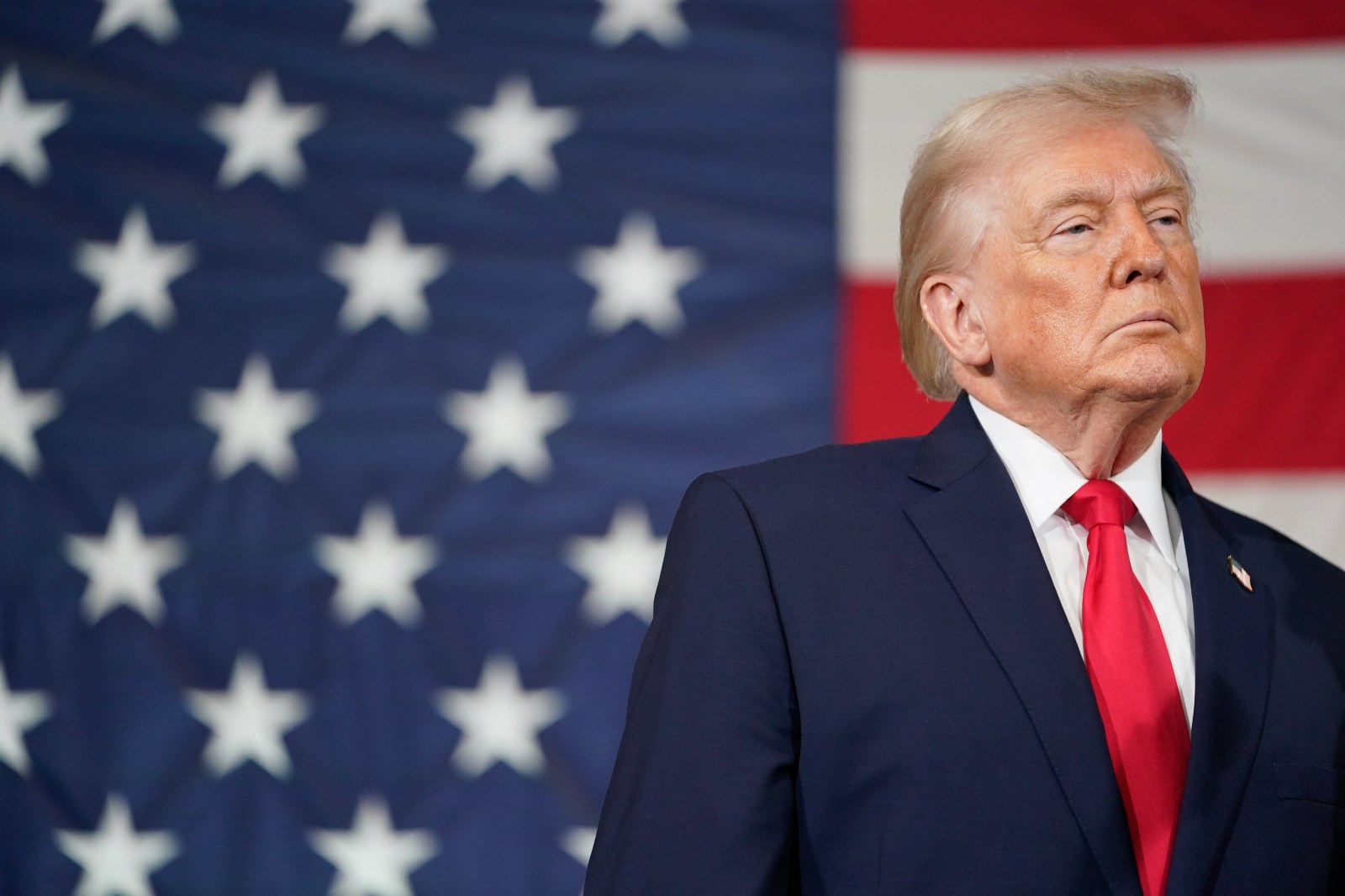

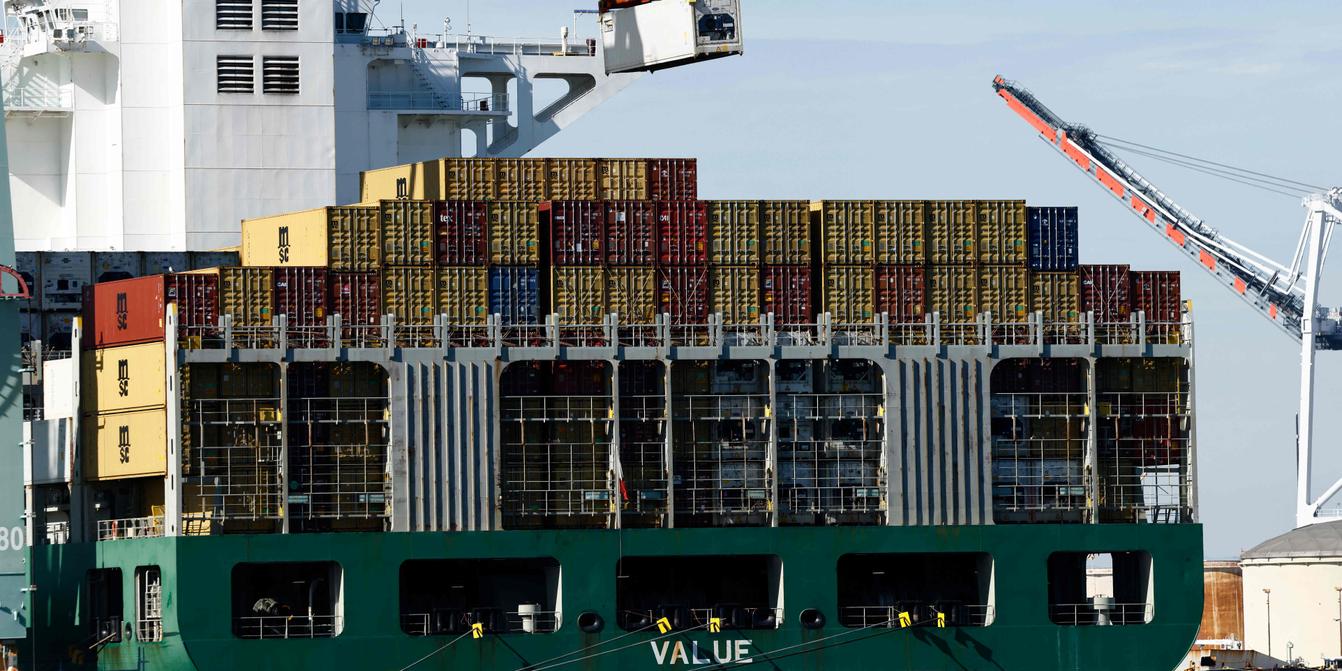

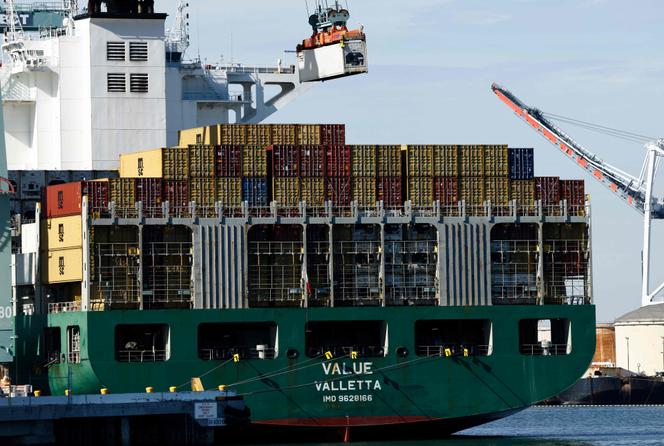
Supreme Court Decision Nullifies IEEPA Tariffs On February 23, 2026 the U.S. Supreme Court issued a 6‑3 ruling that the International Emergency Economic Powers Act cannot authorize the reciprocal tariffs President Trump imposed, striking down duties that had generated roughly $130‑$133 billion in revenue and ordering Customs to cease collection after midnight on Tuesday [2][3][11][13][15].
Administration Switches to Section 122 Global Tariff Hours after the Court’s decision, the White House invoked Section 122 of the 1974 Trade Act to implement a uniform 10 % global tariff on February 24, 2026, with a statutory ceiling of 15 % and a 150‑day limit that does not require congressional approval [1][4][6][15][20].
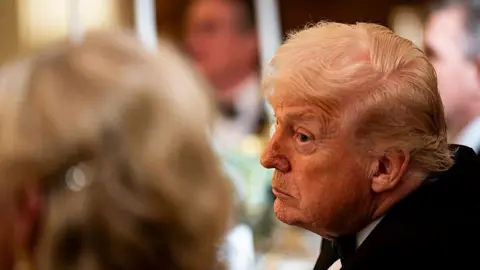
Tariff Rate Set at 10% Then Raised to 15% President Trump initially announced the 10 % levy, then on February 24‑25 declared a 15 % worldwide tariff, warning that nations “playing games” would face even higher duties; the 10 % rate applies to about $1.2 trillion of imports, representing roughly 34 % of U.S. trade and costing the average household about $700 in 2026 [3][5][1].
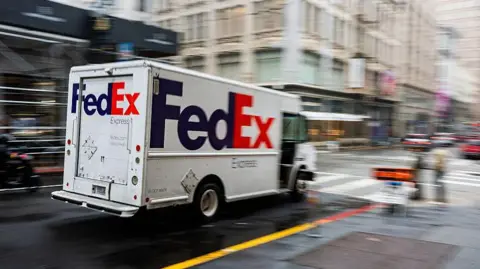
Refund Litigation and Congressional Refund Bill FedEx and other importers filed lawsuits in the U.S. Court of International Trade seeking full refunds of the invalidated IEEPA duties; simultaneously, Senate Democrats introduced legislation to force the Treasury to return roughly $175 billion (including interest) to affected businesses within 180 days [7][8][12].
International Reactions and Market Uncertainty The United Kingdom’s trade secretary said the 10 % U.S.–UK arrangement remains intact, while the EU suspended its summer‑deal ratification and India postponed tax‑treaty talks; analysts note the rapid policy shifts have revived trade‑war risk and caused a 1 % dip in the S&P 500 [1][13][16].
Sources
-
1.
BBC: Trump’s 10% Global Tariff Takes Effect Amid Legal Pushback and Uncertainty: Details the 10 % tariff launch, Supreme Court block of broader taxes, and legal challenges including FedEx’s $130 bn refund suit .
-
2.
AP: Supreme Court rebuke leaves Trump’s tariff strategy in limbo: Highlights the Court’s rebuke, the 10 % levy, Treasury’s revenue outlook, and the pending refund process in lower courts .
-
3.
The Hindu: New U.S. tariffs of 10% take effect after Supreme Court rebuke: Reports the Feb 24 start, 150‑day duration, sector‑specific exemptions, and household cost estimate .
-
4.
AP: Trump Ups Tariff Threats After Supreme Court Strikes Down Most Import Taxes: Covers Trump’s post‑ruling threats, the 15 % target, Senate Democrats’ $175 bn refund bill, and concurrent Middle East military moves .
-
5.
Le Monde: New 10% U.S. Import Tariff Takes Effect After Supreme Court Ruling: Describes the midnight switch, exclusion of NAFTA duties, effective rate drop to 13.7 %, and FedEx’s lawsuit .
-
6.
CNN: Trump administration updates: tariffs, SOTU, Iran talks, and drug‑boat strikes: Notes the Court’s nullification, the 15 % global tariff under Section 122, Democratic refund effort, and public approval poll .
-
7.
BBC: FedEx suits U.S. government for full refund of Trump‑imposed tariffs: Focuses on FedEx’s lawsuit, the Court’s IEEPA ruling, and the broader legislative push for refunds .
-
8.
WBNS (Columbus, OH): FedEx sues for refund after Supreme Court nullifies Trump tariffs: Mirrors the FedEx filing, mentions the $175 bn refund bill, and Trump’s condemnation of the justices .
-
9.
King5 (Seattle, WA): FedEx sues for refund after Supreme Court voids Trump’s emergency tariffs: Similar to WBNS, adds detail on the Court’s 6‑3 decision and Trump’s 15 % tariff claim .
-
10.
WBNS (Columbus, OH): Columbus firms brace for new 15% global tariff after Supreme Court decision: Provides local business reactions in Ohio to the announced 15 % tariff and Governor DeWine’s investment comments .
-
11.
Yonhap: US Supreme Court voids reciprocal tariffs, Trump shifts to global duties: Explains the shift from IEEPA tariffs to a 10‑15 % global duty and its impact on South Korean investment .
-
12.
AP: Senate Democrats Push Bill to Refund $175 Billion in Trump Tariff Revenues: Details the Democratic refund legislation, its timing after the Court’s decision, and Treasury’s stance .
-
13.
BBC: Trump threatens higher tariffs after Supreme Court blocks his trade levies: Reports Trump’s threat to raise tariffs on “play‑game” nations and reactions from the EU, UK, and India .
-
14.
Yonhap: Trump Threatens Higher Tariffs After Supreme Court Blocks Emergency Duties: Highlights Trump’s “BUYER BEWARE!!!” post, the 15 % global tariff, and upcoming Section 301 investigations .
-
15.
CNN: Trump Turns to Section 122 After Supreme Court Blocks Emergency Tariffs: Analyzes the legal basis of Section 122, its unprecedented use, and the 150‑day limit .
-
16.
BBC: UK Signals Possible Retaliation as US Raises Global Tariff to 15%: Covers UK’s warning of reciprocal measures, the EU suspension, and analyst predictions of impact on the UK .
-
17.
Yonhap: Trump threatens higher tariffs after Supreme Court blocks emergency powers: Summarizes Trump’s “much higher” tariff warning and the administration’s plan to use Section 122 .
-
18.
Yonhap: Trump warns of “much higher” tariffs for countries that “play games”: Emphasizes the political framing of tariffs as election leverage and the legal challenge to IEEPA .
-
19.
Yonhap: Trump warns of “much higher” tariff for countries that “play games”: Adds detail on Trump’s February 20 briefing and his rhetoric against “ripping off” the U.S. .
-
20.
Newsweek: Trump claims Supreme Court ruling expands his trade powers after tariff strike‑down: Presents Trump’s claim that the Court unintentionally gave him more authority, the 10 % then 15 % tariff rollout, and Speaker Johnson’s support .
Related Tickers
Videos (3)
Documents (1)
storage.courtlistener.com Court brief on presidential tariff authority under IEEPA (cited 1 times)
Federal Appeals Court Brief Defends Presidential Tariff Authority Under IEEPA
Key Facts
-
IEEPA explicitly authorizes presidential tariff authority The brief argues that the International Emergency Economic Powers Act’s text and precedent—especially United States v. Yoshida—clearly permit the President to impose tariffs as a means of “regulating importation,” and that Congress intentionally incorporated this language when enacting IEEPA. It further asserts that Section 122 of the Trade Act does not preempt IEEPA’s tariff power, and that both statutes coexist harmoniously, rebutting plaintiffs’ claim that IEEPA forbids tariffs. [1]
-
Court of International Trade’s injunction deemed overbroad The brief contends that the CIT issued a universal injunction without the equitable analysis required by eBay Inc. v. MercExchange and contrary to the Supreme Court’s Trump v. CASA decision, which limits injunctive relief to the parties before the court. It warns that a blanket ban would cripple ongoing trade negotiations and national‑security objectives, and therefore urges reversal of the injunction. [1]
-
Presidential emergency declarations are non‑justiciable The brief maintains that courts lack authority to review the President’s determination of an “unusual and extraordinary threat” or the validity of a national‑emergency declaration under IEEPA, citing precedents such as Yoshida, Chang, and Center for Biological Diversity v. Trump. It argues that such review would intrude on the political branches’ exclusive domain in foreign affairs. [1]
-
Tariffs serve as leverage in diplomatic negotiations The brief explains that IEEPA‑authorized tariffs, including those targeting trafficking, are intended to create bargaining leverage to resolve emergencies, referencing Dames & Moore v. Regan and Yoshida. It rejects plaintiffs’ claim that this purpose exceeds statutory authority, noting longstanding congressional practice of using trade measures for foreign‑policy objectives. [1]
-
Statutory language and legislative history support tariff power The brief highlights that Congress deliberately adopted the same language from the Trading With the Enemy Act when drafting IEEPA, and that legislative history shows intent to grant the President broad discretion in emergencies—ranging from trade deficits to the fentanyl crisis. Executive orders and Senate reports are cited as confirming the scope of authority. [1]
-
Plaintiffs’ major‑questions and nondelegation challenges fail The brief argues that the major‑questions doctrine and nondelegation doctrine do not apply because the delegation is to the President in the foreign‑policy and national‑security context, where broad delegations are the norm. It cites FCC v. Consumer’s Research and other cases upholding such delegations, concluding that plaintiffs lack a viable constitutional challenge. [1]
Who Said What
No direct quotations were included in the brief.
Some Context
- IEEPA (International Emergency Economic Powers Act): A federal statute granting the President authority to regulate international commerce—including imposing tariffs—when a national emergency is declared. Central to the dispute over whether the President can levy tariffs without additional congressional authorization.
- CIT (Court of International Trade): A specialized federal court that adjudicates cases involving international trade and customs issues. Its injunction in this case is contested for being overly broad.
- Major‑questions doctrine: A judicial principle requiring clear congressional authorization for agencies (or the President) to exercise powers of vast economic or political significance. The brief argues it does not limit presidential IEEPA actions.
- Nondelegation doctrine: A constitutional rule that Congress cannot delegate its legislative authority without providing an intelligible principle. The brief maintains that IEEPA provides sufficient guidance, especially in foreign‑policy contexts.
- Universal injunction: An injunction that applies to all parties, not just those before the court. The brief asserts that such relief exceeds equitable limits and conflicts with Trump v. CASA precedent.
Timeline
Dec 9, 2025 – Trump warns on Truth Social that a Supreme Court decision against his tariffs would be “the biggest threat in history” to U.S. national security, claiming the duties have made America “financially strongest” and warning Europe would be blocked from similar actions if the Court rules against him [25].
Dec 11, 2025 – At a cabinet meeting Trump blames President Biden for the “worst inflation in history,” despite CPI falling to 3 % by Jan 2025, and says his tariffs have only modestly raised input costs, which businesses largely absorb [24].
Jan 9, 2026 – Trump tells The New York Times he could issue $2,000 “tariff dividend” checks to Americans by year‑end, insisting the payments need no congressional approval, while officials warn any distribution would require legislative authorization [23].
Jan 12, 2026 – Trump warns that if the Supreme Court strikes down his tariff authority, “the United States would face chaos” and refunds of the billions collected could take years to sort out, calling repayment a “complete mess” [22].
Jan 15, 2026 – South Korean Trade Minister Yeo Han‑koo says Seoul will monitor other countries’ reactions and prepare an “optimal response” if the U.S. Supreme Court invalidates the IEEPA‑based reciprocal tariffs, noting a new 25 % AI‑chip proclamation could affect Korean chipmakers [20].
Feb 20, 2026 – The Supreme Court issues a 6‑3 ruling that the International Emergency Economic Powers Act cannot authorize the sweeping tariffs, nullifying the 2025 “reciprocal” duties and prompting Trump to announce a 10 % global tariff under Section 122 of the 1974 Trade Act, with exemptions for critical minerals and vehicles [15][14][13].
Feb 20, 2026 – Treasury data show the tariffs have generated roughly $130 billion in extra revenue, while the Commerce Department reports a record 2025 U.S. merchandise trade deficit of $1.241 trillion, indicating the tariff strategy failed to shrink the gap [30][15].
Feb 21, 2026 – Trump signs a proclamation imposing a 10 % worldwide duty effective Feb 24, calling it “a great honor” and emphasizing the 150‑day limit and the possibility of congressional renewal [28].
Feb 22, 2026 – Trump announces via Truth Social that the 10 % levy will be raised to 15 % “immediately,” signing a second proclamation that lifts the rate to 15 % for goods not covered by sector‑specific exemptions, and notes the measure will run for 150 days unless Congress extends it [9][10][5].
Feb 23, 2026 – Trump threatens “much higher” duties on any country that “plays games” with trade deals, warning of retaliation after the Court’s decision, while U.S. Trade Representative Jamieson Greer says the overall policy remains unchanged [3].
Feb 23, 2026 – Britain’s trade secretary Peter Kyle says the 10 % U.S.–UK deal remains the best arrangement but warns that breaching the tariff pact could trigger reciprocal measures, and analysts predict the 15 % levy would hit the UK hardest [4].
Feb 23, 2026 – South Korea’s finance minister Koo Yun‑cheol tells parliament that uncertainty over U.S. tariff moves is “very high,” noting the new 15 % levy likely mirrors the previous policy but adds no clear details, and pledges a proactive response [8].
Feb 23, 2026 – Senate Democrats unveil legislation requiring Customs to refund roughly $175 billion collected under the illegal tariffs, with interest and priority for small‑business claimants, framing the bill as a “crucial first step” before the November midterms [6].
Feb 23, 2026 – French industry leaders, including Haulotte CEO Alexandre Saubot, warn that the reinstated 15 % tariff creates a “new phase of uncertainty” for French exporters, even though the rate matches the existing EU‑U.S. levy [7].
Feb 24, 2026 – FedEx files a lawsuit in the U.S. Court of International Trade seeking a full refund of duties paid under the Trump tariffs, citing the Supreme Court’s decision that IEEPA did not authorize the levies [2].
Feb 24, 2026 – The 10 % global tariff officially takes effect, with filings confirming it has been in force since Tuesday and no directive yet to raise it to 15 %, while analysts warn the rapid changes “add to the chaos and mess” and raise the risk of a broader trade war [1].
Feb 24, 2026 – Allies react cautiously: Britain’s Peter Kyle affirms the 10 % U.S.–UK deal remains best, the EU suspends ratification of its summer‑deal pending clarity, and India postpones tax‑treaty talks, while Trump threatens higher tariffs on “countries playing games” [1].
Future (by late July 2026) – The 150‑day tariff window set on Feb 24 is slated to expire in late July, after which Congress must act to extend or terminate the duties, and the Senate refund bill aims to force repayment within 180 days once enacted [6][1].
Dive deeper (18 sub-stories)
-
Trump Implements 10% Global Tariff After Court Blocks Broad Duties, Promises 15% Upgrade
(102 articles)
-
Trump Implements 10% Global Tariff on Feb 24, 2026 After Supreme Court Ruling
(8 articles)
-
New 10% U.S. Import Duty Takes Effect Feb 24 After Supreme Court Ruling, Replacing Short‑Lived 15% Measure
(2 articles)
-
FedEx Sues for Full Refund After Supreme Court Nullifies Trump Emergency Tariffs
(19 articles)
-
WBNS (Columbus, OH): Columbus firms brace for new 15% global tariff after Supreme Court decision
-
CNN: Trump Turns to Section 122 After Supreme Court Blocks Emergency Tariffs
-
US Reinstates 15% Global Tariff, UK Threatens Reciprocal Measures
(2 articles)
-
Le Monde: US Supreme Court Nullifies 2025 Tariffs, Trump Imposes New 10‑15% Duties, German Industry Remains Uncertain
-
Supreme Court Strikes Down Trump Tariffs, President Plans New Global Duties Before Beijing Visit
(2 articles)
-
Trump Announces $2,000 Rebate Checks After Supreme Court Nullifies Tariffs
(10 articles)
-
Supreme Court Nullifies Trump “Liberation Day” Tariffs, Leaving Seattle Businesses Uncertain
(3 articles)
-
Yonhap: Trump Announces Plan to Sign 10% Global Tariff Order
-
Trump Slams Supreme Court Justices as Disgrace After Emergency Tariff Rejection
(2 articles)
-
Hassett Demands Discipline for NY Fed Tariff Study as Warsh Nominated Amid Supreme Court Decision
(2 articles)
-
Yonhap: USTR Signals Possible Tweaks to Steel, Aluminum Tariff Application
-
Supreme Court Tariff Case Likely Delayed Past Feb 20 as Judicial Recess Continues
(2 articles)
-
Trump Tariffs Push Effective Rate Near 17% and Generate $236 B Revenue
(3 articles)
-
CNN: Global ripple of Trump‑era tariffs
All related articles (163 articles)
-
BBC: Trump’s 10% Global Tariff Takes Effect Amid Legal Pushback and Uncertainty
-
AP: Supreme Court rebuke leaves Trump’s tariff strategy in limbo
-
The Hindu: New U.S. tariffs of 10% take effect after Supreme Court rebuke
-
AP: Trump Ups Tariff Threats After Supreme Court Strikes Down Most Import Taxes
-
Le Monde: New 10% U.S. Import Tariff Takes Effect After Supreme Court Ruling
-
CNN: Trump administration updates: tariffs, SOTU, Iran talks, and drug‑boat strikes
-
BBC: FedEx suits U.S. government for full refund of Trump‑imposed tariffs
-
WBNS (Columbus, OH): FedEx sues for refund after Supreme Court nullifies Trump tariffs
-
King5 (Seattle, WA): FedEx sues for refund after Supreme Court voids Trump’s emergency tariffs
-
WBNS (Columbus, OH): Columbus firms brace for new 15% global tariff after Supreme Court decision
-
Yonhap: US Supreme Court voids reciprocal tariffs, Trump shifts to global duties
-
AP: Senate Democrats Push Bill to Refund $175 Billion in Trump Tariff Revenues
-
BBC: Trump threatens higher tariffs after Supreme Court blocks his trade levies
-
Yonhap: Trump Threatens Higher Tariffs After Supreme Court Blocks Emergency Duties
-
CNN: Trump Turns to Section 122 After Supreme Court Blocks Emergency Tariffs
-
BBC: UK Signals Possible Retaliation as US Raises Global Tariff to 15%
-
Yonhap: Trump threatens higher tariffs after Supreme Court blocks emergency powers
-
Yonhap: Trump warns of “much higher” tariffs for countries that “play games”
-
Yonhap: Trump warns of “much higher tariff” for countries that “play games”
-
Newsweek: Trump claims Supreme Court ruling expands his trade powers after tariff strike‑down
-
Newsweek: China Reacts to U.S. Supreme Court Ruling on Trump Tariffs
-
Le Monde: U.S. 15% Tariff Reinstated Under Trade Act, French Firms Face Renewed Uncertainty
-
Le Monde: US Supreme Court Nullifies 2025 Tariffs, Trump Imposes New 10‑15% Duties, German Industry Remains Uncertain
-
The Hindu: U.S. Customs Halts IEEPA Tariff Collections After Supreme Court Ruling
-
Yonhap: South Korea Finance Minister Warns High Uncertainty Over U.S. Tariff Moves
-
CNN: Trump Vows New Tariffs After Supreme Court Blocks Emergency Powers
-
Le Monde: Supreme Court curtails Trump’s tariff authority in 6‑3 ruling
-
Yonhap: South Korea to Maintain “Amicable” Talks with the United States on Tariff Issues
-
Yonhap: US Supreme Court Strikes Down Reciprocal Tariffs, Korea Braces for New Tariff Rounds
-
BBC: Trump Raises Global Tariff to 15% Amid Legal Ruling, Sparking Business Uncertainty
-
Le Monde: Trump lifts global tariffs to 15% as U.S. Supreme Court curtails his emergency authority
-
BBC: Trump Raises Global Tariffs to 15% Amid Supreme Court Ruling
-
King5 (Seattle, WA): Trump Announces 15% Global Tariff After Supreme Court Ruling
-
AP: Supreme Court overturns Trump tariffs, adding uncertainty to U.S.–China trade
-
CNN: Trump lifts global tariff to 15% after Supreme Court rebuke
-
BBC: Supreme Court Nullifies Trump Global Tariffs, Business Leaders React Cautiously
-
CNN: Trump Raises Global Tariffs to 15% After Court Blocks Emergency Duties
-
AP: Trump Announces 15% Global Tariff After Supreme Court Ruling
-
WBNS (Columbus, OH): Trump pushes $2,000 tariff rebate checks after Supreme Court blocks tariffs
-
The Hindu: Supreme Court Blocks Trump Tariffs, Triggers Refund Uncertainty and Global Trade Repercussions
-
CNN: Supreme Court Strikes Down Trump’s Global Tariffs, Shifting GOP Trade Landscape
-
AP: Supreme Court Ruling Undermined, Trump Unilaterally Raises Tariffs
-
BBC: Supreme Court blocks Trump’s global IEEPA tariffs, new 10‑15% levy announced
-
BBC: Supreme Court curtails Trump’s tariff powers as president hikes temporary global tariff to 15%
-
Yonhap: Trump Raises Global Tariff to 15% After Supreme Court Ruling
-
AP: Global Trade Turmoil After U.S. Supreme Court Tariff Ruling
-
The Hindu: U.S. Supreme Court nullifies most Trump tariffs, President imposes 10% surcharge
-
AP: Supreme Court Nullifies Trump Tariffs, Businesses Brace for Ongoing Uncertainty
-
AP: Supreme Court Overturns Trump’s $133 Billion IEEPA Tariffs, Refunds Loom
-
Le Monde: Trump’s Tariffs Linked to Slower US Growth
-
BBC: Trump imposes new 10% global tariff after Supreme Court blocks prior levies
-
Le Monde: Supreme Court voids Trump tariffs but protectionist push endures
-
Newsweek: Supreme Court Ruling Narrows, But Does Not Eliminate, U.S. Tariff Regime
-
CNN: New Economic Data Undercut Trump’s Tariff and Growth Claims
-
CNN: Roberts declares Trump’s tariffs unlawful, ending Supreme Court winning streak
-
Le Monde: U.S. Supreme Court Strikes Down Trump’s 2025 Global Tariff Scheme
-
CNN: Small importer’s lawsuit topples Trump’s emergency tariffs
-
Le Monde: Supreme Court Blocks Major Portion of Trump’s Tariff Authority
-
Yonhap: South Korea to Track New U.S. Global Tariff After Supreme Court Ruling
-
AP: Trump vows 10% global tariff after Supreme Court blocks his sweeping trade measures
-
AP: Trump vows 10% global tariff after Supreme Court blocks his sweeping trade plan
-
AP: Trump vows 10% global tariff after Supreme Court blocks his sweeping trade plan
-
Yonhap: South Korea to Track U.S. Global Tariff After Supreme Court Ruling
-
Le Monde: Supreme Court Declares Trump’s 2025 Tariffs Illegal
-
The Hindu: Supreme Court blocks Trump tariffs, raising stakes for H1B fee challenges
-
Le Monde: Trump Enacts 10% Global Tariff After Supreme Court Ruling
-
Yonhap: South Korea vows to shield exports after US Supreme Court blocks Trump tariffs
-
King5 (Seattle, WA): Supreme Court Ruling Undoes Trump Tariffs, Leaving Businesses in Limbo
-
BBC: Trump attacks Supreme Court after tariffs ruling, pledges new duties
-
AP: Supreme Court blocks Trump’s global tariffs as president vows new 10% levy
-
Yonhap: Trump Issues Global 10% Tariff After Supreme Court Blocks IEEPA Duties
-
Yonhap: U.S. Supreme Court overturns Trump’s emergency tariffs, sparking South Korean trade uncertainty
-
Yonhap: U.S. Trade Deals Likely to Persist After Supreme Court IEEPA Ruling
-
Yonhap: South Korean presidential office convenes to address U.S. Supreme Court’s Trump‑tariff decision
-
Yonhap: Trump signs proclamation imposing 10 % global tariff after Supreme Court ruling
-
Yonhap: Supreme Court blocks Trump’s emergency tariffs; president pivots to new duties
-
CNN: Trump Enacts 10% Global Tariff After Supreme Court Blocks Emergency Tariffs
-
Newsweek: Supreme Court Strikes Down Trump’s Emergency‑Power Tariffs
-
AP: Supreme Court Overturns Trump Tariffs, President Vows New Measures
-
CNN: Trump adds 10% global tariff, denounces court and eyes Iran strike
-
AP: Trump slams Supreme Court after tariffs decision
-
AP: Supreme Court nullifies Trump’s global tariff regime
-
CNN: Supreme Court Ruling Cuts Part of Trump’s Tariff Power but Prices Likely Stay High
-
CNN: Trump Announces New 10% Tariff After Supreme Court Ruling
-
Yonhap: Supreme Court Blocks Trump’s Emergency Tariffs, President Vows New Measures
-
Yonhap: Trump Announces 10% Global Tariff Using 1974 Trade Act Section 122
-
CNN: Supreme Court Blocks Trump’s Emergency Tariffs in 6‑3 Ruling
-
AP: Supreme Court Blocks Trump’s IEEPA Tariffs as President Plans New 10% Global Tax
-
Newsweek: Trump Plans New Tariff Orders After Supreme Court Ruling
-
CNN: Supreme Court Ruling Triggers $134 Billion Tariff Refund Quest
-
CNN: Supreme Court Declares Trump’s Emergency Tariffs Unlawful
-
WBNS (Columbus, OH): Trump Announces 10% Global Tariff After Supreme Court Ruling
-
King5 (Seattle, WA): Trump Announces 10% Global Tariff After Supreme Court Ruling
-
Newsweek: Supreme Court Halts Trump’s Global Tariff Plan, President Vows Alternative Path
-
The Hindu: Trump Promises 10% Global Tariff After Supreme Court Blocks His Emergency‑Power Tariffs
-
Yonhap: Trump Announces 10 % Global Tariff Using 1974 Trade Act Provision
-
WBNS (Columbus, OH): Supreme Court blocks President Trump’s global tariff authority
-
WBNS (Columbus, OH): Trump condemns Supreme Court tariff ruling, announces 10% global tariff
-
King5 (Seattle, WA): Trump denounces Supreme Court tariff ruling, unveils new 10% global tax
-
Yonhap: Trump Announces Plan to Sign 10% Global Tariff Order
-
Yonhap: Trump calls justices who opposed emergency tariffs a disgrace
-
Yonhap: Supreme Court blocks Trump’s emergency tariff scheme
-
Newsweek: Kavanaugh warns Supreme Court tariff ruling could spark economic chaos
-
Yonhap: South Korea to weigh response after U.S. Supreme Court nullifies Trump tariffs
-
Yonhap: Supreme Court blocks Trump’s emergency tariff scheme
-
BBC: Trump’s Supreme Court Loss Cuts Key Tariffs, Leaves Trade Uncertainty
-
Yonhap: South Korea to Review Policy After U.S. Supreme Court Tariff Ruling
-
King5 (Seattle, WA): Supreme Court blocks Trump’s global tariff plan
-
Yonhap: Supreme Court Blocks Trump's Emergency Tariffs, Raising Trade Uncertainty
-
Yonhap: Supreme Court Blocks Trump’s Emergency Tariffs
-
Yonhap: Supreme Court Rejects Trump’s Emergency Tariffs
-
Le Monde: US Record Trade Deficit Persists in 2025 Despite Trump Tariffs
-
BBC: Trump adviser demands discipline for Fed tariff study
-
CNN: Hassett Calls New York Fed Tariff Study ‘Worst Paper,’ Warsh Nominated Amid Fed Scrutiny
-
Yonhap: USTR Signals Possible Tweaks to Steel, Aluminum Tariff Application
-
AP: Trump’s Tariff Claims Clash With Economic Data
-
Yonhap: Trump warns tariffs could steepen as Supreme Court reviews legality
-
AP: Supreme Court’s Delayed Ruling on Trump Tariffs Extends Beyond Expected Timeline
-
CNN: Supreme Court’s tariff case stalls as February deadline looms
-
WBNS (Columbus, OH): Trump says $2,000 tariff rebate checks could be issued without Congress
-
King5 (Seattle, WA): Trump says tariff rebate checks could be issued without Congress
-
Yonhap: Trump anxiously awaits Supreme Court ruling on reciprocal tariffs
-
Yonhap: Trump anxious for Supreme Court ruling on reciprocal tariffs
-
AP: Trump tariffs reshape global trade, raise billions but won't replace income tax
-
Yonhap: Supreme Court does not rule on Trump's reciprocal tariffs
-
Newsweek: Supreme Court weighs Trump tariffs as IEEPA case nears ruling
-
Yonhap: Greer says Trump admin would replace reciprocal tariffs immediately if Supreme Court rules against them
-
Newsweek: Backup tariff plan outlined as Supreme Court weighs IEEPA ruling
-
Yonhap: South Korea to seek an optimal response if US court rules against reciprocal tariffs, Seoul official says
-
Yonhap: Seoul to seek optimal response if Supreme Court rules against reciprocal tariffs
-
Yonhap: U.S. Supreme Court delays ruling on legality of Trump's reciprocal tariffs
-
BBC: Trump warns of 'complete mess' if Supreme Court rules against tariffs
-
Newsweek: Trump warns of chaos if Supreme Court strikes down tariff authority as refunds loom
-
WBNS (Columbus, OH): Trump outlines new timeline for $2,000 tariff dividend checks
-
King5 (Seattle, WA): Trump outlines new timeline for $2,000 tariff payments
-
Yonhap: Supreme Court holds off on ruling on legality of Trump's reciprocal tariffs
-
Yonhap: Supreme Court ruling could drop Korea tariffs to zero and unsettle Korea-U.S. trade terms, expert says
-
Newsweek: Trump tariff dividend checks gain support but funding doubts and inflation risks persist
-
CNN: Tariffs could sting in 2026 as prices rise and court ruling looms
-
Yonhap: Trump warns loss of tariff authority would be a terrible blow to U.S.
-
Newsweek: Trump delays tariff hikes on upholstered furniture, cabinets for another year
-
CNN: Trump postpones furniture tariffs for a year, maintains 25% rate
-
AP: Trump launches sweeping global tariff wars in 2025
-
Newsweek: Trump tariff dividend checks under debate as officials face questions
-
CNN: Trump says tariffs will fund Warrior Dividend checks for about 1.5 million service members
-
CNN: Trump Announces $1 Million Gold Card Visa Amid Affordability Criticism
-
CNN: Trump Blames Biden for Affordability Crisis, Inflation Now Slowing
-
CNN: Global ripple of Trump‑era tariffs
-
Yonhap: Trump warns Supreme Court ruling against tariffs could threaten U.S. national security
-
Newsweek: Trump Warns of ‘Dark and Sinister Forces’ as Supreme Court Tariffs Case Looms
-
Newsweek: Trump Claims Tariff Revenue Could Replace Income Tax, Experts Say Impossible
-
Newsweek: Supreme Court Decision Could Prompt Treasury Backup Tariff Plan
-
WBNS (Columbus, OH): Trump Reaffirms 2026 Timeline for $2,000 Tariff Dividend Checks
-
King5 (Seattle, WA): Trump’s $2,000 Tariff Dividend Plan Faces Legal and Legislative Hurdles
-
Newsweek: Trump Urges Supreme Court to Uphold Tariffs Ahead of Decision
-
CNN: Costco Sues Trump Administration Over Tariffs
-
AP: Costco Seeks Refunds for Trump Tariffs as Supreme Court Case Continues
-
King5 (Seattle, WA): Costco Files Refund Claim as Supreme Court Considers Trump Tariffs
-
CNN: Costco Sues U.S. Government Over Tariff Refunds Ahead of Supreme Court Decision
-
BBC: Costco Sues Trump Administration for Refund of Tariffs
-
WBNS (Columbus, OH): Costco Sues Trump Administration Over Tariffs, Seeks Refund
-
King5 (Seattle, WA): Costco Sues Trump Administration Over Tariff Refunds
-
Newsweek: Costco Sues U.S. Over Trump Tariffs, Seeks Refunds if Supreme Court Rules Against Administration
External resources (114 links)
- https://www.youtube.com/watch?v=pZSd7jn9CSc (cited 2 times)
- https://www.youtube.com/watch?v=ZiQt_5Q07iI (cited 1 times)
- https://www.youtube.com/watch?v=x_kUqOifBnc (cited 1 times)
- https://www.cbp.gov/newsroom/stats/trade (cited 7 times)
- https://newhouse.house.gov/media-center/press-releases/newhouse-applauds-trump-administration-lowering-farm-guestworker-wages (cited 4 times)
- https://www.cantwell.senate.gov/imo/media/doc/02202026bessentlettertariffsrefund1.pdf (cited 4 times)
- https://www.whitehouse.gov/fact-sheets/2026/02/fact-sheet-president-donald-j-trump-imposes-a-temporary-import-duty-to-address-fundamental-international-payment-problems/ (cited 4 times)
- https://www.congress.gov/crs-product/LSB11281 (cited 3 times)
- https://www.supremecourt.gov/opinions/25pdf/24-1287_4gcj.pdf (cited 3 times)
- https://mayor.dc.gov/release/mayor-bowser-requests-federal-support-region-continues-respond-potomac-interceptor-break (cited 2 times)
- https://www.congress.gov/bill/87th-congress/house-bill/11970 (cited 2 times)
- https://www.finance.senate.gov/ranking-members-news/wyden-markey-shaheen-and-19-senate-democrats-release-legislation-requiring-refunds-of-trumps-illegal-tariffs#:~:text=The%20Tariff%20Refund%20Act%20of%202026%20would%20ensure%20that%20U.S (cited 2 times)
- https://www.gov.ca.gov/2025/04/16/governor-newsom-files-lawsuit-to-end-president-trumps-tariffs/ (cited 2 times)
- https://www.hawley.senate.gov/hawley-introduces-legislation-to-send-rebate-checks-to-working-americans/ (cited 2 times)
- https://fiscaldata.treasury.gov/americas-finance-guide/national-debt/ (cited 1 times)
- https://fiscaldata.treasury.gov/static-data/published-reports/mts/MonthlyTreasuryStatement_202510.pdf (cited 1 times)
- https://tile.loc.gov/storage-services/service/ll/usrep/usrep453/usrep453654/usrep453654.pdf (cited 1 times)
- https://www.archives.gov/milestone-documents/gibbons-v-ogden (cited 1 times)
- https://www.bea.gov/news/2026/gdp-advance-estimate-4th-quarter-and-year-2025 (cited 1 times)
- https://www.bea.gov/sites/default/files/2026-02/trad1225.pdf (cited 1 times)
- https://www.congress.gov/crs_external_products/R/PDF/R48435/R48435.1.pdf (cited 1 times)
- https://www.finance.senate.gov/imo/media/doc/trade10.pdf (cited 1 times)
- https://www.supremecourt.gov/opinions/23pdf/23-939_e2pg.pdf (cited 1 times)
- https://www.supremecourt.gov/opinions/24pdf/24-656_ca7d.pdf (cited 1 times)
- https://www.whitehouse.gov/fact-sheets/2025/12/fact-sheet-president-donald-j-trump-adjusts-imports-of-timber-lumber-and-their-derivative-products-into-the-united-states/ (cited 1 times)
- https://www.whitehouse.gov/investments/ (cited 1 times)
- https://libertystreeteconomics.newyorkfed.org/2026/02/who-is-paying-for-the-2025-u-s-tariffs/ (cited 2 times)
- https://storage.courtlistener.com/recap/gov.uscourts.cit.17331/gov.uscourts.cit.17331.2.0.pdf?mod=livecoverage_web (cited 2 times)
- https://www.law.cornell.edu/uscode/text/19/2132 (cited 2 times)
- https://budgetlab.yale.edu/research/state-us-tariffs-november-17-2025 (cited 1 times)
- https://budgetlab.yale.edu/research/tracking-economic-effects-tariffs (cited 1 times)
- https://fred.stlouisfed.org/series/GDPC1 (cited 1 times)
- https://law.marquette.edu/poll/2026/02/05/new-marquette-law-school-national-survey-finds-63-say-u-s-supreme-court-should-limit-trumps-tariff-authority/ (cited 1 times)
- https://libertystreeteconomics.newyorkfed.org/2026/02/who-is-paying-for-the-2025-u-s-tariffs/?ftag=MSFd61514f (cited 1 times)
- https://maristpoll.marist.edu/wp-content/uploads/2026/02/NPR_PBS-News_Marist-Poll_USA-NOS-and-Tables_202602021147.pdf (cited 1 times)
- https://storage.courtlistener.com/recap/gov.uscourts.cafc.23105/gov.uscourts.cafc.23105.147.0.pdf (cited 1 times)
- https://www.bu.edu/articles/2025/trade-deficit-is-a-sign-of-americas-strength/ (cited 1 times)
- https://www.washingtonpost.com/business/2025/07/31/trump-tariff-rebate-plan/ (cited 7 times)
- https://apnorc.org/projects/about-6-in-10-think-trump-has-gone-too-far-when-it-comes-to-deploying-federal-immigration-agents-in-major-u-s-cities/ (cited 3 times)
- https://www.reuters.com/legal/government/bessent-expects-supreme-court-uphold-legality-trumps-tariffs-eyes-plan-b-2025-09-01/ (cited 3 times)
- https://www.axios.com/2025/04/18/trump-national-emergency-declarations (cited 2 times)
- https://www.nytimes.com/2026/01/08/us/politics/trump-weight-obesity-drugs.html?partner=slack&smid=sl-share (cited 2 times)
- https://www.ap.org/news-highlights/spotlights/2025/tiktoks-fate-arrives-at-supreme-court-in-collision-of-free-speech-and-national-security/ (cited 1 times)
- https://www.ap.org/news-highlights/spotlights/2025/trump-plans-tariffs-on-mexico-and-canada-for-tuesday-while-doubling-existing-10-tariffs-on-china/ (cited 1 times)
- https://www.cnbc.com/2026/01/29/trade-balance-soared-94percent-in-november-and-was-higher-than-a-year-ago-despite-tariff-efforts.html (cited 1 times)
- https://www.foxnews.com/politics/fox-news-poll-voters-say-white-house-doing-more-harm-than-good-economy (cited 1 times)
- https://www.nationalreview.com/corner/the-u-s-balance-of-payments-deficit-is-essentially-zero/ (cited 1 times)
- https://www.nationalreview.com/corner/trumps-section-122-tariffs-are-illegal/ (cited 1 times)
- https://www.politico.com/news/2024/04/15/devaluing-dollar-trump-trade-war-00152009 (cited 1 times)
- https://www.reuters.com/world/bessent-says-us-treasury-can-easily-cover-any-tariff-refunds-2026-01-10/ (cited 1 times)
- https://www.reuters.com/world/us-supreme-court-live-ruling-trump-tariffs-could-be-among-decisions-released-2026-01-09/ (cited 1 times)
- https://content.govdelivery.com/bulletins/gd/USDHSCBP-40b11c9 (cited 2 times)
- https://content.govdelivery.com/bulletins/gd/USDHSCBP-40b11c9?wgt_ref=USDHSCBP_WIDGET_2 (cited 2 times)
- https://content.govdelivery.com/bulletins/gd/USDHSCBP-40b3b7b (cited 1 times)
- https://x.com/SenatorHassan (cited 9 times)
- https://x.com/JDVance (cited 6 times)
- https://x.com/RepJeffries (cited 6 times)
- https://x.com/SenAmyKlobuchar (cited 6 times)
- https://x.com/berndlange/status/2025945751197524466 (cited 4 times)
- https://x.com/AmericanFreedom (cited 3 times)
- https://x.com/BenjaminSWeiss/status/2024913315374207379 (cited 3 times)
- https://x.com/JonathanTurley/status/2024873977538294161 (cited 3 times)
- https://x.com/RepDonBacon/status/2024876064216866992 (cited 3 times)
- https://x.com/SenSchumer (cited 3 times)
- https://x.com/amyklobuchar (cited 3 times)
- https://truthsocial.com/@realDonaldTrump/116109104602937332 (cited 2 times)
- https://truthsocial.com/@realDonaldTrump/116109447886304328 (cited 2 times)
- https://truthsocial.com/@realDonaldTrump/posts/116121997925438698 (cited 2 times)
- https://x.com/JBPritzker/status/2024976736849432935 (cited 2 times)
- https://x.com/JDVance/status/2024928034667545067?s=20 (cited 2 times)
- https://x.com/LeaderJohnThune/status/2024909322388423065?s=20 (cited 2 times)
- https://x.com/PressSec/status/2024891673268957692 (cited 2 times)
- https://x.com/Southcom/status/2026006115428016257?s=20 (cited 2 times)
- https://x.com/SpeakerJohnson/status/2024892242930884617?s=20 (cited 2 times)
- https://x.com/berndlange/status/2025522482803818991 (cited 2 times)
- https://truthsocial.com/@realDonaldTrump/posts/116094375393499963 (cited 1 times)
- https://x.com/bencasselman/status/2016925206074327306 (cited 1 times)
- https://x.com/ericadyork/status/1987519882351841674 (cited 1 times)
- https://x.com/swissmem/status/2024875732334219269 (cited 1 times)
- https://www.semafor.com/article/07/29/2025/conservatives-pan-hawley-tariff-rebate-proposal (cited 7 times)
- https://www.cato.org/commentary/trump-has-many-options-supreme-court-strikes-down-tariffs (cited 3 times)
- https://www.cov.com/-/media/files/corporate/publications/2016/12/law360_the_presidents_long_forgotten_power_to_raise_tariffs.pdf (cited 3 times)
- https://jbpritzker.com/latest/governor-jb-pritzker-demands-refund-for-illinoisans/ (cited 2 times)
- https://www.atlantafed.org/research-and-data/data/gdpnow/current-and-past-gdpnow-commentaries (cited 2 times)
- https://www.pricinglab.org/files/TrackingTariffs_Cavallo_Llamas_Vazquez.pdf (cited 2 times)
- https://cme-mec.ca/blog/statement-from-canadian-manufacturers-exporters-regarding-new-federal-measures-to-support-canadas-strategic-industries/ (cited 1 times)
- https://d3nkl3psvxxpe9.cloudfront.net/documents/cbsnews_20241124_1.pdf (cited 1 times)
- https://globaltradealert.org/reports/S122-US-Tariff-Estimates (cited 1 times)
- https://google.com/search?q=furniture+tariff+cnn&rlz=1C5GCCM_en&oq=furniture+tariff+cnn&gs_lcrp=EgZjaHJvbWUqBggAEEUYOzIGCAAQRRg7MggIARAAGBYYHjIKCAIQABiABBiiBDIKCAMQABiABBiiBDIKCAQQABiABBiiBDIGCAUQRRg8MgYIBhBFGDzSAQgzNjYxajBqNKgCALACAfEF1yZPvfUj5tQ&sourceid=chrome&ie=UTF-8 (cited 1 times)
- https://papers.ssrn.com/sol3/papers.cfm?abstract_id=5525720 (cited 1 times)
- https://rollcall.com/factbase/trump/transcript/donald-trump-interview-msnbc-chris-matthews-hardball-november-18-1999/#161 (cited 1 times)
- https://rollcall.com/factbase/trump/transcript/donald-trump-remarks-cabinet-meeting-january-29-2026/#14 (cited 1 times)
- https://rollcall.com/factbase/trump/transcript/donald-trump-remarks-unscheduled-economy-july-27-2018/#4 (cited 1 times)
- https://rollcall.com/factbase/trump/transcript/donald-trump-speech-economic-development-rome-georgia-february-19-2026/#33 (cited 1 times)
- https://rollcall.com/factbase/trump/transcript/donald-trump-speech-world-economic-forum-davos-january-21-2026/#149 (cited 1 times)
- https://taxfoundation.org/research/all/federal/trump-tariffs-trade-war/ (cited 1 times)
- https://wp.next.newsweek.com/wp-admin/post.php?post=11560026&action=edit (cited 1 times)
- https://www.app.com/story/news/2026/01/26/when-is-supreme-court-ruling-on-tariffs-trump-tariff-decision-case-trump-tariff-ruling-scotus-ruling/88362451007/ (cited 1 times)
- https://www.bloomberg.com/news/articles/2026-01-20/supreme-court-again-doesn-t-rule-on-tariffs-as-wait-continues?embedded-checkout=true (cited 1 times)
- https://www.cato.org/blog/supreme-court-got-it-right-ieepa-dont-pop-champagne-yet (cited 1 times)
- https://www.cecafe.com.br/publicacoes/relatorio-de-exportacoes/ (cited 1 times)
- https://www.cecafe.com.br/site/wp-content/uploads/2023/03/CECAFE-Monthly-Coffee-Report-OCTOBER-2025.pdf (cited 1 times)
- https://www.cfr.org/articles/who-pays-trumps-tariffs (cited 1 times)
- https://www.esri.cao.go.jp/jp/sna/data/data_list/sokuhou/gaiyou/pdf/main_1e.pdf (cited 1 times)
- https://www.europarl.europa.eu/news/en/press-room/20260223IPR36005/eu-us-trade-legislation-legislative-work-on-hold-following-supreme-court-ruling (cited 1 times)
- https://www.ft.com/content/b1177a90-56ed-4936-8a02-a72424df510d (cited 1 times)
- https://www.inegi.org.mx/contenidos/saladeprensa/boletines/2025/pibo/pib_eo2025_10.pdf (cited 1 times)
- https://www.khanacademy.org/economics-finance-domain/ap-macroeconomics/ap-open-economy-international-trade-and-finance/the-balance-of-payments/a/the-balance-of-payments (cited 1 times)
- https://www.kielinstitut.de/publications/news/americas-own-goal-americans-pay-almost-entirely-for-trumps-tariffs/ (cited 1 times)
- https://www.natesilver.net/p/trump-approval-ratings-nate-silver-bulletin (cited 1 times)
- https://www.piie.com/research/piie-charts/2019/us-china-trade-war-tariffs-date-chart (cited 1 times)
- https://www.scribd.com/document/941888523/cbsnews-20251102-SUN#from_embed (cited 1 times)
- https://www.seco.admin.ch/seco/en/home/wirtschaftslage---wirtschaftspolitik/Wirtschaftslage/bip-quartalsschaetzungen-.html (cited 1 times)
- https://www.wepaythetariffs.com/sign-the-refund-letter (cited 1 times)