United States and Iran Weigh Second Nuclear Negotiation Round After June War and Protest Crackdown
Updated (80 articles)
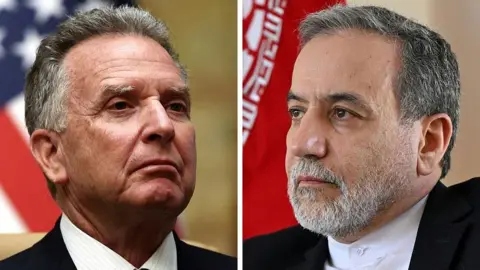
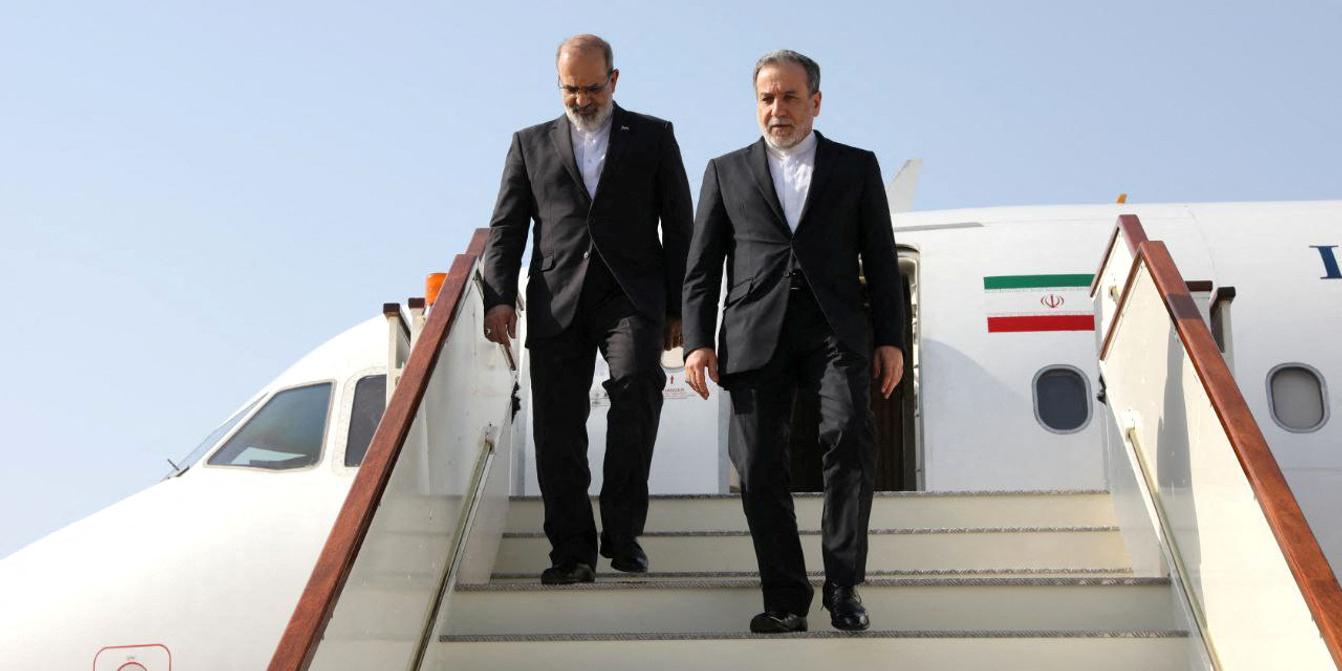
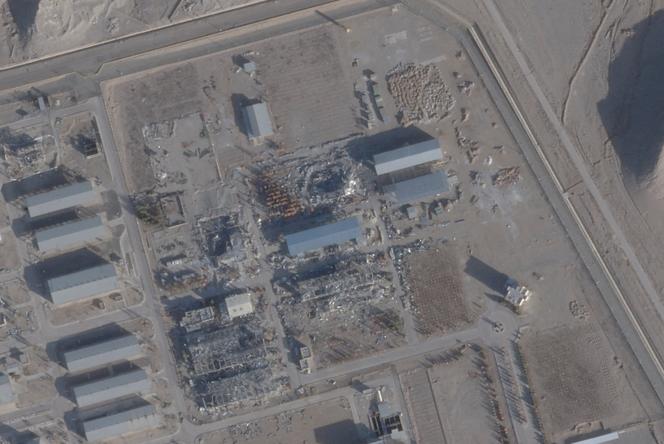
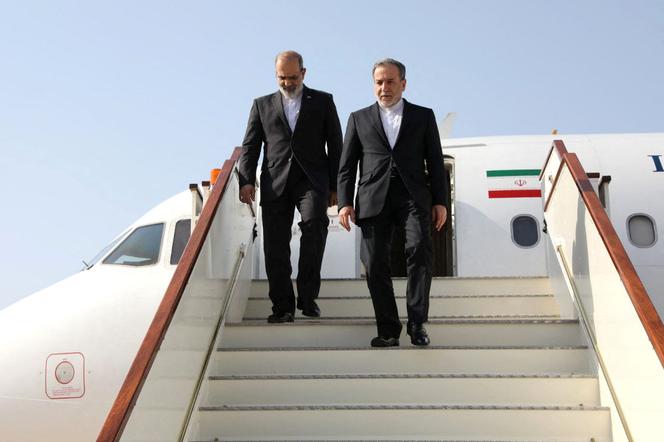
Talks Convened in Muscat Under Omani Mediation On Friday 5 February 2026, Iranian Foreign Minister Abbas Araghchi and U.S. special envoy Steve Witkoff met in Muscat, with Omani Foreign Minister Badr Albusaidi facilitating the first formal nuclear‑focused dialogue since the June 2025 Israel‑Iran war [2][3][4]. The Omani government hosted face‑to‑face sessions that both sides described as “useful to clarify positions” and a “good beginning” for further consultations [3][4]. Iran’s chief diplomat emphasized a calm, threat‑free atmosphere, while the United States signaled willingness to resume talks as early as the following week [2][5].
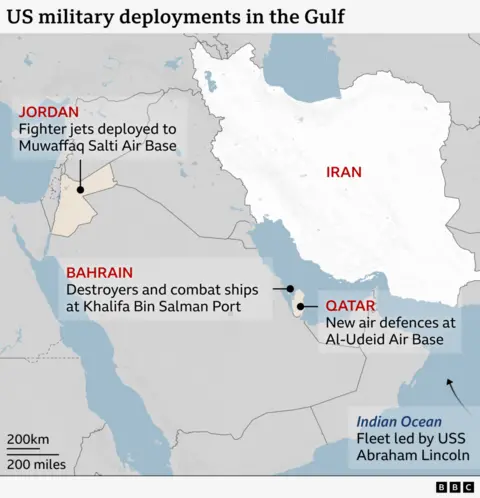
U.S. Leverages Military Pressure While Proposing Broader Agenda The United States deployed the aircraft carrier USS Abraham Lincoln and accompanying warships to the Arabian Sea, with Central Command head Adm. Brad Cooper attending the Muscat talks in dress uniform to underscore the parallel military posture [2][6][7]. Washington announced fresh sanctions targeting 14 oil tankers, 15 trading firms and two executives, and issued an executive order authorizing a potential 25 % import tax on goods from countries buying Iranian oil [2]. Beyond the nuclear issue, U.S. officials—including Secretary of State Marco Rubio—pressed for limits on Iran’s ballistic‑missile program, its support for regional militant groups, and human‑rights improvements [3][5][7][8].
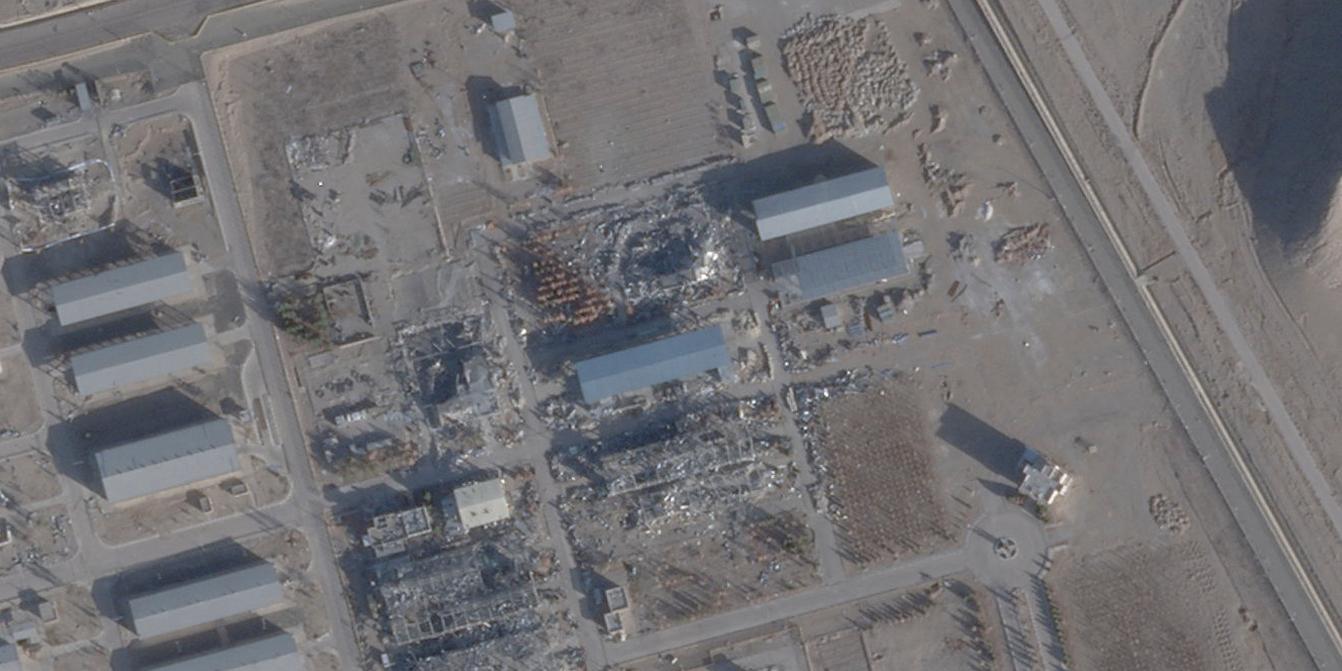
Iran’s Nuclear Position: Halted Enrichment Yet Large 60 % Stockpile After the June 2025 attacks on its nuclear facilities, Tehran announced a halt to uranium enrichment, but the International Atomic Energy Agency still reports a stockpile of roughly 9,870 kg of highly enriched uranium, with portions enriched to 60 %—a short step from weapons‑grade material [1][2]. IAEA inspectors have been barred from key sites for months, limiting verification of Iran’s compliance [1][2]. Iranian negotiators indicated willingness to consider a regional enrichment consortium and to transfer about 400 kg of HEU to a third country, while rejecting any demand to curb its ballistic‑missile program as a violation of sovereignty [3][4].
Political Context: Post‑June War Tensions, Protest Crackdown, and Trump’s Domestic Pressures The talks occur against the backdrop of Israel’s 12‑day war with Iran in June 2025, subsequent U.S. strikes on Iranian nuclear sites, and a nationwide protest crackdown that killed thousands (estimates range from 6,941 to 30,000) and led to over 50,000 arrests [3][4][6][7][8]. President Donald Trump warned Supreme Leader Ayatollah Ali Khamenei to be “very worried” and framed the Muscat meeting as Iran’s “last chance,” while also describing the discussions as “very good” on Air Force One [6][7][8]. Domestic pressure mounts as Trump’s approval rating fell below 40 %, raising concerns that a failed diplomatic outcome could further damage his political standing ahead of the midterm elections [5].
Sources
-
1.
AP: Iran, U.S. Consider Second Nuclear Talks Amid Post‑War Tensions – Details a possible second round of negotiations after the June war, Trump’s military pressure, a March 2025 letter to Khamenei, and Iran’s halted enrichment with a 9,870 kg HEU stockpile .
-
2.
AP: US and Iran Hold Indirect Talks in Oman Amid Military Posturing – Describes the Muscat meeting attended by Adm. Brad Cooper, new sanctions, and Iran’s 60 % enrichment level amid limited IAEA inspections .
-
3.
BBC: Iran‑U.S. Talks in Oman Signal Tentative Nuclear Dialogue – Highlights the “good beginning” characterization, inclusion of Jared Kushner, Iran’s openness to an enrichment consortium, and divergent U.S. views from Trump and Rubio .
-
4.
Le Monde: US‑Iran Nuclear Talks Begin in Oman Amid Diverging Agendas – Reports the Muscat talks, U.S. demand for a broader agenda, Trump’s “ultimate chance” framing, and the backdrop of a protest death toll exceeding 30,000 .
-
5.
CNN: Trump Faces Tough Choices Over Iran Amid Low Approval – Notes Trump’s sub‑40 % approval, his “military hammer” strikes, the upcoming Oman talks covering missiles and terrorist support, and expert warnings about a costly strike .
-
6.
CNN: Trump warns Iran’s supreme leader of “very worried” stance ahead of Muscat talks – Covers Trump’s direct warning to Khamenei, Iran’s missile showcase, and the parallel military buildup including a carrier‑drone incident .
-
7.
Le Monde: Trump warns Iran’s Supreme Leader as US‑Iran talks loom in Oman – Emphasizes Trump’s warning, the shift of venue to Oman after Arab pressure, Rubio’s broader agenda, and the ongoing protest crackdown .
-
8.
AP: Iran‑U.S. Nuclear Talks Set for Friday in Oman Amid Heightened Tensions – Announces the Friday Muscat meeting, Iran’s demand for a nuclear‑only format, the collapse of previous talks after the June war, and mixed regional support .
Timeline
Dec 12, 2025 – President Donald Trump warns that the United States will strike any new Iranian nuclear facility if Tehran attempts to restart its program, citing the June 2025 U.S.–Israeli strikes that destroyed key enrichment sites [25].
Dec 22, 2025 – Iran’s foreign ministry declares its ballistic‑missile programme “defensive and non‑negotiable,” insisting the arsenal deters aggression and will not be discussed in any future talks [27].
Dec 28, 2025 – President Masoud Pezeshkian tells a supreme‑leader interview that Iran is in a full‑scale war with the United States, Israel and Europe, comparing the conflict to the 1980‑88 Iran‑Iraq war and noting a stronger military than during the earlier Israel‑Iran clash [24][26].
Dec 29, 2025 – Iran’s military vows to crush its enemies after the president publicly declares war on the United States, aligning the armed forces with the leadership’s war rhetoric [23].
Dec 30, 2025 – Iran’s armed forces spokesman Gen. Abolfazl Shekarchi warns that any aggression toward Supreme Leader Ayatollah Khamenei will trigger a harsh response, while Trump reiterates the prospect of renewed military action during a meeting with Benjamin Netanyahu [22].
Jan 3, 2026 – Trump posts on Truth Social that the United States is “locked and loaded” and ready to intervene if Iran harms peaceful protesters; Iran’s UN envoy Amir Saeid Iravani demands condemnation of the threats at the United Nations [20][21].
Jan 12, 2026 – Trump announces a 25 % tariff on any country doing business with Iran, declaring the measure effective immediately and framing it as part of a hardline stance amid the Iranian crackdown [28].
Jan 13, 2026 – Trump tells reporters Iran wants to negotiate, while Omani foreign minister visits Tehran to keep diplomatic channels open; Iran simultaneously signals readiness for war, vows retaliation against any U.S. attack, and stresses that its missile programme will not be limited in talks [18][19][17].
Jan 14, 2026 – Trump weighs limited strikes versus a full regime‑change campaign, saying the United States has “very strong options” and urging action to support Iranian protesters, while former Defense Secretary Leon Panetta argues U.S. credibility requires a visible response [14][15].
Jan 15, 2026 – Analysts note that U.S. weapons stockpiles are depleted but still potent, and report that Trump has ordered military assets to be prepared for a potential strike against Iran [13].
Jan 17, 2026 – Trump urges “new leadership” in Iran, calling the Supreme Leader a “sick man” and encouraging protesters to keep demonstrating, while Israeli intelligence chief Shlomi Binder meets U.S. officials to discuss possible strike targets inside Iran [12][3].
Jan 19, 2026 – Iran’s president warns that any aggression against the Supreme Leader will trigger a full‑scale war, and Khamenei cautions that “criminals” will be punished, as Trump publicly calls for regime change and hints at possible strikes [11].
Jan 20‑21, 2026 – Iran’s armed forces warn that attacks on Khamenei will meet “strong retaliation,” while Trump announces the carrier USS Abraham Lincoln is moving westward toward the region, signaling a naval buildup amid the protest crackdown [10].
Jan 28, 2026 – Iran’s foreign minister Abbas Araghchi states that Tehran has not requested negotiations with the United States, urging Washington to stop threatening war if it wants diplomatic engagement [9].
Jan 30, 2026 – Trump demands that Iran cease nuclear weapons development and stop killing protesters “by the thousands” or face a “massive Armada,” and later claims Iran prefers a deal over war, while Iran’s foreign minister repeats that missile‑defence systems are off‑limits in any talks [4][5].
Feb 2, 2026 – President Masoud Pezeshkian orders the start of nuclear negotiations with the United States, announcing that a negotiation framework will be ready in the coming days [8].
Feb 3, 2026 – President Pezeshkian says Iran will negotiate only in a “threat‑free” environment and instructs Foreign Minister Araghchi to pursue talks under those conditions; media report a possible Istanbul meeting on Friday with U.S. envoy Steve Witkoff and regional foreign ministers [2][7].
Feb 4, 2026 – In an NBC interview, Trump warns Ayatollah Khamenei that the United States is aware of Iran’s plans to open a new nuclear site and threatens “very hard” retaliation ahead of the upcoming Oman talks [30].
Feb 5, 2026 – Trump tells NBC that Khamenei “should be very worried,” while Iran showcases the long‑range Khorramshahr‑4 missile and vows swift retaliation to any U.S. attack; both sides prepare for the Muscat meeting scheduled for Friday [6][30].
Feb 6, 2026 – Iranian and U.S. delegations meet in Muscat, Oman, launching final nuclear discussions; the United States seeks to add ballistic‑missile limits, regional influence, and human‑rights issues to the agenda, whereas Iran insists the talks remain “exclusively nuclear” [1][29].
Future (as of Feb 6, 2026) – If the Muscat talks fail, regional ministers from Egypt, Oman, Pakistan, Qatar, Saudi Arabia and the UAE are expected to convene in Istanbul for a follow‑up session, according to U.S. diplomatic sources [2].
Dive deeper (15 sub-stories)
-
U.S. and Iran Weigh Second Nuclear Talks as Trump Threatens Military Action
(21 articles)
-
US and Iran Hold Indirect Talks in Oman as Carrier Deploys, Sanctions Imposed
(6 articles)
-
Netanyahu Intensifies Private Lobbying for U.S.-Led Regime Change in Iran
(6 articles)
-
BBC: Trump urges Iran to abandon nuclear program and halt protest killings amid US fleet buildup
-
U.S. Carrier Strike Group Arrives as Iran’s Crackdown Fuels Escalation Risk
(24 articles)
-
Trump Signals Possible Iran Strike as US Carrier Group Deploys to Middle East
(4 articles)
-
CNN: Trump weighs strike on Iran as protests flare and oil markets brace
-
Newsweek: California Pistachios Helped Shape Iran’s Economic Struggle Amid Protests and Tariff Threats
-
Trump Announces Immediate 25% Tariff on Iran‑Linked Trade, Raising US Prices and Tensions
(8 articles)
-
Newsweek: Iran pulls out of BRICS naval drill with China and Russia at last minute
-
Newsweek: Germany's Merz says Iran regime near end amid protests
-
Newsweek: Iran vows to crush enemies after president declares war on US
-
Iran Declares Full‑Scale War with United States, Israel, Europe Ahead of Netanyahu‑Trump Meeting
(3 articles)
-
AP: Iran and U.S. reaffirm diplomacy at UN as gap on nuclear deal remains wide
-
The Hindu: Iran says missile programme is defensive and non-negotiable
All related articles (80 articles)
-
AP: Iran, U.S. Consider Second Nuclear Talks Amid Post‑War Tensions
-
AP: US and Iran Hold Indirect Talks in Oman Amid Military Posturing
-
BBC: Iran‑U.S. Talks in Oman Signal Tentative Nuclear Dialogue
-
Le Monde: US‑Iran Nuclear Talks Begin in Oman Amid Diverging Agendas
-
CNN: Trump Faces Tough Choices Over Iran Amid Low Approval
-
CNN: Trump warns Iran’s supreme leader of “very worried” stance ahead of Muscat talks
-
Le Monde: Trump warns Iran’s Supreme Leader as US‑Iran talks loom in Oman
-
AP: Iran‑U.S. Nuclear Talks Set for Friday in Oman Amid Heightened Tensions
-
BBC: Iran Signals Readiness for US Negotiations Amid Heightened Regional Tensions
-
Newsweek: Trump’s Nuclear Pressure Prompts Iran to Seek Talks
-
AP: Turkey Pushes for US‑Iran Talks Amid Rising Tensions
-
The Hindu: Iranian President Orders Nuclear Talks Amid U.S. Military Threats
-
BBC: Israel’s Quiet Push for U.S.‑Led Regime Change in Iran
-
CNN: Trump’s Iran Options Remain Limited Amid Naval Buildup and Regime Weakness
-
CNN: Iran Signals Openness to US Nuclear Talks While Rejecting Dictation and Missile Negotiations
-
BBC: Trump Claims Iran Wants Nuclear Deal as U.S. Buildup Continues
-
BBC: Trump urges Iran to abandon nuclear program and halt protest killings amid US fleet buildup
-
Newsweek: Iranians Brace for Possible U.S. Attack Amid Rising Tensions
-
BBC: Iran’s heightened risk of escalation as US carrier group arrives
-
CNN: Iran’s Options to Respond if Trump Orders a Strike
-
CNN: Trump’s Options After Iran’s Deadly Crackdown
-
CNN: Trump Considers Major New Strike on Iran Amid Stalled Nuclear Talks
-
Newsweek: Iran Threatens Unprecedented Retaliation After Trump Revives Strike Threat
-
BBC: Potential Outcomes if the U.S. Strikes Iran
-
BBC: Trump warns Iran “time is running out” as US forces surge in Gulf
-
CNN: US Air Drills Intensify as Trump Threatens Iran Over Protest Crackdown
-
Newsweek: Iran Says It Has Not Requested Negotiations After Trump Claims Deal Is Possible
-
AP: Iran warns Trump against aggression toward Khamenei as protests intensify
-
Newsweek: Iran warns Trump with threat to set fire to their world
-
Newsweek: Iran warns US of full-scale war after Trump calls for regime change
-
Newsweek: Trump calls for new leadership in Iran after Khamenei criticism
-
CNN: Iran protests fall silent as crackdown persists and diplomacy looms
-
AP: Mideast allies urge Trump to delay Iran strikes amid protests and sanctions
-
Newsweek: US weapons stockpile examined amid potential war with Iran
-
CNN: Trump weighs strike on Iran as protests flare and oil markets brace
-
Newsweek: Iran could retaliate more aggressively if U.S. intervenes, experts warn
-
Newsweek: Trump threatens Iran strikes, Netanyahu sees golden opportunity
-
CNN: Analysts map potential US targets and risks in possible Iran strike
-
CNN: Trump weighs Iran strike as administration weighs retaliation risks
-
Newsweek: California Pistachios Helped Shape Iran’s Economic Struggle Amid Protests and Tariff Threats
-
Newsweek: Yemen’s Ansar Allah warns Trump of dire consequences if U.S. strikes Iran
-
CNN: Trump weighs strikes on Iran as protests intensify and regime weakens
-
AP: Trump's tariffs on Iran could raise prices in the US
-
AP: Trump weighs options as Iran protests intensify with disputed death toll
-
CNN: Trump signals renewed Iran intervention as polls show tepid support
-
CNN: Israel stays quiet as Iran protests expand and Trump decision looms
-
Newsweek: Iran's military assessed against US as Tehran vows retaliation amid Trump threats
-
Newsweek: Iran pulls out of BRICS naval drill with China and Russia at last minute
-
BBC: Trump threatens 25% tariffs on countries trading with Iran amid protests and sanctions
-
Newsweek: Trump weighs military options amid Iran crackdown
-
BBC: Trump briefed on covert and military options for Iran as tariffs and protests rise
-
Newsweek: Germany's Merz says Iran regime near end amid protests
-
CNN: Trump imposes 25% tariffs on countries doing business with Iran, potentially hitting China
-
BBC: Trump weighs Iran options as crackdown escalates
-
AP: Trump says Iran wants to talk as protest death toll rises
-
AP: Trump weighs military action on Iran as protests intensify
-
Newsweek: Trump imposes 25% tariff on countries trading with Iran amid protests
-
CNN: Iran says prepared for war but open to talks as protests kill over 500
-
Newsweek: U.S. warns Americans in Iran to evacuate as protests widen and communications fail
-
Yonhap: Trump imposes 25% tariff on any country doing business with Iran, effective immediately
-
BBC: Trump mulls 'very strong' military options as Iran protests enter third week
-
CNN: Trump weighs potential military intervention in Iran
-
AP: Iranian protests intensify; Israel watching closely
-
Newsweek: Iran accuses Trump and Netanyahu of inciting violence as protests grow
-
Newsweek: Iran warns U.S. that Trump-era comments amount to interference as protests spread nationwide
-
Newsweek: Iran’s chief justice vows 'no leniency' as nationwide protests and international warnings escalate
-
Newsweek: Iran fears new US attack as protests grip nation
-
AP: Trump and top Iranian officials exchange threats as Iran protests widen
-
Newsweek: Conservatives Break With Trump Over Iran Threat
-
CNN: Trump warns Iran protesters as troop levels stay unchanged
-
Newsweek: Iran developing chemical and biological warheads for long-range missiles, report says
-
Newsweek: Iran warns of harsh response to any attack after Trump threat
-
AP: Iranian president pledges harsh response to aggression in apparent rebuke to Trump warning
-
Newsweek: Iran vows to crush enemies after president declares war on US
-
Newsweek: Iran says it is in a full-scale war with the US, ready for decisive response
-
The Hindu: Iran's president says country is in full-scale war with West
-
AP: Iran's president says the country is in a full-scale war with the U.S., Israel and Europe ahead of Netanyahu-Trump talks
-
AP: Iran and U.S. reaffirm diplomacy at UN as gap on nuclear deal remains wide
-
The Hindu: Iran says missile programme is defensive and non-negotiable
-
Newsweek: Trump Threatens to Strike Iran if It Re‑starts Nuclear Program Without Deal
External resources (25 links)
- https://www.eia.gov/international/content/analysis/special_topics/SHIP_Act/SHIP-Act_2025.pdf (cited 1 times)
- https://www.govinfo.gov/app/details/BILLS-119hr6500ih?utm_source=chatgpt.com (cited 1 times)
- https://www.state.gov/releases/office-of-the-spokesperson/2025/09/completion-of-un-sanctions-snapback-on-iran/ (cited 1 times)
- https://www.ipsos.com/sites/default/files/ct/news/documents/2025-06/Reuters%20Ipsos%20U.S.%20Iran%20Survey%20Topline%2006%2023%202025.pdf (cited 2 times)
- https://edition.cnn.com/2026/02/01/middleeast/iran-diplomat-araghchi-interview-intl (cited 1 times)
- https://www.reuters.com/world/americas/only-33-americans-approve-us-strike-venezuela-reutersipsos-poll-finds-2026-01-05/ (cited 1 times)
- https://www.washingtonpost.com/tablet/2026/01/05/jan-3-4-2026-washington-post-poll-venezuela-military-action/ (cited 1 times)
- https://www.wsj.com/world/middle-east/trump-iran-plans-military-strikes-diplomacy-e74b1d8b?gaa_at=eafs&gaa_n=AWEtsqdJfEYDIe3lwSiUHlXn3dyoNSJ4qTQnZl3xJNgESstSNdxRaD5DhJfGkWIb4zk%3D&gaa_ts=6965b0ee&gaa_sig=wLcgNuJ3sWWgOdrRo-koH9FVycVNOMNVTy9IQNcas6epsGp5pqEDCmKFEp646osxcOfLgu-_jLKkCXTNQEnJAQ%3D%3D (cited 1 times)
- https://x.com/netblocks/status/2010750871274160361?s=46 (cited 6 times)
- https://x.com/newtgingrich/status/2010677659546648616 (cited 3 times)
- https://x.com/YvetteCooperMP/status/2010767038344581389?s=20 (cited 2 times)
- https://x.com/drpezeshkian (cited 2 times)
- https://x.com/metpoliceuk/status/2010039383177461933 (cited 2 times)
- https://x.com/LindseyGrahamSC/status/2007128883359826022?s=20 (cited 1 times)
- https://x.com/MonitorX99800/status/2007867930957226216?s=20 (cited 1 times)
- https://x.com/RepMTG/status/2007129865078927659?s=20 (cited 1 times)
- https://x.com/alishamkhani_ir/status/2016582565390655585?s=20 (cited 1 times)
- https://x.com/drpezeshkian/status/2018551558959710505?s=20 (cited 1 times)
- https://x.com/khamenei_ir/status/2007450336743588191 (cited 1 times)
- https://x.com/khamenei_ir/status/2012563061828399158 (cited 1 times)
- https://outrider.org/ (cited 2 times)
- https://www.carnegie.org/ (cited 2 times)
- https://globalaffairs.org/research/public-opinion-survey/slight-boost-american-support-active-us-role-world (cited 1 times)
- https://www.bing.com/ck/a?!&&p=302e892761936c6d391ff9b80cbb4cf3e55326a7a8dbaf2ac23ca6e3831d2c8aJmltdHM9MTc2ODM0ODgwMA&ptn=3&ver=2&hsh=4&fclid=24c05a7b-dba0-6e8d-1f70-4e79da6b6f70&psq=Al+Udeid+Air+Base+in+Qatar+Newsweek+June+23&u=a1aHR0cHM6Ly93d3cubmV3c3dlZWsuY29tL2lyYW4tdHJ1bXAtc3RyaWtlcy1hbC11ZGVpZC1haXItYmFzZS1xYXRhci0xMTM1NzA0NQ (cited 1 times)
- https://www.opec.org/assets/assetdb/asb-2025.pdf (cited 1 times)